A smoke alarm may look like a small, simple device, but it can play an important role in protecting people from fire. When smoke is detected, the alarm produces a warning sound that alerts occupants to a possible emergency. This warning can be particularly important at night, when family members may be asleep and unable to notice the early signs of a fire.
However, even a good smoke alarm cannot provide dependable protection if its power supply is not working. A weak, disconnected, or exhausted battery can leave a household without the warning it expects. That is why smoke alarm batteries deserve more attention than they often receive.
For households in Pakistan, where electrical appliances, cooking equipment, backup power arrangements, and other everyday activities can introduce fire hazards, maintaining suitable detection equipment is a sensible part of home safety.
A fire alarm system in Pakistan can range from a simple battery-powered smoke alarm in a residence to a more complex interconnected system in a larger building. Whatever the arrangement, the equipment must be suitable for its purpose, correctly installed, and maintained according to the manufacturer’s instructions.
This guide explains how smoke alarm batteries work, when they may need attention, how to recognize common warning signs, and why battery maintenance should be part of every household’s fire-safety routine.
What Is a Smoke Alarm Battery?
A smoke alarm battery supplies the electrical power needed to operate a battery-powered smoke alarm or provide backup power to an alarm connected to a building’s electrical supply.
The alarm uses a sensing mechanism to identify smoke particles. When the device detects smoke at the required threshold, it activates an audible warning. Some models may also connect with other alarms or a wider fire detection system.
Without a dependable power source, the alarm may not function as intended.
Smoke alarms commonly use one of three power arrangements:
– Replaceable batteries: These may include standard battery types specified by the manufacturer.
– Long-life batteries: Certain models contain a sealed battery designed to power the alarm for an extended period.
– Mains-powered alarms with battery backup: These receive power from the building’s electrical supply but also use a backup battery to help maintain operation during a power interruption.
The correct maintenance procedure depends on the alarm’s design. Homeowners should read the instructions supplied with their particular model rather than assuming every smoke alarm uses the same battery or replacement schedule.
Why Are Smoke Alarm Batteries So Important?
A smoke alarm is useful only when it can detect smoke and provide its intended warning. A battery problem can undermine that protection even when the device appears to be properly installed.
1. They help maintain early warning
Fire can develop while occupants are sleeping, working, or in another room. A functioning smoke alarm may alert them to a developing hazard earlier than they would otherwise notice it.
The battery is an essential part of this process in battery-powered models.
2. They support protection during power interruptions
Pakistan experiences electricity interruptions in some areas. A mains-powered alarm with suitable backup power may continue operating during an interruption, provided the alarm and its backup battery are in working condition.
However, not every alarm has battery backup. Households should confirm the design of their equipment and maintain it accordingly.
3. They help reduce unnoticed equipment failure
Routine testing can reveal that an alarm is not producing its expected warning. Checking the battery and following the manufacturer’s troubleshooting instructions can help identify certain problems before an emergency occurs.
Testing does not replace all maintenance, but it is an important part of keeping the alarm operational.
4. They support a broader fire-safety plan
Smoke alarms do not prevent every fire, extinguish flames, or guarantee that occupants will always have enough time to escape. Their purpose is to provide a warning.
A complete safety plan also includes reducing fire hazards, keeping exits clear, making an evacuation plan, and teaching household members what to do when an alarm sounds.
How Do You Know When a Smoke Alarm Battery Needs Attention?
Many smoke alarms provide a warning when their battery becomes weak. The exact signal varies by model, so the manufacturer’s guide should be used to interpret the sounds and indicator lights.
Common signs include the following.
Repeated short chirps
A brief chirp at regular intervals often indicates a low battery or another maintenance issue. It is different from the alarm’s normal full-volume emergency warning on many models.
Do not ignore repeated chirping. Check the instructions, identify the cause, and address it promptly.
A warning light or indicator
Some alarms use a light to communicate their operating status. The meaning of the light depends on the model, so it should be checked against the product documentation.
Failure during testing
If the alarm does not produce its expected sound when tested using the designated test button, the device may have a battery problem, a power-supply issue, or another fault.
Follow the manufacturer’s troubleshooting guidance. If the alarm still does not operate correctly, arrange appropriate assistance or replace it as directed.
An old or damaged device
Batteries are not the only component that can fail. Dust, damage, age, or a fault in the alarm itself can affect performance.
If the device has reached the end of its service life, replacing its battery alone may not restore dependable operation.
When Should You Replace Smoke Alarm Batteries?
There is no single battery replacement schedule that applies to every smoke alarm. The correct interval depends on the battery type, alarm design, manufacturer instructions, and any applicable requirements.
For alarms that use replaceable batteries, follow the recommended replacement interval and replace the battery promptly when a low-battery warning occurs.
Many public fire-safety guidelines recommend replacing common replaceable smoke alarm batteries at least annually, while some models have different requirements. Always check the instructions for your particular device.
Long-life sealed-battery alarms are different. Their batteries are not designed for routine replacement by the user. The entire alarm generally needs to be replaced according to the manufacturer’s stated service life or when it signals that replacement is necessary.
For mains-powered alarms, the backup battery must also be maintained according to the instructions. Having a connection to the building’s electricity supply does not automatically mean that the backup battery is working.
Important: Never wait for a warning chirp as your only maintenance strategy. Regular testing and scheduled maintenance help identify problems that may not produce an obvious warning.
How to Test a Smoke Alarm Safely
Testing is a straightforward way to check whether an alarm responds as expected. It should be carried out according to the manufacturer’s instructions.
A useful household routine includes these steps:
1. Identify the test button and read the instructions for the specific model.
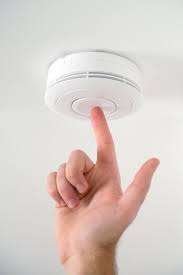
2. Press the designated test button as directed.
3. Confirm that the alarm produces its expected warning sound.
4. If the alarm does not respond, follow the manufacturer’s troubleshooting steps.
5. Record any maintenance that is required and make sure the issue is resolved.
6. Repeat the test at the recommended interval.
Many fire-safety authorities recommend testing smoke alarms monthly. The manufacturer’s guidance and applicable local requirements should take precedence where they specify a different procedure.
Do not use an open flame or create smoke to test a smoke alarm. Use its built-in test function.
Testing should also be distinguished from inspecting the device’s age, cleaning it, or replacing its battery. These are separate maintenance tasks that may be needed at different times.
What Should You Do When a Smoke Alarm Chirps?
A chirping alarm can be frustrating, especially at night, but ignoring it may leave an important problem unresolved.
Start by checking the user guide to understand the signal. If it indicates a low battery and the model has a replaceable battery, follow the instructions for replacing it with the specified type.
If the alarm is connected to the building’s electrical supply, check its guidance for backup-battery maintenance. Electrical installation and repair should be handled by a qualified professional.
If the chirping continues after the battery has been addressed, other causes may include a device fault, an end-of-life warning, or a need for cleaning.
Do not permanently disable the alarm or leave its battery disconnected because of repeated unwanted sounds. Identify the cause and restore proper operation, or replace the device if required.
If the alarm is producing its full emergency warning, or there are signs of an actual fire, do not assume it is merely a battery issue. Alert the people around you, follow the household evacuation plan, move to safety, and contact the appropriate emergency service.
Where Should Smoke Alarms Be Installed?
Battery maintenance matters only if the alarms are suitable for the building and installed in appropriate locations.
For homes, widely used fire-safety guidance recommends smoke alarms inside bedrooms, outside sleeping areas, and on every level of the home. Interconnected alarms can provide an additional advantage because activating one may cause the others to sound as well.
The exact placement should follow the alarm manufacturer’s instructions and the applicable building requirements.
Bedrooms and sleeping areas
An alarm near sleeping areas can provide an important warning when occupants may not notice smoke developing elsewhere.
Hallways and shared spaces
Alarms positioned in appropriate circulation areas can help detect smoke moving through a building. Placement should account for the layout and any relevant installation guidance.
Multiple-storey homes
Each level may need suitable detection equipment. A household should not assume that an alarm on the ground floor will provide adequate warning everywhere else.
Kitchens and bathrooms
Cooking fumes and steam can cause unwanted alarms if a device is installed in an unsuitable location. Follow the manufacturer’s placement guidance instead of removing the battery whenever unwanted alerts occur.
A qualified professional can advise on placement where the building layout or fire risks are more complex.
Smoke Alarms and Fire Alarm Systems in Pakistan
A standalone smoke alarm and a building-wide fire alarm system serve related but different purposes.
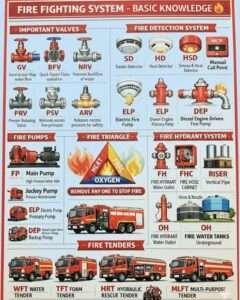
A standalone alarm typically detects smoke locally and produces a warning. A larger fire alarm system may include several detectors, manual call points, control equipment, notification devices, backup power, and connections to other building safety functions where required.
In Pakistan, the Building Code of Pakistan – Fire Safety Provisions 2016 addresses fire detection, alarm systems, life safety, and the responsibilities associated with maintaining fire-protection equipment. Requirements depend on the type and use of the building and the provisions applicable to it.
For residential properties, battery-operated smoke alarms may be part of the protection arrangements where applicable. Larger residential, commercial, and public buildings may require more extensive systems based on their occupancy and other relevant factors.
When evaluating a fire alarm system in Pakistan, building owners should consider more than the initial equipment purchase. They should also consider installation, power supply, backup arrangements, testing, maintenance, and compliance with the requirements applicable to the property.
Complex systems should be designed, installed, and maintained by appropriately qualified professionals. A standalone battery-powered alarm should not be assumed to satisfy every building’s fire-safety obligations.
Common Smoke Alarm Battery Mistakes
Small maintenance oversights can reduce the reliability of a smoke alarm. Avoiding the following mistakes can help keep the equipment in working condition.
Ignoring low-battery warnings
A chirp is a signal that the alarm needs attention. Leaving it unresolved can compromise the device’s intended function.
Removing the battery to stop a sound
Disconnecting the battery without addressing the cause can leave the household without a warning. Investigate unwanted alarms and follow the manufacturer’s instructions.
Using the wrong battery
Not every battery is suitable for every alarm. Use the type and specification required by the manufacturer.
Forgetting backup batteries
Mains-powered equipment may still depend on a backup battery during a power interruption. Include this battery in the maintenance routine.
Never testing the alarm
A device can look normal without operating correctly. Follow the recommended testing schedule.
Keeping an alarm beyond its service life
Smoke alarms do not last indefinitely. Many models have a service life of around ten years, but the exact replacement interval depends on the manufacturer’s instructions and the device’s rating.
Assuming a new battery fixes every problem
A damaged or expired alarm may remain unreliable after a battery replacement. Check the device’s condition and replace the whole unit when required.
Build a Simple Smoke Alarm Maintenance Routine
A regular routine makes it easier to keep track of alarm condition without waiting for a warning.
A practical plan can include:
– Monthly: Test each alarm using its designated test button, following the manufacturer’s instructions.
– As indicated: Respond promptly to low-battery warnings or other fault signals.
– At the recommended interval: Replace replaceable batteries as specified by the manufacturer.
– During routine checks: Look for visible damage, obstruction, or signs that cleaning is required.
– At the end of the service life: Replace the alarm according to the product instructions.
– After maintenance: Confirm that the device is operating as expected.
Households can record the installation date and the alarm’s recommended replacement date in a calendar or maintenance checklist. In larger buildings, responsible staff should maintain appropriate inspection and service records.
This routine should be adapted to the actual alarm model and local requirements.
Teach Every Family Member About Alarm Safety
Smoke alarm maintenance should not be the responsibility of one person alone. Household members should understand what the alarm sounds like and what to do when it activates.
Parents and guardians can explain that:
– A smoke alarm warning must be taken seriously.
– A low-battery chirp needs to be reported to a responsible adult.
– Batteries and electrical equipment should not be handled without appropriate supervision.
– An alarm sounding during a possible fire means occupants should follow the evacuation plan.
– Nobody should remain in danger to investigate the cause or protect belongings.
Children should never be expected to troubleshoot an alarm during an emergency. Their priority is to alert a responsible adult and move to safety.
Families should also choose an outdoor meeting point and make sure everyone knows how to reach it safely.
Conclusion
Smoke alarm batteries may be small, but their condition can affect whether a battery-powered alarm or backup power supply works when needed.
Regular testing, prompt attention to warning signals, correct battery replacement, and timely replacement of old alarms all contribute to dependable smoke detection. The right maintenance routine depends on the device, so the manufacturer’s instructions should always guide the process.
In Pakistan, smoke alarms can form an important part of a wider fire-safety approach. A suitable fire alarm system in Pakistan, combined with prevention measures, accessible escape routes, and an emergency plan, can help people recognize danger and respond more effectively.
The most important lesson is simple: do not wait for an emergency to discover that an alarm is not working. Make smoke alarm maintenance a regular household habit, and ensure everyone knows what to do when a warning sounds.
Frequently Asked Questions (FAQs)
1. How often should smoke alarm batteries be replaced?
The schedule depends on the alarm and its battery type. Many guidelines recommend replacing common replaceable batteries at least annually, but users should follow the manufacturer’s instructions and replace batteries promptly when a low-battery warning occurs.
2. How often should a smoke alarm be tested?
Many fire-safety authorities recommend testing smoke alarms monthly using the designated test button. Always follow the instructions for the specific device.
3. What does a chirping smoke alarm usually mean?
A repeated short chirp often indicates a low battery or a maintenance issue. Check the user guide to identify the signal and resolve the cause rather than ignoring it.
4. Do mains-powered smoke alarms need batteries?
Some mains-powered smoke alarms use backup batteries to support operation during a power interruption. Check the model’s specifications and maintain its backup power source according to the manufacturer’s instructions.
5. When should an entire smoke alarm be replaced?
Replace the alarm according to the manufacturer’s stated service life, end-of-life warning, or fault instructions. Many models have a service life of around ten years, but the exact interval varies.