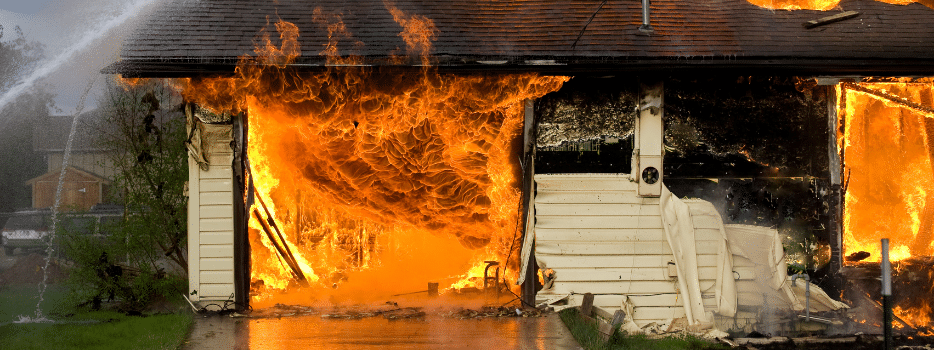
A garage is often one of the most useful spaces in a home. Families use it to park vehicles, store tools, keep household supplies, and carry out small maintenance tasks. However, garages can also contain several potential fire hazards, including electrical equipment, vehicle-related materials, cardboard boxes, paint products, and other combustible items.
Because garages are sometimes used mainly for storage, their fire risks can easily be overlooked. A small problem involving damaged wiring, an electrical appliance, or improperly stored materials may become a serious concern if it is not identified early.
Garage fire safety begins with understanding these risks and taking practical steps to reduce them. Good housekeeping, safe electrical practices, suitable fire detection, clear access routes, and regular maintenance can all contribute to a safer home.
For homeowners in Pakistan, learning about fire prevention is especially important as households increasingly depend on electrical appliances, rechargeable devices, backup power equipment, and other modern conveniences.
A suitable fire alarm system in Pakistan can form part of a wider home fire-safety plan by providing an early warning when a potential fire is detected. Nevertheless, an alarm alone cannot prevent every fire. It should be combined with sensible precautions and a clear emergency plan.
What Is Garage Fire Safety?
Garage fire safety refers to the precautions taken to prevent fires in garages, identify hazards, and help occupants respond safely if an emergency occurs.
A garage may have different risks from a bedroom or living room because it often combines storage, electrical equipment, vehicles, and materials that can burn.
A practical garage fire-safety plan should include:
– Keeping combustible materials away from heat sources.
– Maintaining electrical equipment and wiring.
– Organizing household storage.
– Following manufacturers’ instructions for appliances and chargers.
– Installing suitable fire detection where appropriate.
– Keeping exits and access routes clear.
– Teaching family members what to do during an emergency.
– Arranging professional assistance when technical problems arise.
The objective is to reduce preventable hazards rather than assume that any single product can make a garage completely fireproof.
Why Is Garage Fire Safety Important?
Garages are sometimes attached directly to homes or located beneath living spaces. If a fire develops, smoke and heat may affect other parts of the property, depending on the building’s layout and construction.
Garages may also contain materials that increase the potential consequences of a fire. Cardboard, fabric, paper, wooden furniture, and stored household goods can add combustible material to the space.
The US Fire Administration identifies garages and basements as areas where flammable liquids, combustible storage, gas appliances, and electrical tools can create additional fire risks.
This makes prevention and early detection important parts of household safety.
Garage fire safety also protects more than property. A fire can threaten family members, visitors, neighbours, and anyone who might need to enter the building during an emergency.
Taking time to inspect a garage can help identify hazards before they become more serious.
1. Identify Common Garage Fire Hazards
The first step toward a safer garage is to understand what could create a fire risk.
Potential hazards include damaged electrical cables, poorly maintained equipment, excessive clutter, combustible materials stored near heat sources, and appliances used contrary to their instructions.
A garage may also contain products intended for vehicle maintenance, home improvement, or cleaning. Their storage requirements can differ, so homeowners should read product labels and follow the manufacturer’s guidance.
Make a habit of looking around the garage for visible warning signs. Pay attention to unusual smells, damaged plugs, discoloured outlets, and equipment that becomes unusually hot.
Do not ignore recurring electrical problems or attempt to repair wiring without appropriate qualifications.
Children should tell a responsible adult if they notice a possible hazard rather than investigate or repair it themselves.
2. Keep the Garage Organized
Good housekeeping is one of the simplest ways to improve garage safety.
When a garage becomes crowded with boxes, old furniture, packaging, tools, and unused household items, hazards may be harder to identify. Clutter can also interfere with access to doors, electrical panels, and other important areas.
Keep frequently used items in designated storage locations. Avoid placing unnecessary combustible materials near appliances or other heat-producing equipment.
Do not allow rubbish and unwanted packaging to accumulate. Dispose of waste regularly and keep the area around electrical equipment accessible.
Storage should also leave a clear route to the exit. Family members should not have to move boxes or furniture before they can leave the garage.
An organized garage is easier to inspect, maintain, and evacuate during an emergency.
3. Follow Electrical Safety Practices
Electrical safety is particularly important in garages because they may contain power tools, lighting, chargers, freezers, and other equipment.
Damaged wiring, loose connections, unsuitable electrical installations, and overloaded circuits can create hazards.
Homeowners should arrange qualified professional assistance if they notice:
– Frayed or damaged cables.
– Cracked plugs or outlets.
– Burning smells around electrical equipment.
– Unusual buzzing or visible damage.
– Repeated circuit-breaker trips.
– Equipment that becomes excessively hot.
Avoid makeshift repairs and do not repeatedly reset a protective device without identifying the cause of the problem.
Electrical installations should be suitable for the equipment being used and maintained according to applicable requirements.
In Pakistan, the Pakistan Engineering Council publishes the Building Code of Pakistan – Fire Safety Provisions 2016 and lists the Pakistan Electric and Telecommunication Safety Code 2014 among its codes and standards.
These resources provide a broader framework for building and electrical safety, although the requirements applicable to an individual home depend on the property and relevant local regulations.
4. Store Combustible Materials Carefully
Garages are often used to store paint products, cleaning supplies, packaging, fabrics, and other household materials. Some products may be flammable or require special storage precautions.
Always read labels and follow the manufacturer’s storage instructions. Keep products in their original, properly closed containers where appropriate, and store them in a suitable location away from heat and ignition sources.
Do not place combustible materials directly beside equipment that produces heat.
Avoid keeping unnecessary quantities of hazardous household products. Materials that require specialist storage should not be kept casually in a domestic garage.
If a product leaks, has damaged packaging, or gives off an unusual smell, keep family members away and seek appropriate adult or professional assistance.
Children should never handle unknown liquids, fuels, chemicals, or damaged containers.
Careful storage helps reduce unnecessary hazards and keeps the garage easier to maintain.
5. Use Chargers and Electrical Appliances Correctly
Many households use garages to charge rechargeable devices, operate tools, or power additional appliances. These activities require attention to the manufacturer’s instructions.
Use only compatible charging equipment and inspect cables and connectors for visible damage. Avoid charging devices on top of combustible materials or where they may be exposed to excessive heat.
Do not use a charger or appliance that appears damaged, smells unusual, or behaves abnormally. Stop using it and ask a responsible adult to arrange an appropriate assessment.
Extension cords should not be treated as a permanent substitute for suitable electrical outlets. Where additional outlets or changes to an electrical installation are needed, a qualified electrician should assess the situation.
Charging arrangements for larger batteries or specialized equipment may require additional precautions. Follow the equipment manufacturer’s specific guidance rather than assuming that every battery can be charged safely in the same way.
6. Consider Suitable Fire Detection
Early detection is an important part of home fire safety. A suitable alarm can alert occupants when it detects smoke, heat, or another specified indication of fire, depending on the device.
The appropriate detection equipment and location depend on the building layout, garage conditions, and manufacturer’s recommendations.
For example, ordinary smoke alarms may not be suitable for every garage environment because vehicle exhaust, dust, humidity, or temperature changes can affect their operation. A suitable heat alarm may be an option in some garages, but the selection and placement should follow relevant guidance and applicable requirements.
Homeowners should not assume that one alarm in a distant room will provide adequate warning everywhere.
Where a garage is connected to the house, consider how an alarm in the garage and alarms in the living areas will work together. A qualified fire-safety professional can help determine an appropriate arrangement when necessary.
Fire Alarm System in Pakistan: What Homeowners Should Know
When researching a fire alarm system in Pakistan, it is useful to consider the complete safety arrangement rather than focusing only on the purchase of a device.
Important considerations include:
– Whether the equipment is suitable for the intended location.
– Whether its power supply meets the manufacturer’s requirements.
– Whether occupants will be able to hear the warning.
– Whether the system needs professional installation.
– How it should be tested and maintained.
– Whether the building has any applicable fire-safety requirements.
A simple residential alarm and a larger integrated fire alarm system are not necessarily the same. The correct solution depends on the building, its use, and the risks that need to be addressed.
The Building Code of Pakistan – Fire Safety Provisions 2016 provides a national reference for fire prevention and life safety. Specific obligations should be confirmed with the relevant local authority or a qualified professional.
7. Maintain Fire Detection Equipment
Installing a fire alarm is only one step. The equipment must also remain operational.
Follow the manufacturer’s instructions for testing, cleaning, battery replacement, and other maintenance requirements. The testing schedule and procedure may differ between devices.
If an alarm repeatedly activates without an apparent fire, do not simply ignore the warning or permanently disable the equipment. The cause should be investigated, and the device or its location should be assessed as appropriate.
Keep alarms accessible for inspection and avoid painting over them or covering their openings.
For interconnected or more complex systems, professional inspection and maintenance may be appropriate.
A maintained alarm can provide an important warning, but it does not remove the need for safe storage, electrical maintenance, and emergency planning.
8. Keep Garage Exits Clear
A safe escape route is essential during a fire.
Do not allow storage boxes, bicycles, tools, or other belongings to block the main exit or any designated emergency route. Make sure doors can be opened without unnecessary delay.
If the garage connects directly to the home, pay attention to the door and the separation between the garage and living areas. The suitability of the door, walls, and other protective features depends on the building design and applicable requirements.
Avoid making unauthorized changes to fire-resisting doors or building components.
Where the garage is beneath or beside occupied rooms, a qualified professional can assess whether the existing separation and construction are appropriate.
Family members should know how to leave safely without entering a hazardous area to collect belongings.
9. Prepare a Family Emergency Plan
Every household should have a simple plan for responding to a fire.
Discuss the following points with family members:
1. Which exits can be used safely?
2. Where should everyone meet outside?
3. How will family members alert one another?
4. Who will contact the appropriate emergency service?
5. How will younger children or anyone needing assistance be supported?
Children should understand that an alarm is a warning to follow the family plan, not an invitation to search for the source of the problem.
Choose an outdoor meeting place away from the building and access routes used by emergency responders.
Make sure everyone understands that they should not re-enter the garage or home to retrieve vehicles, phones, documents, or other belongings.
If a fire occurs, leave the dangerous area and contact the appropriate emergency service according to local procedures.
10. Be Careful With Vehicles and Garage Equipment
Vehicles and garage equipment require routine care.
Follow the vehicle manufacturer’s maintenance guidance and have mechanical or electrical problems assessed by qualified professionals. Do not ignore unusual smells, visible damage, or recurring faults.
Keep the garage ventilated as appropriate for its intended use, and never run a vehicle in an enclosed garage as a way to warm the space. Vehicle exhaust can create a dangerous atmosphere even when a fire is not present.
Tools and equipment should be used only as intended and maintained according to their instructions.
If a vehicle or appliance appears unsafe, stop using it and seek appropriate assistance rather than attempting an improvised repair.
11. What Should You Do If a Garage Fire Starts?
A fire can become dangerous quickly, particularly in a space containing vehicles, stored goods, or electrical equipment.
If you see smoke or fire, alert others and leave the hazardous area. Follow your household emergency plan and contact the appropriate emergency service.
Do not enter a smoke-filled garage to investigate the source. Do not attempt to move a vehicle, retrieve stored belongings, or repair electrical equipment during an emergency.
Children should immediately follow the instructions of a responsible adult and move toward safety.
Only people with suitable training should consider any fire-response action, and only when conditions and an appropriate escape route permit it. For most household members, the priority is to get out and stay out.
Once everyone is safe, do not return until emergency responders or the appropriate authorities say it is safe to do so.
12. A Practical Garage Fire-Safety Checklist
Use this checklist as a starting point for regular household reviews.
– [ ] The garage is reasonably organized and free of unnecessary clutter.
– [ ] Exits and access routes remain clear.
– [ ] Electrical cables, plugs, and outlets show no obvious damage.
– [ ] Electrical problems are assessed by qualified professionals.
– [ ] Combustible products are stored according to their labels.
– [ ] Heat-producing equipment has appropriate clearance.
– [ ] Chargers and appliances are used according to instructions.
– [ ] Suitable fire detection is installed where appropriate.
– [ ] Alarms are tested and maintained as instructed.
– [ ] Family members know the escape plan and meeting point.
– [ ] Children know to alert an adult about hazards.
– [ ] Emergency contact information is available.
This checklist is not a substitute for a professional assessment or compliance with local building requirements. Larger properties, shared garages, and buildings with living spaces above a garage may need additional measures.
13. When Should You Seek Professional Advice?
Some safety improvements involve more than ordinary housekeeping.
Consult qualified professionals when you need electrical repairs, changes to wiring, assessment of fire detection, or advice about the separation between a garage and occupied areas.
Professional guidance is also useful when a garage is part of an apartment building, has been converted into a different type of space, or contains specialized equipment.
The Building Code of Pakistan – Fire Safety Provisions 2016 addresses building fire safety and life protection. However, the precise rules applicable to a particular property may depend on its location, use, size, and approval status.
Homeowners should confirm relevant requirements with the responsible building authority rather than relying solely on general online advice.
Conclusion
Garage fire safety is an important first step toward a safer home. A garage may look like an ordinary storage area, but electrical equipment, vehicles, combustible materials, and everyday household activities can introduce preventable risks.
The most effective approach combines good housekeeping, safe electrical practices, careful storage, appropriate fire detection, clear exits, and family preparedness.
A suitable fire alarm system in Pakistan can provide an important layer of protection by warning occupants when a potential fire is detected. However, an alarm cannot replace prevention, maintenance, or a clear plan for leaving the building safely.
Make time to inspect the garage, address visible hazards, and ensure that everyone in the household knows what to do if an alarm sounds.
A safer garage does not require complicated routines. It starts with understanding the risks, maintaining equipment, and making sensible safety decisions before an emergency occurs.
FAQs
1. Why is garage fire safety important?
Garages may contain electrical equipment, vehicles, combustible materials, and household products that can increase fire risk. Good housekeeping, maintenance, and early detection can help reduce hazards.
2. What are the common causes of garage fires?
Potential causes include electrical faults, damaged equipment, unsafe storage of combustible products, and the improper use of appliances. The risks vary according to the garage’s contents and how it is used.
3. Should I install a fire alarm in my garage?
Suitable fire detection can be an important safety measure, but the right device and location depend on the garage environment and applicable guidance. A qualified professional can help determine an appropriate option.
4. How can I make my home garage safer?
Keep exits clear, store products according to their labels, maintain electrical equipment, avoid excessive clutter, follow appliance instructions, and create a family emergency plan.
5. What should my family do if a garage fire starts?
Everyone should leave the hazardous area, follow the household emergency plan, and contact the appropriate emergency service. Do not enter a smoke-filled garage or return to collect belongings.