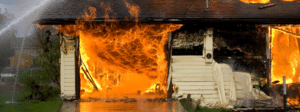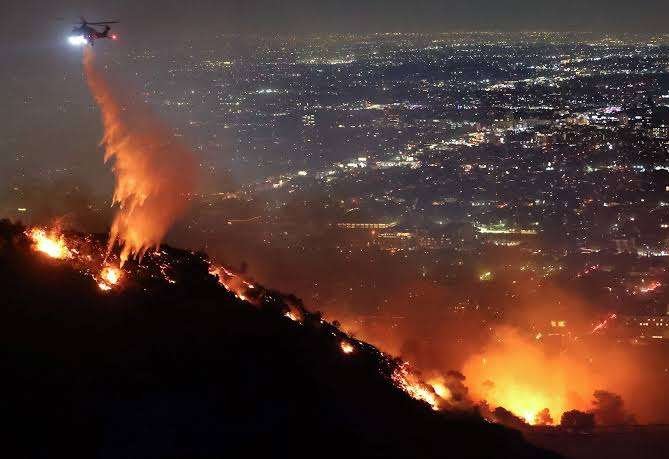
Wildfires are uncontrolled fires that spread through vegetation such as grass, shrubs, forests, and dry plants. They can develop quickly when weather is hot, vegetation is dry, and winds help flames or embers spread.
Although wildfires often begin in natural areas, their effects can extend far beyond forests. Businesses located near dry land, hills, farmland, wooded areas, or open vegetation may face risks to their buildings, employees, customers, equipment, and daily operations.
Even businesses in urban areas can experience disruption when wildfire smoke affects air quality, roads close, or electricity and other essential services are interrupted.
In Pakistan, wildfire preparedness is relevant to businesses in areas exposed to seasonal heat, dry vegetation, and forest fires. The National Disaster Management Authority (NDMA) identifies prevention, early warning, community awareness, fire management planning, and coordinated response as important parts of wildfire preparedness.
A fire alarm system in Pakistan can contribute to a building’s overall fire-safety arrangements, but it cannot replace wildfire-specific planning. Businesses also need to understand their surroundings, monitor official warnings, maintain safe access routes, and prepare employees for evacuation.
This guide explains why wildfire safety matters, which businesses may be affected, and how organizations can prepare before a wildfire threatens their operations.
What Is Wildfire Safety?
Wildfire safety means taking reasonable steps to reduce the likelihood that a wildfire will affect people or property and preparing for situations in which a fire threatens the surrounding area.
For a business, this involves more than protecting the building itself. It also includes employee safety, customer communication, access to emergency services, protection of important records, and plans for temporary closure or relocation.
A practical wildfire safety plan may include:
– Identifying nearby vegetation and other potential exposure areas
– Monitoring official weather and wildfire warnings
– Keeping evacuation routes and exits accessible
– Maintaining suitable fire detection and protection equipment
– Training employees on emergency procedures
– Planning for power, transport, and communication disruptions
– Reviewing insurance and business-continuity arrangements
The exact measures depend on the business’s location, building type, operations, and level of exposure. A shop in a dense urban area may face different wildfire-related risks from a resort, warehouse, farm, or factory near forested land.
1. Wildfires Can Threaten More Than Buildings
One reason wildfire preparedness matters is that the consequences can extend beyond direct flame damage.
A nearby wildfire may affect a business through smoke, airborne embers, road closures, evacuation orders, or interruptions to essential services.
Smoke can reduce visibility and make outdoor work unsafe. Poor air quality may affect employees and customers, particularly people who are more sensitive to smoke.
Road closures may prevent staff from reaching the workplace, interrupt deliveries, or delay emergency responders. Power interruptions can affect refrigeration, computer systems, communications, machinery, and other essential equipment.
Businesses that depend on tourism, agriculture, transport, hospitality, or outdoor activities may experience disruption even when their buildings are not directly damaged.
What businesses can do
Identify which parts of your operations depend on safe roads, reliable electricity, outdoor access, or deliveries from nearby areas.
Prepare alternatives where practical. These may include remote working arrangements, alternative suppliers, backup communication methods, and procedures for temporarily closing the premises.
The objective is to recognize that wildfire preparedness protects both physical property and the ability to operate safely.
2. Identify Your Business’s Wildfire Risk
Not every business faces the same level of wildfire exposure.
A property surrounded by dry grass or vegetation may have different risks from a building located in a densely developed commercial district. However, the surrounding environment can change with the seasons, construction, landscaping, and weather conditions.
Businesses should assess their immediate surroundings and consider whether a fire in nearby vegetation could affect their premises.
Questions to consider
– Is the property close to forests, grasslands, hills, or dry vegetation?
– Are combustible materials stored outside the building?
– Could smoke enter through doors, windows, or ventilation systems?
– Are there alternative routes for leaving the area?
– Could a wildfire interrupt access to essential services?
– Are employees familiar with official emergency alerts?
A basic review can help identify issues that need attention. Businesses in higher-risk areas may benefit from a professional risk assessment and advice from relevant local authorities.
Risk assessments should be reviewed when the surrounding land, building layout, business operations, or seasonal conditions change.
3. Reduce Combustible Material Around the Property
Dry leaves, dead branches, unmanaged vegetation, cardboard, and other combustible materials can increase the amount of material available to burn around a property.
The way a business manages its outdoor spaces can therefore influence its exposure to a nearby fire.
However, vegetation management should be appropriate to the property and local environment. Businesses should not carry out unsafe burning or remove vegetation in ways that create environmental or other hazards.
Practical prevention measures
Keep outdoor areas organized and remove unnecessary combustible waste. Store packaging, pallets, and other flammable materials in appropriate designated areas, away from building openings and potential ignition sources.
Maintain gardens and landscaped areas responsibly. Where the property borders natural vegetation, seek suitable professional guidance on creating and maintaining a safer area around structures.
Keep access points for emergency responders clear and avoid storing materials where they could obstruct evacuation routes.
These actions cannot guarantee that a wildfire will not affect a property, but they can help reduce some preventable hazards.
4. Prepare Employees Before an Emergency
Employees should not have to learn emergency procedures while a wildfire is approaching.
A clear plan helps people understand how they will receive warnings, which actions they should take, and where they should go if evacuation becomes necessary.
Businesses should identify who is responsible for communicating official instructions, contacting emergency services, and confirming that employees have received the warning.
Include these points in your plan
– How staff will receive emergency alerts
– Who will communicate evacuation instructions
– Which routes may be used to leave the area
– Where employees should assemble, if appropriate and safe
– How visitors and customers will be informed
– How assistance will be arranged for people who need it
– Who will confirm a temporary closure or other operational decision
Plans should reflect the building and its surroundings. A route that is normally convenient may become unsafe or inaccessible during a wildfire, so staff must follow current official instructions rather than assume their usual route will remain available.
Provide suitable training and conduct emergency exercises where appropriate. Review the plan after drills and whenever local conditions or business operations change.
5. Understand the Role of Fire Detection and Alarm Systems
Fire detection and alarm equipment is an important part of many buildings’ fire-safety arrangements. It can warn occupants when the installed system detects a fire-related condition or when a manual alarm is activated, depending on the design.
However, a standard indoor fire alarm system is not necessarily a wildfire early-warning system. It may not detect a fire that is still some distance away in a forest or grassland.
This distinction matters because businesses need time to respond to official wildfire warnings before the surrounding area becomes dangerous.
How businesses should approach detection
Maintain the fire detection and alarm equipment required for the building, following the manufacturer’s instructions and applicable rules.
Where appropriate, use official emergency alerts and information from relevant disaster-management, forestry, fire, and local authorities to monitor external threats.
A fire alarm system in Pakistan should be selected according to the building’s size, use, occupancy, and applicable requirements. Larger or more complex systems should be assessed, installed, tested, and maintained by appropriately qualified professionals.
Businesses in wildfire-prone locations should not rely on an indoor alarm as their only source of information about an approaching outdoor fire.
6. Keep Exits and Emergency Access Routes Clear
Safe evacuation depends on being able to leave the building and move away from danger.
Blocked corridors, locked exit doors, cluttered stairways, and unclear signs can delay evacuation during a building emergency. During a wildfire, roads outside the premises may also become congested or be closed by authorities.
What should businesses check?
Keep designated exits, corridors, and stairways clear. Ensure exit doors operate according to the building’s approved emergency arrangements.
Maintain appropriate exit signs and emergency lighting where required. Make sure employees know how to follow the evacuation plan and understand that they should not delay to collect belongings.
Businesses should also understand the available ways to leave the surrounding area and monitor official instructions about road closures or evacuation zones.
Do not assume that the nearest road will remain open during a wildfire. Follow instructions from emergency authorities and avoid routes that have been declared unsafe.
7. Protect Important Equipment and Business Records
A wildfire or related evacuation may interrupt access to a workplace for hours, days, or longer.
Businesses can prepare by identifying which records, systems, and services are essential to continued operations.
Examples include customer records, accounting information, supplier contacts, employee information, inventory records, and important business documents.
Plan before an emergency
Maintain appropriate backups of important digital records and store them securely so they remain accessible if the workplace cannot be entered.
Keep essential contact information available through a suitable alternative method. Identify which equipment or services are critical to business continuity and how operations could continue temporarily if access is disrupted.
Do not delay evacuation to collect documents, computers, money, stock, or other belongings. Personal safety must always take priority over property.
A continuity plan helps a business recover without requiring employees to put themselves at risk during an emergency.
8. Prepare for Smoke and Poor Air Quality
Smoke can affect businesses even when flames do not reach their property.
Outdoor workers may be exposed to smoke, while smoke entering an indoor workspace can affect employees and customers. Ventilation systems may also draw outdoor air into a building, depending on their design and operation.
Practical steps
Monitor official air-quality and emergency information when a wildfire is nearby.
Follow applicable workplace health guidance and instructions from the relevant authorities. Depending on the situation, businesses may need to limit outdoor work, change work schedules, relocate staff, or temporarily close.
Building managers should understand how their ventilation systems operate and obtain qualified advice about suitable adjustments during smoke events.
Do not assume that closing windows alone will always provide adequate protection. The appropriate response depends on the building, ventilation system, smoke conditions, and official guidance.
People who experience concerning symptoms should move away from the exposure and seek appropriate medical advice.
9. Maintain Equipment and Review Fire-Safety Arrangements
A wildfire preparedness plan works best when the building’s normal fire-safety measures remain functional.
Alarms may develop faults, emergency lights may fail, and extinguishers may become damaged or obstructed. Changes to a building can also affect evacuation routes and access for emergency responders.
Businesses should maintain a schedule for inspecting the equipment and arrangements appropriate to their premises.
This may include:
– Fire detection and alarm equipment
– Fire extinguishers and other required firefighting equipment
– Emergency lighting and exit signs
– Fire doors and designated escape routes
– Electrical installations and relevant backup systems
– Communication equipment used for emergency notifications
Follow the manufacturer’s instructions and applicable requirements. Keep records of inspections, maintenance, identified defects, and corrective work.
For complex systems, use appropriately qualified professionals. Do not assume that an alarm or other device will operate correctly simply because it worked when first installed.
10. Follow Official Wildfire Warnings
Businesses should use reliable sources of information when assessing a possible wildfire threat.
Social media posts and informal messages may be incomplete or outdated. Decisions about evacuation, road access, and emergency restrictions should be based on information from relevant authorities.
In Pakistan, the NDMA publishes disaster-preparedness information, while provincial and district authorities may provide local warnings and instructions.
The NDMA’s summer contingency planning includes measures such as early warning, community awareness, coordinated response, and reporting signs of forest fires to the appropriate authorities.
What business owners should do
Monitor relevant official announcements during periods of increased wildfire risk. Assign responsibility for checking updates and communicating important information to staff.
If authorities issue an evacuation order, follow it promptly. Do not send employees outside to investigate a fire or ask them to monitor flames from an unsafe location.
If you observe a wildfire, report it through the appropriate local emergency channel when it is safe to do so.
Businesses should prioritize evacuation and cooperation with emergency services rather than attempting to manage a large wildfire themselves.
11. Develop a Business Continuity Plan
Wildfire preparedness should include what happens after employees have reached safety.
A business continuity plan helps an organization manage temporary closure, interrupted supplies, lost access to premises, and other disruptions.
Small businesses can begin with a straightforward written plan and expand it according to their needs.
Key elements of a continuity plan
Alternative working arrangements: Determine whether some tasks can continue remotely or from another location.
Communication: Maintain up-to-date contact details for employees, customers, suppliers, and service providers.
Data protection: Back up essential digital information and verify that it can be accessed when required.
Suppliers: Identify alternative sources for essential goods or services where practical.
Financial planning: Understand which expenses and obligations may continue during a temporary closure.
Recovery: Identify who will assess the premises and determine when reopening is appropriate.
Do not re-enter a fire-affected property until the relevant authorities have confirmed that it is safe. Damaged structures, electrical systems, and other hazards may remain after the visible fire has passed.
12. Understand Fire-Safety Requirements in Pakistan
Fire-safety requirements depend on factors such as building type, occupancy, location, and the authority responsible for the premises.
The Building Code of Pakistan – Fire Safety Provisions 2016 addresses fire prevention, detection, alarm arrangements, firefighting measures, and means of egress where applicable.
Punjab Civil Defence identifies measures including fire detection and alarm systems, firefighting arrangements, fire-safety plans, emergency exits, and evacuation planning among the matters considered in its inspections.
These building fire-safety arrangements are not the same as a complete wildfire management plan. Businesses exposed to surrounding vegetation fires may need additional preparations based on local risk and official guidance.
Owners and managers should consult the relevant local authority and appropriately qualified professionals to determine which building and workplace requirements apply to their property.
13. A Simple Wildfire Safety Checklist for Businesses
Use this checklist as a starting point for reviewing your preparedness.
– [ ] Nearby forests, grasslands, or dry vegetation have been considered in the risk assessment.
– [ ] Employees know where to find official emergency warnings.
– [ ] A person has been assigned responsibility for communicating alerts.
– [ ] Evacuation procedures and suitable routes have been identified.
– [ ] Corridors, exits, and emergency access points remain clear.
– [ ] Required fire detection and protection equipment is maintained.
– [ ] Important business data is backed up appropriately.
– [ ] Emergency contact information is available.
– [ ] Staff know what to do if smoke affects the workplace.
– [ ] Alternative arrangements for communication and operations have been considered.
– [ ] Employees understand that evacuation takes priority over protecting property.
– [ ] The plan is reviewed when risks or business conditions change.
This checklist is a general starting point. It does not replace a professional assessment, the requirements applicable to the premises, or instructions from emergency authorities.
Conclusion
Wildfire safety is an important part of business preparedness, particularly for organizations located near forests, grasslands, dry vegetation, or other areas exposed to outdoor fires.
The effects of a wildfire can extend beyond direct flame damage. Smoke, road closures, interrupted services, and temporary evacuation can all affect employees and business operations.
Every business should consider its surroundings, maintain suitable building fire-safety arrangements, prepare employees, monitor official warnings, and plan for disruption.
A fire alarm system in Pakistan can provide an important layer of protection inside a building, but wildfire preparedness requires additional measures tailored to the surrounding environment.
By identifying risks early, keeping evacuation routes clear, maintaining equipment, protecting essential information, and following official instructions, businesses can improve their readiness for wildfire-related emergencies.
The most important principle is simple: prepare before a threat develops, and put human safety ahead of property or business continuity.
Frequently Asked Questions (FAQs)
1. Why is wildfire safety important for businesses?
Wildfires can threaten buildings, affect air quality, interrupt transport and electricity, and force businesses to close temporarily. Planning ahead helps protect employees and customers while supporting safer evacuation and recovery.
2. Which businesses should prepare for wildfires?
Businesses near forests, grasslands, dry vegetation, farmland, or mountainous areas should consider their wildfire exposure. Other businesses may also need contingency plans for smoke, road closures, and service interruptions.
3. Can a fire alarm system detect an appro