Electricity powers homes, offices, schools, shops, factories, and many other buildings across Pakistan. It makes everyday activities easier, but electrical faults can create serious safety risks when wiring, appliances, or protective devices are damaged or incorrectly installed.
A short circuit is one type of electrical fault. It can cause excessive current to flow through an unintended path, potentially producing heat, damaging equipment, and increasing the risk of fire.
The good news is that many electrical hazards can be reduced through proper installation, suitable circuit protection, routine maintenance, and responsible use of electrical appliances.
In Pakistan, electrical safety is an important part of a broader fire-prevention strategy. A fire alarm system in Pakistan can provide an additional layer of protection by warning occupants when a fire-related condition is detected. However, preventing electrical faults requires separate measures that address the electrical system itself.
This guide explains how short circuit prevention works, what commonly causes electrical faults, which preventive measures matter most, and how households and businesses can improve electrical safety.
What Is a Short Circuit?
A short circuit occurs when electric current follows an unintended path with relatively low resistance. This can happen when electrical conductors come into unwanted contact because insulation is damaged, wiring is faulty, or equipment develops a defect.
Electrical circuits are designed to carry current through specific conductors and components. When an unintended path develops, the current may rise beyond what the circuit can safely handle.
The resulting fault can cause overheating, equipment damage, sparks, or fire, depending on the circumstances and the protection available.
Not every short circuit leads to a fire. However, an electrical fault should never be ignored because its consequences depend on the condition of the installation, the protective devices, and the surrounding materials.
Why Does Short Circuit Prevention Matter?
Electrical faults can affect residential, commercial, and industrial properties. A damaged cable in a home, a faulty appliance in a shop, or an electrical problem in a workshop can create risks for occupants and property.
Prevention matters for several reasons:
– Protecting people: Electrical faults can create risks of electric shock and burns.
– Reducing fire hazards: Excessive current and electrical heating can ignite nearby combustible materials.
– Protecting equipment: Faults may damage appliances, machinery, and electronic devices.
– Reducing disruption: Electrical damage can interrupt household activities and business operations.
– Supporting building safety: Electrical safety works alongside alarms, escape routes, and other fire-protection measures.
Preventive maintenance is generally more effective than waiting for visible damage or an emergency before addressing electrical problems.
1. Understand the Common Causes of Short Circuits
Understanding common causes helps property owners recognize when professional attention may be needed.
Damaged wire insulation
Electrical cables have insulation that separates conductors and helps prevent unwanted contact. Insulation can deteriorate because of age, heat, moisture, physical damage, or poor installation.
If the insulation becomes damaged, the conductors may come into contact with each other or other conductive materials.
Loose electrical connections
Poorly secured connections can create electrical resistance and localized heating. Depending on the circumstances, a defective connection may contribute to equipment failure or fire.
Connections inside electrical panels, switches, sockets, and appliances should be installed and maintained by qualified professionals.
Faulty appliances
An appliance may develop an internal electrical fault because of damage, wear, manufacturing defects, or unsuitable use.
Unusual heating, burning smells, visible damage, or repeated electrical interruptions should be treated as warning signs.
Overloaded circuits
Connecting too many devices to a circuit can cause excessive current and overheating. Overloading is not itself always a short circuit, but it is an important electrical safety hazard that should be prevented.
Moisture and unsuitable conditions
Water or moisture entering electrical equipment can interfere with insulation and create dangerous fault conditions.
Electrical equipment should be suitable for its environment and protected against moisture where necessary.
Identifying these risks is the first step toward reducing the likelihood of electrical incidents.
2. Use Properly Designed Electrical Wiring
Electrical wiring should be designed for the expected electrical load and the conditions in which it will operate.
Cable size, insulation, circuit layout, installation methods, and protective devices all influence electrical safety. Wiring that is unsuitable for the load or installed incorrectly may overheat or fail.
Property owners should not assume that an electrical installation is safe simply because it has worked for years.
What should property owners consider?
– Whether the installation has been designed for the expected load
– Whether visible cables and fittings appear damaged
– Whether electrical work was completed by qualified professionals
– Whether changes to the building have affected the electrical system
– Whether the installation needs professional inspection
In Pakistan, the Pakistan Electric and Telecommunication Safety Code 2014 and the Building Code of Pakistan – Fire Safety Provisions 2016 provide relevant references for electrical and building fire safety.
Electrical installation, alterations, and repairs should be completed by appropriately qualified professionals in accordance with applicable requirements.
3. Understand the Role of Circuit Breakers and Fuses
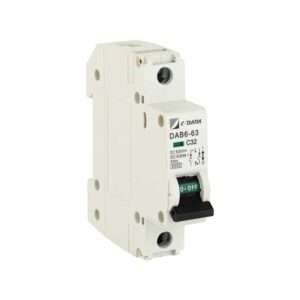
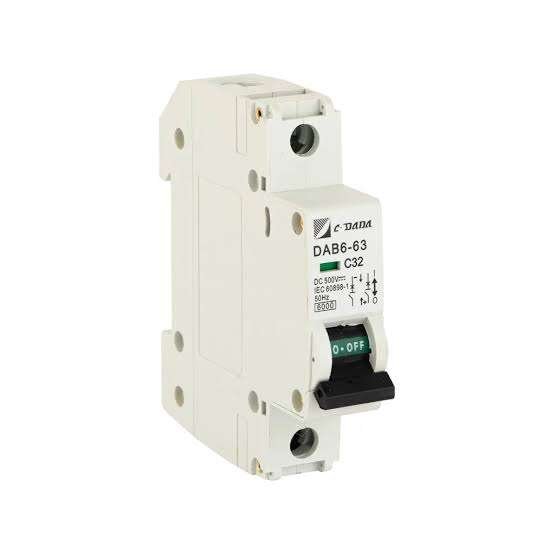
Circuit breakers and fuses are important protective devices in electrical installations.
Their purpose is to interrupt current when specified fault or overcurrent conditions occur. The type of protection and its suitability depend on the circuit, equipment, and installation design.
How does a circuit breaker help?
A circuit breaker is designed to disconnect a circuit when current conditions meet its operating criteria. This can help limit the duration of certain electrical faults and reduce the risk of damage.
What does a fuse do?
A fuse contains a component designed to interrupt the circuit when excessive current causes it to operate. Once a fuse has operated, it must be replaced with the correct type and rating according to the manufacturer’s instructions and applicable requirements.
Why correct selection matters
Protective devices must be suitable for the circuit they protect. An incorrectly selected or poorly maintained device may not provide the intended protection.
Never bypass a circuit breaker, replace a fuse with an unsuitable alternative, or repeatedly reset a breaker without identifying the cause of the problem.
If a protective device trips repeatedly, arrange for a qualified electrician to investigate the underlying fault.
4. Avoid Overloading Electrical Outlets
Overloaded outlets and extension leads can create overheating risks, especially when several high-power appliances are connected to the same supply point.
The actual risk depends on the equipment, circuit capacity, wiring condition, and how the devices are used.
Safer everyday habits
– Follow appliance instructions and electrical ratings.
– Avoid connecting excessive loads to one outlet or extension.
– Do not use damaged extension leads or adapters.
– Keep electrical connections away from water and heat.
– Ask a qualified electrician to assess circuits that regularly become overloaded.
NEPRA specifically warns against overloading electrical switches, sockets, and plugs because overheating can contribute to fire.
Do not rely on an adapter having several outlets as evidence that the circuit can safely supply every connected device.
5. Maintain Appliances and Electrical Equipment
Electrical appliances can become unsafe when damaged, poorly maintained, or used outside their intended conditions.
Equipment in homes and businesses may include refrigerators, air conditioners, computers, fans, heaters, pumps, machinery, chargers, and backup power systems.
Warning signs to recognize
Pay attention to:
– Damaged plugs or power cords
– Unusual burning smells
– Repeated circuit-breaker trips
– Unusual buzzing or crackling sounds
– Visible damage to electrical fittings
– Equipment that becomes unusually hot
– Electrical interruptions associated with a particular appliance
Stop using equipment that appears unsafe and seek professional assessment.
Do not open electrical panels, handle exposed conductors, or attempt internal repairs unless you are appropriately qualified and authorized to perform the work.
Routine maintenance should follow manufacturer guidance and the requirements applicable to the equipment.
6. Make Earthing and Grounding Part of Electrical Safety
Earthing, also called grounding in some contexts, is an important part of many electrical safety arrangements.
A properly designed earthing system provides a path for certain fault currents and works with other protective measures to help reduce electric-shock and fire risks.
However, earthing is not a substitute for suitable circuit protection, correct wiring, or maintenance. The different protective measures need to be designed to work together.
Why professional assessment matters
An earthing system must be suitable for the installation and maintained in appropriate condition. Problems may not be visible during an ordinary walk-through of a building.
Qualified electricians can assess the installation and carry out the tests appropriate to the system.
NEPRA’s Power Safety Code emphasizes the role of earthing and electrical protective devices and calls for maintenance and testing of relevant protective arrangements by qualified electricians.
Do not attempt to create or modify an earthing system yourself. Incorrect electrical work can introduce additional hazards.
7. Arrange Regular Electrical Inspections
Electrical installations can deteriorate over time. Renovations, added appliances, changes in business operations, and environmental conditions may also affect their safety.
Regular inspections can help identify problems before they lead to equipment failure or a fire.
The appropriate inspection schedule depends on the type of premises, installation condition, use, and applicable requirements.
What an inspection may consider
A qualified professional may assess the condition of wiring, sockets, switches, protective devices, distribution boards, earthing arrangements, and other relevant components.
The professional can also determine whether testing is needed and whether the installation remains suitable for its current load.
Homeowners and business managers should keep records of inspections and corrective work. Repeated faults should be investigated rather than treated as isolated inconveniences.
NEPRA advises that internal wiring in homes, shops, and factories should be inspected regularly by a licensed electrician.
8. Take Extra Care With Generators, UPS Units, and Solar Equipment
Backup power equipment is used in many parts of Pakistan. Generators, UPS systems, batteries, solar panels, and inverters can help maintain electricity supply, but they also require suitable installation and maintenance.
Incorrect wiring, unsuitable components, damaged cables, poor ventilation, or inadequate protection can create additional hazards.
Good safety practices
Use equipment according to the manufacturer’s instructions and arrange installation by appropriately qualified professionals.
Ensure that electrical panels, cables, inverters, and other components are suitable for the system’s design and operating conditions.
Keep electrical equipment away from unsuitable environmental conditions and combustible materials, following the installation requirements.
Do not make improvised changes to wiring or connect backup power equipment in ways that bypass approved protective arrangements.
For solar and backup installations, the electrical system should be assessed as a complete installation rather than treating each component as an independent device.
9. Keep Electrical Panels and Surrounding Areas Clear
Electrical panels and service areas need suitable access for inspection, maintenance, and safe operation.
Storing cardboard boxes, paper, cleaning materials, or other combustible items near electrical equipment can increase the consequences of a fault.
Blocked access can also make it more difficult for qualified personnel to inspect or maintain the installation.
Keep these areas organized and follow the clearance and environmental requirements specified for the equipment.
Do not use electrical rooms or panel areas as general storage spaces. Report signs of damage, overheating, unusual smells, or other suspected faults to the responsible person.
If a panel appears unsafe, keep away and arrange appropriate professional assistance.
10. Recognize Warning Signs and Respond Safely
Some electrical problems provide warning signs before they become more serious. These may include unusual smells, damaged fittings, unexpected heating, repeated tripping, or visible damage.
A warning sign does not always mean that a short circuit has occurred, but it does indicate that the equipment may need attention.
What should you do?
Keep away from exposed or damaged electrical components and do not touch equipment that may be energized.
Report the problem to the responsible adult, building manager, or qualified electrician. If there is smoke, fire, or immediate danger, move to safety and contact the appropriate emergency service.
Never attempt to investigate a suspected electrical fault by opening a panel or touching wires.
If an electrical fire occurs, do not use water on energized electrical equipment. Follow the emergency plan and leave the area if it is unsafe. Only trained people should consider using suitable firefighting equipment when conditions permit.
11. What Is the Role of a Fire Alarm System?
Short circuit prevention and fire detection serve different purposes.
Electrical safety measures aim to reduce the likelihood of dangerous faults and limit their consequences. A fire alarm system is designed to provide warning when a fire-related condition is detected or an alarm is manually activated, depending on the system.
A suitable fire alarm system in Pakistan can be an important component of a building’s wider fire-safety plan.
Depending on the building and system design, fire detection and alarm equipment may include detectors, manual call points, a control panel, and audible or visual notification devices.
Why the two measures work together
A building may have appropriate electrical protection but still require fire detection and evacuation arrangements. Conversely, a building with an alarm can remain at risk if its electrical installation is poorly maintained.
A comprehensive approach combines electrical hazard prevention, appropriate protective devices, fire detection, safe escape routes, occupant training, and equipment maintenance.
Fire alarm equipment should be selected, installed, tested, and maintained according to applicable requirements and manufacturer instructions. Larger or more complex systems should be handled by appropriately qualified professionals.
12. A Practical Short Circuit Prevention Checklist
Use this checklist as a general starting point for homes and workplaces.
– [ ] Electrical wiring and equipment are installed appropriately.
– [ ] Visible cables, plugs, and fittings are free from obvious damage.
– [ ] Electrical outlets are not overloaded.
– [ ] Appliances are used according to manufacturer instructions.
– [ ] Repeated circuit-breaker trips are investigated.
– [ ] Earthing and protective devices receive appropriate professional attention.
– [ ] Electrical installations are inspected when required and when concerns arise.
– [ ] Backup power and solar equipment are professionally installed and maintained.
– [ ] Electrical panels and service areas are kept clear.
– [ ] Damaged equipment is not used until assessed.
– [ ] Fire detection and alarm arrangements are suitable for the building.
– [ ] Occupants know how to respond to smoke, fire, or an alarm.
This checklist is not a substitute for electrical testing, a professional risk assessment, or compliance with the requirements applicable to a particular property.
Conclusion
Short circuit prevention works by reducing the conditions that allow electrical faults to develop and ensuring that suitable protective measures are in place.
Correct wiring, suitable circuit breakers and fuses, appropriate earthing, responsible appliance use, and regular professional inspections all contribute to electrical safety.
In Pakistan, homeowners and businesses should pay attention to electrical warning signs and arrange repairs through qualified professionals. NEPRA’s safety guidance and Pakistan’s engineering and building-safety codes provide useful references for understanding these responsibilities.
A fire alarm system can provide another important layer of protection by warning occupants when a fire-related condition is detected. However, it cannot replace electrical maintenance or prevent every short circuit.
The safest approach combines prevention, detection, maintenance, and emergency preparedness. By addressing electrical problems early and maintaining appropriate fire-safety arrangements, property owners can reduce avoidable hazards and better protect the people who use their buildings.
Frequently Asked Questions (FAQs)
1. What causes a short circuit?
A short circuit can occur when electricity follows an unintended path because of damaged insulation, faulty wiring, defective equipment, or unwanted contact between conductors. The resulting current may damage equipment and create overheating or fire risks.
2. How can short circuits be prevented at home?
Use properly installed electrical wiring, avoid overloading outlets, maintain appliances, and arrange regular inspections by a qualified electrician. Never ignore damaged cables, unusual smells, or repeated circuit-breaker trips.
3. Can a circuit breaker prevent every electrical fire?
No. A correctly selected and maintained circuit breaker can help interrupt certain fault or overcurrent conditions, but it cannot eliminate every electrical hazard. Proper wiring, suitable equipment, maintenance, and other protective measures remain important.
4. What should I do if a circuit breaker keeps tripping?
Do not repeatedly reset it without identifying the cause. Stop using equipment associated with the problem if it is safe to do so, and arrange for a qualified electrician to assess the installation.
5. How does a fire alarm system help with electrical fire safety?
A fire alarm system can warn occupants when a fire-related condition is detected. It does not prevent short circuits, so it should be combined with proper electrical installation, maintenance, suitable protective devices, and a clear evacuation plan.