Renting a commercial property is a common choice for businesses in Pakistan. Small shops, offices, restaurants, warehouses, clinics, and retail stores often operate from rented buildings because renting can be more affordable and flexible than purchasing property. However, renting a workplace also brings important responsibilities, especially when it comes to fire safety.
A fire can interrupt business operations, damage valuable equipment, destroy stock, injure people, and create serious financial difficulties. In a shared commercial building, a fire that starts in one rented unit may also affect neighbouring businesses, employees, customers, and residents.
Fire safety should therefore be a priority for every business tenant, regardless of the size of the premises. Business owners need to understand the risks inside their rented space, communicate with landlords about building safety, and make sure employees know what to do during an emergency.
A suitable Fire alarm system in Pakistan can form an important part of a wider fire protection plan, depending on the building’s use, size, occupancy, and applicable regulations. However, alarms alone are not enough. Safe escape routes, suitable fire protection equipment, electrical maintenance, staff training, and regular inspections are also essential.
This article explains why fire safety matters for businesses operating from rented properties, what tenants and landlords should consider, and how practical precautions can help create a safer working environment.
1. Why Fire Safety Matters for Business Renters
Business renters may not own the building, but they still have a responsibility to protect the people who work in or visit their premises. A fire emergency can develop in a shop, office, kitchen, storage room, or electrical area without giving occupants much time to react.
Many commercial properties contain computers, electrical equipment, paper records, packaging, furniture, fabrics, and other materials that may burn. Businesses may also use machinery, cooking appliances, or equipment that produces heat. When these items are not managed safely, they can increase fire risks.
Fire safety is particularly important in rented buildings because tenants often share corridors, staircases, entrances, utility areas, and other facilities with different occupants. If one business blocks a shared exit or ignores a fire hazard, everyone using the building may be affected.
A clear safety plan helps businesses identify potential hazards, report problems promptly, and prepare employees to respond calmly. It also encourages better communication between tenants, property owners, and building managers.
2. Understanding Fire Risks in Rented Commercial Properties
Every business has different fire risks. A small office may mainly face risks from electrical equipment and overloaded sockets, while a restaurant may need to pay particular attention to cooking equipment, heat sources, and grease buildup.
Common fire hazards in rented commercial spaces include:
– Damaged electrical cables, plugs, and sockets.
– Overloaded extension boards and unsafe electrical connections.
– Poorly maintained electrical appliances.
– Paper, cardboard, fabric, and other combustible materials stored near heat sources.
– Unsafe use of cooking or heating equipment.
– Flammable materials stored without appropriate precautions.
– Blocked corridors, staircases, and emergency exits.
– Fire doors that are damaged or unable to close properly.
– Fire alarms or extinguishers that are missing, damaged, or poorly maintained.
– Waste materials allowed to accumulate near equipment or escape routes.
Businesses should assess their actual activities instead of relying on a generic checklist alone. For example, a warehouse storing packaging materials may need a different approach from a customer-facing shop or a small accounting office.
Tenants should report building-related problems to the landlord or property manager and avoid attempting technical repairs themselves.
3. The Role of a Fire Alarm System
Early warning is an important part of workplace fire safety. When people receive a timely warning, they have a better opportunity to leave the affected area and follow the building’s emergency procedure.
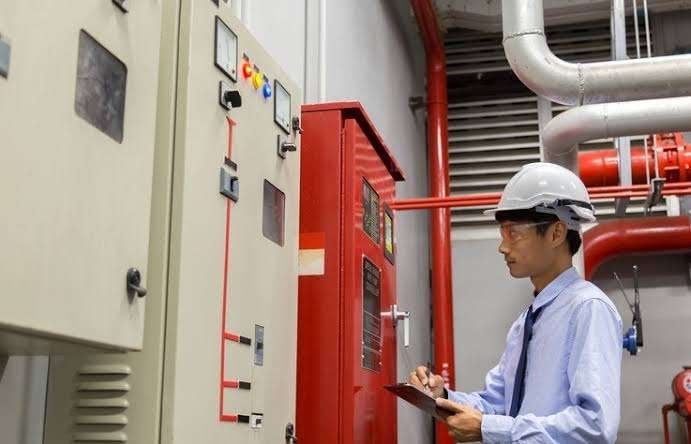
A fire alarm arrangement may include smoke or heat detectors, manual call points, a control panel, audible alarms, visual indicators, and other components. The correct design depends on the building’s size, layout, occupancy, fire risks, and applicable requirements.
For businesses researching a Fire alarm system in Pakistan, it is important to look beyond the initial purchase price. The system should be suitable for the premises, professionally installed where required, tested correctly, and maintained according to its design and applicable standards.
A small rented office might use a different arrangement from a multi-storey commercial building. A large building with multiple tenants may require coordinated alarm coverage and clear evacuation instructions so that people in different areas can respond appropriately.
Business tenants should ask the property owner or building manager:
– Is there an alarm system serving the rented unit and shared areas?
– Who is responsible for testing and maintenance?
– How should a fault be reported?
– What should employees do when the alarm sounds?
– Are the emergency instructions suitable for the building’s current use?
Never assume that an alarm is working simply because it is installed. Faults should be reported promptly, and any required inspection or repair should be arranged by a qualified professional.
4. Clarifying Responsibilities Between Tenants and Landlords
One of the most important aspects of fire safety in rented properties is understanding who is responsible for each safety measure.
Landlords or property managers generally have responsibilities relating to the building’s structure, shared facilities, and building-wide safety arrangements, subject to the lease and applicable laws. These may include maintaining common escape routes, addressing structural defects, and arranging required inspections or repairs.
Business tenants are responsible for managing hazards created by their own activities and following the safety conditions that apply to their premises. They should keep their work areas orderly, use equipment safely, avoid obstructing exits, and ensure employees understand emergency procedures.
However, responsibilities are not identical for every property. They can depend on local regulations, the lease agreement, the building’s approved use, and the specific safety system involved.
Before signing a rental agreement, businesses should discuss fire safety with the property owner. The agreement should clearly explain who maintains alarms, extinguishers, emergency lighting, fire doors, and shared escape routes.
If a safety defect is discovered after moving in, report it in writing and keep a record of the communication. Serious hazards should be escalated promptly to building management and the relevant authority where appropriate.
5. Keeping Emergency Exits and Escape Routes Clear
A fire alarm can warn occupants about danger, but people must also have a safe way to leave the building. Clear escape routes are therefore essential for every rented business property.
Tenants should make sure that boxes, stock, furniture, delivery items, and waste do not block doors, corridors, or staircases. Items should not be stored in emergency exit routes simply because there is limited space inside the rented unit.
Emergency doors should be accessible and used according to the building’s safety arrangements. Tenants should never lock or obstruct a designated emergency exit in a way that prevents people from leaving during an emergency.
Employees should know the nearest suitable exit and understand whether another route is available if the normal route becomes unsafe. They should also know where to gather after evacuation.
Landlords and building managers should address problems involving shared corridors, staircases, exit signs, emergency lighting, and fire doors. Tenants should report damaged doors, unclear signs, and other problems rather than assuming someone else will deal with them.
6. Fire Extinguishers and Other Fire Protection Equipment
Fire extinguishers can be useful for certain small fires when the equipment is appropriate and the person using it has received suitable training. However, extinguishers are not a replacement for evacuation, alarms, or professional emergency response.
The type and placement of fire extinguishers should reflect the possible fire hazards. Different fires require different extinguishing methods, and an unsuitable extinguisher can create additional danger. For example, electrical equipment requires precautions different from those used for ordinary combustible materials.
Business tenants should confirm that required equipment is available, accessible, clearly identified, and maintained. They should not move extinguishers from their designated locations or allow stock to block access to them.
Other protective measures may include emergency lighting, exit signs, fire doors, automatic detection, suppression equipment, and firefighting water supplies. Not every building requires the same combination of systems, so the arrangement should be determined by a competent assessment and applicable rules.
In a rented commercial building, both tenants and management should understand which equipment serves individual units and which equipment protects shared areas.
7. Training Employees to Respond to Fire Emergencies
Equipment is only one part of an effective fire safety plan. Employees must also know how to respond when something goes wrong.
Every business should explain its evacuation procedure to staff and provide appropriate training. New employees should receive basic safety information before working independently, while existing employees should receive refresher guidance when procedures or workplace conditions change.
Training should cover:
– How to raise the alarm and report a fire.
– What the building’s alarm sounds like.
– Where the available exits are located.
– Which escape route to use.
– Where to assemble after leaving the building.
– How to report a fire hazard.
– Why elevators should not be used during a fire unless an approved emergency procedure specifically permits their use.
– Why employees should not re-enter the building until authorised.
Businesses should also consider the needs of visitors, customers, contractors, and people who may require assistance during evacuation.
Practice drills can help employees become familiar with the procedure. The frequency and format should suit the workplace, its risks, and applicable requirements. Any drill should be properly organised so that it does not create unnecessary hazards.
8. Electrical Safety in Rented Workplaces
Electrical faults are an important risk to manage in offices, retail units, workshops, and other commercial premises.
Businesses should use suitable electrical equipment, avoid overloading sockets, and stop using equipment that has damaged cables, unusual heating, or other signs of a fault. Temporary wiring should not be treated as a permanent solution to insufficient electrical capacity.
Tenants should also pay attention to electrical installations that were already present when they rented the property. If wiring, distribution boards, or sockets appear damaged or unsafe, the issue should be reported to the landlord or property manager.
Repairs and inspections should be completed by appropriately qualified electrical professionals. Employees should not open electrical panels or attempt repairs beyond their training and authority.
Good housekeeping is equally important. Keep combustible materials away from electrical equipment and heat-producing appliances, and follow the manufacturer’s instructions for safe operation.
These precautions can reduce avoidable hazards and help protect both the business and neighbouring occupants.
9. Legal Compliance and Fire Safety in Pakistan
Businesses renting commercial properties in Pakistan should understand that fire safety requirements can vary according to location, building type, occupancy, height, and intended use.
The Building Code of Pakistan Fire Safety Provisions 2016 contains requirements relating to fire detection, alarm systems, means of escape, and other fire protection measures. Its provisions address different occupancy categories, so the applicable requirements should be checked for the specific building.
Local authorities may also enforce additional or amended regulations. For example, changes to building safety rules and enforcement measures can affect commercial premises in different provinces. Businesses should not assume that the same checklist applies to every city or type of property.
Before leasing a commercial unit, it is sensible to ask for relevant building approvals and available fire safety inspection records. Businesses should also confirm that the property is approved or suitable for the intended activity.
A lease agreement alone does not prove that a building meets all applicable fire safety requirements. When requirements are unclear, consult the relevant building control authority or a qualified fire safety professional.
For general information about fire protection products, safety planning, and related services, businesses can visit “FireSafetyTrading.com.pk” (https://firesafetytrading.com.pk/). Specific compliance decisions should still be based on the applicable regulations and professional assessment.
10. How Fire Safety Protects Business Continuity
A fire incident can create consequences that continue long after the immediate emergency. Stock may be damaged, equipment may need replacement, records may be lost, and employees may be unable to work while the premises are repaired.
Customers may also lose confidence if a business appears unprepared for emergencies. Depending on the circumstances, a fire can lead to temporary closure, contractual difficulties, insurance questions, and unexpected expenses.
A planned approach to fire safety helps businesses prepare for these risks. It encourages them to protect important records, manage equipment properly, maintain suitable insurance, and understand how operations could continue if the rented premises became temporarily unavailable.
Businesses should keep essential emergency contacts accessible and establish a communication plan for employees and customers. They should also understand the relevant terms of their insurance policies rather than assuming every fire-related loss will automatically be covered.
Although no plan can remove every risk, sensible preparation can help limit disruption and support a more organised recovery.
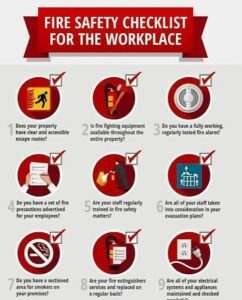
11. Creating a Practical Fire Safety Checklist for Renters
Business tenants can improve workplace safety by following a simple, regular checklist. The checklist should reflect the type of business, the layout of the property, and the relevant safety requirements.
Before renting a property:
– Inspect the available exits and shared escape routes.
– Ask about alarms, extinguishers, emergency lighting, and other required safety arrangements.
– Discuss maintenance responsibilities with the landlord.
– Review available inspection and compliance records.
– Confirm that the premises are suitable for the intended business activity.
During normal operations:
– Keep corridors, staircases, and exits clear.
– Report electrical faults and damaged safety equipment.
– Store combustible materials responsibly.
– Keep fire protection equipment accessible.
– Train employees on evacuation procedures.
– Follow building rules and report hazards promptly.
During periodic reviews:
– Confirm that reported problems have been addressed.
– Check whether changes to the layout or business activity affect safety.
– Review employee awareness and evacuation arrangements.
– Coordinate with management about inspections and required maintenance.
This checklist is a starting point, not a substitute for a professional fire risk assessment or legal compliance review.
Conclusion
Fire safety is a shared responsibility in rented commercial properties. Although business tenants may not own the building, they can still influence how safely the workplace operates by managing daily hazards, keeping escape routes clear, training employees, and reporting maintenance problems.
Landlords and property managers also play an important role in maintaining building-wide safety measures and clarifying responsibilities. Cooperation between all parties helps ensure that important problems are not overlooked.
A suitable fire alarm arrangement, appropriate extinguishers, safe electrical installations, clear exits, and regular training all contribute to a stronger safety plan. Businesses should also understand the fire safety requirements that apply to their specific premises in Pakistan.
When fire safety becomes part of everyday business management rather than an afterthought, it helps protect people, property, valuable assets, and business continuity.
Frequently Asked Questions (FAQs)
1. Why is fire safety important for businesses renting a property?
Fire safety helps protect employees, customers, equipment, stock, and neighbouring occupants. It also supports emergency preparedness, reduces avoidable hazards, and can help limit disruption following a fire incident.
2. Who is responsible for fire safety in a rented commercial building?
Responsibilities depend on the lease agreement, applicable regulations, and the type of safety measure involved. Landlords or property managers generally oversee building-wide facilities, while tenants should manage hazards created by their business activities and report safety defects promptly.
3. Do rented offices and shops need a fire alarm system in Pakistan?
Requirements depend on factors such as occupancy type, building height, number of occupants, and applicable local regulations. Businesses should confirm the requirements for their specific premises with the relevant authority or a qualified fire safety professional.
4. What fire safety equipment should a rented business premises have?
Depending on its risks and applicable requirements, a business premises may need fire alarms, detection devices, suitable extinguishers, emergency lighting, exit signs, fire doors, or other protective systems. The correct arrangement should be determined through an appropriate assessment.
5. How can business tenants improve fire safety without owning the building?
Tenants can keep escape routes clear, use electrical equipment safely, store materials properly, train employees, learn evacuation procedures, and report damaged alarms or other hazards. They should also communicate with the landlord or building manager about inspections, repairs, and maintenance.