Apartment living offers convenience, shared facilities, and efficient use of space. However, it also creates fire safety challenges that residents may overlook. A fire in one apartment can affect neighbouring homes, shared corridors, stairways, and other parts of the building. Smoke may travel through hallways and service openings, making early detection and a clear evacuation plan especially important.
Many people assume that fire safety is the responsibility of building management alone. In reality, keeping an apartment safe requires cooperation between residents, landlords, property managers, and qualified fire safety professionals. Simple habits, such as avoiding overloaded electrical sockets, keeping exits clear, and testing smoke alarms, can make a meaningful difference.
The safety secret many residents miss is that fire prevention, early warning, and a reliable escape plan must work together. Fire extinguishers and alarm systems are valuable, but they cannot replace safe behaviour or emergency preparedness.
This guide explains how apartment fires can be prevented, how residents can prepare for emergencies, and why a properly designed fire alarm system in Pakistan is an important consideration for suitable residential buildings.
1. Why Is Apartment Fire Safety So Important?
Apartment buildings contain several households in a relatively small area. Residents may share entrances, stairways, parking areas, electrical service spaces, and utility rooms. Although these shared facilities are convenient, a fire or blocked escape route can affect many people at once.
Common apartment fire hazards include:
– Faulty electrical wiring and damaged appliances.
– Overloaded extension leads and power sockets.
– Unattended cooking and overheated cooking oil.
– Improper use of gas appliances.
– Unsafe storage of combustible materials.
– Candles and other open flames left unattended.
– Blocked stairways, corridors, and emergency exits.
– Poor maintenance of shared fire protection equipment.
In a multistorey building, residents may also be unfamiliar with alternative exits or the location of firefighting equipment. Visitors and new tenants may not know the building’s evacuation procedures.
Apartment fire safety should therefore begin before an emergency occurs. Residents need to understand the risks within their own homes and the safety arrangements provided by building management.
2. Understand the Most Common Fire Hazards
Recognising everyday hazards is one of the simplest ways to improve safety.
Electrical problems
Electrical faults can develop when wiring is damaged, connections become loose, or too many appliances are connected to one outlet. Poor-quality electrical accessories and unqualified repair work can increase the risk.
Residents should avoid using damaged cables and should not ignore burning smells, unusual heat, sparks, or repeatedly tripping circuit breakers. A qualified electrician should inspect suspected faults.
Do not attempt repairs on live electrical equipment. If a serious electrical problem develops, keep away from the affected area and notify building management or a qualified professional.
Kitchen fires
Cooking is a common source of household fire risk. Leaving cooking unattended, allowing grease to accumulate, or placing combustible materials near a hot stove can create dangerous conditions.
Keep towels, paper, packaging, and other flammable items away from cooking appliances. Turn off appliances when they are no longer needed, and avoid leaving active cooking unattended.
Never pour water onto burning cooking oil. If a fire develops and cannot be managed safely, leave the apartment, alert others, and call emergency services.
Gas appliances
Some apartments use gas appliances or cylinders, depending on the building’s design and available services. Incorrect installation, poor maintenance, and unsafe handling can create serious risks.
Use qualified technicians for installation and repairs. Follow the appliance manufacturer’s instructions and the building’s rules for gas equipment.
If you suspect a gas leak, avoid flames and electrical switches. Leave the affected area and contact the appropriate gas or emergency service from a safe location.
Charging devices and batteries
Phones, laptops, power banks, and other rechargeable devices should be used according to their manufacturers’ instructions. Avoid charging damaged equipment or using incompatible chargers.
Keep charging devices away from bedding and other combustible materials, and do not ignore signs of overheating or damage.
3. The Role of a Fire Alarm System in an Apartment Building
Early warning is a fundamental part of fire safety. Smoke may spread beyond the room where a fire begins, and residents may not immediately notice a developing emergency, particularly while sleeping.
A fire alarm system detects signs of fire through suitable devices and alerts people so they can take appropriate action. Depending on the building, the system may include smoke detectors, heat detectors, manual alarm points, sounders, control panels, and connections to other safety equipment.
The design depends on the building’s size, height, layout, occupancy, and applicable fire safety requirements.
Smoke alarms inside apartments
Suitable smoke alarms can provide an early warning within an individual apartment. Residents should follow the manufacturer’s recommendations for placement, testing, battery replacement, and maintenance.
An alarm should never be disabled simply because cooking fumes or steam cause repeated false alerts. Instead, review its location and suitability according to the manufacturer’s guidance.
Shared building alarm systems
Larger residential buildings may require a professionally designed system that alerts residents and building management when a fire is detected. Depending on the design, it may support coordinated evacuation and emergency response.
A building’s alarm arrangement should be assessed by qualified professionals and maintained according to applicable requirements.
Why professional installation matters
Poorly positioned detectors, unsuitable equipment, incorrect wiring, and neglected maintenance can affect system performance. Building management should arrange suitable installation, commissioning, inspection, and testing.
For property owners researching a fire alarm system in Pakistan, the priority should be choosing equipment and services that match the building’s requirements rather than selecting a system based only on price.
4. Keep Corridors, Stairways, and Exits Clear
A clear escape route can be critical during an emergency. Unfortunately, residents sometimes place shoes, bicycles, boxes, furniture, or rubbish in shared corridors and stairways.
These items may obstruct movement, reduce the available escape space, and create additional combustible material.
Residents and building managers should make sure that:
– Stairways and corridors remain free of stored belongings.
– Emergency exit doors are accessible and function correctly.
– Exit signs are visible where required.
– Fire doors are not wedged open or altered.
– Access to firefighting equipment remains unobstructed.
– Parking and service areas do not block emergency access.
– Residents know the designated evacuation routes.
Never lock, obstruct, or misuse an emergency exit. If a route is blocked or an exit door is damaged, report the problem to building management promptly.
5. Learn the Correct Way to Evacuate
A fire emergency is not the time to discover how to leave the building. Every resident should understand the primary escape route and know what alternatives are available.
Use stairs rather than lifts
During a fire alarm, use the designated emergency stairs unless emergency responders give different instructions. Ordinary lifts may become unsafe or stop operating during an emergency.
Do not assume the nearest lift lobby is a safe waiting area. Follow the building’s evacuation plan and instructions from emergency personnel.
Leave promptly
If a fire occurs inside your apartment, alert other occupants and leave by the nearest safe route. Close the door behind you if it is safe to do so, without locking yourself or others inside.
Do not delay to collect valuables, documents, or electronic devices.
Avoid smoke-filled routes
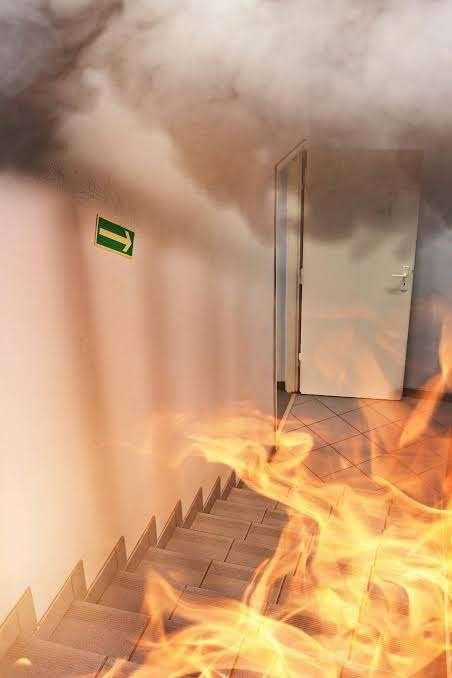
Smoke can make a route unsafe even when flames are not visible. Do not enter a smoke-filled corridor or stairway to investigate. If your planned exit is unsafe, follow the building’s emergency plan, use an alternative safe route if available, and contact emergency services.
Gather at a safe location
Building management should identify a suitable outdoor assembly point where residents can gather without obstructing emergency vehicles.
Tell emergency responders if someone may still be inside. Never re-enter the building until authorities confirm that it is safe.
6. What Should You Do If a Fire Starts Inside Your Apartment?
The right response depends on the circumstances, but protecting people must always come first.
Follow these general principles:
1. Alert everyone in the apartment and activate the building’s alarm if it is safe to do so.
2. Leave immediately using a safe exit.
3. Avoid smoke and do not enter areas where visibility is poor.
4. Close doors behind you when safe, without delaying your escape.
5. Call the local emergency service from a safe location.
6. Warn building management and other residents using the established alarm or communication procedure.
7. Do not return for personal belongings.
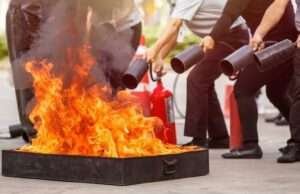
Only trained adults should consider using an extinguisher on a very small, contained fire when they know how to operate it, the correct equipment is available, and they have a clear escape route. If there is any doubt, evacuate instead.
Children and teenagers should not be expected to fight fires. Their priority is to alert a responsible adult, leave safely, and follow emergency instructions.
7. Fire Extinguishers: A Useful but Limited Safety Measure
Fire extinguishers can help control certain small fires, but different types are designed for different hazards. The wrong extinguisher may be ineffective or dangerous.
For apartment buildings, management should determine which extinguishers are appropriate for common areas and other designated locations. Equipment should be certified, accessible, clearly identified, and professionally maintained.
Residents should never move communal firefighting equipment without permission or use it for purposes other than emergencies.
An extinguisher must not obstruct an exit or be placed where someone would have to move closer to a fire to retrieve it. Its presence also does not mean residents should remain in a dangerous area.
Never use water on burning cooking oil or potentially live electrical equipment. When a fire spreads, smoke builds up, or the situation is uncertain, evacuation is the safer priority.
8. Maintain Fire Safety Equipment Regularly
Installing fire safety equipment is only the beginning. Alarms, extinguishers, emergency lighting, and other protection systems need appropriate inspection and maintenance.
Building management should establish a maintenance schedule that follows the manufacturer’s instructions, professional recommendations, and applicable regulations.
Important tasks include:
– Testing alarms according to the approved schedule.
– Inspecting detectors, control panels, and notification devices.
– Checking emergency lighting and exit signs where installed.
– Arranging professional inspection of extinguishers.
– Keeping records of inspections, faults, repairs, and servicing.
– Addressing reported defects without unnecessary delay.
– Informing residents when essential safety equipment is temporarily unavailable.
Residents should report alarm faults, damaged exit doors, missing signs, or blocked equipment immediately. Do not attempt to repair shared alarm systems yourself.
9. Apartment Fire Safety for Families With Children
Children should understand basic fire safety without being made responsible for managing emergencies.
Parents and caregivers can teach children to recognise the sound of a smoke alarm, identify the main exit, and follow instructions from responsible adults.
Families should explain that children must never hide during an evacuation or return inside to collect toys, schoolbooks, or electronic devices.
Practise leaving the apartment and reaching the designated meeting point. Keep the activity calm and age-appropriate, and explain what to do if the usual route is unsafe.
Young children, older adults, and residents with disabilities may need additional assistance. Families should discuss realistic arrangements with building management and make sure everyone knows how to request help.
10. The Responsibilities of Apartment Owners and Building Managers
Fire safety works best when residents and management share responsibility.
Responsibilities of building management
Depending on the building and applicable rules, management may need to arrange:
– Inspection and maintenance of common fire protection equipment.
– Functional alarms and appropriate notification arrangements.
– Clear and accessible escape routes.
– Safe maintenance of shared electrical and utility areas.
– Emergency plans and resident information.
– Coordination with relevant authorities and qualified professionals.
– Appropriate drills and safety education where required.
Building management should also provide residents with clear information about alarm signals, emergency exits, assembly points, and procedures for reporting hazards.
Responsibilities of residents
Residents should keep their apartments reasonably free from avoidable fire hazards, follow building safety rules, avoid blocking common areas, and report damaged equipment.
They should not modify fire doors, detectors, sprinklers, or other protective equipment without proper authorisation and professional advice.
Renters should report unresolved safety concerns to their landlord or property manager and seek guidance from the relevant local authority when necessary.
11. Fire Safety Regulations in Pakistan
Pakistan’s Building Code of Pakistan (Fire Safety Provisions–2016) provides a national framework addressing fire prevention, life safety, building protection, and related requirements. The Pakistan Engineering Council developed the provisions in collaboration with the National Disaster Management Authority.
The code includes matters related to fire protection systems and safe means of escape. However, the requirements applicable to a particular apartment building depend on its characteristics, occupancy, location, and the rules enforced by the relevant authority.
Residents should not assume that every building has identical obligations. Owners, developers, and management committees should consult qualified fire safety professionals and the relevant building control authority to determine the applicable requirements.
A professionally assessed fire alarm system in Pakistan can support residential fire safety where required or appropriate, but the system must be correctly designed, installed, tested, and maintained.
12. A Practical Apartment Fire Safety Checklist
Use this checklist to review your apartment and shared building facilities.
Inside your apartment
– [ ] Suitable smoke alarms are installed where recommended.
– [ ] Alarms are tested and maintained according to their instructions.
– [ ] Electrical cables and appliances are in good condition.
– [ ] Cooking areas are kept clear of combustible materials.
– [ ] Gas appliances are maintained by qualified personnel.
– [ ] Household members know how to leave safely.
– [ ] The main exit is not obstructed by furniture or belongings.
In shared areas
– [ ] Corridors and stairways are clear.
– [ ] Emergency exits are accessible.
– [ ] Exit signs and emergency lighting are maintained where installed.
– [ ] Fire alarms and other shared safety equipment are inspected.
– [ ] Extinguishers and other required equipment are accessible.
– [ ] Residents know the evacuation procedure and assembly point.
– [ ] Faults are reported to building management.
For the whole family
– [ ] Everyone recognises the sound of the alarm.
– [ ] Children know to leave rather than fight a fire.
– [ ] Everyone knows the designated meeting point.
– [ ] Emergency contact information is available.
– [ ] Alternative arrangements exist for anyone needing assistance.
Review the checklist regularly and whenever a resident moves in, the building layout changes, or equipment is replaced.
Conclusion
Apartment fire safety is not just about installing an alarm or keeping an extinguisher nearby. It requires prevention, early detection, safe escape routes, proper maintenance, and cooperation between residents and building management.
Start by checking your apartment for everyday hazards, learning the designated evacuation routes, and confirming that smoke alarms and shared safety equipment are maintained. Report blocked stairways, damaged exit doors, and faulty alarms promptly.
For anyone evaluating a fire alarm system in Pakistan, professional assessment is essential to identify the appropriate solution for the building. Fire safety requirements can vary, so equipment should be selected and maintained according to the applicable rules.
The most important lesson is simple: prepare before an emergency, leave promptly when danger arises, and never put property ahead of human life.
Frequently Asked Questions (FAQs)
1. What is the most important apartment fire safety measure?
A combination of prevention, working smoke alarms, clear escape routes, and a practised evacuation plan is essential. Residents should also understand the building’s emergency procedures and report safety problems promptly.
2. Should apartment buildings have a fire alarm system?
The need and design depend on the building’s size, height, occupancy, applicable regulations, and professional assessment. Larger or multistorey residential buildings may require more comprehensive detection and notification arrangements.
3. Should I use a lift during an apartment fire?
Do not use ordinary lifts during a fire alarm. Follow the designated evacuation route and use emergency stairs when safe, unless emergency responders provide different instructions.
4. Who is responsible for fire safety in an apartment building?
Responsibility is shared. Building owners and managers generally oversee common safety systems and shared escape routes according to applicable requirements, while residents should follow safety rules, maintain their own apartments, and report hazards.
5. What should I do if the apartment corridor is filled with smoke?
Do not enter a smoke-filled corridor. Follow the building’s emergency plan, seek a safer route if one is available, and contact emergency services. Tell responders your exact location and follow their instructions.