Fire safety is an important part of maintaining a safe and comfortable home, particularly for older adults who may need extra time or assistance during an emergency. Changes in mobility, hearing, vision, or balance can sometimes make it more difficult to recognise a warning, move through a building, or reach an exit quickly.
However, every older adult has different needs. Some live independently, while others live with family members, caregivers, or in residential facilities. A good fire safety plan should respect individual preferences while addressing any practical challenges that could arise during an emergency.
In Pakistan, household fire risks can include electrical faults, unattended cooking, damaged appliances, gas-related hazards, and unsafe heating equipment. These risks can often be reduced through sensible precautions, regular maintenance, and early warning devices.
A suitable Fire alarm system in Pakistan can help alert occupants when a potential fire is detected. For older adults, the warning must also be accessible and understandable. Someone who cannot hear a standard alarm clearly may need an alternative alert, while a person with limited mobility may need additional planning to evacuate safely.
This beginner’s guide explains how families can reduce fire hazards, select appropriate alarms, prepare accessible escape routes, and support older adults in responding to emergencies.
1. Understanding Fire Safety Needs for Older Adults
The first step in improving fire safety is to understand the person’s individual circumstances. Age alone does not determine how much assistance someone needs.
Some older adults may move independently but have difficulty hearing alarms. Others may use a walking frame, wheelchair, or cane. Some may need help remembering an emergency procedure or navigating a building at night.
Mobility considerations
Stairs, narrow hallways, heavy doors, and cluttered pathways can make evacuation more difficult for people with limited mobility.
Keep walking aids in an accessible location and ensure that escape routes remain free of obstacles. If stairs present a challenge, discuss suitable emergency arrangements with building management or a qualified fire safety professional.
Hearing and vision considerations
A standard audible alarm may not be enough for someone with significant hearing loss. Visual alerts or suitable vibrating warning devices may provide additional assistance.
People with limited vision may benefit from consistent furniture arrangements, good lighting, and clear pathways to exits.
Memory and communication considerations
An unfamiliar emergency procedure can cause confusion. Simple written reminders, repeated practice, and clear communication can help people understand what to do.
The plan should be explained in a respectful way, and the older adult should be involved in decisions about their safety.
2. Identify Common Fire Hazards at Home
Recognising everyday hazards is an effective starting point for prevention.
Electrical faults
Damaged wiring, overloaded sockets, loose connections, and defective appliances can cause overheating or electrical fires.
Check visible plugs and cables for damage. Avoid connecting too many appliances to an extension board, and arrange professional repairs when electrical equipment shows signs of a fault.
Never ask an older adult to repair exposed wiring or dismantle electrical fittings. A qualified electrician should inspect and repair faulty installations.
Cooking equipment
Cooking can create a fire hazard if a stove or other appliance is left unattended.
Practical precautions include:
– Staying in the kitchen while cooking.
– Using a timer as a reminder.
– Keeping paper, cloth, and loose clothing away from heat.
– Turning appliances off after use.
– Keeping frequently used kitchen items within comfortable reach.
– Asking for help when a task becomes difficult to manage safely.
If cooking has become challenging, families can discuss safer arrangements without unnecessarily limiting the person’s independence.
Gas appliances
Gas stoves and other gas appliances should be installed and maintained appropriately. If a gas leak is suspected, avoid flames and do not operate electrical switches in the affected area. Leave the area and contact the relevant emergency service from a safe location.
Heating equipment
Use heaters only according to the manufacturer’s instructions. Keep combustible materials away from hot surfaces, and never use outdoor heating equipment indoors unless it is specifically designed for indoor use.
Clutter and trip hazards
Loose rugs, electrical cables, shoes, boxes, and furniture can obstruct an escape route.
Keep corridors and doorways clear, secure loose cables, and arrange furniture to support easy movement.
3. Install and Maintain Suitable Smoke Alarms
Smoke alarms are among the most important components of household fire safety. They detect smoke and provide a warning that may give occupants time to respond.
A Fire alarm system in Pakistan may refer to a simple household smoke alarm or a larger, professionally designed system for a multi-storey residential building. The appropriate option depends on the property, its layout, and the needs of its occupants.
Choose suitable locations
General fire safety guidance recommends smoke alarms inside bedrooms, outside separate sleeping areas, and on every level of a home. Follow the manufacturer’s installation instructions and applicable local requirements.
Alarms should be placed where they can detect smoke effectively. Poor placement may delay detection or lead to frequent nuisance alarms.
Consider accessible alerts
For someone who cannot hear a standard alarm reliably, consider compatible equipment that provides a visual warning or a vibrating alert.
Interconnected alarms may also help by allowing a warning in one area to activate other connected devices. The best arrangement depends on the home and the person’s needs.
Test alarms regularly
Test alarms according to the manufacturer’s instructions, commonly once a month. Replace batteries as directed, keep devices free of dust, and replace units when they reach the end of their service life.
If reaching the alarm is difficult or unsafe, ask a family member, caregiver, or qualified professional to help.
Do not rely on alarms alone
Smoke alarms provide warnings, but they do not prevent fires or guarantee a safe evacuation. Safe electrical practices, suitable cooking habits, accessible exits, and a rehearsed emergency plan are also necessary.
4. Create an Accessible Escape Plan
An escape plan should be realistic for the person who will use it. A route that is suitable for someone who can run downstairs may not be suitable for someone using a wheelchair or walking aid.
Identify the main exit
Choose a primary escape route that is easy to recognise and use. Make sure doors can be opened safely and that the route remains clear.
Where possible, identify an alternative route in case the main route is blocked by smoke or fire.
Assess stairs and doorways
Heavy doors, narrow passages, and steep stairs may create additional difficulties. Discuss these barriers in advance rather than waiting until an emergency occurs.
If the home is part of a larger building, consult building management about the designated evacuation procedure.
Keep mobility aids accessible
Walking sticks, walkers, and other mobility equipment should be kept in a predictable place where they can be reached without crossing a hazardous area.
Do not store these items behind furniture or in a blocked corridor.
Choose an outdoor meeting point
Select a safe place outside the home where family members can meet after evacuating. Everyone should know its location.
If someone may still be inside, tell emergency responders. Never re-enter the building to search for a person or collect belongings.
Practise the plan
Walk through the escape route together when conditions are safe. Identify difficulties such as poor lighting, difficult locks, or obstacles.
Practise at a comfortable pace and make adjustments if the route is unsuitable.
5. Improve Kitchen Fire Safety
The kitchen deserves special attention because it combines heat, cooking equipment, electrical appliances, and sometimes gas.
Stay attentive while cooking
Use timers or reminders when needed, and avoid leaving cooking unattended. If the person finds standing for long periods difficult, consider safe ways to prepare ingredients while seated or arrange help with demanding tasks.
Keep the cooking area organised
Keep towels, paper packaging, and other combustible items away from heat sources. Frequently used utensils should be stored where they can be reached comfortably.
Avoid storing items above hot cooking surfaces if retrieving them could create a risk.
Maintain appliances
Follow the manufacturer’s instructions for cleaning and maintenance. Stop using an appliance if it produces unusual heat, smoke, sparks, or a burning smell, provided it is safe to do so.
Arrange professional inspection before using it again.
Know how to respond to a cooking fire
Never pour water onto burning cooking oil. Do not carry a burning pan or attempt a risky repair.
Warn other occupants, leave the area, evacuate if necessary, and contact emergency services from a safe location.
6. Reduce Electrical Fire Risks
Electrical safety is important in homes that use fans, air conditioners, heaters, chargers, kitchen appliances, and backup power equipment.
Avoid overloaded sockets
Do not connect more equipment to a socket or extension board than it is designed to support. High-power appliances should be used according to their ratings and instructions.
Replace damaged cables
Frayed cables, cracked plugs, exposed wires, and discoloured sockets need attention. Stop using the affected equipment when safe and arrange professional repair or replacement.
Use compatible electrical products
Choose suitable chargers and appliances from reputable suppliers. Keep electrical equipment away from water, and do not use damaged devices simply because they still appear to work.
Arrange professional inspections
If the home has old wiring, recurring circuit-breaker trips, or frequent electrical problems, ask a qualified electrician to inspect the installation.
Never bypass a protective device or replace it with a higher-rated device simply to stop it from tripping.
7. Make the Home Easier to Navigate
A home that is easy to navigate during everyday activities is often easier to evacuate during an emergency.
Improve lighting
Ensure that hallways, stairs, entrances, and routes to exits have suitable lighting. Consider whether additional lighting would help someone who has difficulty seeing in low-light conditions.
Keep pathways clear
Remove unnecessary objects from corridors and doorways. Secure loose rugs and organise cables so they do not create trip hazards.
Make doors easier to use
Doors on escape routes should be easy to open safely. If door hardware presents a difficulty, seek appropriate professional advice before making modifications.
Never install a lock or device that could prevent occupants from escaping.
Keep emergency information accessible
Store emergency contact details in a familiar location. Family members and caregivers should know whom to contact if an incident occurs.
Avoid delaying evacuation to find a telephone, collect documents, or retrieve personal belongings.
8. How Family Members and Caregivers Can Help
Family members and caregivers can support safety through communication, regular checks, and practical assistance.
Discuss needs respectfully
Ask the older adult what would make them feel safer. They may already have routines that can be incorporated into the emergency plan.
Avoid assuming that every older adult needs the same level of support.
Agree on responsibilities
Decide who will test alarms, arrange repairs, check escape routes, and help with maintenance. Responsibilities should be realistic and clearly understood.
If the older adult lives alone, regular communication may provide reassurance, but it should not replace suitable alarms and an emergency plan.
Plan for assistance
If the person may need help evacuating, identify possible assistance arrangements in advance. Do not rely entirely on a particular person who might be unavailable during an emergency.
For more complex needs, consult building management or an appropriate fire safety professional.
Review the plan
Revisit the plan when mobility, hearing, vision, living arrangements, or household equipment changes.
A useful plan should remain practical as the person’s needs evolve.
9. Fire Safety in Apartments and Shared Buildings
Older adults living in apartments or multi-storey buildings may depend on shared fire safety arrangements as well as household precautions.
Residents should know where the designated exits are located and understand what to do when a building alarm sounds.
Shared corridors and staircases must remain clear. Boxes, furniture, and other stored items should not obstruct escape routes.
Building management should arrange required inspections and maintenance of shared alarms and other fire protection equipment.
If an older resident may need assistance during evacuation, they should discuss appropriate arrangements with building management before an emergency occurs.
The correct procedure can vary depending on the building’s design and official instructions. Residents should follow the building’s approved emergency plan and guidance from emergency responders.
10. What to Do When a Fire Alarm Sounds
A clear response plan helps reduce confusion and unnecessary delays.
1. Take the alarm seriously. Do not assume it is a false alarm.
2. Warn others if it is safe. Tell nearby family members or caregivers.
3. Leave by a safe route. Avoid smoke and flames.
4. Follow the agreed assistance plan. If help is needed, use the arrangements made in advance.
5. Contact emergency services from a safe location.
6. Stay outside. Do not return inside until emergency responders confirm it is safe.
If smoke blocks the planned route, do not move towards it. Use a safer alternative if one is available and contact emergency services for assistance.
Do not delay evacuation to collect medicines, documents, valuables, or other belongings. Protecting life must come first.
11. Choosing Fire Safety Equipment
Fire safety equipment should suit the home and the needs of its occupants.
When reviewing available equipment, consider:
– Smoke alarms: Are they installed in appropriate locations and maintained?
– Accessible alerts: Would visual or vibrating warnings help?
– Emergency lighting: Is additional lighting needed along escape routes?
– Exit arrangements: Can doors and corridors be used safely?
– Maintenance: Is there a clear plan for testing equipment and arranging repairs?
– Professional advice: Does the property require a more comprehensive alarm or protection system?
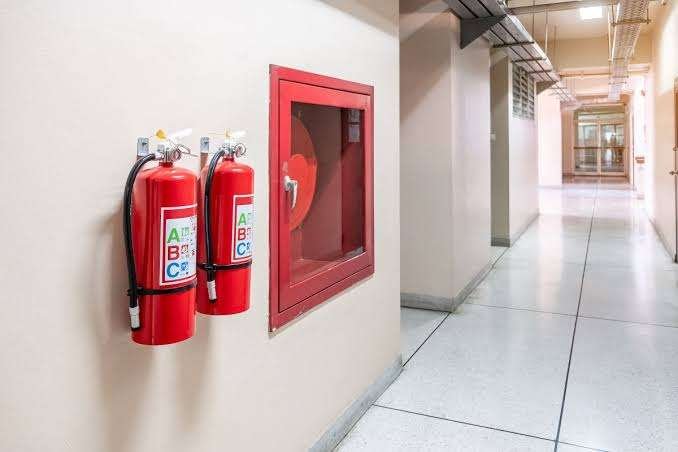
Fire extinguishers may be appropriate in some homes, depending on the hazards. However, older adults should never be expected to fight a fire if doing so could place them in danger. Evacuation should take priority.
For information about fire protection equipment and related solutions, visit “Fire Safety Trading” (https://firesafetytrading.com.pk/).
When researching a Fire alarm system in Pakistan, consider suitability, reliability, installation requirements, accessibility, and ongoing maintenance rather than price alone.
12. Fire Safety Requirements in Pakistan
The Building Code of Pakistan—Fire Safety Provisions 2016 addresses fire detection, occupant notification, and means of escape. It also includes provisions for situations in which occupants may be unable to evacuate independently because of age or physical or mental disabilities.
This highlights the importance of planning for the people who actually use a building, rather than assuming everyone can respond to an alarm in the same way. The code includes requirements for audible and visible notification in relevant circumstances. <Cite refs={[“turn110740search12”]} />
The exact requirements for a particular property depend on its type, occupancy, size, and applicable local regulations. Homeowners and building managers should consult the relevant authority or a qualified fire safety professional when determining which requirements apply.
For older adults, the practical priorities remain consistent: provide an effective warning, keep escape routes usable, and prepare an emergency plan that reflects individual needs.
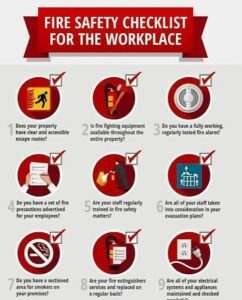
13. A Simple Fire Safety Checklist
Use this checklist to review the home with the older adult and anyone who provides assistance.
– [ ] Working smoke alarms are installed in suitable locations.
– [ ] Alarms are tested and maintained according to the manufacturer’s instructions.
– [ ] Alternative warning devices are considered where necessary.
– [ ] Electrical cables, plugs, and sockets show no obvious damage.
– [ ] Cooking equipment is used safely.
– [ ] Heating equipment is operated according to instructions.
– [ ] Hallways and exit routes remain clear.
– [ ] Mobility aids are easy to reach.
– [ ] Doors along escape routes can be opened safely.
– [ ] Lighting is adequate along the route to an exit.
– [ ] An outdoor meeting point has been chosen.
– [ ] Family members or caregivers understand their responsibilities.
– [ ] Emergency contact information is accessible.
– [ ] The escape plan has been discussed and practised.
– [ ] The plan is reviewed when circumstances change.
If an item cannot be completed safely, seek appropriate assistance rather than attempting a risky repair or modification.
Conclusion
Fire safety for older adults starts with understanding individual needs and reducing preventable hazards around the home. Safe electrical equipment, attentive cooking habits, working smoke alarms, clear pathways, and accessible exits all contribute to better preparedness.
Families and caregivers can provide valuable support by listening to the older adult, arranging maintenance, and practising a realistic emergency plan. Safety measures should protect independence and dignity rather than create unnecessary restrictions.
A suitable Fire alarm system in Pakistan can provide an important early warning, but it should form part of a broader safety plan that includes prevention, accessible alerts, evacuation arrangements, and regular checks.
By preparing in advance and reviewing the plan as needs change, households can help older adults feel more confident and improve their readiness for a fire emergency.
Frequently Asked Questions (FAQs)
1. Why is fire safety especially important for older adults?
Some older adults may need more time to hear a warning, move safely, or reach an exit. Individual needs related to mobility, hearing, vision, and other circumstances should be considered when preparing an emergency plan.
2. Which fire safety equipment should older adults have at home?
Working smoke alarms are an important starting point. Depending on the person’s needs and the property, visual alerts, vibrating warning devices, and emergency lighting may also be helpful.
3. Where should smoke alarms be installed in a home?
General guidance recommends installing smoke alarms inside bedrooms, outside separate sleeping areas, and on every level of the home. Follow manufacturer instructions and applicable local requirements for exact placement.
4. How can family members help older adults prepare for a fire?
Family members can help test alarms, keep escape routes clear, arrange electrical inspections, discuss evacuation assistance, and practise a safety plan. The