Electricity makes everyday life easier by powering lights, fans, air conditioners, refrigerators, computers, and many other appliances. However, electrical systems can also create fire hazards when equipment is damaged, circuits are overloaded, or wiring is poorly maintained. Understanding electrical fire safety helps homeowners, business owners, and building managers reduce these risks and protect people and property.
Electrical fire safety works through a combination of prevention, early detection, suitable protective equipment, and emergency planning. Safe electrical installations help prevent overheating and faults, while smoke detectors and fire alarm systems provide warnings when a fire may have started. Clear evacuation routes and properly maintained fire protection equipment provide additional layers of protection.
In Pakistan, electrical fire safety is important in homes, offices, factories, schools, hospitals, shopping centres, and apartment buildings. High electricity demand, backup power arrangements, and the use of numerous electrical appliances make responsible maintenance especially important.
A reliable fire alarm system in Pakistan can support early warning in buildings where appropriate systems are installed. However, an alarm alone cannot prevent an electrical fault. Effective protection requires safe wiring, suitable circuit protection, professional inspections, and a clear plan for responding to emergencies.
This article explains how electrical fire safety works, identifies common hazards, and describes practical steps for creating safer homes and workplaces.
What Is Electrical Fire Safety?
Electrical fire safety refers to the measures used to prevent fires associated with electrical installations, appliances, and equipment. It also includes procedures for detecting a possible fire, warning occupants, and helping people evacuate safely.
Electrical fire safety generally involves four important elements:
– Prevention: Reducing the likelihood of electrical faults, overheating, and unsafe equipment use.
– Protection: Using appropriately designed wiring, circuit breakers, and other electrical protective devices.
– Detection and warning: Using suitable smoke detectors and fire alarm systems to alert occupants.
– Emergency preparedness: Maintaining clear exits and teaching people how to respond to an alarm or fire.
These elements work together. For example, a circuit breaker may interrupt an electrical circuit when a qualifying fault occurs, but it does not replace smoke detection or an evacuation plan. Similarly, an alarm can warn occupants about danger, but it cannot repair damaged wiring.
A complete safety approach addresses the electrical installation and the building’s fire protection arrangements as separate but connected responsibilities.
Common Causes of Electrical Fires
Understanding how electrical fires can begin helps people recognise hazards before they become serious.
1. Overloaded Electrical Circuits
Electrical circuits are designed to carry a specified amount of current. When too many appliances draw power from the same circuit or outlet arrangement, excessive current can cause conductors or connections to overheat.
High-power appliances, including air conditioners, electric heaters, kettles, and other heating equipment, require particular attention to the electrical capacity of the installation.
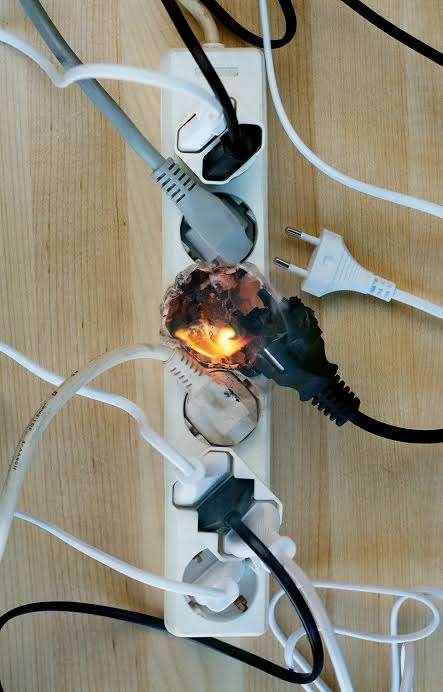
Warning signs may include unusually warm outlets, discoloured socket covers, repeated circuit breaker trips, or a burning smell. These signs should not be ignored.
Electrical capacity should be assessed by a qualified electrician. Avoid adding more appliances to a circuit that is already showing signs of trouble.
2. Damaged Wiring and Cables
Electrical cables can become damaged through age, wear, pressure, heat, or unsuitable installation. Damaged insulation may expose conductors or allow faults that generate heat and sparks.
Cables should not be trapped beneath heavy furniture, run where they may be crushed, or used when their insulation is cracked or frayed.
If a cable, plug, or appliance appears damaged, stop using it when it is safe to do so and arrange professional inspection or replacement. Do not attempt electrical repairs without appropriate training.
3. Faulty Electrical Appliances
Appliances may develop internal faults because of wear, damage, poor maintenance, or manufacturing defects. A faulty appliance can overheat or create an electrical fault.
Warning signs include unusual smells, visible damage, repeated tripping of protective devices, unexpected heat, or abnormal operation.
Follow the manufacturer’s instructions and have defective equipment assessed by a qualified technician. Do not continue using an appliance simply because it still appears to work.
4. Poor Electrical Installation
Incorrectly installed wiring, unsuitable components, loose connections, and inadequate circuit protection can increase the risk of electrical fires.
Electrical installations should be designed and completed by appropriately qualified professionals using components suitable for the intended load and environment.
In homes and workplaces, professional inspections are particularly important when a building is renovated, additional high-power equipment is installed, or electrical problems occur repeatedly.
5. Unsafe Use of Extension Cords
Extension cords and power strips can be useful for temporary needs, but they have specific load limits. Overloading them or connecting one power strip to another can create additional hazards.
Use products with appropriate ratings and built-in protection where required. Keep cords away from heat, water, and locations where they may be crushed or damaged.
If a building regularly needs more outlets, ask a qualified electrician to assess whether additional fixed outlets or circuits are needed.
How Electrical Protective Devices Help Prevent Fires
Electrical protective devices help reduce particular risks within an installation. They do not all serve the same purpose, and no single device can prevent every electrical fire.
Circuit Breakers
Circuit breakers are designed to interrupt current when specified conditions, such as an overload or short circuit, occur.
By interrupting a qualifying fault, a correctly selected and installed breaker can help prevent conductors from overheating excessively. However, not every dangerous electrical condition will cause a standard breaker to trip.
Repeated tripping is a warning that requires investigation. Never bypass a breaker, replace it with an unsuitable rating, or repeatedly reset it without addressing the cause.
Fuses
A fuse contains a component designed to interrupt the circuit when the current exceeds its intended operating conditions. Once a fuse operates, it normally requires replacement with the correct type and rating.
Using an incorrectly rated fuse can undermine the protection it is meant to provide. Electrical protection should always match the design of the circuit.
Residual Current Protection
Residual current devices, where appropriate, are designed to detect certain differences between outgoing and returning current and disconnect the supply under specified conditions. They can reduce the risk of electric shock and may help address some electrical fault situations.
They are not substitutes for overload and short-circuit protection unless the particular device also incorporates those functions.
Surge Protection
Surge protective devices help limit certain transient voltage surges that can affect electrical and electronic equipment. Their selection depends on the installation and the risks being addressed.
Surge protection does not eliminate the risks associated with overloaded circuits, damaged cables, or defective appliances.
Why Professional Installation Matters
Protective devices must be correctly selected, installed, tested, and maintained. Their effectiveness depends on the electrical system, device ratings, and the type of fault.
Homeowners and building managers should use qualified professionals rather than attempting to modify distribution boards or repair electrical systems themselves.
Everyday Electrical Fire Prevention
Many electrical fire risks can be reduced through sensible appliance use and prompt attention to warning signs.
Avoid Overloading Outlets
Follow the ratings provided for sockets, extension cords, and power strips. Avoid connecting several high-power appliances to one outlet arrangement without confirming that the circuit can safely support the load.
A qualified electrician can assess whether the installation is suitable for the appliances being used.
Inspect Appliances and Cords
Look for visible damage to plugs, cables, and appliance housings. Do not use equipment with cracked insulation, exposed wires, or damaged connectors.
Keep cords away from sharp edges and locations where furniture or doors may crush them. Avoid covering cables with rugs or placing them where heat can build up.
Follow Manufacturer Instructions
Use appliances only for their intended purposes. Ensure that ventilation openings remain clear and that equipment is operated in the conditions specified by its manufacturer.
Do not leave defective appliances in service while waiting for a convenient time to arrange repairs.
Keep Electrical Equipment Away From Water
Water and electricity can create serious hazards. Keep electrical equipment away from wet areas unless it is specifically designed and installed for that environment.
If an electrical appliance or installation becomes wet, do not touch it or attempt to restore power yourself. Seek qualified assistance.
Arrange Professional Inspections
Older buildings, renovated properties, and sites with repeated electrical problems may benefit from a professional assessment of the electrical installation.
An electrician can check whether the wiring, protective devices, connections, and circuit capacity are appropriate for current use.
The Role of a Fire Alarm System in Electrical Fire Safety
Electrical fires may produce smoke before occupants see visible flames. Early warning is therefore an important part of a building’s fire protection strategy.
A fire alarm system in Pakistan may be installed in residential, commercial, industrial, and public buildings according to their design, risks, and applicable requirements.
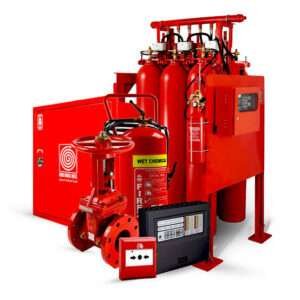
Depending on the system, its components may include smoke detectors, heat detectors, manual call points, audible alarms, visual indicators, and a control panel.
Smoke Detectors
Smoke detectors identify smoke and provide a warning when their detection conditions are met. They are an important safety measure because smoke may spread beyond the room where a fire begins.
The correct locations and number of detectors depend on the building layout, device type, manufacturer’s instructions, and applicable requirements.
Smoke alarms should be tested and maintained as directed. Residents should report damaged devices or repeated unwanted activations rather than disabling the alarms.
Heat Detectors
Heat detectors respond to specified temperature conditions or changes in temperature. They may be appropriate in certain environments where smoke detectors are not the best choice for a particular application.
The selection of detectors should be part of a suitable fire protection design.
Alarm Notification
A fire alarm system may use sounders, visual indicators, or other notification devices to warn occupants.
In larger buildings, a central panel may monitor detectors and show alarm or fault conditions. Building management should ensure that authorised personnel know how to respond to these indications.
Professional Maintenance
Detection and alarm systems need appropriate installation, testing, and servicing. A faulty detector or disconnected alarm may fail to provide the intended warning.
Maintenance should follow the manufacturer’s instructions and applicable requirements. Residents and employees should know how to report problems and what action to take when an alarm sounds.
What to Do if an Electrical Fire Occurs
Electrical fires can involve live equipment, smoke, and rapidly changing conditions. Safety should always come before attempts to protect property.
If a fire occurs:
1. Raise the alarm. Warn nearby people when it is safe to do so.
2. Evacuate. Leave the building using a safe route. Do not delay to investigate the source or collect belongings.
3. Avoid smoke and fire. Do not enter a smoke-filled room or attempt to reach equipment through an unsafe area.
4. Contact emergency services. Provide the location and explain that an electrical fire may be involved.
5. Stay outside. Do not return until emergency personnel say it is safe.
Never pour water onto burning electrical equipment that may still be energised. Do not touch exposed wiring, electrical panels, or damaged equipment during an emergency.
Electrical isolation should only be considered when it can be done safely without approaching the fire or putting anyone at risk. If there is uncertainty, leave the area and let qualified personnel handle the situation.
Choosing Fire Extinguishers for Electrical Hazards
Fire extinguishers are designed for particular types of fires, and not every extinguisher is suitable for electrical equipment.
Some carbon dioxide and dry chemical powder extinguishers are rated for specified electrical hazards. Their suitability depends on the product label, the type of equipment, and the circumstances.
Water-based extinguishers should not be used on energised electrical equipment unless the specific product is explicitly rated and approved for that application.
Even when a suitable extinguisher is available, it should only be considered for a small, manageable fire when the person is appropriately trained, the equipment is suitable, and a safe escape route remains available.
Children and untrained occupants should not be expected to fight an electrical fire. If the fire is spreading, smoke is present, or there is any doubt about safety, evacuate and contact emergency services.
Building owners and managers should obtain professional advice about extinguisher selection, placement, inspection, and servicing.
Electrical Fire Safety in Homes and Workplaces
Different buildings have different electrical risks, so fire safety measures should reflect the way the property is used.
Homes
Households should use appliances responsibly, keep escape routes clear, and ensure that suitable smoke alarms are installed and maintained. Family members should know how to respond to an alarm and where to meet outside after evacuation.
Electrical repairs and changes to fixed wiring should be handled by qualified professionals.
Offices
Offices may contain computers, printers, charging equipment, extension cords, and shared electrical installations. Staff should report damaged equipment, avoid overloaded power strips, and keep electrical rooms and exits unobstructed.
Building managers should maintain alarm systems and ensure that employees understand evacuation procedures.
Factories and Workshops
Industrial premises may contain motors, machinery, high-power equipment, and specialised electrical installations. Risk assessment, planned maintenance, appropriate protective devices, and staff training are important parts of electrical fire prevention.
Equipment-specific procedures should be established by qualified personnel.
Schools and Hospitals
Schools and healthcare facilities need fire protection arrangements that account for the people occupying the building, including children, patients, and people who may need assistance during evacuation.
Management should ensure that electrical systems, alarms, emergency lighting, and evacuation arrangements are maintained according to applicable requirements.
Electrical Fire Safety Considerations in Pakistan
Pakistan’s Building Code of Pakistan—Fire Safety Provisions 2016 provides a national reference for fire prevention, life safety, and fire protection in buildings and structures. The requirements applicable to a particular property should be confirmed with the relevant authority.
The National Electric Power Regulatory Authority also publishes public electrical safety guidance, including warnings about overloading switches, sockets, and plugs. Such precautions are relevant to everyday household and workplace safety.
Property owners, contractors, and building managers should ensure that electrical installations and fire protection arrangements are suitable for the building’s design and use.
Practical measures include:
– Arranging electrical work through qualified professionals.
– Using appliances and protective devices according to their ratings.
– Addressing damaged wiring and repeated circuit faults promptly.
– Maintaining suitable smoke detection and alarm equipment.
– Keeping escape routes clear and emergency procedures accessible.
– Confirming the requirements that apply to the specific building.
Compliance is not simply a matter of installing equipment. Systems need to be properly designed, maintained, and used as intended.
Common Electrical Fire Safety Mistakes
Avoiding common mistakes can improve everyday safety.
Ignoring warning signs: Burning smells, unusual heat, damaged plugs, and repeated breaker trips should be professionally assessed.
Overloading outlets: Too many appliances on an unsuitable circuit can increase overheating risks.
Using damaged cables: Frayed or crushed cables should not remain in use.
Attempting unqualified repairs: Electrical installation work should be performed by appropriately qualified professionals.
Disabling smoke alarms: Unwanted activations should be investigated rather than solved by leaving an alarm disabled.
Relying only on extinguishers: Fire prevention, early warning, evacuation planning, and professional emergency response all play important roles.
Blocking exits: Corridors, staircases, and doors should remain clear so occupants can leave promptly.
Creating an Electrical Fire Safety Checklist
Homeowners and building managers can use a simple checklist to review basic precautions:
– [ ] Electrical outlets and cables show no obvious damage.
– [ ] Power strips and extension cords are used within their ratings.
– [ ] High-power appliances are supported by a suitable electrical installation.
– [ ] Electrical faults and repeated breaker trips are reported promptly.
– [ ] Fixed wiring and electrical equipment are assessed by qualified professionals when required.
– [ ] Suitable smoke alarms and fire alarm systems are maintained.
– [ ] Fire extinguishers, where provided, are appropriate for the identified hazards.
– [ ] Escape routes and exits remain clear.
– [ ] Occupants know what to do when an alarm sounds.
– [ ] Emergency contacts and evacuation procedures are accessible.
This checklist supports general awareness. It does not replace a professional electrical inspection or a formal fire risk assessment where one is required.
Conclusion
Electrical fire safety works by reducing the likelihood of electrical faults, limiting certain faults through suitable protective devices, providing early warning, and preparing people to evacuate safely.
Safe wiring, appropriate circuit protection, responsible appliance use, and professional maintenance form the foundation of prevention. Smoke detectors and a reliable fire alarm system in Pakistan can provide an important warning when a fire may have started, while a clear evacuation plan helps occupants respond.
Every home and workplace has different needs, so electrical and fire protection arrangements should be selected according to the property’s hazards, design, and applicable requirements.
The most imp