Fire prevention is one of the most important investments a family or business can make. A fire can damage property, interrupt daily activities, destroy valuable equipment, and put lives at risk. However, many fire incidents can be prevented or their consequences reduced through better awareness, regular inspections, suitable equipment, and responsible everyday habits.
In Pakistan, fire safety matters in homes, apartment buildings, offices, schools, hospitals, shops, warehouses, and industrial facilities. Electrical faults, cooking accidents, unsafe storage, and poorly maintained equipment can create hazards in different environments. A lack of emergency planning can make these hazards even more serious.
The good news is that fire prevention does not always require expensive changes. Simple measures, such as keeping escape routes clear, arranging electrical repairs through qualified professionals, maintaining smoke detectors, and teaching family members what to do during an emergency, can make a meaningful difference.
A Fire alarm system in Pakistan can also be an essential part of a building’s safety arrangements. However, an alarm alone cannot prevent every fire. Effective protection combines prevention, early detection, suitable firefighting equipment, safe evacuation routes, and regular maintenance.
This guide explains practical fire prevention tips and why treating fire safety as a long-term investment can help protect people and property.
1. Understand Why Fire Prevention Matters
Fire prevention focuses on reducing the likelihood of a fire starting and preparing people to respond if an incident occurs. It is generally more effective to identify hazards early than to rely entirely on emergency response after a fire begins.
For homeowners, prevention helps create a safer living environment. For businesses, it can also reduce disruption, equipment damage, stock losses, and interruptions to customer services.
Consider a small office with damaged electrical equipment, boxes stored near an exit, and no clear emergency plan. Each problem may appear manageable on its own, but together they can create avoidable risks.
A practical fire prevention programme should focus on four main goals:
– Reduce common sources of ignition.
– Keep combustible materials appropriately stored.
– Provide suitable fire detection and warning arrangements.
– Make sure occupants understand how to evacuate safely.
These goals apply to properties of different sizes, although the specific measures required depend on the building’s use, layout, occupancy, and applicable regulations.
2. Improve Electrical Safety at Home and Work
Electrical faults are an important fire hazard in residential and commercial buildings. Damaged wiring, defective appliances, unsuitable electrical connections, and overloaded circuits can create dangerous conditions.
To improve electrical safety, arrange for qualified electricians to inspect and repair electrical installations when needed. Avoid using damaged cables, broken plugs, or equipment that shows signs of overheating or repeated malfunction.
Other useful precautions include:
– Use electrical appliances according to their manufacturers’ instructions.
– Avoid overloading sockets and extension leads.
– Keep electrical equipment away from water and other unsuitable conditions.
– Arrange professional inspection when breakers repeatedly trip or equipment behaves unusually.
– Do not ignore burning smells, visible damage, or unusual heat from electrical equipment.
– Make sure electrical work is completed by appropriately qualified professionals.
Never attempt improvised repairs to electrical wiring. If an electrical fault appears to create an immediate hazard, keep people away and seek appropriate professional assistance.
Businesses should also maintain records of electrical inspections and repairs where appropriate. Regular attention can identify problems before they become more serious.
3. Make Kitchen Fire Prevention a Daily Habit
Kitchens are common locations for accidental fires because cooking involves heat, electrical appliances, and sometimes combustible cooking materials.
One important habit is to remain attentive while cooking. Avoid leaving cooking unattended, particularly when using equipment that produces high heat. Keep towels, packaging, paper, and other combustible items away from hot surfaces.
Families should also maintain appliances according to manufacturer guidance and arrange repairs when equipment becomes damaged or unreliable.
Additional precautions include:
– Keep cooking areas clean and organised.
– Avoid placing combustible materials close to cooking appliances.
– Keep children away from hot equipment and cooking activities that require adult supervision.
– Make sure kitchen ventilation is maintained appropriately.
– Understand the limitations of any fire safety equipment provided for the kitchen.
If a cooking fire occurs, prioritise getting people away from danger and contacting emergency services when necessary. Do not attempt to move a burning pan or use water on burning cooking oil.
Prevention, careful supervision, and a clear household emergency plan are safer than relying on the ability to control a fire after it starts.
4. Store Combustible Materials Responsibly
Paper, cardboard, fabrics, packaging, cleaning products, and other materials can contribute to fire spread when stored carelessly. The risks may be greater in warehouses, workshops, shops, and factories where large quantities of materials are present.
Homes should avoid unnecessary clutter, especially near electrical equipment, heating appliances, cooking areas, and exits. Businesses should develop storage arrangements that reflect the materials they handle and the requirements that apply to their premises.
Good storage practices include:
– Keep escape routes and doorways clear.
– Store materials in designated areas.
– Follow product labels and storage instructions.
– Keep combustible materials away from sources of heat.
– Arrange appropriate storage for hazardous substances through qualified personnel.
– Remove unnecessary packaging and waste regularly.
Do not store items in fire staircases or block access to firefighting equipment. These areas must remain accessible for their intended safety purposes.
A simple housekeeping routine can help identify hazards before they become difficult to manage.
5. Install Suitable Smoke Detection and Fire Alarm Equipment
Early warning is an important part of fire safety. People may not notice a developing fire immediately, particularly when they are asleep, working in another room, or located far from the source.
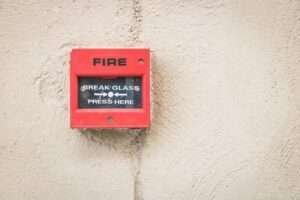
Smoke detectors are designed to detect smoke and provide an alert. A building fire alarm system can connect suitable detection and notification devices so that occupants receive a warning when a fire condition is identified.
When selecting a fire alarm system in Pakistan, property owners should consider the building’s size, purpose, layout, occupancy, and applicable fire safety requirements.
Before installing a system, check the following:
Suitable design: The equipment and detector locations should be selected according to the building’s risks and layout.
Reliable notification: The warning should be appropriate for the areas where people may be present.
Backup arrangements: Ask how the system operates during a power interruption and what backup power is required.
Professional installation: Use qualified professionals who can explain the design, installation, commissioning, and handover process.
Ongoing maintenance: Confirm how the system will be tested, inspected, and serviced.
The Building Code of Pakistan Fire Safety Provisions 2016 addresses occupant notification and fire alarm systems in buildings where they are necessary. Requirements depend on the applicable provisions and the building’s characteristics. <Cite refs={[“turn571718search12″,”turn571718search13”]}/>
Remember that alarms provide warning rather than preventing ignition directly. They should work alongside hazard reduction, safe construction, evacuation planning, and other appropriate protective measures.
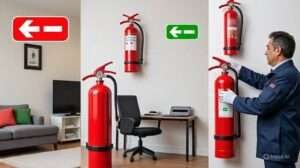
6. Keep Fire Extinguishers Appropriate and Maintained
Fire extinguishers may be part of a building’s fire protection arrangements, but the correct type and placement depend on the hazards present.
Different extinguishers are designed for different fire classifications. A product suitable for ordinary combustible materials may not be appropriate for burning cooking oil or certain electrical hazards.
Before purchasing extinguishers, consider:
– The types of fire risks in the building.
– The extinguisher’s labelled applications.
– Applicable standards and product documentation.
– The required quantity and placement.
– Inspection and servicing arrangements.
– Whether occupants can understand the equipment’s limitations.
A qualified fire safety professional can help determine suitable equipment for a workplace or larger property.
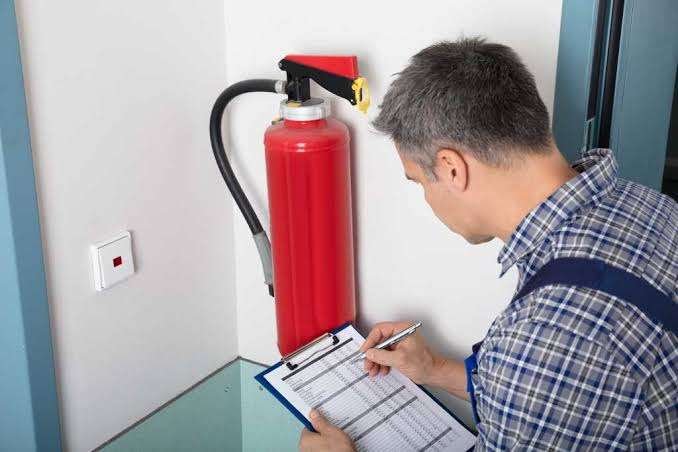
Extinguishers should be inspected and maintained according to applicable requirements and manufacturer instructions. Missing, damaged, obstructed, or poorly maintained equipment should be reported and addressed.
Most importantly, an extinguisher should never be treated as a reason to delay evacuation. People should leave if a fire is spreading, smoke is present, or the situation is unsafe.
7. Maintain Clear Emergency Exits and Escape Routes
A building can have modern fire alarms and suitable extinguishers yet still present serious risks if occupants cannot leave safely.
Emergency exits, corridors, staircases, and other designated escape routes must remain accessible. Furniture, boxes, waste, equipment, and other obstructions can slow evacuation or prevent people from reaching safety.
Property owners and building managers should check that:
– Exit doors are accessible and maintained.
– Escape routes are clearly identified.
– Emergency lighting is provided where required.
– Fire doors and other protective features are maintained.
– Occupants know the designated evacuation routes.
– The building’s emergency plan reflects its current layout and use.
In multi-storey buildings, residents should understand the evacuation procedure and know which staircases are designated for emergency use. Ordinary passenger lifts should not be used during a fire unless emergency personnel specifically direct occupants to an approved evacuation lift.
The Building Code of Pakistan Fire Safety Provisions 2016 includes provisions concerning means of egress, exit-route marking, lighting, and occupant notification. <Cite refs={[“turn571718search12”]}/>
8. Arrange Regular Inspections and Maintenance
Fire prevention is an ongoing responsibility. Equipment that worked properly when installed may develop faults over time because of wear, damage, depleted batteries, power issues, or neglected servicing.
A regular inspection programme helps property owners identify problems and arrange appropriate repairs.
Depending on the property and its equipment, checks may include:
– Smoke detectors and fire alarm systems.
– Fire extinguishers and other firefighting equipment.
– Emergency lights and exit signs.
– Fire doors and escape routes.
– Electrical installations and appliances.
– Required sprinkler or hydrant systems.
– Relevant emergency communication equipment.
The inspection schedule should reflect the manufacturer’s instructions, applicable standards, and local requirements. More complex systems should be assessed and maintained by qualified professionals.
Keep records of inspections, tests, faults, repairs, and replacements. Documentation helps building management track recurring problems and demonstrate that safety responsibilities are being addressed.
In Pakistan, the relevant building or fire safety authority can clarify the inspection and compliance requirements applicable to a particular property.
9. Teach Families and Employees About Fire Safety
Fire safety equipment is only one part of emergency preparedness. People also need to understand what to do when a warning occurs.
Families should discuss a simple escape plan, identify a safe meeting point, and ensure that children know how to respond to an alarm. Older adults and people with mobility limitations may need additional arrangements.
Workplaces should explain emergency procedures to employees and provide training appropriate to their responsibilities.
A fire safety awareness programme can cover:
– Recognising alarms and warning signals.
– Knowing the designated escape routes.
– Reporting a fire or suspected hazard.
– Moving to the designated assembly point.
– Understanding when to contact emergency services.
– Avoiding lifts and unsafe routes during evacuation.
– Knowing not to return inside until authorised.
Where appropriate, building management should arrange evacuation drills and review the results. Drills can help reveal confusing instructions, blocked routes, or communication problems.
Training should emphasise that personal safety comes first. Occupants should not delay evacuation to collect belongings or attempt to manage a dangerous fire themselves.
10. Develop a Written Fire Prevention Plan
A written plan makes fire prevention more organised and easier to review. It can identify hazards, assign responsibilities, establish inspection schedules, and explain what occupants should do during an emergency.
For a home, the plan can be simple. It might include smoke alarm checks, safe cooking habits, electrical maintenance, emergency contacts, and family escape arrangements.
A business or larger building may need a more detailed plan that covers staff responsibilities, fire protection equipment, inspection records, evacuation arrangements, and communication with emergency services.
A useful fire prevention plan should identify:
1. The main fire hazards associated with the property.
2. Measures to reduce those hazards.
3. The fire detection and warning arrangements.
4. The condition and maintenance of required equipment.
5. The designated escape routes and assembly points.
6. The people responsible for inspections and training.
7. How faults and safety concerns are reported.
8. When the plan will be reviewed.
The plan should be updated when building layouts, equipment, occupancy, or activities change. Owners and managers should also confirm whether additional documentation or approvals are required by the relevant authority.
11. Understand Fire Prevention Responsibilities in Pakistan
Fire safety requirements can vary according to a property’s location, purpose, size, occupancy, and applicable regulations. A private home, hospital, warehouse, school, and high-rise commercial building may not have identical requirements.
The Building Code of Pakistan Fire Safety Provisions 2016 is an important national reference for building fire safety. It addresses multiple aspects of life safety, including fire protection, notification, and safe evacuation.
Punjab Civil Defence identifies fire detection and alarm systems, firefighting arrangements, fire safety plans, emergency control rooms, emergency exits, and evacuation plans among the measures considered during inspections of relevant premises. <Cite refs={[“turn571718search1″,”turn571718search12”]}/>
Property owners should not assume that purchasing a few pieces of equipment automatically makes a building compliant. Instead, they should:
– Identify the relevant building or fire safety authority.
– Confirm the requirements for the property’s use and occupancy.
– Arrange a professional assessment when necessary.
– Install appropriate equipment through qualified providers.
– Maintain inspection, testing, and servicing records.
– Keep emergency routes accessible.
– Provide appropriate information and training to occupants.
For major projects, qualified fire safety professionals can help interpret technical requirements and coordinate the design and installation of appropriate protection systems.
12. Fire Prevention as a Long-Term Investment
Fire prevention requires time, planning, and sometimes financial investment, but it should not be viewed merely as an expense.
Preventive maintenance may identify faults before they lead to costly disruption. Suitable alarms can provide earlier warning, while clear exits and evacuation plans help people respond more effectively. Training and regular inspections can also improve awareness and accountability.
The value of prevention is not limited to financial savings. It includes protecting people, preserving property, supporting business continuity, and creating a safer environment for residents, workers, customers, and visitors.
A sensible approach is to prioritise hazards, address urgent problems, and maintain essential protective measures instead of waiting for an incident to reveal weaknesses.
Every property is different, so prevention plans should reflect the actual risks and the requirements that apply.
Conclusion
Fire prevention is an essential investment in personal safety, property protection, and emergency preparedness. Simple habits such as managing electrical hazards, practising safe cooking, storing combustible materials responsibly, and keeping escape routes clear can reduce avoidable risks.
Suitable smoke detectors, a properly designed fire alarm system, appropriate firefighting equipment, and regular professional maintenance provide additional layers of protection. However, these measures work best when combined with a clear emergency plan and people who understand how to respond.
For homes and businesses in Pakistan, the right approach is to assess the building’s needs, follow applicable safety requirements, and review fire prevention arrangements regularly. Taking action before an emergency occurs is a practical step towards a safer future.
Frequently Asked Questions (FAQs)
1. Why is fire prevention considered an essential safety investment?
Fire prevention helps reduce the likelihood of fire, supports early warning, and improves emergency preparedness. It can also help protect people, property, equipment, and business operations from avoidable losses.
2. What are the most important fire prevention tips for homes?
Maintain electrical equipment, practise safe cooking habits, store combustible materials responsibly, keep escape routes clear, maintain suitable smoke detectors, and prepare a family evacuation plan.
3. Why is a fire alarm system important in Pakistan?
A suitable fire alarm system can warn occupants when a fire is detected, allowing them to follow emergency procedures. The appropriate system depends on the building’s characteristics and the requirements that apply to it.
4. How often should fire safety equipment be inspected?
Inspection and maintenance schedules depend on the equipment, manufacturer instructions, applicable standards, and local requirements. Follow the relevant schedule and use qualified professionals for servicing where necessary.
5. What should a fire prevention plan include?
A plan should identify common hazards, prevention measures, alarm arrangements, equipment maintenance, escape routes, emergency contacts, occupant responsibilities, and training or evacuation procedures appropriate to the property.