Gas safety is an important part of protecting a home and family from avoidable emergencies. In Pakistan, people commonly use different types of gas cylinders and sometimes use the terms CNG and LPG interchangeably. This can create confusion because these gases and their cylinders are not necessarily designed for the same purpose.
CNG, or Compressed Natural Gas, is stored under high pressure and is most commonly associated with vehicles and approved CNG infrastructure. LPG, or Liquefied Petroleum Gas, is commonly used for cooking and other household applications. These systems have different characteristics, equipment, and safety requirements.
The Oil and Gas Regulatory Authority (OGRA) regulates the CNG sector in Pakistan and states that CNG is a high-pressure gas requiring specially designed seamless cylinders for vehicle use. OGRA also warns that LPG, oxygen, nitrogen, and acetylene cylinders are not intended for CNG use.
For homeowners, the most important lesson is simple: never treat a gas cylinder as a general-purpose container. Use only equipment designed and approved for its intended application, and rely on qualified professionals whenever a gas installation requires inspection, repair, or replacement.
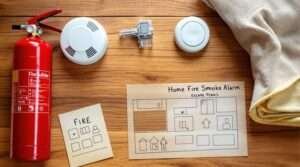
A complete home fire-safety plan can also include smoke detection, emergency planning, appropriate fire equipment, and a properly maintained fire alarm system in Pakistan where the building’s requirements call for one.
Understanding CNG and LPG
Before discussing cylinder safety, it is important to understand the difference between CNG and LPG.
What Is CNG?
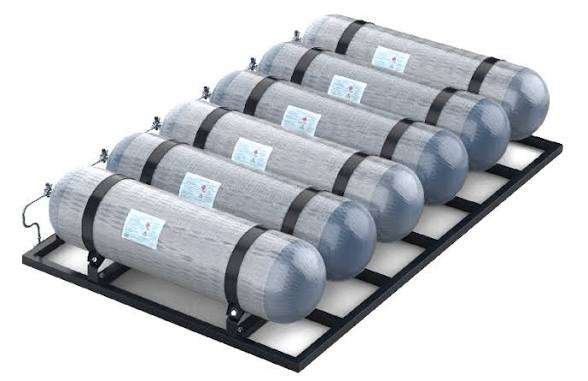
CNG stands for Compressed Natural Gas. It is natural gas compressed into a much smaller volume so that it can be stored and transported for applications such as approved vehicle fuel systems.
Because CNG is stored at high pressure, its cylinders must be specially manufactured and approved for that purpose. OGRA states that CNG vehicle cylinders are specially designed seamless cylinders and advises vehicle owners to use approved cylinders obtained through authorized and licensed CNG facilities.
What Is LPG?
LPG stands for Liquefied Petroleum Gas. It is commonly used in Pakistan for household cooking, particularly in areas where piped natural gas is unavailable or unreliable.
LPG cylinders and their associated equipment are designed for LPG applications. They should not be confused with CNG vehicle cylinders.
This distinction is extremely important because using the wrong cylinder or equipment can create serious safety risks.
Can CNG Cylinders Be Used Inside a Home?
CNG vehicle cylinders should not simply be brought into a home and treated as household gas containers.
CNG systems are designed around specific applications, approved equipment, pressure requirements, installation arrangements, and safety controls. OGRA’s public notice specifically warns consumers not to use LPG, oxygen, nitrogen, or acetylene cylinders for CNG because they are not designed to withstand CNG operating pressure.
For household cooking, residents should use equipment specifically intended for the household fuel being supplied and follow the applicable requirements of the supplier and relevant authorities.
If you are unsure whether a cylinder or gas appliance is appropriate for your home, do not experiment with it. Ask a qualified gas professional or the relevant supplier for advice.
Why Cylinder Identification Matters
One of the easiest ways to reduce confusion is to know exactly what type of gas equipment is being used.
A cylinder should not be selected simply because it looks similar to another cylinder. Different gases can require different cylinders, valves, regulators, fittings, pressure ratings, and installation arrangements.
OGRA’s CNG guidance emphasizes the use of approved CNG vehicle cylinders and warns against substituting cylinders intended for other gases.
Homeowners should therefore avoid:
– Assuming every gas cylinder is interchangeable
– Using unidentified cylinders
– Using damaged or visibly compromised equipment
– Allowing unqualified people to modify gas equipment
– Mixing components intended for different gas systems
– Buying gas equipment solely because it is cheaper
Safety should always come before convenience or cost.
Keep Gas Equipment Away From Heat and Ignition Sources
Gas-related equipment should be treated as a potential fire hazard and kept away from inappropriate sources of heat or ignition.
A home may contain many potential ignition sources, including cooking appliances, electrical equipment, open flames, and other heat-producing devices.
The safest approach is to keep gas installations and appliances in the condition and location specified by the manufacturer, supplier, applicable code, or qualified installer.
Homeowners should also avoid storing unnecessary combustible materials around gas equipment. A clean and organized area makes it easier to identify problems and maintain safe access.
Do Not Modify Gas Cylinders Yourself
Gas cylinders and their associated equipment are not suitable for do-it-yourself modifications.
Attempting to alter, repair, weld, drill, refill, or otherwise modify a cylinder can create hazards that may not be visible to an ordinary homeowner.
OGRA specifically warns against unauthorized CNG conversions and says CNG vehicle cylinders should be installed through authorized or licensed CNG facilities.
The same general safety principle applies at home: gas-system modifications should be left to appropriately qualified professionals.
If a cylinder, valve, regulator, pipe, or appliance appears damaged or abnormal, stop using the affected equipment and seek professional assistance rather than attempting a repair yourself.
Avoid Unapproved Gas Installations
An inexpensive installation is not necessarily a safe installation.
Unapproved work can create problems involving unsuitable components, incorrect connections, poor ventilation, or inadequate protection.
OGRA says it regulates the CNG sector and conducts safety inspections of CNG stations through designated third-party inspectors.
For homeowners, this reinforces the importance of using reputable and appropriately qualified service providers rather than informal or unauthorized repair work.
When arranging gas-related work, homeowners should ask whether the person or company is qualified for the specific type of installation involved.
Ventilation Is an Important Safety Consideration
Gas appliances require suitable ventilation according to their design and installation requirements.
A poorly ventilated area can create an unsafe environment if combustion products or gas accumulate.
Homeowners should never block designed ventilation openings simply to keep a room warmer, reduce drafts, or make an appliance area look tidier.
Any ventilation requirements specified for a gas appliance or installation should be followed carefully.
If a room has been renovated or enclosed after a gas appliance was installed, the installation should be reviewed by a qualified professional.
Recognizing a Possible Gas Problem
Homeowners should know that an unusual gas smell, unexpected appliance behavior, damaged equipment, or another abnormal condition deserves attention.
However, residents should not attempt to investigate a suspected gas leak using flames, sparks, or improvised testing methods.
If a strong or unusual gas odor is noticed, the safest approach is to move people away from the potential hazard and contact the appropriate emergency service, gas supplier, or qualified professional from a safe location.
Do not put yourself or others at additional risk by attempting a complicated repair.
Children Should Not Handle Gas Equipment
Children should be taught basic gas-safety awareness without being asked to operate, repair, move, or inspect gas cylinders and appliances.
A simple safety message can include:
– Do not touch gas cylinders or valves.
– Do not play near gas appliances.
– Do not operate unfamiliar gas equipment.
– Tell a responsible adult if something smells unusual.
– Leave the area if an adult instructs you to evacuate.
This kind of education can help children understand that gas equipment is not a toy.
Cylinder Safety Is Part of a Larger Fire-Safety Plan
Cylinders are only one part of household fire safety.
A safer home should also consider smoke detection, electrical safety, cooking safety, emergency exits, evacuation planning, and appropriate fire-protection equipment.
The Building Code of Pakistan Fire Safety Provisions 2016 contains fire-safety requirements covering buildings and includes provisions related to fire detection, alarm systems, means of egress, maintenance, and other protective measures.
This illustrates why homeowners should avoid relying on a single safety product.
For larger residential buildings, apartment complexes, and other properties where a fire alarm system is required or appropriate, alarms can form an important part of an overall emergency-warning strategy.
Why a Fire Alarm System Matters
Gas safety and fire detection are closely connected from a prevention perspective, but they are not the same thing.
A gas installation should be correctly designed, installed, and maintained. A fire alarm system provides another layer of protection by helping provide warning when a fire emergency is detected or an alarm is activated through the appropriate system.
The Building Code of Pakistan Fire Safety Provisions 2016 states that fire alarm systems should be provided where necessary when fire itself may not provide adequate warning to occupants.
For property owners researching a fire alarm system in Pakistan, it is therefore useful to think in terms of layers of protection:
1. Prevent hazards where possible.
2. Maintain gas and electrical systems appropriately.
3. Detect emergencies early where suitable.
4. Provide clear warning.
5. Keep evacuation routes available.
6. Make sure occupants know what to do.
7. Arrange appropriate inspection and maintenance.
CNG Safety for Vehicle Owners
Although this article focuses on homeowners, some households also own CNG-powered vehicles. Vehicle CNG safety is different from household LPG safety.
OGRA advises CNG vehicle owners to use approved, brand-new seamless CNG cylinders and have CNG equipment installed through authorized or licensed facilities. It also warns against using cylinders designed for other gases and against unauthorized roadside conversion work.
Vehicle owners should therefore avoid treating a vehicle cylinder as a general-purpose gas container.
If a vehicle’s CNG system is involved, any inspection, conversion, replacement, or technical work should be handled through an authorized and appropriately qualified facility.
Why Cylinder Condition Matters
Gas cylinders are engineered safety components, not ordinary storage containers.
A cylinder that has been damaged, exposed to unusual conditions, or otherwise compromised should not simply be assumed to remain safe.
OGRA’s CNG safety notice specifically warns against installing used cylinders that have been damaged or weakened and emphasizes approved cylinders for CNG vehicle applications.
Homeowners and vehicle owners should therefore take visible damage seriously and seek professional assessment rather than relying on appearance alone.
Do Not Store Unknown or Unnecessary Cylinders
Keeping old, unidentified, empty, damaged, or unused cylinders around a home can create unnecessary safety concerns.
A household should know what gas equipment it owns and why it is present.
If an old cylinder is no longer required, homeowners should ask an appropriate supplier or qualified service provider about safe handling and disposal arrangements rather than attempting to dismantle or modify it.
The safest home is one where gas equipment is limited to what is actually required and is maintained according to its intended purpose.
Fire Safety During Home Renovations
Renovation work can unintentionally affect fire and gas safety.
Walls may be moved, rooms may be enclosed, ventilation may change, and appliances may be relocated.
Before making significant changes to a room containing gas equipment, homeowners should have the relevant installation reviewed by a qualified professional.
The Building Code of Pakistan addresses existing buildings, repairs, alterations, additions, and changes of occupancy as part of its broader safety framework.
This means safety should not be treated as something that matters only when a house is first built.
Common CNG and Gas Cylinder Safety Mistakes
Several mistakes can be avoided through basic awareness.
Mistake 1: Confusing CNG With LPG
They are different fuels with different applications and equipment requirements.
Mistake 2: Using the Wrong Cylinder
A cylinder designed for one gas should not automatically be assumed suitable for another.
Mistake 3: Hiring Unqualified Workers
Gas-related modifications should be handled by appropriately qualified professionals.
Mistake 4: Ignoring Damaged Equipment
Visible damage should be treated seriously and assessed professionally.
Mistake 5: Treating Gas Safety as a One-Time Task
Installations require appropriate inspection and maintenance over their service life.
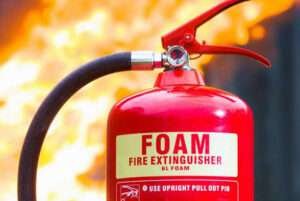
Mistake 6: Relying Only on a Fire Extinguisher
Fire safety involves prevention, detection, warning, evacuation, and appropriate emergency equipment rather than a single device.
A Simple Home Gas-Safety Checklist
Homeowners can use the following checklist as a general awareness tool:
– Know whether your household system uses LPG, natural gas, or another approved fuel.
– Never assume different cylinders are interchangeable.
– Keep gas equipment away from inappropriate heat and ignition sources.
– Do not modify cylinders, valves, regulators, or gas appliances yourself.
– Use qualified professionals for installation and technical work.
– Keep ventilation arrangements clear.
– Do not allow children to operate gas equipment.
– Treat unusual odors or damaged equipment seriously.
– Keep emergency routes accessible.
– Include smoke and fire detection in your wider home-safety planning.
– Review gas and fire safety after significant renovations.
– Follow instructions from the equipment manufacturer and relevant authorities.
CNG Cylinder Safety in Pakistan
CNG remains a regulated sector in Pakistan. OGRA states that its CNG department regulates the sector under the relevant legal framework and conducts safety inspections of CNG stations through designated third-party inspectors.
For homeowners, the key message is not to become a technical CNG installer. Instead, understand the difference between fuel systems, avoid unsafe substitutions, and use qualified professionals for work involving gas equipment.
If your home uses LPG for cooking, follow the safety requirements applicable to LPG equipment rather than attempting to apply CNG-specific practices to household cylinders.
For buildings with broader fire-protection requirements, gas safety should also be considered alongside alarms, emergency exits, fire equipment, and evacuation planning.
Final Thoughts
CNG cylinder safety starts with understanding that cylinders are designed for specific gases and applications. CNG vehicle cylinders are high-pressure components intended for approved CNG systems, while household LPG equipment serves a different purpose.
The most important safety principle is simple: never improvise with gas equipment.
Homeowners should use appropriate equipment, avoid unauthorized modifications, pay attention to damaged or unusual equipment, maintain suitable ventilation, and seek qualified professional assistance when technical work is required.
Fire safety should also be approached as a complete system. Gas safety, smoke detection, alarms, safe escape routes, emergency planning, and responsible maintenance can work together to create a safer home environment.
For people researching a fire alarm system in Pakistan, the same principle applies: no single product can replace a complete safety strategy. Prevention and preparedness should always come first.
FAQs
1. Can a CNG cylinder be used for household cooking?
CNG vehicle cylinders should not be treated as household cooking-gas containers. CNG and LPG are different systems with different equipment requirements. Household cooking should use equipment specifically designed and approved for the fuel being supplied.
2. What is the difference between CNG and LPG cylinders?
CNG is compressed natural gas stored at high pressure, while LPG is liquefied petroleum gas commonly used for household cooking. Their cylinders and equipment are designed for different applications and should not be treated as interchangeable. OGRA specifically warns against using LPG and other gas cylinders for CNG.
3. What should I do if gas equipment appears damaged?
Do not attempt to repair, modify, or test damaged gas equipment yourself. Keep people away from the suspected hazard and contact the appropriate qualified professional or supplier for guidance.
4. Is a fire alarm useful in a home with gas appliances?
Fire detection can be an important part of an overall home fire-safety strategy, but it does not replace safe gas installation and maintenance. The appropriate alarm and detection arrangements depend on the building and applicable requirements. Pakistan’s Building Code includes provisions concerning fire alarm systems and occupant warning.
5. Can homeowners install or modify CNG equipment themselves?
Gas and CNG equipment should not be modified or installed as a DIY project. OGRA advises CNG vehicle owners to use authorized or licensed facilities for CNG-related installation and conversion work.