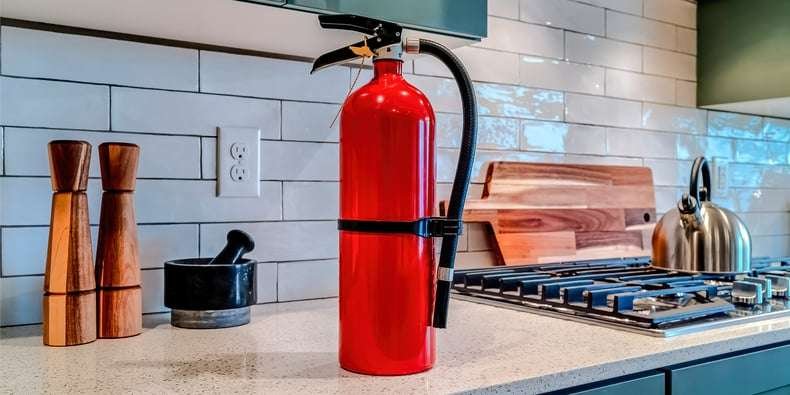
The kitchen is one of the most important areas in any home, restaurant, hotel, school, hospital, or workplace. It is also an area where several potential fire hazards can exist at the same time. Cooking appliances, electrical equipment, hot surfaces, fuel sources, oils, packaging materials, and other combustible items can all contribute to fire risk when appropriate safety measures are not followed.
Kitchen fire safety is therefore an essential part of overall building safety. A few simple preventive measures, combined with appropriate fire detection, alarm systems, emergency planning, and regular maintenance, can significantly improve preparedness.
The Directorate General of Civil Defence in Pakistan advises against leaving cooking unattended and recommends keeping stove tops clean and clear, avoiding overloaded electrical outlets, checking wiring, and keeping combustible materials away from heat sources.
For commercial and larger buildings, fire protection should also be considered as part of the overall building design. The Pakistan Engineering Council lists the Building Code of Pakistan – Fire Safety Provisions 2016 and the Building Code of Pakistan 2021 among its published building codes.
This guide explains why kitchen fire safety matters, how common hazards can be reduced, and why early warning and evacuation planning are important in Pakistan.
1. Why Kitchen Fire Safety Is Important
Kitchens combine heat, electricity, cooking equipment, and combustible materials in one location.
Even a small problem can become more serious if it is not noticed promptly. For example, unattended cooking can allow a developing fire to continue without anyone immediately noticing it.
Kitchen safety therefore starts with prevention.
Important preventive principles include:
– Do not leave cooking unattended.
– Keep cooking areas clean.
– Keep combustible materials away from heat sources.
– Maintain electrical equipment properly.
– Avoid overloaded electrical outlets.
– Keep emergency routes accessible.
– Make sure appropriate detection and alarm systems are maintained.
– Ensure staff or household members understand emergency procedures.
These measures are useful in both residential and commercial environments.
2. Unattended Cooking Is a Major Concern
Cooking should receive continuous attention whenever heat-producing appliances are operating.
The Directorate General of Civil Defence specifically lists unattended cooking among its fire-safety concerns for homes. It also recommends turning off cooking appliances when they are not in use.
Leaving a kitchen while cooking is underway can increase the time between the beginning of a problem and its discovery.
A safer kitchen culture encourages responsible adults and trained staff to remain attentive to cooking operations and to follow established safety procedures.
In commercial kitchens, management should also establish clear responsibilities so employees understand who is responsible for monitoring cooking areas.
3. Keep the Cooking Area Clean
A clean kitchen is easier to inspect and maintain.
Grease, food residue, packaging, paper products, cloth materials, and other combustible items should not be allowed to accumulate around heat-producing equipment.
The Civil Defence fire-safety guidance recommends keeping the stove top clean and clear and keeping combustible materials away from heat sources.
Regular cleaning can also help staff identify damaged equipment, unusual conditions, or maintenance problems before they become more serious.
Commercial kitchens should follow appropriate cleaning and maintenance schedules based on their equipment and operating environment.
4. Keep Combustible Materials Away From Heat
Many ordinary kitchen materials can burn if they are exposed to sufficient heat.
Examples can include:
– Paper packaging
– Cardboard
– Cloth
– Plastic materials
– Cooking-related waste
– Cleaning materials
– Certain food packaging products
These materials should be stored appropriately and kept away from unnecessary heat sources.
A kitchen should be organized so that combustible materials do not gradually accumulate around ovens, cooktops, electrical equipment, or other heat-producing appliances.
5. Electrical Safety Matters in the Kitchen
Modern kitchens often contain many electrical appliances.
Refrigerators, ovens, microwave ovens, mixers, exhaust equipment, food processors, coffee machines, and other appliances can place significant demands on electrical systems.
The Directorate General of Civil Defence advises against overloading electrical outlets and recommends checking the condition of wiring and electrical appliances.
Warning signs such as damaged cables, damaged plugs, unusual heat, sparks, or repeated electrical problems should not be ignored.
Electrical repairs and modifications should be handled by appropriately qualified personnel.
6. Fire Alarm Systems Provide Early Warning
Early warning can be extremely important during a kitchen emergency.
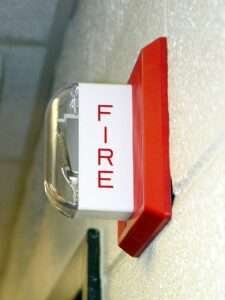
A fire alarm system can notify occupants when a fire condition is detected, depending on the type and design of the system.
The Building Code of Pakistan Fire Safety Provisions 2016 includes provisions for detection, alarm, and communication systems. Where building fire alarm systems or automatic fire detectors are required by the applicable provisions, they are to be provided and installed according to the specified requirements or approved standards.
For businesses researching a Fire alarm system in Pakistan, the kitchen should be considered as part of the building’s complete fire-safety assessment rather than viewed in isolation.
An alarm is most useful when it works together with:
– Clear emergency exits
– Evacuation procedures
– Emergency lighting
– Appropriate fire-protection systems
– Regular maintenance
– Occupant awareness
7. Kitchen Fire Detection Should Suit the Environment
Not every kitchen has the same conditions.
A domestic kitchen, restaurant kitchen, industrial food-production area, and hospital kitchen can have very different layouts and operating conditions.
Cooking activities can produce heat, vapour, and other conditions that need to be considered when designing fire detection.
Therefore, detection equipment should be selected according to the building’s fire-safety design and the environmental conditions in which it will operate.
Qualified fire-safety professionals can assess the building and determine appropriate detection and alarm arrangements.
8. Commercial Kitchens Need Extra Attention
Commercial kitchens can have long operating hours and multiple appliances operating simultaneously.
Restaurants, hotels, catering facilities, hospitals, schools, and other institutions may have larger cooking areas and more complex equipment than a typical household kitchen.
A commercial kitchen safety programme should consider:
– Cooking appliances
– Electrical equipment
– Ventilation systems
– Fuel systems
– Fire detection
– Alarm systems
– Emergency exits
– Staff training
– Cleaning and maintenance
– Emergency communication
Management should ensure that employees understand what an alarm means and where they should go during an evacuation.
9. Kitchen Ventilation Should Be Properly Maintained
Ventilation systems can be an important part of kitchen design, particularly in commercial environments.
Cooking produces heat, vapour, and airborne substances. Properly designed ventilation helps manage the kitchen environment.
Ventilation equipment should be maintained according to its design and applicable requirements.
Commercial kitchen operators should pay attention to the condition of ventilation equipment and arrange appropriate cleaning and maintenance.
Any modification to a ventilation system should be assessed professionally because changes can affect both kitchen operation and fire safety.
10. Keep Emergency Exits Clear
A kitchen emergency may require occupants to leave the building quickly.
Emergency routes should therefore remain clear.
Boxes, equipment, waste containers, furniture, and other objects should not obstruct corridors, stairways, or designated exits.
The Building Code of Pakistan Fire Safety Provisions includes requirements related to means of egress, while fire alarm provisions address notification and emergency communication.
A kitchen safety inspection should therefore include not only cooking equipment but also the route people will use to leave the building.
11. Staff Training Can Improve Preparedness
Kitchen employees should understand basic fire-safety responsibilities.
Training can cover:
– Recognizing common hazards
– Understanding alarm signals
– Knowing emergency exits
– Understanding evacuation procedures
– Reporting unsafe conditions
– Knowing the location of safety equipment
– Following management’s emergency plan
The Directorate General of Civil Defence provides fire-prevention and safety training in Pakistan, including Fire Prevention & Safety Courses and Fire Safety Management courses.
Training should be appropriate to the person’s role. Untrained individuals should not be expected to manage dangerous fire situations.
12. Fire Safety Equipment Requires Maintenance
Having fire-safety equipment installed does not guarantee that it will work when needed.
Equipment should be inspected and maintained according to its design, manufacturer’s requirements, applicable codes, and professional recommendations.
The Pakistan Engineering Council’s National Institute of Fire Technology also describes inspection of fire-prevention and firefighting appliances among its functions.
For commercial kitchens, management should maintain records of relevant inspections and servicing.
This can help identify equipment that requires attention before an emergency occurs.
13. A Fire Alarm Is Not a Replacement for Prevention
A common misunderstanding is that installing an alarm means a kitchen is automatically safe.
A fire alarm is an important component, but it cannot replace responsible cooking practices, equipment maintenance, electrical safety, good housekeeping, and emergency planning.
The best approach is layered protection.
This can include:
1. Preventing hazards
2. Detecting dangerous conditions
3. Alerting occupants
4. Providing safe evacuation routes
5. Maintaining appropriate fire-protection equipment
6. Training responsible personnel
7. Reviewing and improving the safety plan
Each layer supports the others.
14. Gas and Fuel Safety Should Be Considered
Some kitchens use gas or other fuel sources for cooking.
Fuel-related equipment should be installed, maintained, and inspected according to applicable requirements and qualified professional guidance.
People should never ignore suspected equipment problems.
If a serious fuel-related emergency is suspected, occupants should prioritize moving away from danger and following the established emergency plan rather than attempting repairs themselves.
Children should never be asked to investigate, repair, move, or operate hazardous fuel equipment during an emergency.
15. Emergency Procedures Should Be Easy to Understand
A kitchen emergency plan should be clear enough for employees and occupants to understand.
The plan can identify:
– How an emergency is reported
– How occupants are alerted
– Primary exit routes
– Alternative evacuation routes
– Assembly areas
– Staff responsibilities
– Procedures for visitors
– Arrangements for people needing additional assistance
A simple and regularly reviewed plan is easier to communicate than a complicated procedure that employees rarely see.
16. Fire Drills Help People Understand Evacuation
A fire drill gives occupants an opportunity to become familiar with emergency procedures before a real emergency occurs.
Employees should know:
– What the alarm sounds like
– Which exit they should use
– Where the assembly area is
– Who is responsible for checking different areas
– How visitors are accounted for
The Directorate General of Civil Defence actively provides fire-safety and emergency-preparedness training, and its current schedule includes Fire Prevention & Safety Courses in cities including Karachi, Lahore, Peshawar, Faisalabad, Quetta, and Muzaffarabad.
17. Children Need Simple Kitchen Safety Rules
Children may spend time in or near kitchens at home, schools, and other buildings.
Their safety education should focus on simple rules:
– Do not play near cooking appliances.
– Do not touch hot appliances.
– Do not handle electrical equipment without appropriate adult supervision.
– Stay away from fuel equipment.
– Tell a responsible adult if something looks unsafe.
– Follow evacuation instructions if an alarm sounds.
Children should not be expected to fight fires or handle hazardous equipment.
The purpose of children’s fire-safety education is prevention, recognition, communication, and safe evacuation.
18. Restaurants Should Include Fire Safety in Daily Operations
Restaurants often operate under time pressure, but safety should remain part of normal operations.
Management can incorporate safety checks into daily routines.
A basic review can ask:
– Are cooking areas clean?
– Are combustible materials stored appropriately?
– Are electrical appliances in good condition?
– Are exits clear?
– Are alarm systems operational?
– Are safety systems maintained?
– Do employees understand emergency procedures?
Regular attention can make fire safety part of the workplace culture instead of something considered only after an incident.
19. What to Do When a Kitchen Fire Is Suspected
When a serious kitchen fire or other immediate emergency is suspected, people should prioritize personal safety.
The appropriate response depends on the situation, building procedures, available safety systems, and the person’s training.
For untrained occupants, the safest priority is generally to raise the alarm, move away from danger, evacuate using the designated route, and contact emergency services as appropriate.
People should not remain in a dangerous area simply to protect property or retrieve belongings.
Children and other untrained occupants should leave emergency response activities to responsible adults and trained professionals.
20. Regular Kitchen Safety Inspections
Kitchen inspections can identify hazards before they develop into emergencies.
A simple checklist can include:
Kitchen Fire-Safety Checklist
– Are cooking appliances maintained?
– Is cooking attended appropriately?
– Is the stove or cooking surface kept clean?
– Are combustible materials away from heat?
– Are electrical outlets free from overloading?
– Are electrical cables and plugs in good condition?
– Is ventilation properly maintained?
– Are fuel systems inspected where applicable?
– Are emergency exits clear?
– Are alarm systems maintained?
– Are staff familiar with evacuation procedures?
– Are safety inspections documented?
This checklist should supplement, not replace, applicable regulations and professional assessments.
21. Why Professional Assessment Matters
Fire safety can become technically complex in large or commercial kitchens.
Building size, occupancy, cooking equipment, fuel type, ventilation, construction, evacuation routes, and fire-protection systems can all influence the appropriate safety arrangements.
The National Institute of Fire Technology in Islamabad provides advanced training in fire science and technology and fire consultancy services to organizations.
For larger facilities, professional assessment can help identify hazards and determine appropriate protective measures.
22. Kitchen Fire Safety in Pakistan
Kitchen fire safety is particularly important across Pakistan because cooking facilities exist in homes, restaurants, hotels, schools, hospitals, offices, factories, and other buildings.
Pakistan’s fire-safety framework includes the Building Code of Pakistan Fire Safety Provisions 2016, while PEC also lists the Building Code of Pakistan 2021 among its published codes and standards.
These resources demonstrate the importance of considering fire protection as part of building safety.
For businesses looking for fire-safety equipment and related solutions, “Fire Safety Trading” (https://Firesafetytrading.com.pk) can be explored as a source of information about fire-protection products and systems in Pakistan.
23. Building a Safer Kitchen Environment
A safer kitchen does not depend on one product.
It depends on several habits and systems working together.
A useful approach is:
Prevent → Detect → Alert → Evacuate → Maintain
Prevent
Reduce hazards through responsible cooking, good housekeeping, electrical safety, and proper equipment maintenance.
Detect
Use appropriate detection systems where required by the building’s design and applicable requirements.
Alert
Ensure occupants can receive an effective warning through appropriate alarm and notification systems.
Evacuate
Maintain clear emergency routes and ensure occupants understand where to go.
Maintain
Regularly inspect equipment, alarms, exits, and other safety measures.
This layered approach makes kitchen fire safety more systematic and easier to manage.
Final Thoughts
Kitchen fires can develop from everyday activities, which is why prevention and preparedness are so important.
Simple measures such as avoiding unattended cooking, maintaining clean cooking areas, keeping combustible materials away from heat, preventing electrical overloads, and maintaining equipment can reduce avoidable hazards. The Directorate General of Civil Defence specifically highlights several of these measures in its fire-safety guidance.
For larger buildings and commercial kitchens, fire detection, alarm systems, emergency exits, emergency lighting, staff training, and professional maintenance can provide additional layers of protection.
A Fire alarm system in Pakistan should be viewed as part of an integrated fire-safety strategy rather than as a standalone solution. Early warning is most valuable when occupants also have clear evacuation procedures and the building’s fire-protection systems are properly maintained.
Ultimately, kitchen fire safety is about preparation before an emergency happens. A clean and organized kitchen, responsible cooking practices, maintained safety systems, trained personnel, and clear evacuation procedures can all contribute to a safer environment.
Frequently Asked Questions
1. Why is kitchen fire safety important?
Kitchens contain heat-producing appliances, electrical equipment, fuel sources, and combustible materials. Good safety practices can help prevent hazards and improve preparedness if an emergency occurs.
2. Can a fire alarm system be used in a kitchen?
Fire alarm and detection arrangements depend on the building, occupancy, kitchen conditions, and applicable requirements. Professional assessment can help determine suitable detection and notification equipment.
3. What is the most important kitchen fire-safety practice?
There is no single measure that provides complete protection. Preventing unattended cooking, maintaining equipment, keeping combustible materials away from heat, maintaining electrical systems, and having appropriate emergency procedures are all important.
4. Should children be taught how to fight a kitchen fire?
Children should be taught prevention, alarm awareness, communication, and evacuation. They should not be expected to fight fires or operate hazardous firefighting or fuel equipment.
5. How often should kitchen fire-safety equipment be inspected?
Inspection and maintenance requirements vary according to the equipment, building, manufacturer’s instructions, applicable codes, and professional recommendations. Commercial kitchens should maintain an appropriate documented inspection and maintenance programme.