Renting a house, apartment, or commercial property does not mean fire safety is someone else’s responsibility. Although landlords and property managers may be responsible for maintaining certain building systems, tenants also play an important role in preventing fires and responding safely to emergencies.
In Pakistan, rented properties range from individual houses and apartments to shared accommodation and commercial spaces. Each type of property has different safety needs. Before moving in, renters should understand the building’s emergency arrangements, identify potential hazards, and know whom to contact if safety equipment is damaged or missing.
This guide covers ten important fire-safety points every renter should understand, helping tenants make informed decisions and create a safer living environment.
1. Check Smoke Alarms and Fire Alarm Systems
One of the first things renters should check is whether the property has suitable fire detection and alarm equipment.
Smoke alarms detect smoke and provide an early warning. Larger apartment buildings and commercial properties may have connected fire alarm systems that notify occupants across several rooms or floors.
A fire alarm system in Pakistan may include different components depending on the building’s size, layout, occupancy, and safety requirements. These can include smoke detectors, heat detectors, manual call points, sounders, and a central control panel.
When viewing a rental property, consider the following:
– Look for smoke alarms in appropriate locations.
– Ask whether the alarms are regularly inspected and maintained.
– Find out how residents are alerted when the shared building alarm activates.
– Ask the landlord or building manager how to report an alarm fault.
– Check whether emergency warnings can be heard in sleeping areas.
Never remove, cover, disconnect, or interfere with an alarm. If an alarm appears damaged or does not work as expected, report the problem and request professional attention.
Remember that an alarm is only one part of fire protection. Occupants also need clear exits and a practical evacuation plan.
2. Inspect Electrical Safety Before Moving In
Electrical faults are an important fire-safety concern in rental properties. Damaged wiring, faulty appliances, and unsuitable electrical connections can create dangerous conditions.
Renters may not have permission or qualifications to inspect the property’s electrical installation, but they can look for obvious warning signs during a viewing.
Pay attention to:
– Cracked or damaged electrical sockets.
– Exposed or visibly damaged cables.
– Broken switches.
– Signs of overheating around outlets.
– Loose electrical fittings.
– Poorly maintained electrical appliances.
– Connections that appear overloaded.
If you notice a concern, inform the landlord or property manager. Electrical repairs and inspections should be handled by a qualified electrician.
After moving in, avoid overloading sockets with multiple high-power appliances. Follow appliance instructions and stop using equipment that appears damaged.
Do not attempt to open electrical panels, repair exposed wiring, or investigate electrical faults yourself. Keeping away from a suspected electrical hazard and reporting it promptly is the safer approach.
3. Make Sure Escape Routes Are Clear
A clear escape route can make a significant difference during an emergency. Renters should understand how to leave the property without having to move furniture, boxes, or other belongings.
During a property visit, identify the main exit and any alternative routes provided by the building.
Check whether:
– Corridors are free from stored items.
– Stairways are accessible.
– Exit doors can be opened as intended.
– Emergency exit signs are visible where required.
– Shared passageways are not blocked.
– The route leads towards a safe outdoor area.
This is especially important in apartment buildings, hostels, and shared accommodation, where residents depend on common corridors and staircases.
Do not store personal belongings in shared escape routes. Even if an object seems small, it may obstruct movement or create difficulties during an evacuation.
If an emergency exit is locked, blocked, damaged, or difficult to access, report it to building management immediately. Do not try to make unauthorised changes to doors or building systems.
4. Understand Your Building’s Gas Safety Arrangements
Some rented homes in Pakistan use gas appliances for cooking, water heating, or room heating. These appliances require appropriate installation, ventilation, and maintenance.
Renters should ask whether gas appliances have been professionally checked and whether any known problems need attention.
Be aware of warning signs such as:
– A damaged or poorly maintained appliance.
– A suspected gas leak.
– Unusual appliance behaviour.
– Inadequate ventilation.
– Damaged visible connections.
If you suspect a gas leak, leave the affected area and alert the responsible adult, landlord, or relevant emergency service from a safe location. Avoid using electrical switches or creating ignition sources in the affected area. Follow instructions from the relevant gas utility or emergency responders.
Do not attempt to repair gas pipes, connections, or appliances yourself.
It is also important to understand that carbon monoxide can be produced by faulty fuel-burning appliances. It is dangerous and cannot be reliably identified by smell. Appropriate appliance maintenance and suitable detection arrangements can help reduce this risk.
5. Know Where Fire Extinguishers and Other Safety Equipment Are Located
Many apartment buildings and commercial rental properties have shared fire-safety equipment.
Depending on the building’s design and requirements, this may include:
– Fire extinguishers.
– Fire hose reels.
– Smoke detectors.
– Fire alarm call points.
– Emergency lights.
– Exit signs.
– Fire doors.
– Sprinkler systems.
Renters should know where shared equipment is located and understand its general purpose.
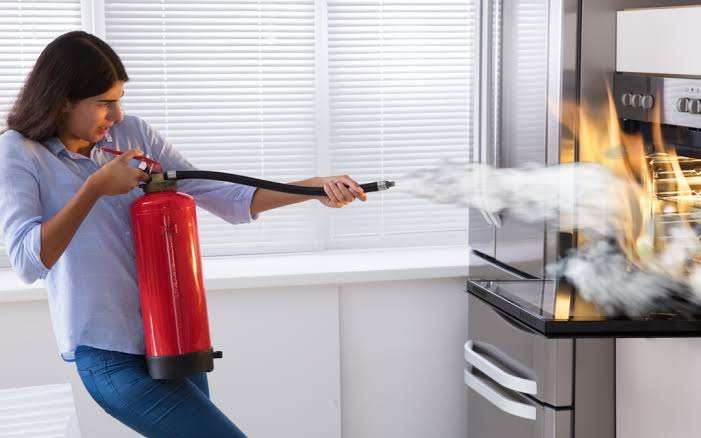
However, knowing where an extinguisher is located does not mean a tenant should attempt to fight a fire. Fire extinguishers are designed for particular fire risks and should only be used by trained people when it is safe and appropriate.
If a fire occurs, tenants should prioritise raising the alarm, leaving the building, and contacting emergency services from a safe location.
Never move, hide, damage, or obstruct safety equipment. If equipment appears missing, damaged, or inaccessible, report it to the building manager.
6. Learn the Building’s Evacuation Procedure
Every renter should understand what to do if a fire alarm sounds or a fire is discovered.
An evacuation procedure explains how occupants should leave a building and where they should gather afterwards.
Before moving in, ask the landlord or property manager:
– Which exit should residents normally use?
– Are alternative exits available?
– Where is the assembly point?
– How are residents informed about emergencies?
– Who is responsible for coordinating evacuation?
– Are evacuation drills organised for residents?
If you live in a multi-storey building, learn the designated stairway or escape route. Do not assume that the main entrance is always the safest way out.
When an alarm activates, follow the building’s emergency instructions. Leave promptly using a safe route, avoid lifts unless an approved emergency procedure specifically permits their use, and do not return for personal belongings.
If your normal route is affected by smoke or fire, do not enter the danger area. Follow the building’s alternative emergency arrangements and instructions from responders.
7. Use Cooking Appliances and Heating Equipment Responsibly
Cooking and heating equipment are common parts of everyday life, but unsafe use can increase fire risks.
Renters should understand how the appliances supplied with the property are intended to operate. They should also report equipment that appears damaged or poorly maintained.
Useful precautions include:
– Follow the manufacturer’s operating instructions.
– Keep paper, curtains, clothing, and other combustible materials away from heat sources.
– Do not leave cooking unattended.
– Keep children away from hot appliances.
– Avoid using damaged electrical heaters.
– Do not use appliances for purposes they were not designed for.
– Arrange professional checks when equipment appears faulty.
In shared accommodation, discuss safe use of cooking facilities with other residents. Keep communal kitchens organised and report damaged appliances or unsafe conditions.
Tenants should not attempt to modify heating equipment, gas connections, or electrical installations. These tasks require appropriate professional expertise.
8. Prepare a Household Fire Escape Plan
Knowing where the exits are is helpful, but every household should also have a simple emergency plan.
A household escape plan helps family members understand how to leave the property and where to meet after reaching safety.
A basic plan should include:
Main exit: Identify the normal route out of the property.
Alternative route: Understand whether another safe exit is available.
Meeting point: Choose a safe outdoor location away from the building.
Emergency contacts: Keep important contact information accessible.
Special assistance: Consider the needs of children, older adults, and people who may require help during an evacuation.
Household communication: Make sure everyone understands the plan, including people who may not be at home every day.
Parents and guardians should explain the plan to children in calm, simple language. Children should know to follow responsible adults, leave belongings behind, and never hide during an evacuation.
If you live in an apartment building, your household plan should follow the building’s official emergency arrangements.
Review the plan when household members change, furniture is moved, or the building’s exit arrangements are updated.
9. Understand the Responsibilities of Tenants and Landlords
Fire safety in a rental property is a shared responsibility, although the exact legal duties depend on the property, rental agreement, local regulations, and applicable building requirements.
Landlords and property managers may be responsible for building-related maintenance, supplied safety equipment, shared escape routes, and common fire-protection systems. Tenants are generally responsible for using the property responsibly, avoiding unnecessary hazards, and reporting problems.
Before signing a rental agreement, discuss important safety matters with the landlord.
Useful questions include:
– Who maintains smoke alarms and other supplied safety equipment?
– Who arranges repairs to electrical installations?
– How should tenants report urgent safety problems?
– Are shared fire alarms and emergency lights maintained?
– Who manages the building’s evacuation arrangements?
– Are residents informed about emergency procedures?
Keep written records of important maintenance requests and responses. Where it is safe to do so, photographs of visible defects can help explain a problem.
If a serious safety issue remains unresolved, consider contacting the relevant local authority or seeking appropriate legal or tenant-support advice.
Tenants should not assume that every building has the same requirements or that a general rental agreement explains all fire-safety responsibilities.
10. Understand Fire Safety Requirements in Pakistan
Fire-safety requirements in Pakistan can vary according to the building’s location, occupancy, size, design, and applicable regulations.
The Building Code of Pakistan – Fire Safety Provisions 2016 is an important reference for building fire protection and life safety. It addresses matters such as detection and alarm systems, means of escape, fire protection, and emergency arrangements.
Punjab Civil Defence identifies several measures considered during relevant fire-safety inspections, including:
– Fire detection and alarm systems.
– Firefighting arrangements.
– Fire-safety plans.
– Emergency fire-control facilities.
– Emergency exits.
– Evacuation plans.
– Ventilation and air-conditioning arrangements.
The Punjab Community Safety Buildings Regulations 2022 also provide requirements for relevant buildings in Punjab.
For renters, the practical lesson is to ask whether the property has suitable safety arrangements and whether building management takes maintenance seriously.
People renting flats in multi-storey buildings should pay particular attention to shared stairways, emergency lighting, fire doors, alarm systems, and evacuation arrangements.
A property should not be considered safe simply because it looks attractive or has recently been renovated. The condition of safety equipment and the availability of usable escape routes are important considerations.
A Simple Fire Safety Checklist for Renters
Use this checklist when viewing a rental property or preparing to move in.
Fire detection and alarms
– [ ] Suitable smoke alarms or detection arrangements are present where appropriate.
– [ ] The landlord can explain how alarm faults are reported.
– [ ] Shared alarm arrangements are understood.
– [ ] Damaged or missing equipment has been reported.
Electrical and gas safety
– [ ] No obvious electrical damage has been ignored.
– [ ] Faulty appliances have been reported.
– [ ] Gas appliances have appropriate maintenance arrangements.
– [ ] Ventilation arrangements are understood.
Escape routes
– [ ] The main exit is identifiable.
– [ ] Alternative routes are understood where available.
– [ ] Shared corridors and stairways are clear.
– [ ] Emergency exits are accessible.
– [ ] The outdoor assembly point is known.
Household preparation
– [ ] Family members understand the evacuation plan.
– [ ] Children know to alert an adult and leave safely.
– [ ] Emergency contact information is available.
– [ ] The landlord’s or property manager’s contact details are accessible.
This checklist is a starting point, not a formal inspection or guarantee of legal compliance. Serious concerns should be assessed by qualified professionals or the relevant authority.
Conclusion
Fire safety is an important part of renting a house, apartment, or commercial property. Tenants may not control the building’s structure or shared systems, but they can still take practical steps to protect themselves and others.
Checking alarms, recognising electrical and gas hazards, keeping escape routes clear, understanding emergency procedures, and communicating with landlords are all important responsibilities.
In Pakistan, rental properties differ considerably in design and available fire-protection arrangements. Renters should therefore assess the actual property rather than assume that every building offers the same level of safety.
A suitable fire alarm system in Pakistan, clear exits, maintained safety equipment, and a household escape plan can all contribute to a safer living environment. When landlords, property managers, and tenants communicate effectively, potential problems are more likely to be identified and addressed.
Frequently Asked Questions (FAQs)
1. What should renters check for fire safety before moving in?
Renters should check for suitable smoke alarms, clear escape routes, visible electrical damage, maintained cooking appliances, accessible shared safety equipment, and clear emergency arrangements. Any serious concerns should be reported to the landlord or property manager.
2. Are landlords responsible for fire safety in rental properties?
Landlord responsibilities depend on the rental agreement, property type, and applicable laws. Building-related systems and shared safety arrangements may fall under the landlord’s or property manager’s responsibilities. Tenants should clarify maintenance responsibilities before moving in.
3. Why is a fire alarm system important for renters?
A fire alarm system can provide an early warning when connected detection devices identify a fire-related condition. It helps occupants recognise a possible emergency and follow evacuation procedures. Renters should know how the building’s alarm works and how to report faults.
4. What should tenants do if an emergency exit is blocked?
Tenants should report the obstruction to the landlord, property manager, or building administration promptly. They should avoid storing personal belongings in escape routes and should not attempt unauthorised changes to emergency doors or building systems.
5. How can renters prepare for a fire emergency?
Renters can prepare by identifying safe exits, learning the building’s alarm arrangements, agreeing on an outdoor meeting point, keeping emergency contact information accessible, and making sure household members understand the evacuation plan. During an emergency, occupants should leave promptly and contact emergency services from a safe location.