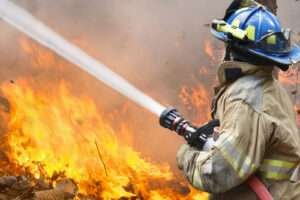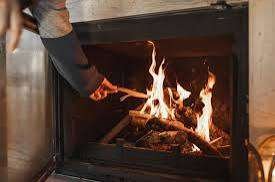
Winter brings cooler temperatures, longer nights, and increased use of heating appliances in homes, offices, schools, shops, and industrial buildings. Room heaters, electric blankets, geysers, cooking equipment, and backup power systems can make daily life more comfortable during cold weather. However, when these appliances are damaged, poorly maintained, or used incorrectly, they can also create serious fire hazards.
In Pakistan, winter conditions differ from one region to another. Some areas experience particularly cold temperatures, while others use heating equipment only during occasional cold spells. Regardless of the weather, seasonal changes can increase electricity consumption and encourage households to use appliances for longer periods.
Understanding common winter fire hazards is an important step toward protecting people and property. Families and building managers can reduce many risks through safe appliance use, electrical maintenance, suitable ventilation, early fire detection, and emergency planning.
A fire alarm system in Pakistan can provide an important layer of protection by warning occupants when a potential fire is detected. However, alarms are most effective when combined with preventive measures, maintained equipment, and a clear plan for reaching safety.
What Are Winter Fire Hazards?
Winter fire hazards are conditions, activities, or equipment-related problems that may increase the possibility of a fire during colder weather.
Many of these hazards are connected to the additional heating equipment used during winter. Electrical appliances may operate for extended periods, while fuel-burning heaters and cooking equipment require careful handling and suitable ventilation.
Common examples include:
– Damaged electrical heaters and power cables
– Overloaded electrical outlets
– Poorly maintained gas heaters
– Electric blankets with damaged wiring
– Combustible materials placed close to heaters
– Unsafe use of candles and open flames
– Poorly maintained geysers and heating appliances
– Improper use of generators
– Blocked ventilation openings
– Neglected fire alarms and other safety equipment
These risks can occur in residential and commercial properties. Identifying them early helps people take appropriate precautions before an emergency develops.
Why Can Fire Risks Increase During Winter?
Several seasonal changes can affect fire safety.
Increased Use of Heating Equipment
People may use room heaters, electric blankets, water heaters, and other appliances more frequently during cold weather.
Equipment that is rarely used during warmer months may have developed faults or become damaged while in storage. Using it without checking its condition can introduce unnecessary risks.
Higher Electricity Consumption
Additional heating appliances can increase demand on electrical installations.
If wiring, outlets, plugs, or extension equipment are unsuitable for the connected load, electrical problems may develop.
Reduced Ventilation
Some people keep windows and doors closed to retain warmth. However, fuel-burning appliances need suitable ventilation and must be installed and maintained according to their instructions.
Insufficient ventilation can create dangerous indoor conditions, including a risk of carbon monoxide exposure.
Longer Periods Indoors
Families may spend more time inside during colder weather. Cooking, heating, charging devices, and using electrical appliances can all take place more frequently.
This makes everyday fire-safety habits particularly important.
1. Use Room Heaters Carefully
Room heaters are common in colder parts of Pakistan. Electric and fuel-burning models have different operating requirements, but both need appropriate care.
Before using a heater, check its visible condition. Damaged cables, broken switches, loose components, unusual smells, or abnormal operation should be treated as warning signs.
Important safety considerations include:
– Use equipment suitable for its intended purpose.
– Follow the manufacturer’s operating instructions.
– Keep curtains, bedding, clothing, paper, and furniture away from heat sources.
– Place portable heaters on stable surfaces as instructed.
– Keep children away from hot surfaces.
– Do not cover heaters with clothes or blankets.
– Avoid using damaged or modified appliances.
– Switch off equipment according to its instructions when it is not needed.
The Building Code of Pakistan – Fire Safety Provisions 2016 includes requirements and safeguards relating to portable heating appliances. These include suitable equipment, safe placement, and keeping combustible furnishings away from certain heaters. <Cite refs={[“turn516029search21”]}/>
Children and teenagers should never attempt to repair heaters or electrical components. Any technical problem should be assessed by an appropriately qualified professional.
2. Understand the Risks of Gas Heaters
Gas heaters can provide warmth, but they require particular attention to safe installation, ventilation, and maintenance.
A faulty appliance, damaged gas connection, or unsuitable indoor environment can create serious hazards. Fuel-burning equipment may also produce carbon monoxide, a dangerous gas that cannot be reliably identified by smell.
For safer use:
– Have gas appliances inspected and maintained by qualified professionals.
– Follow the manufacturer’s ventilation requirements.
– Do not use equipment that appears damaged or operates abnormally.
– Keep combustible materials away from heating appliances.
– Do not leave heating equipment unattended when its instructions prohibit it.
– Follow the appliance’s instructions about switching it off.
– Keep children away from gas appliances and their connections.
Pakistan State Oil’s safety bulletin also highlights the importance of proper ventilation, suitable installation, regular maintenance, and keeping combustible materials away from gas heaters. <Cite refs={[“turn516029search25”]}/>
What If You Notice a Gas Smell?
A suspected gas leak should always be treated seriously.
Do not light matches, use flames, or operate electrical switches or appliances in the affected area. Move away from the suspected leak, alert a responsible adult or building manager, and contact the relevant gas emergency service from a safe location.
Children and teenagers should never investigate a suspected leak or attempt to repair a gas appliance.
3. Check Electrical Cables and Outlets
Electrical safety becomes especially important when heaters and other high-power appliances are used more frequently.
Damaged wiring, loose connections, unsuitable extension leads, and overloaded outlets can create electrical hazards.
Look out for warning signs such as:
– Cracked or damaged cable insulation
– Loose plugs
– Discolored electrical outlets
– Burning smells
– Unusual buzzing sounds
– Equipment that becomes excessively hot
– Repeated interruptions in electrical supply
If an appliance or outlet appears unsafe, stop using it when safe to do so and arrange a professional inspection.
Avoid connecting several high-power appliances to one outlet or using unsuitable adapters. Electrical installations should be designed and maintained by qualified professionals according to applicable requirements.
4. Take Care When Using Electric Blankets
Electric blankets and heated bedding can be useful during colder weather, but damaged electrical components may create overheating or fire risks.
Before use, check the blanket for visible damage and follow the manufacturer’s instructions.
Pay attention to:
– Frayed or damaged cables
– Worn insulation
– Broken controls
– Unusual heating
– Signs of deterioration
– Incorrect folding or storage
Do not use an electric blanket that appears damaged or behaves abnormally.
Some blankets have specific instructions about whether they can remain switched on overnight. Follow the manufacturer’s guidance rather than assuming all models operate in the same way.
Never place damaged electrical bedding back into service without appropriate assessment.
5. Keep Combustible Materials Away From Heat Sources
Clothing, curtains, bedding, paper, cardboard, and furniture can increase fire risk when placed too close to heating equipment.
During winter, people sometimes place clothes near heaters to help them dry. This can be dangerous, especially when the appliance is not designed for that purpose.
Keep combustible materials away from heaters, cooking appliances, and other heat-producing equipment.
Storage areas should also remain organized. Avoid allowing unnecessary clutter to accumulate around electrical panels, heating equipment, or exit routes.
6. Maintain Geysers and Other Water-Heating Equipment
Geysers and water heaters may receive increased use during winter.
Like other fuel-burning or electrical appliances, they require suitable installation and maintenance.
A poorly maintained appliance may develop problems involving its electrical connections, fuel supply, ventilation, or other components.
Building owners and households should arrange appropriate professional servicing and follow the manufacturer’s instructions.
Bathrooms and other enclosed spaces require particular attention when fuel-burning appliances are involved. Suitable ventilation and correct installation are important safety considerations.
Do not attempt to modify a geyser, repair its internal components, or interfere with its fuel connections without appropriate professional assistance.
7. Use Cooking Appliances Safely
Cooking continues throughout winter, and kitchens remain an important area for fire prevention.
People may prepare more hot meals and drinks during colder weather, increasing the use of stoves, ovens, kettles, and other appliances.
Keep cooking areas organized and avoid placing combustible materials close to heat sources.
Families should also ensure that children are supervised around cooking equipment.
If a cooking appliance develops a fault, stop using it when safe and arrange an appropriate inspection.
Kitchen safety should also include suitable household detection arrangements and an emergency plan that everyone understands.
8. Be Careful With Candles and Open Flames
Some households use candles or other open flames during power interruptions or for additional warmth and lighting.
These can introduce fire risks if left unattended or placed close to combustible materials.
Safer winter planning includes keeping suitable battery-powered lights available for power interruptions.
If candles are used by responsible adults, they should be placed in stable, appropriate holders and kept away from curtains, paper, bedding, and other materials that can burn. They should never be left unattended or burning while people sleep.
The National Fire Protection Association recommends preparing battery-powered lighting for power outages and avoiding candles as an emergency lighting solution. <Cite refs={[“turn516029search22”]}/>
9. Use Generators Responsibly
Power interruptions can encourage households and businesses to use backup generators.
Generators create separate electrical and combustion-related hazards. They must be installed and operated according to manufacturer instructions and applicable safety requirements.
Important precautions include:
– Keep generators outdoors in an appropriate location.
– Never operate a generator inside a home or enclosed garage.
– Keep exhaust away from doors, windows, and ventilation openings.
– Arrange professional installation where required.
– Keep fuel and other combustible materials appropriately stored.
– Do not attempt electrical modifications without qualified assistance.
Generator exhaust can contain carbon monoxide, which is dangerous and may cause serious harm.
The NFPA’s winter safety guidance specifically warns against running generators inside garages, even when garage doors are open. <Cite refs={[“turn516029search22”]}/>
10. Install and Maintain Suitable Fire Detection
Early warning is an important part of winter fire safety.
A suitable smoke alarm or fire detection system can alert occupants when smoke or another fire-related condition is detected, depending on the equipment.
This warning may be especially valuable at night, when household members may not immediately notice a developing fire.
When considering a fire alarm system in Pakistan, property owners should assess the type of building, its layout, occupancy, and applicable safety requirements.
Important considerations include:
– Suitable detector selection
– Appropriate placement
– Audible warning coverage
– Reliable power arrangements
– Regular testing
– Manufacturer-recommended maintenance
– Clear procedures for responding to an alarm
A small home may need a different arrangement from a large office, apartment building, factory, or shopping centre.
For larger or more complex properties, system design, installation, commissioning, and maintenance should be handled by appropriately qualified professionals.
Punjab Civil Defence identifies fire detection and alarm systems, firefighting arrangements, fire-safety plans, emergency exits, and evacuation plans among the measures considered during inspections of relevant premises. <Cite refs={[“turn516029search2”]}/>
11. Prepare a Winter Emergency Plan
Fire prevention reduces hazards, but families and building managers should also prepare for emergencies.
A simple plan should explain:
1. How occupants will recognize an emergency.
2. Which exits they should use.
3. Where they should gather outside.
4. How children and people needing assistance will be supported.
5. Who will contact emergency services.
Keep corridors, stairways, and exit doors accessible.
Household members should know the designated outdoor meeting point and understand that they must not return inside until emergency responders or the responsible authority confirm it is safe.
The National Disaster Management Authority’s educational material also recommends household escape planning, smoke detection, checking electrical equipment, and selecting an outdoor family meeting point. <Cite refs={[“turn516029search23”]}/>
12. Protect Children and Older Family Members
Winter fire safety should account for everyone who uses a building.
Children may not recognize the risks associated with heaters, electrical outlets, or cooking equipment. Parents and guardians should explain basic safety rules and provide suitable supervision.
Children should know:
– Heaters are not toys.
– Electrical outlets and damaged cables must not be touched.
– Matches and lighters should only be handled by responsible adults.
– A fire alarm should always be taken seriously.
– They should tell an adult if they notice smoke, unusual smells, or damaged equipment.
– They should follow the household evacuation plan during an emergency.
Older adults and people with mobility or other support needs may require additional assistance during evacuation.
Families and building managers should consider these needs when preparing emergency arrangements.
13. Inspect Your Property Before Winter
A seasonal inspection can help identify problems before heating equipment is used more frequently.
Homeowners, landlords, and building managers can review several areas.
Heating Equipment
Check the visible condition of heaters and arrange professional maintenance where needed.
Electrical Installations
Look for visible damage to cables, plugs, and outlets. Have electrical problems assessed by qualified professionals.
Gas Appliances
Ensure that suitable maintenance and ventilation arrangements are in place.
Fire Detection Equipment
Check alarms according to manufacturer instructions and address any faults.
Escape Routes
Ensure that doors, corridors, stairways, and exits are accessible.
Emergency Lighting
Where installed or required, ensure that emergency lighting receives appropriate inspection and maintenance.
A planned inspection is more effective than waiting until an appliance stops working or an emergency occurs.
14. Common Winter Fire-Safety Mistakes
Even households that understand general fire safety can overlook seasonal risks.
Using Damaged Heaters
Continuing to use faulty equipment can increase risk. Appliances showing damage or abnormal operation should be assessed before further use.
Overloading Electrical Outlets
Connecting several high-power appliances through unsuitable adapters or extension leads can create electrical hazards.
Ignoring Ventilation
Keeping a room completely closed while using fuel-burning equipment may create dangerous indoor conditions.
Drying Clothes on Heaters
Placing clothes or blankets over heating appliances can introduce a fire hazard.
Forgetting Alarm Maintenance
A fire alarm that is not maintained according to its instructions may not provide the expected warning.
Blocking Emergency Exits
Seasonal storage, furniture, and other items should not obstruct corridors, stairways, or exit doors.
Leaving Equipment Unattended
Heating and cooking equipment should be used according to manufacturer instructions. Never ignore restrictions on unattended operation.
A Practical Winter Fire-Safety Checklist
Use this checklist as a general starting point for households and building managers.
– [ ] Heating appliances are in suitable working condition.
– [ ] Heaters are used according to manufacturer instructions.
– [ ] Combustible materials are kept away from heat sources.
– [ ] Electrical cables, plugs, and outlets are checked for visible damage.
– [ ] High-power appliances are connected appropriately.
– [ ] Gas appliances receive suitable professional maintenance.
– [ ] Fuel-burning equipment has appropriate ventilation.
– [ ] Electric blankets are checked and used correctly.
– [ ] Generators are operated in suitable outdoor locations.
– [ ] Cooking areas are kept organized.
– [ ] Fire alarms are tested and maintained as instructed.
– [ ] Corridors, stairways, and exits remain clear.
– [ ] Family members understand the emergency plan.
– [ ] Emergency contacts are accessible.
This checklist is intended for general awareness. It does not replace professional inspection or building-specific fire-safety requirements.
Understanding Winter Fire Safety Requirements in Pakistan
Fire safety in Pakistan involves building regulations, local authority requirements, and relevant professional standards.
The Building Code of Pakistan – Fire Safety Provisions 2016 addresses fire prevention, means of egress, fire protection, and other life-safety matters. It also includes provisions concerning heating equipment and associated safeguards. <Cite refs={[“turn516029search21”]}/>
Punjab Civil Defence identifies fire detection and alarm systems, fire-safety plans, firefighting arrangements, and emergency exits among the measures inspected in relevant industrial, commercial, and high-rise premises. <Cite refs={[“turn516029search2”]}/>
Requirements may vary depending on the location, occupancy, and nature of a property. Owners and managers should check the regulations that apply to their specific building and seek qualified advice when technical assessments are necessary.
Final Thoughts
Winter can increase the use of heaters, electric blankets, geysers, generators, and other household appliances. Although these devices provide comfort and convenience, unsafe operation and poor maintenance can introduce avoidable fire hazards.
The most effective approach combines prevention, equipment maintenance, suitable ventilation, early detection, and emergency preparedness.
A fire alarm system in Pakistan can provide an important warning when a potential fire is detected, but it should be part of a wider safety arrangement rather than the only protective measure.
Families should check their heating equipment, maintain electrical installations, keep combustible materials away from heat so