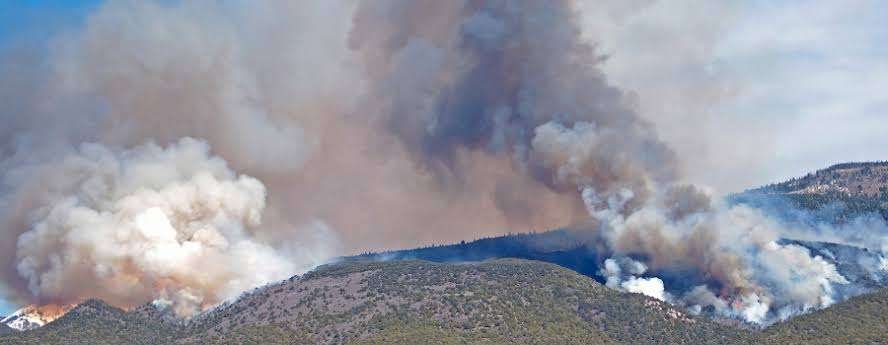
Wildfires can spread across forests, grasslands, hillsides, and dry vegetation, threatening homes, wildlife, roads, and nearby communities. They can develop quickly when dry conditions, strong winds, and available vegetation combine. Even families who live far from a forest may be affected by smoke, falling embers, damaged roads, or evacuation warnings.
Many people believe wildfires are only a concern for remote areas. However, homes located near trees, fields, open land, or dry vegetation can also face risks. In Pakistan, wildfire preparedness is particularly relevant to communities near forested and mountainous areas, as well as locations where dry vegetation can catch fire.
The good news is that families can take practical steps to prepare. Learning about local warnings, planning evacuation routes, keeping emergency supplies ready, and reducing fire hazards around the home can improve readiness.
A fire alarm system in Pakistan can help protect a building by providing an appropriate warning when a fire is detected indoors. However, a conventional building alarm is not a substitute for outdoor wildfire alerts or an evacuation plan. Families need to understand both building fire safety and the steps required when a wildfire threatens their area.
This guide explains the basics of wildfire safety, how to prepare your home, what to do when a fire approaches, and how families can protect themselves before, during, and after an emergency.
1. Understand What Causes Wildfires
A wildfire is an uncontrolled fire that spreads through natural vegetation, such as grass, bushes, shrubs, and trees. Some fires begin naturally, while many are associated with human activities.
Potential causes include unattended outdoor fires, discarded burning materials, sparks from equipment, unsafe burning of waste, and electrical faults affecting nearby vegetation. Dry weather, low humidity, and strong winds can make conditions more favourable for rapid fire spread.
Wildfires may also produce embers that travel beyond the main fire area. These embers can land on dry leaves, roofs, gardens, or other combustible materials and start new fires.
Understanding these risks helps families make better decisions about outdoor activities and property maintenance.
The National Disaster Management Authority (NDMA) of Pakistan includes wildfire preparedness, evacuation planning, early warnings, and fire-resistant surroundings among its recommended disaster-management measures. Families can support these efforts by following local safety guidance and avoiding activities that could start fires. “NDMA wildfire preparedness guidance” (https://ndma.gov.pk/public/storage/plans/April2025/HRSpmiJPAtq09Hp0VZLJ.pdf).
2. Know Whether Your Home Is at Risk
Not every neighbourhood faces the same level of wildfire danger. The risk depends on the surrounding landscape, vegetation, weather conditions, access roads, and the location of buildings.
Families should pay attention if their homes are near:
– Forests, wooded hills, or scrubland.
– Dry grass, fields, or undeveloped plots.
– Areas where vegetation has accumulated close to buildings.
– Narrow roads that could become difficult to use during an evacuation.
– Communities with limited access for emergency responders.
Living in an urban area does not mean a household can ignore fire safety. A nearby grass fire or smoke from a distant wildfire may still affect air quality, transport, and daily activities.
Ask local authorities whether your neighbourhood has wildfire warnings, evacuation arrangements, or designated emergency shelters. Learn which official channels provide reliable updates in your area.
Preparedness is most effective when families understand the specific hazards around their homes instead of relying on general assumptions.
3. Create a Family Wildfire Emergency Plan
A family emergency plan should explain how everyone will communicate, where they will go, and what they should do if an evacuation becomes necessary.
Do not wait until smoke is visible to discuss these arrangements. During an emergency, phone networks may be busy, roads may become crowded, and family members may be in different locations.
Your plan should include:
– A safe meeting point away from the threatened area.
– An out-of-area contact who can help family members share updates.
– Primary and alternative evacuation routes.
– Emergency contact numbers.
– Arrangements for children, older adults, and anyone who may need assistance.
– A plan for pets and other animals.
– A list of essential medicines and important documents.
– Instructions for contacting family members after reaching safety.
Make sure children understand the plan in simple language. Explain that they should follow trusted adults and emergency officials rather than returning to collect personal belongings.
Review the plan periodically and whenever your family’s circumstances or local conditions change.
The US Fire Administration also recommends that families identify evacuation routes, establish communication plans, and practise their emergency arrangements before a wildfire occurs. “Wildfire evacuation guidance” (https://www.usfa.fema.gov/wui/outreach/wildfire-evacuation.html).
4. Prepare an Emergency Go-Bag
An emergency go-bag is a bag containing essential items that a family may need to take when leaving quickly. Preparing it in advance reduces the need to search for supplies during an evacuation.
Consider including:
– Drinking water and ready-to-eat food.
– Essential medicines and basic first-aid supplies.
– Identification and copies of important documents.
– Emergency contact details.
– A torch and spare batteries.
– A phone charger or power bank.
– Suitable clothing and sturdy footwear.
– Personal hygiene items.
– Supplies for babies, older adults, or family members with additional needs.
– Food and necessary supplies for pets, where applicable.
Store the bag somewhere accessible, but not in a place that could become difficult or dangerous to reach during a fire.
Check its contents periodically, replacing expired food, updating documents, and ensuring that devices and batteries remain usable.
Keep important documents protected, and consider maintaining secure digital copies where practical.
Remember that a go-bag is intended to support evacuation, not delay it. If authorities tell you to leave, do not spend valuable time collecting extra belongings.
5. Reduce Fire Hazards Around Your Home
Home maintenance can help reduce the amount of combustible material close to a building. This is especially important for houses near dry vegetation or open land.
A safer outdoor area may include well-maintained surroundings, fewer accumulated leaves, and appropriate separation between vegetation and the building.
Practical measures include:
– Removing dry leaves and dead vegetation from around the home.
– Keeping outdoor areas reasonably clear of unnecessary combustible waste.
– Storing firewood and other combustible materials away from the building where appropriate.
– Maintaining trees and shrubs responsibly.
– Keeping access routes clear for residents and emergency responders.
– Following local rules for outdoor burning and waste disposal.
– Avoiding activities that may create sparks during periods of elevated fire danger.
Do not remove vegetation or cut trees in ways that could create other hazards. Large trees, steep slopes, and property boundaries may require professional advice.
If your property is close to a forest or other high-risk area, ask local authorities or a qualified professional about suitable landscaping and building-protection measures.
These steps cannot guarantee that a wildfire will not affect a property, but they can help reduce avoidable hazards.
6. Understand the Role of Fire Alarms and Detection Systems
Wildfire preparedness involves more than protecting the outdoor area. A fire or smoke incident inside the home can create a separate emergency, and suitable detection equipment may provide an important warning.
Smoke alarms and other fire detection devices are designed for specific environments. Their suitability depends on factors such as building layout, placement, the type of detector, and the manufacturer’s instructions.
A properly selected fire alarm system in Pakistan may be relevant for houses, apartment buildings, commercial premises, and other properties, depending on the building’s needs and applicable requirements.
However, it is important to understand the difference between two kinds of warning:
Building fire alarms: These detect or warn of certain fire conditions within a building, according to the system’s design.
Wildfire alerts: These communicate information about an outdoor fire, changing conditions, or evacuation instructions through appropriate official channels.
A household should not assume that an indoor alarm will warn residents when a wildfire is approaching from outside. Outdoor awareness and official emergency alerts remain essential.
For suitable building protection, consult a qualified fire safety professional about detector selection, system installation, testing, and maintenance. Keep the household’s evacuation plan separate and clear so everyone knows what to do if either type of emergency occurs.
7. Stay Informed About Weather and Wildfire Warnings
Conditions can change quickly during a wildfire. Wind direction, dry vegetation, and weather conditions can affect how a fire spreads and which communities may be threatened.
Families should monitor reliable information from relevant authorities, local administration, disaster-management agencies, and official weather services.
In Pakistan, the Pakistan Meteorological Department publishes fire-prevention, firefighting, and emergency-evacuation standard operating procedures. Its official website is a useful starting point for weather-related safety information and relevant guidance. “Pakistan Meteorological Department fire safety guidance” (https://weather.gov.pk/home/page/111/fire-prevention-sops).
During periods of elevated fire danger:
– Keep mobile phones charged.
– Check official updates regularly.
– Make sure family members know how warnings will reach them.
– Keep the emergency bag accessible.
– Review the routes you would use to leave the area.
– Avoid spreading unverified reports or rumours.
– Follow instructions from local authorities.
Do not rely on a single information source if alternative official channels are available. If communication services become unreliable, use the arrangements established in your family emergency plan.
8. Know When and How to Evacuate
Evacuation is one of the most important aspects of wildfire safety. A family should leave promptly when instructed by authorities and should not wait until flames or heavy smoke are close to the property.
Wildfires can move unpredictably. Smoke, poor visibility, road closures, and changing wind conditions may make evacuation more difficult if people delay leaving.
If you are told to evacuate:
1. Follow official instructions and leave promptly.
2. Take your go-bag and essential items only if they are immediately accessible.
3. Use the recommended route and avoid closed or threatened roads.
4. Help children and anyone who needs assistance, according to your plan.
5. Keep away from smoke, flames, and areas where emergency crews are working.
6. Tell your designated contact when you reach safety, if possible.
Never enter a dangerous area to rescue belongings or attempt to drive through flames. If you encounter a blocked route, follow official directions or seek guidance from emergency responders.
If you believe your location is becoming unsafe, do not assume that it is necessary to wait for a formal message before moving to safety. Follow local emergency guidance and make a safe decision based on the immediate danger.
The US Fire Administration advises residents to leave promptly when evacuation is required and to prepare alternative routes in advance. “Wildfire evacuation advice” (https://www.usfa.fema.gov/wui/outreach/during-wui-fire.html).
9. Protect Children, Older Adults, and Pets
Emergency plans should account for the needs of every family member. Young children may not understand warnings, while older adults or people with mobility difficulties may need extra time or assistance.
Families should decide in advance who will help each person and how they will communicate if separated.
For children, use simple explanations and practise the family meeting plan. Make sure they know a trusted adult’s contact information where appropriate.
For family members who need mobility or medical support, consider transportation arrangements, essential medicines, assistive equipment, and accessible evacuation destinations.
Pets also require planning. Keep suitable carriers or leads accessible, identify pet-friendly destinations where possible, and prepare necessary supplies.
Do not delay evacuation because an animal is difficult to locate in an unsafe area. Follow emergency instructions and avoid entering a dangerous location to retrieve a pet.
Planning for these needs before a wildfire occurs can make evacuation less confusing and help families act more confidently.
10. Understand the Dangers of Wildfire Smoke
Wildfire smoke can affect people even when the fire itself is far away. Smoke may contain fine particles and gases that irritate the eyes and respiratory system.
People may experience coughing, eye irritation, or breathing discomfort. Children, older adults, and people with certain health conditions may be more vulnerable to poor air quality.
Families should follow official air-quality guidance during a wildfire event. When advised to remain indoors, keep doors and windows closed if conditions allow, and follow appropriate local recommendations for reducing indoor smoke exposure.
Avoid outdoor exercise or unnecessary outdoor activity when smoke levels are high. If evacuation is ordered, leave rather than remaining indoors solely to avoid smoke.
If someone has serious breathing difficulty or other concerning symptoms, seek urgent medical assistance.
Remember that smoke can travel considerable distances. The absence of visible flames nearby does not necessarily mean the air is safe.
11. What Should You Do After a Wildfire?
Returning home after a wildfire requires caution. Even after flames are no longer visible, the area may contain hazards such as damaged structures, unstable trees, hot debris, ash, or damaged electrical equipment.
Do not return until the relevant authorities say it is safe.
Once permission to return has been given:
– Follow local instructions about access and safety.
– Stay away from damaged electrical lines and equipment.
– Avoid entering buildings that appear structurally unsafe.
– Be cautious around ash, debris, and damaged trees.
– Use appropriate protective measures when advised.
– Contact qualified professionals to inspect damaged electrical systems or building components.
– Report hazards to the relevant authorities.
– Document property damage when it is safe to do so.
Do not assume that a property is safe simply because the fire has passed. Hidden hazards may remain, and some areas may require professional inspection before normal use can resume.
Families should also check on neighbours who may need assistance, provided it is safe to do so.
12. A Simple Wildfire Safety Checklist for Families
Use this checklist to review your family’s preparedness:
– [ ] We know whether our neighbourhood may face wildfire risk.
– [ ] We monitor relevant official weather and emergency alerts.
– [ ] We have a written family communication plan.
– [ ] We know our primary and alternative evacuation routes.
– [ ] We have identified a safe meeting point.
– [ ] Our emergency go-bag is ready and regularly checked.
– [ ] Essential medicines and important documents are accounted for.
– [ ] We have planned for children, older adults, and pets.
– [ ] We keep unnecessary combustible materials away from the home where practical.
– [ ] We know the difference between indoor fire alarms and outdoor wildfire alerts.
– [ ] We understand how to respond to an evacuation instruction.
– [ ] We will wait for official permission before returning after an evacuation.
Review the checklist with your family periodically. Update it when people move, contact details change, or local emergency arrangements are revised.
Conclusion
Wildfire safety begins long before smoke appears on the horizon. Families can improve their readiness by understanding local hazards, maintaining safer surroundings, preparing emergency supplies, monitoring official warnings, and practising a clear evacuation plan.
Indoor fire protection also matters. A suitable fire alarm system can help provide warning of a building fire, but it cannot replace outdoor wildfire alerts, evacuation instructions, or family preparedness. These measures work best as parts of a broader approach to safety.
For families in Pakistan, local disaster-management guidance and official weather information are important resources when preparing for wildfire risks. Every household should understand how to leave safely, where to go, how to contact loved ones, and when it is safe to return.
The most important principle is simple: protect people first, follow official instructions, and never risk your life to save belongings. Preparation today can help your family make safer decisions during an emergency.
Frequently Asked Questions (FAQs)
1. What should every family do to prepare for a wildfire?
Every family should create an emergency communication plan, identify evacuation routes, prepare a go-bag, monitor official warnings, and plan for children, older adults, and pets. Keeping unnecessary combustible materials away from the home can also help reduce some risks.
2. How can I protect my home from a wildfire?
Keep outdoor areas maintained, remove accumulated dry vegetation where appropriate, store combustible materials responsibly, and maintain clear access routes. If your property is near a forest or dry vegetation, seek local professional advice about suitable building and landscaping precautions.
3. Does a fire alarm system warn people about an approaching wildfire?
Not necessarily. A building fire alarm is generally designed to detect or warn about fire conditions covered by its design. Outdoor wildfire alerts come through relevant emergency communication channels. Families should monitor official warnings and maintain a separate evacuation plan.
4. When should a family evacuate during a wildfire?
Leave promptly when authorities issue an evacuation instruction. If the immediate surroundings become unsafe, do not wait for flames to reach the home. Follow official directions, use safe routes, and never attempt to travel through flames or a dangerous area.
5. Is it safe to return home immediately after a wildfire?
No. Families should wait until the relevant authorities confirm that returning is safe. Damaged buildings, electrical hazards, unstable trees, ash, and hot debris may remain after the visible fire has passed. Seek professional inspections where needed before using damaged parts of a property.