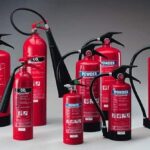
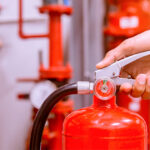
Fire safety depends not only on having fire extinguishers installed, but also on understanding which type to use and when. Using the wrong extinguisher can increase the danger and put lives at risk. Each fire extinguisher is designed to deal with specific classes of fire, and knowing the difference is essential for homes, offices, and industrial settings. This guide explains the main types of fire extinguishers and their correct uses in clear and practical terms.
Understanding Fire Classes
Before choosing an extinguisher, it is important to understand fire classes. Fires are categorised based on the material that is burning, such as solid materials, liquids, gases, or electrical equipment. Fire extinguishers are matched to these classes to ensure safe and effective use.
Water Fire Extinguishers
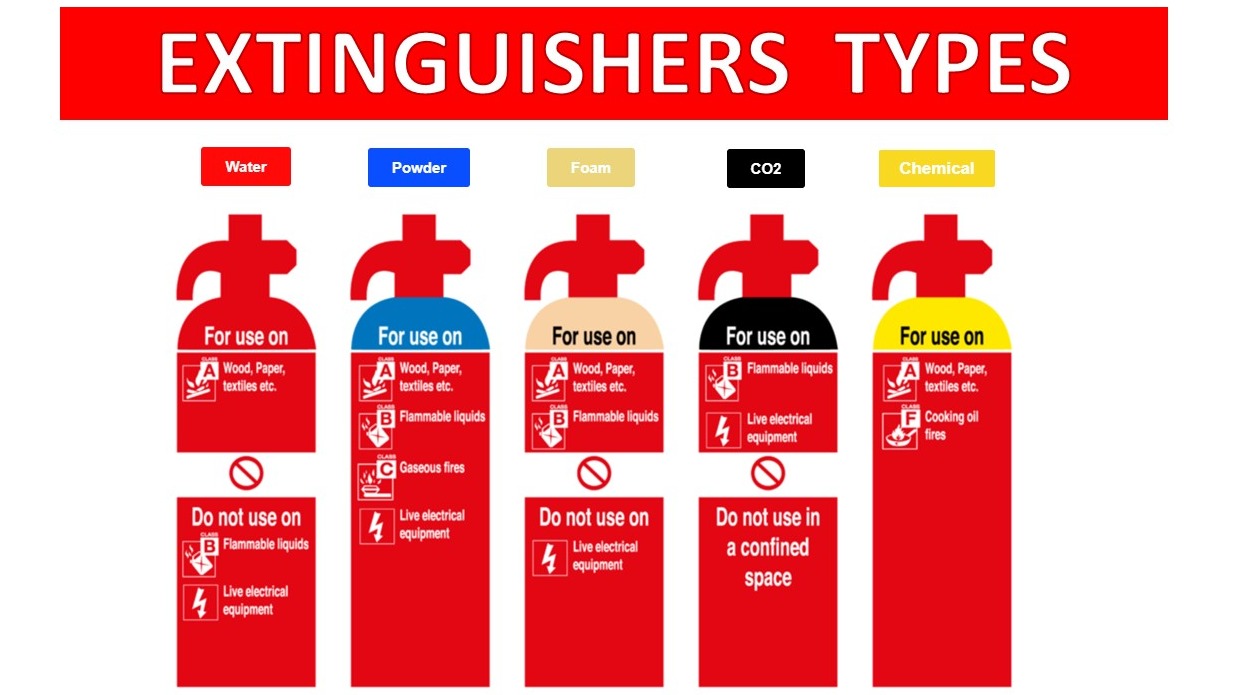
Water fire extinguishers are suitable for Class A fires, which involve solid materials like wood, paper, cardboard, and fabric. They work by cooling the fire and reducing the heat until the flames are extinguished. These extinguishers are commonly used in homes, schools, and offices where solid combustible materials are present. However, water extinguishers must never be used on electrical fires or flammable liquids, as this can cause electric shock or spread the fire.
Foam Fire Extinguishers
Foam extinguishers are effective for Class A and Class B fires. This includes solid materials and flammable liquids such as petrol, diesel, paint, and solvents. They work by forming a layer over the burning liquid, cutting off oxygen and preventing re-ignition. Foam extinguishers are widely used in offices, warehouses, garages, and commercial buildings where liquids are stored.
Dry Powder Fire Extinguishers
Dry powder extinguishers are versatile and can be used on Class A, B, and C fires, including solids, flammable liquids, and gases. Some types are also safe for use on electrical fires. These extinguishers are commonly found in industrial areas, workshops, and vehicles. While they are highly effective, dry powder creates a cloud that can reduce visibility and leave residue, making them less suitable for indoor spaces where people are present.
Carbon Dioxide Fire Extinguishers
Carbon dioxide extinguishers are mainly used for electrical fires and Class B fires involving flammable liquids. They work by displacing oxygen and cooling the fire. Because CO₂ leaves no residue, it is ideal for areas with sensitive equipment such as server rooms, offices, and laboratories. Care must be taken when using these extinguishers in confined spaces, as oxygen levels can drop quickly.
Wet Chemical Fire Extinguishers
Wet chemical extinguishers are specifically designed for Class F fires, which involve cooking oils and fats. These fires burn at very high temperatures and are common in kitchens. The extinguisher releases a fine mist that cools the fire and creates a protective layer to stop re-ignition. Wet chemical extinguishers are essential for commercial kitchens, restaurants, and food processing areas.
Clean Agent Fire Extinguishers
Clean agent extinguishers are used for electrical fires and sensitive environments where residue damage must be avoided. They suppress fire by interrupting the chemical reaction without harming equipment. These are commonly used in data centres, control rooms, and medical facilities where cleanliness and equipment protection are critical.
Choosing the Right Fire Extinguisher
Selecting the correct fire extinguisher depends on the type of fire risk present in the area. Homes typically require water or foam extinguishers, while businesses may need a combination of different types. A proper fire risk assessment helps determine the right extinguisher placement and quantity. It is also important to ensure that extinguishers are clearly labelled and easily accessible.
Training and Correct Usage
Having the right extinguisher is only part of fire safety. People must also know how to use it correctly. Basic fire safety training ensures quick and confident action during emergencies. Understanding when to fight a fire and when to evacuate is just as important as knowing how to operate the extinguisher.
Final Thoughts
Understanding the types of fire extinguishers and their correct uses is essential for effective fire safety. Each extinguisher serves a specific purpose, and using the right one can prevent small fires from turning into major disasters. Proper selection, correct placement, regular maintenance, and user awareness together create a safer environment for everyone.
Also Read:


