

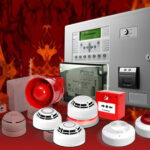

Fire alarm systems are designed to detect fire early and warn people so they can escape safely. There are different types of fire alarm systems, and each one is used for specific building sizes and needs. Understanding these types in simple words can help you choose the right system for your home, office, factory, or commercial building.
Conventional Fire Alarm System
This is the most basic type of fire alarm system. It works by dividing a building into different zones, such as ground floor, first floor, or specific rooms. When a detector senses smoke or heat, the control panel shows the zone where the fire has been detected, but it does not show the exact device location.
Conventional systems are best for small buildings like shops, small offices, and houses where detailed location information is not required.
Addressable Fire Alarm System
This is a more advanced system. In this type, every detector and device has its own unique address. When a fire is detected, the control panel displays the exact location of the device that triggered the alarm.
Addressable systems are commonly used in larger buildings such as hospitals, hotels, shopping malls, factories, and high-rise buildings because they offer precise fire location and faster response.
Wireless Fire Alarm System
Wireless fire alarm systems work without physical wiring. Instead, they use radio signals to communicate between detectors and the control panel. These systems are easy to install and are ideal for old buildings, heritage sites, or places where wiring is difficult or not allowed.
They are also useful in temporary sites like construction areas or rented properties.
Smart Fire Alarm System
Smart fire alarm systems are modern systems that can be connected to mobile phones and monitoring centers. They allow remote monitoring and instant alerts even when you are not inside the building.
These systems are useful for high-risk environments and business owners who want to monitor fire safety remotely.
Hybrid Fire Alarm System
Hybrid systems combine features of both wired and wireless systems. Some parts of the building use wired detectors, while others use wireless devices. This type of system is useful for large or complex buildings where different installation methods are needed.
Manual Fire Alarm System
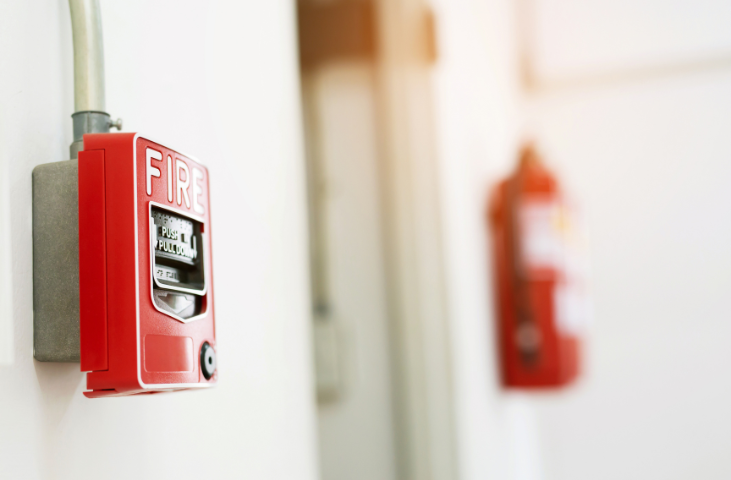
This type of system depends on human action. It uses manual call points (red emergency break-glass units) that people activate when they see fire. These systems are usually installed along with automatic systems for added safety.
Manual systems are not recommended as the only safety system because they depend on someone being present to notice the fire.
Which Type of Fire Alarm System Should You Choose?
The right choice depends on the type and size of your building. Small buildings can use conventional systems. Large buildings should use addressable systems. Buildings where wiring is difficult can use wireless systems. High-risk and commercial environments benefit from smart fire alarm systems.
Conclusion
Fire alarm systems are not one-size-fits-all. Conventional systems are simple and cost-effective. Addressable systems are more accurate and advanced. Wireless systems are easy to install. Smart systems offer remote monitoring. Hybrid systems offer flexibility.
Choosing the right type of fire alarm system ensures better protection, faster response, and safer evacuation. A properly selected system can save lives and reduce damage during fire emergencies.
More Details:


