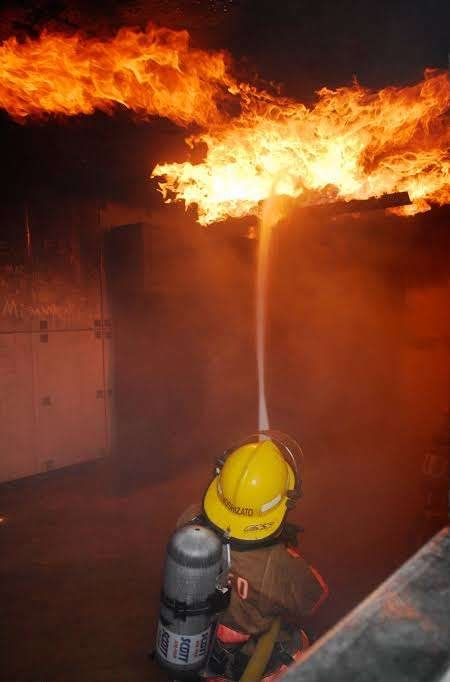
Restaurants are busy places where food, heat, electricity, gas, cooking equipment, customers, and employees come together every day. These conditions make fire safety an important part of restaurant management.
A restaurant fire can affect much more than the building itself. It can interrupt business operations, damage equipment and stock, affect employees and customers, and create long-term financial and reputational problems. More importantly, poor fire safety can put people’s lives at risk.
For restaurants in Pakistan, fire safety should therefore be viewed as an ongoing responsibility rather than a one-time installation of equipment.
The Pakistan Engineering Council’s Building Code of Pakistan Fire Safety Provisions 2016 applies to new and existing buildings and includes requirements related to fire alarms, detection systems, fire extinguishers, emergency response plans, fire drills, maintenance, and other fire-protection measures where applicable.
This guide explains the real cost of ignoring restaurant fire safety and why prevention and preparedness matter.
Why Restaurant Fire Safety Matters
Restaurants have several potential sources of heat and ignition.
Commercial kitchens may contain:
– Cooking equipment
– Ovens
– Grills
– Frying equipment
– Gas appliances
– Electrical appliances
– Refrigeration equipment
– Ventilation systems
– Electrical distribution equipment
At the same time, restaurants often contain combustible materials such as packaging, paper products, furniture, food ingredients, cleaning materials, and other supplies.
This combination means restaurant owners need a planned approach to fire safety.
Ignoring fire safety does not mean a fire will definitely happen. However, it can leave a business less prepared to prevent, detect, and respond to an emergency.
The Financial Cost of a Restaurant Fire
One of the most obvious consequences of a restaurant fire is financial loss.
A fire can damage or destroy:
– Cooking equipment
– Refrigerators and freezers
– Electrical systems
– Furniture
– Interior finishes
– Food supplies
– Storage areas
– Point-of-sale equipment
– Documents and records
Even when the physical damage appears limited, smoke, heat, water, and cleanup requirements can create additional costs.
For a restaurant, losing essential equipment may mean that normal operations cannot continue until repairs or replacements are completed.
This can turn a single incident into a prolonged business interruption.
Business Interruption Can Be Expensive
Restaurants depend heavily on daily operations.
If a restaurant must close because of fire damage, customers may go elsewhere. Employees may temporarily lose working hours, while owners may continue to face rent, utilities, loan payments, and other expenses.
The longer a restaurant remains closed, the greater the potential business disruption.
This is why fire safety should not be considered only an expense. Preventive maintenance and preparedness can help reduce avoidable risks and improve the restaurant’s ability to respond to emergencies.
The Human Cost Is More Important
Financial losses can sometimes be repaired or replaced. Injuries and loss of life cannot.
Restaurants can become crowded, especially during busy periods. Customers may not know the building’s layout or emergency exits, while employees may have different levels of emergency training.
A fire can therefore create confusion if there is no clear evacuation plan.
Restaurant management should put people’s safety first.
Employees should know the emergency procedures, and customers should have access to suitable exits.
Kitchen Areas Need Special Attention
The kitchen is often one of the most important areas in restaurant fire-safety planning.
Cooking creates heat every day, so kitchen equipment should be installed, operated, inspected, and maintained appropriately.
Good housekeeping is also important.
Grease, food residue, packaging, paper products, and other materials should not be allowed to accumulate in ways that create additional hazards.
Ventilation and extraction equipment also require appropriate cleaning and maintenance according to the equipment manufacturer’s requirements and applicable safety standards.
Restaurant staff should report damaged or malfunctioning equipment rather than continuing to use it.
Electrical Safety in Restaurants
Restaurants rely heavily on electrical equipment.
Refrigerators, freezers, exhaust systems, lights, air conditioners, computers, payment terminals, ovens, mixers, and other appliances can place significant demands on electrical installations.
Electrical problems may develop when equipment is damaged, improperly connected, overloaded, or poorly maintained.
Restaurant management should arrange appropriate inspections and repairs by qualified professionals.
Warning signs such as unusual smells, repeated electrical faults, damaged cables, overheating equipment, or unusual sounds should not be ignored.
The Role of a Fire Alarm System in Pakistan
Early warning is one of the most important parts of a restaurant’s fire-safety strategy.
A fire alarm system in Pakistan can help provide warning when a fire condition is detected or when an alarm is activated, depending on the system design.
A system may include components such as:
– Smoke detectors
– Heat detectors
– Manual alarm points
– Audible alarm devices
– Visual notification devices where appropriate
– A control panel
– Backup power
– Other connected safety components
The exact system depends on the building’s size, occupancy, design, risks, and applicable requirements.
Pakistan’s fire-safety provisions state that fire alarm and detection systems are required where applicable, including situations where the size, arrangement, or occupancy means a fire may not provide adequate warning to occupants.
For restaurants, early warning can be particularly important because employees and customers may be spread across dining rooms, kitchens, storage areas, offices, and other spaces.
An Alarm Is Not a Complete Fire-Safety Plan
Installing an alarm is important, but it does not solve every fire-safety problem.
A complete restaurant safety plan may also involve:
– Fire prevention
– Safe electrical systems
– Suitable firefighting equipment
– Clear exits
– Emergency lighting where required
– Emergency procedures
– Staff training
– Evacuation drills
– Regular inspection
– Equipment maintenance
– Emergency access
The Building Code of Pakistan Fire Safety Provisions 2016 addresses several of these areas as part of broader fire protection.
The purpose is to create multiple layers of protection rather than relying on a single device.
Clear Emergency Exits Are Essential
Customers may not know the restaurant’s layout.
During an emergency, people may naturally move toward the entrance they used when entering. If that route is blocked by smoke, fire, or other hazards, alternative exits become important.
Restaurants should therefore maintain clear and appropriate means of egress.
Exits and escape routes should not be used as storage areas.
Boxes, furniture, supplies, rubbish, or other objects should not block designated routes.
The Pakistan fire-safety provisions include requirements concerning means of egress and arrangements that help occupants reach a place of safety.
Emergency Lighting and Exit Signs
A restaurant may be busy during evening hours or in areas with limited natural light.
If normal electrical power is interrupted during an emergency, people may have difficulty identifying exits.
Where required by the building’s design and regulations, emergency lighting and exit signs can help occupants identify escape routes.
These systems also need appropriate inspection and maintenance.
A safety feature that is installed but not maintained may not provide the expected benefit during an emergency.
Restaurant Staff Need Fire-Safety Training
Employees are an important part of restaurant safety.
Staff members should understand the restaurant’s emergency procedures and know what to do if an alarm sounds.
Training can cover:
– Recognizing the alarm
– Reporting emergencies
– Understanding evacuation routes
– Directing customers toward safe exits
– Knowing the assembly area
– Understanding their assigned responsibilities
– Contacting emergency services
Training should focus on safe evacuation and appropriate emergency procedures.
Employees should not be expected to take unnecessary risks.
Fire Drills Can Reveal Problems
An emergency plan may look good on paper but still have practical problems.
Drills can help restaurant management identify issues such as:
– Blocked exits
– Confusing evacuation routes
– Employees who do not know their responsibilities
– Alarm audibility problems
– Difficulties accounting for staff
– Poor communication
– Problems with emergency access
Rescue 1122’s Community Safety Program promotes emergency preparedness, response, and prevention and includes cooperation with businesses on fire and workplace safety.
Restaurants can use appropriate training and drills to improve preparedness.
The Cost of Ignoring Maintenance
Fire-safety equipment requires ongoing attention.
A restaurant may have alarms, extinguishers, emergency lighting, fire doors, or other equipment, but simply having these items does not guarantee that they will work correctly.
Maintenance helps identify problems before an emergency occurs.
Restaurant owners should follow applicable inspection and maintenance schedules and manufacturer requirements.
The Pakistan Engineering Council’s fire-safety provisions include requirements concerning inspection, testing, maintenance, and records for fire-protection systems where applicable.
Keeping records can also help management understand when equipment was last inspected or serviced.
Poor Housekeeping Can Increase Risk
Restaurant kitchens and storage areas can become busy quickly.
Packaging, cardboard, paper products, cleaning supplies, food containers, and waste should be managed carefully.
Good housekeeping can help reduce unnecessary fire hazards and keep emergency routes accessible.
Waste should not be allowed to accumulate around heat-producing equipment or electrical installations.
Storage areas should also be organized so employees can move safely around the building.
Gas Safety Should Not Be Ignored
Many restaurants use gas-powered cooking equipment.
Gas systems should be installed, inspected, and maintained by appropriately qualified professionals.
Employees should know the restaurant’s emergency procedure for suspected gas problems.
If a serious gas-related hazard is suspected, staff should follow the established emergency plan and contact the appropriate professionals rather than attempting unsafe repairs.
Gas equipment should never be modified casually or maintained by unqualified people.
The Cost of Poor Emergency Planning
A restaurant without an emergency plan may lose valuable time during a crisis.
Employees may not know who should contact emergency services. Customers may not know where to go. Staff may disagree about which exit to use.
A written emergency plan can reduce confusion by clearly assigning responsibilities.
It can identify:
– Emergency contacts
– Evacuation routes
– Assembly areas
– Staff responsibilities
– Procedures for accounting for employees
– Procedures for helping customers
– Actions to take after evacuation
The plan should be reviewed when the restaurant layout, equipment, staffing, or occupancy changes.
Reputation Can Also Be Affected
Customers expect restaurants to provide a safe environment.
A serious safety incident can affect customer confidence and the restaurant’s reputation.
Even when a fire causes limited physical damage, news of poor safety practices can create concerns among customers, employees, suppliers, landlords, and business partners.
Good safety practices demonstrate that management takes responsibility seriously.
Legal and Compliance Considerations
Fire-safety requirements can vary depending on the building, location, occupancy, and authority having jurisdiction.
The Building Code of Pakistan Fire Safety Provisions 2016 applies to both new and existing buildings and provides a framework for fire-safety requirements. It also states that the relevant authority retains responsibility for determining compliance within its jurisdiction.
Restaurant owners should therefore check the requirements applicable to their particular property rather than relying on a generic checklist.
Where professional design, approval, inspection, or certification is required, the appropriate qualified professionals and authorities should be involved.
Emergency Access Matters
Firefighters need suitable access to a restaurant during an emergency.
Parking, deliveries, outdoor seating, signs, construction materials, or other objects should not interfere with designated emergency access.
For larger or higher-risk properties, emergency access should be considered during planning and regularly reviewed.
Rescue 1122 identifies fire prevention and the installation of fire hydrants in high-risk areas among its fire-service activities in Punjab.
This shows why fire safety involves the entire property rather than just the kitchen.
How Restaurant Owners Can Reduce Fire Risks
Restaurant owners can take a structured approach to safety.
1. Identify Hazards
Review kitchens, electrical systems, storage areas, customer areas, and other parts of the building.
2. Maintain Equipment
Ensure safety systems and restaurant equipment receive appropriate inspections and maintenance.
3. Keep Exits Clear
Do not use emergency routes as storage areas.
4. Maintain Alarm Systems
Make sure alarms and detection equipment receive the required testing and maintenance.
5. Train Employees
Staff should understand evacuation procedures and their responsibilities.
6. Review Emergency Plans
Update plans when the building, equipment, or staffing changes.
7. Work With Qualified Professionals
Use appropriately qualified professionals for specialized fire-safety design, installation, inspection, and maintenance.
A Restaurant Fire-Safety Checklist
A basic review can include the following areas.
Fire Detection
– Is an appropriate alarm system installed where required?
– Are detection devices maintained?
– Are alarm faults addressed promptly?
– Can the warning reach relevant occupied areas?
Kitchen Safety
– Is cooking equipment maintained?
– Are work areas kept organized?
– Are ventilation and extraction systems maintained appropriately?
– Are staff aware of emergency procedures?
Electrical Safety
– Are electrical installations maintained?
– Are damaged cables or equipment removed from service?
– Are electrical faults professionally assessed?
Evacuation
– Are exits clearly identifiable?
– Are escape routes clear?
– Is emergency lighting provided where required?
– Does staff know the evacuation plan?
Staff Preparedness
– Are employees trained?
– Are emergency responsibilities clearly assigned?
– Are drills or exercises conducted appropriately?
Maintenance
– Are fire-safety systems inspected?
– Are required records maintained?
– Are problems corrected promptly?
The Real Cost of Doing Nothing
The cost of restaurant fire safety should be considered alongside the potential cost of inadequate preparation.
Ignoring safety can contribute to:
– Property damage
– Equipment loss
– Business interruption
– Lost stock
– Repair expenses
– Employee disruption
– Customer safety risks
– Regulatory problems
– Loss of customer confidence
The exact financial impact will vary greatly from one restaurant to another.
However, the principle is straightforward: fire prevention and preparedness are important parts of responsible restaurant management.
Why Prevention Is Better Than Reaction
Rescue 1122 describes prevention as a key part of its community-safety mission and uses fire investigations to identify causes and recommend preventive measures.
For restaurant owners, prevention means identifying hazards before they become emergencies.
It means maintaining equipment, training staff, keeping exits clear, checking alarms, and reviewing emergency plans.
A restaurant does not become fire-safe simply because it has purchased an extinguisher or installed an alarm.
Safety comes from maintaining the entire system.
Conclusion
The real cost of ignoring restaurant fire safety goes beyond the price of damaged equipment or a temporary business closure. The greatest concern is the potential risk to employees, customers, and emergency responders.
A restaurant needs a layered approach to fire safety. Prevention, early warning, clear escape routes, staff training, appropriate equipment, professional maintenance, and emergency planning all have important roles.
A fire alarm system in Pakistan can provide an important early-warning layer where required, but it should work alongside other safety measures rather than being treated as a complete solution.
Restaurant owners and managers should regularly review their fire-safety arrangements and involve qualified professionals when specialized assessment or maintenance is needed.
Good fire safety is not simply about meeting a checklist. It is about creating a safer environment for everyone who works in or visits the restaurant.
FAQs
1. Why is fire safety important for restaurants?
Restaurants contain cooking equipment, electrical systems, gas appliances, combustible materials, employees, and customers. Proper fire safety helps reduce hazards, provide early warning, and support safe evacuation.
2. What is the role of a fire alarm system in Pakistan restaurants?
A suitable alarm system can provide early warning when a fire condition is detected or an alarm is activated. Its design depends on the restaurant’s building, occupancy, risks, and applicable requirements.
3. What are common restaurant fire hazards?
Common hazards can include cooking equipment, electrical faults, gas appliances, combustible storage, poor housekeeping, and improperly maintained equipment. Each restaurant should assess its own specific risks.
4. How can restaurant employees prepare for a fire emergency?
Employees should understand the restaurant’s emergency plan, know evacuation routes, recognize alarm signals, understand their assigned responsibilities, and know the designated assembly area. Training should emphasize safe evacuation.
5. Is installing a fire alarm enough to make a restaurant safe?
No. A fire alarm is only one part of a broader safety system. Restaurants may also need suitable exits, emergency planning, maintenance, staff training, fire-protection equipment, and other measures according to their building and applicable regulations.