Restaurants bring people together to enjoy food, celebrate special occasions, and spend time with family and friends. Behind every successful restaurant, however, is a busy environment where cooking equipment, electricity, gas appliances, ventilation systems, and combustible materials are used every day. These conditions make fire safety an essential part of restaurant management.
A fire incident can put customers and employees at risk, damage expensive equipment, interrupt business operations, and harm a restaurant’s reputation. Proper fire safety measures help reduce these risks by improving prevention, providing early warning, and preparing staff to respond appropriately during emergencies.
For restaurant owners in Pakistan, fire safety involves several important measures, including suitable extinguishers, fire detection and alarm systems, kitchen fire suppression equipment where required, clear emergency exits, staff training, and regular maintenance. A suitable fire alarm system in Pakistan can help restaurant occupants receive an early warning when a fire is detected.
Although fire protection requires investment, planning, and ongoing attention, its benefits can be substantial. Understanding the advantages and disadvantages of restaurant fire safety helps owners make informed decisions and create a safer environment for everyone.
What Is Restaurant Fire Safety?
Restaurant fire safety refers to the policies, equipment, maintenance procedures, and staff practices used to prevent fires and protect people if an incident occurs.
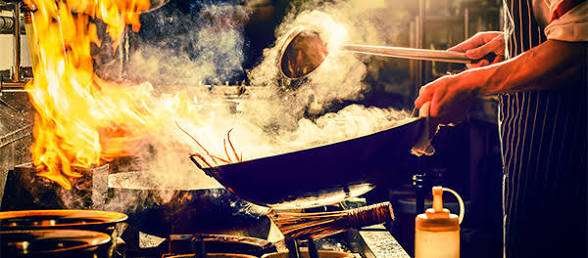
Unlike many other commercial environments, restaurants often combine several fire hazards in one building. Cooking oils, gas appliances, electrical equipment, hot surfaces, exhaust hoods, and grease deposits can increase the risk of fire when they are not managed properly.
A complete fire safety plan may include:
– Fire risk assessments and regular inspections
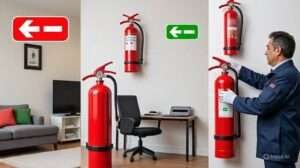
– Suitable fire extinguishers and firefighting equipment
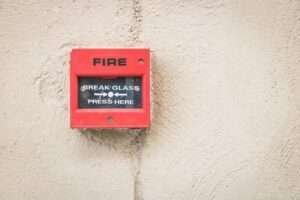
– Smoke or heat detection and alarm systems
– Kitchen fire suppression systems where appropriate or required
– Safe electrical and gas installations
– Proper ventilation and grease management
– Clearly marked and unobstructed emergency exits
– Staff training and evacuation drills
– Routine testing and professional maintenance
The exact requirements depend on the restaurant’s size, layout, cooking methods, building type, occupancy, and applicable local regulations.
Restaurant fire safety is not simply about purchasing equipment. It requires a consistent approach that combines prevention, preparation, and responsible daily operations.
Pros of Restaurant Fire Safety
1. Protects Customers and Employees
The most important advantage of restaurant fire safety is protecting human life. Restaurants may contain crowded dining areas, busy kitchens, storage rooms, and staff-only spaces. During an emergency, customers may not know the building’s layout or the location of alternative exits.
A properly planned fire safety system helps occupants receive warnings and identify safe evacuation routes. Staff members who understand emergency procedures can guide customers toward exits without creating unnecessary confusion.
Fire detection and alarm equipment can provide an early warning, while appropriate firefighting arrangements may help control certain fires under suitable conditions. Emergency plans also help employees understand when evacuation is necessary.
For restaurant owners, protecting people should always take priority over saving equipment, stock, or furniture.
2. Reduces the Risk of Serious Property Damage
Restaurant kitchens contain valuable appliances, refrigeration equipment, food supplies, furniture, and electrical systems. A fire can damage these assets and affect other parts of the building through heat, smoke, and water used during firefighting.
Fire prevention measures help reduce the likelihood of an incident developing. Regular equipment inspections, appropriate cooking practices, safe electrical installations, and proper grease management are important examples.
Suitable detection systems can also help occupants recognise an incident sooner. In premises where required and appropriately designed, automatic suppression systems can provide an additional layer of protection.
While no system can guarantee that property damage will be prevented, combining several safety measures can improve overall preparedness.
3. Supports Business Continuity
A restaurant fire can interrupt operations for days, weeks, or longer, depending on the damage and the time required for inspections, repairs, cleaning, and approvals.
Even a relatively limited incident may affect kitchen equipment, stock, food preparation areas, and customer seating. Owners may also need to arrange repairs and communicate changes to employees and customers.
Fire safety planning can reduce some of these risks by helping staff identify hazards and respond more effectively. Maintenance schedules can also identify problems before they become more serious.
A documented emergency plan should explain how employees report incidents, evacuate the building, contact emergency services, and communicate with management after an emergency.
Business continuity is particularly important for small restaurants, where an extended closure may affect income and the ability to meet operating expenses.
4. Improves Employee Awareness and Training
Restaurant employees work around hot equipment, electrical appliances, cooking oils, cleaning materials, and other potential hazards. Without appropriate training, they may not recognise unsafe conditions or know how to respond when an alarm sounds.
Regular training helps employees understand their responsibilities. Topics may include identifying hazards, keeping exits clear, reporting damaged equipment, recognising alarms, and following evacuation procedures.
Staff should also know that different fires require different responses. A cooking-oil fire, for example, must not be treated like an ordinary fire involving paper or wood. Water must never be poured onto burning cooking oil.
Only appropriately trained personnel should consider using suitable firefighting equipment when conditions permit. If a fire is spreading, smoke is present, or the situation is uncertain, occupants should evacuate and contact emergency services.
Training creates a more safety-conscious workplace and helps employees respond calmly to emergencies.
5. Helps Meet Applicable Safety Requirements
Restaurant owners must consider the building and fire safety requirements that apply to their premises. In Pakistan, the Building Code of Pakistan—Fire Safety Provisions 2016 provides a national framework for fire prevention, life safety, and property protection.
Punjab Civil Defence identifies measures such as fire detection and alarm systems, firefighting arrangements, fire safety plans, and emergency exits among the measures inspected in relevant premises. Sindh Civil Defence also provides fire safety inspection and technical assistance for commercial establishments, including restaurants.
The exact requirements and enforcement arrangements can differ according to the property’s location, classification, and relevant authority. Owners should confirm which provisions apply to their particular premises.
Maintaining appropriate equipment, inspection records, and staff procedures can help a restaurant demonstrate that fire safety is taken seriously.
6. Builds Customer Trust
Customers expect restaurants to provide a reasonably safe environment. Clear exits, visible safety signs, well-maintained premises, and organised emergency arrangements can demonstrate responsible management.
Fire safety is especially important for restaurants that host large groups, family gatherings, celebrations, or events. Customers may feel more confident when the premises appear orderly and emergency routes are not obstructed.
Trust also affects employees, suppliers, business partners, and property owners. A restaurant that prioritises safety shows that it values people as well as its commercial goals.
Fire safety should not be treated merely as a marketing advantage, however. Its primary purpose is to protect people and reduce risk.
7. Encourages Better Equipment Maintenance
Fire safety programmes often include routine checks of electrical installations, cooking equipment, exhaust systems, alarms, and extinguishers.
These checks can help identify visible damage, excessive grease accumulation, faulty components, or equipment that needs professional attention.
For example, poorly maintained extraction systems can accumulate grease, which may contribute to a kitchen fire. Damaged electrical equipment can also create hazards if it remains in service.
Regular maintenance supports safer operations and can help identify problems before they cause disruption. Inspections and servicing should follow manufacturers’ instructions and applicable requirements, with technical work completed by qualified professionals.
Cons of Restaurant Fire Safety
Fire safety offers important benefits, but restaurant owners should also understand the practical challenges involved. Most disadvantages relate to cost, planning, and ongoing management rather than the value of protecting people.
1. Initial Installation Costs
Installing suitable fire safety equipment can require a considerable initial investment. Depending on the building and its needs, expenses may include alarms, detectors, extinguishers, emergency lighting, signage, kitchen suppression equipment, and professional installation.
Larger restaurants or those operating in multi-storey buildings may require more complex systems than small food outlets.
For new businesses, these costs can place pressure on the startup budget. However, choosing equipment solely because it is inexpensive may result in unsuitable products or additional expenses later.
Restaurant owners should obtain professional assessments and compare quotations based on equipment suitability, installation quality, servicing, and warranty terms.
2. Ongoing Maintenance Expenses
Fire safety equipment must remain in working condition. Alarms may require testing and servicing, extinguishers need inspection, and kitchen suppression systems require maintenance according to their design and applicable standards.
These responsibilities create recurring expenses. Owners may also need to replace damaged equipment, replenish supplies, or arrange repairs.
Ignoring maintenance to save money can leave a restaurant poorly prepared for an emergency. A system that has been installed but is no longer functioning properly may not provide the intended protection.
A planned maintenance budget helps owners manage these costs instead of waiting for equipment failures to occur.
3. Possible Disruption to Daily Operations
Inspections, installation work, staff training, and equipment servicing may temporarily affect normal restaurant activities.
For example, professional work on a kitchen suppression system may require access to cooking equipment or parts of the ventilation system. Staff training may also require scheduled time away from normal duties.
These activities can be inconvenient during busy periods, especially for small restaurants with limited staff.
The best approach is to plan routine work in advance and coordinate with qualified service providers. Essential safety work should not be postponed simply because the restaurant is busy.
4. Staff Training Takes Time
Employees need to understand the restaurant’s fire safety arrangements, including alarm procedures, evacuation routes, reporting responsibilities, and emergency contacts.
Training requires management attention and time away from regular tasks. New employees also need an introduction to the procedures, while existing employees may need periodic refresher sessions.
Staff turnover can make this responsibility more challenging. A restaurant that frequently hires new workers should have a reliable induction process rather than depending on informal instructions.
Despite the time involved, training is a necessary part of making safety equipment useful in practice.
5. Poorly Selected Equipment Can Create Problems
Not every fire safety product is appropriate for every hazard. A detector may be unsuitable for a particular environment, an extinguisher may have the wrong fire rating, or a suppression system may not be designed for the restaurant’s cooking equipment.
Incorrect placement or installation can also affect performance.
For example, restaurant kitchens may generate heat, steam, and cooking fumes that need to be considered when selecting and positioning detection equipment. The design should balance reliable warning with the operating conditions of the space.
Professional assessment, correct product specifications, and installation in accordance with applicable standards help reduce these problems.
6. False Alarms Can Interrupt Service
An improperly selected, installed, or maintained detection system may generate unwanted alarms. Repeated interruptions can confuse employees and inconvenience customers.
However, restaurant management should never encourage staff to ignore alarms simply because unwanted activations have occurred before.
Instead, the cause should be investigated by a qualified technician. Appropriate detector selection, system design, maintenance, and staff awareness can help reduce avoidable activations while preserving reliable fire detection.
An alarm should always be treated seriously until the situation has been assessed through the appropriate procedure.
7. Documentation and Compliance Can Be Complicated
Restaurant owners may need to maintain inspection reports, service records, training documentation, and emergency procedures. They may also need to coordinate with landlords, building managers, contractors, and relevant authorities.
Understanding which requirements apply can be challenging, particularly when a restaurant operates in a rented property or a shared commercial building.
Owners should keep records organised and seek clarification from the relevant local authority or a qualified fire safety consultant when necessary.
Although documentation takes time, it helps management track outstanding issues and demonstrate that important safety responsibilities are being addressed.
How to Balance the Pros and Cons of Restaurant Fire Safety
The most effective way to manage the disadvantages is to develop a practical fire safety plan suited to the restaurant.
Conduct a Fire Risk Assessment
Begin by identifying likely fire hazards, people who may be affected, and existing protective measures. Consider cooking equipment, electrical installations, storage areas, ventilation systems, customer seating, and escape routes.
A qualified professional can help assess complex premises and identify appropriate improvements.
Prioritise the Most Important Safety Measures
Fire safety should be approached as a coordinated system rather than a collection of unrelated products.
Depending on the premises and applicable requirements, priorities may include:
– Suitable detection and alarm arrangements
– Appropriate extinguishers and firefighting equipment
– Kitchen fire suppression where required or recommended
– Clear, accessible escape routes
– Safe electrical and gas installations
– Suitable emergency signs and lighting
– Staff training and evacuation procedures
The precise combination should be based on a professional assessment and local requirements.
Choose Reliable Equipment
When purchasing fire safety products, review their ratings, intended applications, manufacturer information, installation requirements, and servicing arrangements.
For a fire alarm system in Pakistan, restaurant owners should consider the building’s layout, occupancy, kitchen conditions, and applicable standards rather than selecting a system based on price alone.
Ask suppliers to explain what the proposed equipment covers, what it does not cover, and how it will be maintained.
Schedule Regular Inspections
Create a written maintenance schedule that identifies the equipment to be checked, the person responsible, and the required service dates.
Keep records of inspections, faults, repairs, and professional servicing. If an important system is damaged or unavailable, arrange appropriate corrective action promptly.
Review the Plan Regularly
Restaurant layouts and operations can change. New cooking appliances, renovations, increased seating capacity, or changes to storage arrangements may affect fire risks.
Review the safety plan whenever significant changes occur and ensure that any changes to protected cooking equipment are assessed by the relevant professional before the system is relied upon.
Fire Safety Considerations for Restaurants in Pakistan
Restaurants in Pakistan operate in a wide range of settings, from small neighbourhood eateries to food courts, hotels, and large dining establishments. Their fire safety needs may differ depending on building construction, cooking methods, occupancy, and local conditions.
The Building Code of Pakistan—Fire Safety Provisions 2016 addresses fire prevention, life safety, and fire protection measures. Its application should be confirmed with the relevant authority for the particular property. Provincial Civil Defence departments can also provide information about inspections and fire safety arrangements within their jurisdictions.
Restaurant owners should avoid assuming that every business has identical requirements. A small outlet and a large restaurant inside a multi-storey commercial building may need different levels of protection.
A responsible approach includes obtaining suitable professional advice, using appropriate equipment, maintaining clear evacuation routes, training employees, and keeping records of inspections and servicing.
Conclusion
Restaurant fire safety has clear advantages, including better protection for customers and employees, reduced risk of property damage, improved business continuity, stronger customer confidence, and better awareness among staff.
The disadvantages mainly involve installation expenses, maintenance costs, training time, operational interruptions, and the need to manage compliance and documentation. These challenges can be controlled through careful planning, professional advice, and a realistic maintenance budget.
For restaurant owners in Pakistan, fire safety should be treated as an ongoing management responsibility rather than a one-time purchase. Suitable alarms, appropriate firefighting equipment, safe kitchen practices, clear exits, and regular staff training work together to create a stronger safety plan.
The goal is not simply to install more equipment. It is to choose the right measures, keep them in working condition, and ensure that everyone knows how to respond when an emergency occurs.
Frequently Asked Questions (FAQs)
1. Why is fire safety important in restaurants?
Fire safety helps protect customers and employees, reduce the risk of property damage, and support business continuity. Restaurants use cooking equipment, electrical appliances, and other materials that can create fire hazards, so prevention and emergency planning are essential.
2. What are the main disadvantages of restaurant fire safety?
The main challenges include installation costs, recurring maintenance expenses, staff training, possible disruption during inspections, and documentation requirements. Careful planning can help restaurants manage these responsibilities effectively.
3. What fire safety equipment does a restaurant need?
Depending on the premises and applicable requirements, equipment may include fire de