


Fire safety is a crucial concern in Pakistan, where residential, commercial, and industrial spaces are at constant risk of fire hazards. Installing an effective fire alarm system can save lives, reduce property damage, and ensure compliance with safety regulations. Among the essential components of fire detection systems are Manual Call Points (MCPs) and Automatic Fire Alarm Devices (AFADs). Understanding the difference between these two and knowing when to use them is vital for business owners, facility managers, and homeowners alike.
What is a Manual Call Point?
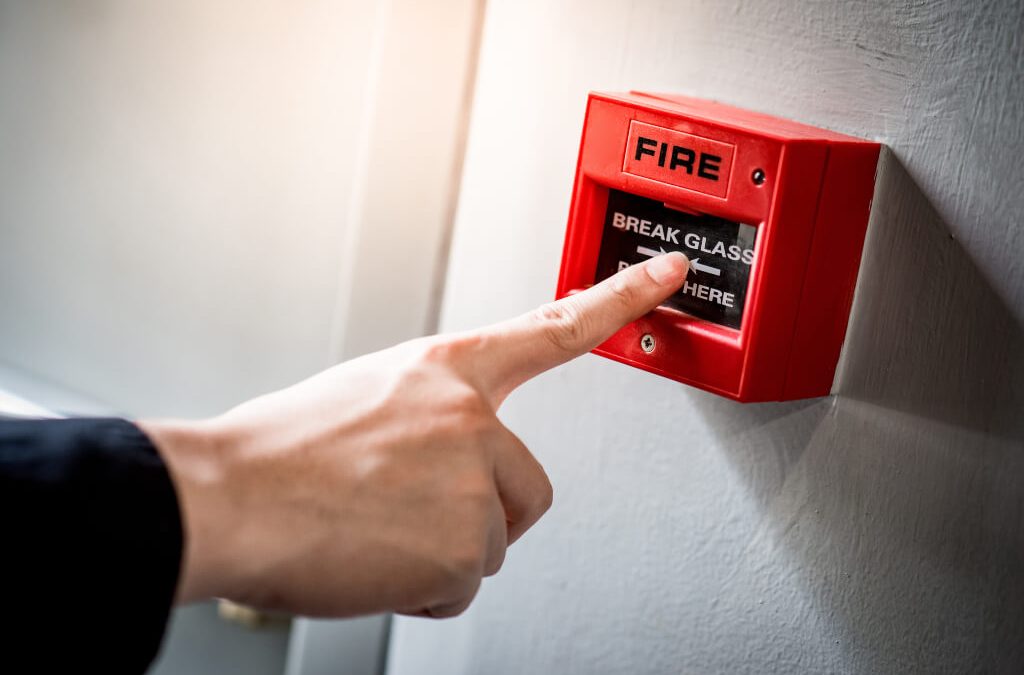
A Manual Call Point is a fire safety device designed to allow individuals to manually trigger a fire alarm when they detect a fire or smoke. Typically installed in easily accessible locations, such as near exits or along corridors, MCPs are crucial in providing immediate alerts to occupants and emergency services.
Manual Call Points are straightforward in design, often requiring the user to press or break a glass panel to activate the alarm. Despite advances in automated fire detection technology, MCPs remain indispensable because they give humans the power to act quickly in emergency situations, even before the fire reaches automatic sensors.
Key Features of Manual Call Points
-
Human Activation: Requires someone to spot the fire and operate the device.
-
Visibility: Usually installed in prominent locations for easy access.
-
Reliability: Simple mechanical or electronic mechanism reduces chances of failure.
-
Integration: Works with central fire alarm panels to alert the entire building.
In Pakistan, MCPs are widely used in offices, schools, hospitals, and industrial facilities due to their simplicity and efficiency.
What are Automatic Fire Alarm Devices?
Automatic Fire Alarm Devices (AFADs) are sensors that detect fire-related phenomena like smoke, heat, or flame automatically, without human intervention. They are designed to respond immediately to fire conditions, often before humans even notice the threat.
AFADs come in various types:
-
Smoke Detectors: Sense smoke particles in the air.
-
Heat Detectors: Trigger when a specific temperature is reached or a rapid rise in temperature occurs.
-
Flame Detectors: Detect the presence of flames using optical or ultraviolet sensors.
Automatic fire alarms are ideal for early detection, especially in large or high-risk areas where a manual response might be delayed.
Key Features of Automatic Fire Alarm Devices
-
Immediate Response: Detects fire instantly and alerts occupants.
-
Continuous Monitoring: Works 24/7 without the need for human intervention.
-
Advanced Technology: Often integrated with fire suppression systems for automatic action.
-
Flexibility: Can be tailored for different environments, such as warehouses, server rooms, or kitchens.
In Pakistan, AFADs are increasingly adopted in modern commercial buildings, industrial plants, and high-rise apartments.
Manual Call Point vs Automatic Fire Alarm Devices: Main Differences
Understanding the distinctions between MCPs and AFADs helps in designing a comprehensive fire safety strategy.
| Feature | Manual Call Point | Automatic Fire Alarm Device |
|---|---|---|
| Activation | Human-operated | Sensor-based, automatic |
| Response Time | Depends on human action | Immediate upon detecting fire indicators |
| Cost | Generally lower | Higher, depends on technology |
| Installation | Easy, requires minimal wiring | Requires careful planning and sensor calibration |
| Coverage | Limited to installed points | Can cover larger areas continuously |
| Maintenance | Minimal | Needs periodic testing and calibration |
While both devices serve the same goal of alerting people about fire hazards, they are best used together to maximize safety. Manual Call Points empower occupants to raise alarms quickly, while automatic devices ensure early detection even when no one is around.
Why Manual Call Points are Essential in Pakistan
Despite technological advancements, MCPs remain critical in the Pakistani context due to several reasons:
-
Reliability in Power Outages: Many areas in Pakistan experience electricity shortages. Manual Call Points often work mechanically or have battery backups, making them dependable during outages.
-
Low Maintenance: MCPs require less technical expertise for maintenance compared to automatic sensors.
-
Cost-Effective: Budget constraints in many Pakistani businesses and schools make MCPs a practical choice.
-
Legal Compliance: Many fire safety regulations in Pakistan mandate the installation of MCPs in commercial buildings and public spaces.
For more information on integrating fire safety solutions in your facility, you can visit this link.
Advantages of Automatic Fire Alarm Devices in Pakistan
Automatic devices complement MCPs by offering features that are particularly valuable in high-risk areas:
-
Early Detection: Essential for preventing fire escalation in factories and warehouses.
-
24/7 Protection: Useful for office buildings, hospitals, and data centers that require round-the-clock monitoring.
-
Integration with Suppression Systems: Many AFADs can directly trigger fire suppression systems, minimizing damage.
-
Remote Monitoring: Modern systems allow real-time alerts via mobile or computer systems.
AFADs are increasingly adopted in urban centers like Karachi, Lahore, and Islamabad, where large commercial complexes and high-rise buildings are more prone to fire hazards.
How to Choose Between MCPs and Automatic Fire Alarm Devices
Selecting the right fire alarm strategy depends on your building type, budget, and safety requirements. Consider the following:
-
Building Size: Small offices may rely more on MCPs, while large industrial facilities benefit from AFADs.
-
Occupancy Levels: High-occupancy areas need automatic sensors for early warning.
-
Fire Risk: Facilities dealing with flammable materials should invest in AFADs.
-
Budget: MCPs are cost-effective, while AFADs require higher upfront investment but provide enhanced safety.
-
Regulatory Requirements: Compliance with Pakistan’s National Fire Protection regulations may dictate specific installations.
The ideal approach often combines Manual Call Points and Automatic Fire Alarm Devices for a comprehensive safety system.
Installation Guidelines for Manual Call Points in Pakistan
Installing MCPs correctly is vital to ensure quick response during emergencies. Here are best practices:
-
Install MCPs near exits, staircases, and corridors.
-
Position them at a height of 1.4 meters from the floor for easy access.
-
Ensure clear signage so occupants can locate them quickly.
-
Regularly test MCPs to verify proper functioning.
-
Integrate them with the central fire alarm panel for instant notifications.
Installation Guidelines for Automatic Fire Alarm Devices
For AFADs, installation is more technical:
-
Smoke detectors should be installed on ceilings or high walls.
-
Heat detectors must be placed where temperature rise is most likely.
-
Flame detectors should have a clear line of sight to high-risk areas.
-
Avoid locations near air vents or humid areas to prevent false alarms.
-
Conduct regular system checks and maintenance to ensure sensor accuracy.
Combining Manual Call Points and Automatic Devices
A combination of both systems provides a layered defense against fires:
-
MCPs allow humans to respond immediately if they spot a fire.
-
AFADs detect fires early, even when the building is empty.
-
Integration ensures that alarms, notifications, and suppression systems work together efficiently.
For example, in a commercial building in Lahore, MCPs near exits allow employees to raise alarms, while smoke detectors in server rooms and kitchens ensure continuous monitoring.
Maintenance and Safety Checks
Regular maintenance is essential to keep fire alarm systems reliable:
-
Test MCPs monthly to ensure they trigger alarms correctly.
-
Inspect AFAD sensors for dust, corrosion, or any obstruction.
-
Check battery backups in case of power failures.
-
Train staff on proper usage of MCPs and evacuation procedures.
-
Document all maintenance and testing for legal compliance.
Fire Safety Regulations in Pakistan
Pakistan has implemented fire safety regulations that require proper installation of fire alarm systems:
-
Building codes mandate MCPs in public buildings, offices, and educational institutions.
-
Industrial facilities must use a combination of manual and automatic devices.
-
Fire suppression systems, linked with AFADs, are compulsory in high-risk environments.
Compliance with these regulations not only ensures safety but also reduces legal liabilities in case of fire incidents.
Benefits of Installing Fire Alarm Systems in Pakistan
-
Life-Saving: Early detection and prompt alerting prevent casualties.
-
Property Protection: Reduces damage by initiating early suppression measures.
-
Insurance Advantages: Many insurance providers require certified fire alarm systems.
-
Peace of Mind: Occupants feel secure knowing a reliable system is in place.
-
Regulatory Compliance: Avoid fines and penalties by adhering to national fire safety laws.
Future Trends in Fire Alarm Technology in Pakistan
-
Smart Fire Alarms: Integrated with IoT for remote monitoring and control.
-
Wireless Systems: Reduce installation complexity and allow flexible placement.
-
AI-Based Detection: Minimize false alarms and detect fires more accurately.
-
Integration with Building Management Systems: Ensures coordinated emergency response.
10 Frequently Asked Questions (FAQs)
-
What is a Manual Call Point?
A device that allows individuals to manually trigger a fire alarm when they detect a fire. -
Where should MCPs be installed?
Near exits, corridors, staircases, and other easily accessible locations. -
Are MCPs mandatory in Pakistan?
Yes, in public buildings, schools, offices, and certain industrial facilities. -
How do Automatic Fire Alarm Devices work?
They detect fire-related signs like smoke, heat, or flames and automatically trigger an alarm. -
Can MCPs and AFADs be used together?
Absolutely. Combining both ensures early detection and human-triggered alerts. -
Do MCPs require electricity to function?
Some operate mechanically, while others may need low-voltage power. -
How often should fire alarm systems be tested in Pakistan?
Monthly testing for MCPs and quarterly or semi-annual maintenance for AFADs is recommended. -
What types of AFADs are available in Pakistan?
Smoke detectors, heat detectors, and flame detectors are commonly used. -
Can AFADs trigger fire suppression systems?
Yes, many modern systems are integrated to activate sprinklers or gas suppression systems. -
Where can I buy quality Manual Call Points and fire alarm devices in Pakistan?
Trusted suppliers like Fire Safety Trading offer certified fire safety equipment.
Installing the right combination of Manual Call Points and Automatic Fire Alarm Devices is essential for protecting lives and property in Pakistan. With careful planning, proper installation, and regular maintenance, you can create a fire-safe environment in any residential, commercial, or industrial building.
Also Read:


