A fire extinguisher sitting on the wall looks safe. But looks can be deceiving. If the pressure inside is too low, the extinguisher will not work when you need it most. This is why checking the pressure gauge is one of the most important fire safety habits you can develop especially in Pakistan, where fire safety checks are often skipped in homes, offices, and industrial facilities.
In this guide, we will walk you through exactly how to check your fire extinguisher pressure gauge, what the readings mean, what causes low pressure, and what you should do when the needle drops into the danger zone. We will also explain how Fire Extinguisher Refilling in Pakistan works so you always know your next step.
Why the Pressure Gauge Matters
Fire Safety Trading (Pvt)
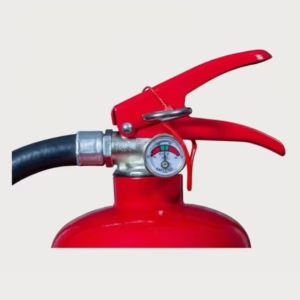
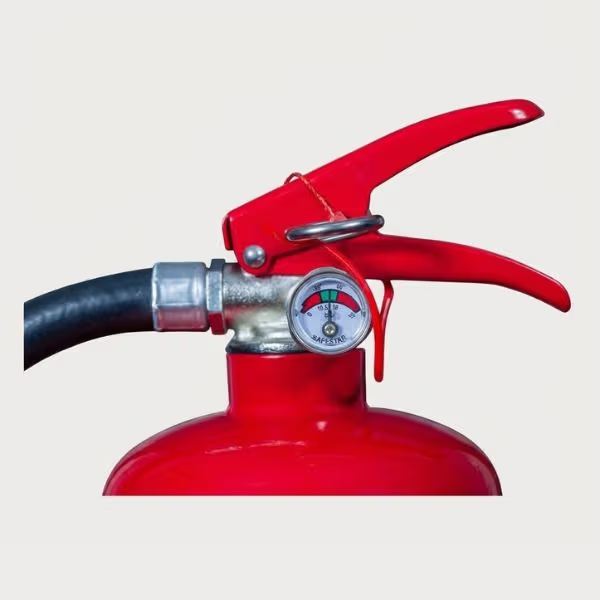
ToggleThe pressure gauge on a fire extinguisher is a small circular dial, usually located just below the handle. It tells you whether the extinguisher has enough internal pressure to expel the agent whether that is dry chemical powder (DCP), CO2, foam, or water.
Without enough pressure, pulling the pin and squeezing the handle will do nothing. Or worse, the agent will barely trickle out, failing to reach the fire. This is not a risk you want to take during an emergency.
In Pakistan, fire extinguishers are used in homes, factories, warehouses, hospitals, schools, offices, and shops. Yet very few people check the gauge regularly. A fire extinguisher that looks perfectly fine on the outside can be completely useless inside and that is a problem the pressure gauge is designed to solve.
Understanding the Pressure Gauge: What the Colors Mean
Most fire extinguisher pressure gauges use a simple color-coded dial:
Green Zone Fully Operational
If the needle is pointing to the green zone, your extinguisher is fully charged and ready for use. The pressure is within the manufacturer’s recommended range, typically between 100 and 175 PSI for most DCP extinguishers used in Pakistan.
Red Zone (Left Side) Undercharged / Low Pressure
If the needle has moved to the left side of the dial, into the red zone, the pressure is too low. The extinguisher may have a slow leak, or it was discharged partially and never refilled. An undercharged extinguisher is an unreliable extinguisher. Do not trust it in an emergency.
Red Zone (Right Side) Overcharged / Over pressurized
If the needle is pointing to the right red zone, the extinguisher is over pressurized. This is also dangerous. Over pressurization can cause the cylinder to rupture. Do not use an over-pressurized extinguisher, take it to a professional immediately.
How to Check the Pressure Gauge: Step-by-Step
Checking a fire extinguisher pressure gauge takes less than one minute. Here is how to do it properly:
Step 1: Locate the Extinguisher
Find your fire extinguisher at its designated location on a wall mount, in a cabinet, or wherever it is stored. Make sure it is easily accessible and has not been moved or blocked by furniture or boxes.
Step 2: Look at the Gauge Without Touching It
You do not need to remove the extinguisher from its bracket to read the gauge. Simply look at the dial and note where the needle is pointing. A quick visual check is enough for routine inspections.
Step 3: Check the Safety Pin
The safety pin (also called the pull pin) should be firmly in place and secured with a tamper-evident seal or plastic tie. If the pin is missing or the seal is broken, the extinguisher may have been used even partially and should be refilled before trusting it again.
Step 4: Inspect the Body and Hose
While you are checking the gauge, also look at the cylinder body for rust, dents, or corrosion. Check the hose and nozzle for cracks or blockages. A damaged extinguisher body can leak pressure and cause long-term gauge issues.
Step 5: Record the Inspection
Most fire extinguishers come with a service tag on the side. Write the date of your inspection on the tag. Keeping a maintenance log helps you stay on schedule and shows compliance during safety audits a growing requirement in Pakistani industries and commercial properties.
What Causes Low Pressure in a Fire Extinguisher?
Low pressure does not always mean the extinguisher was used. There are several reasons why the gauge needle can drop over time:
- Slow Leakage: Seals and O-rings can degrade over years of use and exposure to temperature changes, common in Pakistan’s extreme heat and humidity.
- Partial Discharge: If the extinguisher was briefly triggered during a drill or an incident but not fully used, the remaining pressure can drop below operational range.
- Valve Damage: A damaged or loose valve can cause continuous slow loss of pressure.
- Manufacturing Defect: Rarely, a faulty valve or seal from manufacturing can cause pressure loss in newer units.
- Long Storage Without Servicing: Fire extinguishers that sit for years without professional inspection often develop leaks that go unnoticed until the gauge is checked.
How Often Should You Check the Gauge in Pakistan?
The general recommendation from fire safety professionals is:
- Monthly Visual Check: Look at the gauge once a month. It only takes a few seconds and can catch problems early.
- Annual Professional Inspection: Have a certified fire safety technician inspect the extinguisher once a year. This includes internal pressure testing, seal inspection, and recharging if needed.
- After Every Use: Even if you only used the extinguisher briefly, have it refilled before placing it back on the wall.
- After Any Physical Damage: If the extinguisher was dropped, hit, or exposed to extreme conditions, have it inspected even if the gauge still reads green.
In Pakistan, many businesses and homeowners skip the annual professional inspection often because they do not know where to go or assume it is expensive. However, the cost of professional Fire Extinguisher Refilling in Pakistan is far less than the cost of property damage or loss of life caused by a failed extinguisher.
What to Do When the Pressure Gauge Is Low
If you check your gauge and the needle is in the red zone on the left side, take the following steps:
Do Not Use the Extinguisher in an Emergency
A low-pressure extinguisher may provide a false sense of security. Tag it out of service immediately so no one tries to use it during a fire.
Contact a Fire Safety Professional
In Pakistan, certified fire safety service providers offer fire extinguisher refilling and recharging services. They will inspect the extinguisher, identify the cause of pressure loss, recharge it with the correct agent (DCP, CO2, foam, or water), pressure test it, and return it in full working condition.
Do Not Attempt DIY Refilling
Refilling a fire extinguisher is not a DIY job. It requires specialized equipment, certified agents, and pressure testing tools. Attempting to refill at home or using non-standard agents can be extremely dangerous and illegal under Pakistani safety regulations.
Replace If Beyond Repair
If the extinguisher body is corroded, cracked, or older than 10 to 12 years, a professional may recommend full replacement rather than refilling. In that case, invest in a new unit from a trusted supplier.
CO2 Extinguishers: A Special Case
CO2 extinguishers do not have a traditional needle-style pressure gauge in the same way as DCP units. Instead, they use a weight-based system the extinguisher is weighed to determine if the CO2 inside has decreased.
If you have a CO2 extinguisher, do not rely solely on the dial (if present). Have it weighed by a professional during annual service. A CO2 cylinder that has lost 10 percent or more of its original weight needs to be refilled.
CO2 refilling is common in Pakistan’s IT companies, server rooms, kitchens, and laboratories, where DCP powder would damage sensitive equipment.
The Role of Regular Refilling in Fire Safety
Many building managers in Pakistan assume that if an extinguisher has never been used, it does not need servicing. This is a dangerous misconception. Pressure loss can happen without any visible sign. Agents can also settle, clump, or degrade over time, reducing effectiveness even if the pressure gauge still reads green.
This is why professional Fire Extinguisher Refilling in Pakistan is not just about recharging pressure it is a full service that includes:
- Internal inspection of the cylinder
- Replacement of worn seals and O-rings
- Fresh agent refilling with certified materials
- Pressure testing to manufacturer standards
- New safety pin and tamper seal installation
- Updated service label and inspection records
If you are looking for trusted professionals for Fire Extinguisher Refilling in Pakistan, visit https://firesafetytrading.com.pk/fire-extinguisher-refilling-in-pakistan/ to learn about service options available across major cities including Lahore, Karachi, Rawalpindi, Islamabad, and Peshawar.
Pressure Gauge Check: Quick Reference Table
Here is a simple summary of what each gauge reading means and what action to take:
- Needle in Green Zone → Extinguisher is ready. Continue monthly checks.
- Needle in Left Red Zone → Low pressure. Tag out of service. Schedule refilling immediately.
- Needle in Right Red Zone → Over Pressurized. Do not use. Contact a professional.
- No gauge reading / gauge damaged → Unknown status. Do not use. Have it inspected.
- CO2 unit with weight loss over 10% → Refill required regardless of gauge.
10 Frequently Asked Questions (FAQs)
Q1. How do I know if my fire extinguisher pressure gauge is low?
If the needle on the pressure gauge is pointing to the left red zone instead of the green zone, the pressure is low. This means the extinguisher is undercharged and may not work properly in a fire. Immediately tag it out of service and arrange for professional refilling.
Q2. Can I still use a fire extinguisher if the gauge is slightly low?
No. Even slightly low pressure can prevent the extinguisher from discharging correctly. The agent may not reach the fire, or the spray pattern may be too weak to be effective. Always ensure the gauge is in the green zone before relying on any extinguisher.
Q3. How often should I check my fire extinguisher pressure gauge in Pakistan?
You should visually check the pressure gauge at least once a month. A full professional inspection should be done annually by a certified fire safety technician. In Pakistan, many service providers offer affordable annual maintenance contracts for homes and businesses.
Q4. Why does my fire extinguisher lose pressure even when it has never been used?
Pressure loss can happen due to aging seals and O-rings, temperature fluctuations, manufacturing defects, or tiny valve leaks. Pakistan’s extreme heat in summer and cold in winter can accelerate seal degradation, making regular checks even more important.
Q5. Is there a difference between DCP and CO2 extinguisher pressure gauges?
Yes. DCP extinguishers use a needle-style pressure gauge that shows PSI or bar readings in color-coded zones. CO2 extinguishers rely on cylinder weight rather than a pressure dial, because CO2 is stored as a liquid and its gauge can read normal even when the contents are depleted.
Q6. What is the correct pressure for a DCP fire extinguisher in Pakistan?
Most DCP extinguishers used in Pakistan are designed to operate at 10 to 14 bar (approximately 145 to 200 PSI). The green zone on the gauge represents this range. Your extinguisher’s label or manual will specify the exact manufacturer-recommended pressure for your specific model.
Q7. Can I refill my fire extinguisher myself at home?
No. Refilling a fire extinguisher requires certified agents, specialized equipment, and professional pressure testing. Attempting a DIY refill is dangerous and may also violate Pakistani safety regulations. Always use a certified fire safety service provider for refilling.
Q8. How much does fire extinguisher refill cost in Pakistan?
The cost of fire extinguisher refilling in Pakistan depends on the type and size of the extinguisher. DCP refilling is generally more affordable than CO2. Prices typically range from a few hundred to a few thousand rupees depending on cylinder capacity and service provider. Contact a local professional for an accurate quote.
Q9. How long does a fire extinguisher last after refilling?
After a proper professional refilling, a fire extinguisher is generally valid for one year before the next inspection is due. However, monthly visual gauge checks should continue throughout the year. Some large cylinders may be certified for longer periods depending on the agent and manufacturer guidelines.
Q10. Where can I get fire extinguisher refilling services in Pakistan?
Certified fire safety companies across Pakistan offer professional fire extinguisher refilling services. Fire Safety Trading (Pvt) Ltd provides refilling services in Lahore, Karachi, Rawalpindi, Islamabad, Peshawar, and other cities. You can learn more and request a service at https://firesafetytrading.com.pk/fire-extinguisher-refilling-in-pakistan/
Final Thoughts
A fire extinguisher is only as reliable as the pressure inside it. Checking the gauge takes less than a minute but can mean the difference between putting out a fire quickly and watching it spread uncontrolled. Do not assume your extinguisher is fine just because it looks intact. Make the pressure gauge check a monthly habit, and do not delay when the needle drops into the red.
When the gauge shows low pressure, do not wait. Contact a certified fire safety professional and get the extinguisher refilled immediately. For reliable Fire Extinguisher Refilling in Pakistan, trust the experts who understand Pakistani conditions, compliance requirements, and the importance of fire safety in every building.
Stay prepared. Check the gauge. Refill on time.