

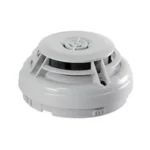

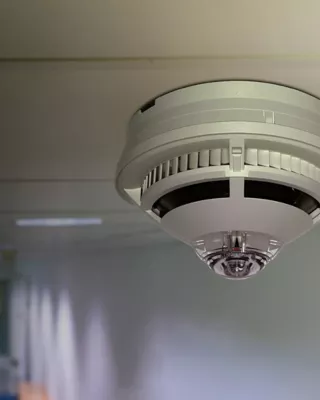
Home fire safety is not just a precaution; it is a fundamental aspect of protecting lives and property. Fires can start silently and spread rapidly, often before occupants are aware of danger. One of the most effective ways to safeguard a home is by installing reliable smoke detectors. Honeywell smoke detectors are recognised globally for their dependable performance, advanced detection technology, and ease of use, making them an excellent choice for home fire safety.
This article explains why Honeywell smoke detectors are ideal for homes, how they work, key features, where to install them, and how to maintain them for reliable protection.
Why Smoke Detectors Are Essential at Home
Every home faces a variety of fire risks. Cooking accidents, electrical faults, unattended candles, heating equipment malfunctions, and careless use of appliances are common fire triggers. Early detection saves lives by alerting residents before smoke or fire spreads.
A smoke detector continuously monitors air for smoke particles. When smoke is detected, the unit triggers a loud alarm, giving occupants precious minutes to evacuate, shut off power sources, or call emergency services. The presence of a reliable smoke detector is one of the most effective measures to prevent tragedy.
Honeywell smoke detectors are engineered to provide fast and accurate detection, making them a core component of home fire safety planning.
How Honeywell Smoke Detectors Work
Honeywell smoke detectors use advanced sensing technologies to identify fire signatures at an early stage:
Photoelectric Detection
Photoelectric sensors use a light source and a sensing chamber. When smoke particles enter the chamber, they scatter the light, triggering the sensor. This technology is especially effective for detecting smouldering fires, which produce visible smoke before flames appear.
Ionisation Detection
Ionisation sensors detect smaller, fast‑burning particles typical of flaming fires. Although not as common in modern residential systems, ionisation technology can be effective when combined with photoelectric detection.
Dual‑Sensor Technology
Some Honeywell models combine both photoelectric and ionisation technologies for broader fire detection coverage. Dual‑sensor detectors can respond effectively to both slow‑smouldering and fast‑flaming fires, reducing the risk of delayed warnings.
These technologies help Honeywell smoke detectors deliver timely and reliable fire detection in residential settings.
Key Features of Honeywell Smoke Detectors for Homes
Honeywell smoke detectors include several features that make them particularly suitable for household use:
Early and Sensitive Detection
Honeywell units are designed to detect small amounts of smoke quickly, triggering alarms before conditions become life‑threatening.
Low False Alarm Rates
Advanced sensing chambers and signal processing reduce false alarms caused by steam, cooking fumes, or dust, ensuring that alerts only occur when there is genuine risk.
Loud Audio Alarm
Honeywell detectors emit a strong audible alert, usually above 85 dB, loud enough to wake sleeping occupants and alert people throughout a home.
Battery and Power Options
Many home detectors operate on replaceable or rechargeable batteries, while others are hardwired into the home electrical system with battery backup. Battery‑powered units are easy to install and suitable for most residential rooms.
LED Indicators
Visual indicators show power status, alarm conditions, and fault alerts, helping users quickly understand the detector’s state.
Test and Reset Buttons
Built‑in controls allow users to test the alarm and reset it after a false or minor activation, ensuring proper functioning and ease of use.
Durable and Long‑Lasting Construction
Honeywell smoke detectors are designed to remain reliable over many years with minimal maintenance, making them a long‑term investment in home safety.
Where to Install Smoke Detectors in Your Home
Correct placement is critical for effective smoke detection:
Bedrooms
Install detectors inside or just outside sleeping areas so that occupants hear alarms immediately in the event of fire at night.
Hallways and Common Areas
Position detectors in hallways and central locations to monitor areas that connect different rooms.
Living and Dining Rooms
Social spaces with frequent activity benefit from early detection coverage.
Near Kitchens (but not too near)
Install smoke detectors within a short distance of the kitchen, but not directly above cooking surfaces where steam and cooking fumes can trigger false alarms. Photoelectric detectors are generally better for kitchen areas due to lower sensitivity to cooking aerosols.
Basements and Attics
These areas often contain electrical equipment, wiring, or stored materials, making them potential fire risk zones.
For best results, follow manufacturer guidelines and local fire safety recommendations when placing detectors.
Installation Tips for Honeywell Smoke Detectors
Installing a smoke detector is straightforward but requires attention to detail for reliable performance:
Ceiling Mounting
Smoke rises, so the detector should be mounted on the ceiling or high on a wall.
Away from Corners
Avoid installing detectors too close to walls, corners, or vents that could interfere with smoke flow into the sensing chamber.
Standard Height Regulations
Follow installation height recommendations in the user manual to ensure consistent detection.
Interconnect Multiple Detectors
If possible, interconnect detectors so that when one unit detects smoke, all alarms in the home activate simultaneously. This increases awareness in multi‑room homes.
Maintenance and Testing
Routine maintenance keeps smoke detectors ready to respond when needed:
Monthly Testing
Use the test button at least once a month to confirm the alarm and sensors are functioning correctly.
Battery Replacement
Replace batteries annually or whenever the unit emits a low‑battery alert.
Cleaning
Dust, insects, and debris can accumulate around detectors. Clean the exterior gently with a soft cloth or compressed air to maintain sensor sensitivity.
Unit Replacement
Most smoke detectors have a service life of about ten years. Replace units according to manufacturer recommendations to ensure optimal performance.
Benefits of Honeywell Smoke Detectors for Home Fire Safety
Reliable Early Warning
Honeywell detectors are engineered for early smoke detection and quick alarm activation, providing families with time to respond.
Ease of Use and Installation
Battery‑powered models can be installed without professional help, and hardwired models can be integrated into existing electrical systems with certified electrician support.
Reduced False Alarms
Advanced sensing technology reduces nuisance alerts while maintaining sensitivity to real fire hazards.
Wide Range of Models
Honeywell offers solutions for basic domestic needs, multi‑detector interconnect systems, and integrated safety networks for larger homes.
Peace of Mind
With consistently reliable performance, Honeywell smoke detectors give homeowners confidence that their fire safety needs are professionally addressed.
Choosing the Right Model
Selecting the right Honeywell smoke detector involves considering:
Home Size
Larger homes may require multiple detectors strategically placed for full coverage.
Power Options
Battery models are ideal for rental or older homes where wiring is difficult, while hardwired systems with battery backup offer uninterrupted protection.
Technology Type
Photoelectric detectors are excellent for general use, while dual‑sensor models provide broader fire type coverage.
Installation Environment
Consider humidity, presence of steam, or dust when choosing sensor types to avoid false alarms.
Conclusion
Honeywell smoke detectors are among the most trusted solutions for home fire safety. Their combination of advanced sensing technology, reliable performance, low false alarms, and ease of installation makes them an excellent choice for families and residential buildings. From early detection to loud alarms and long‑lasting durability, Honeywell units provide essential protection that enhances safety, supports peace of mind, and can make the difference between a small incident and a disaster.
Investing in Honeywell smoke detectors is not just about compliance with safety guidelines; it is about ensuring that your home is prepared for emergencies, your loved ones are protected, and your property is safeguarded with dependable fire detection technology.
Also Read:


