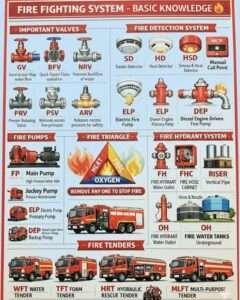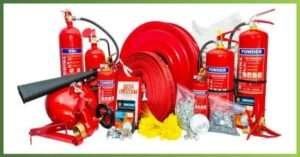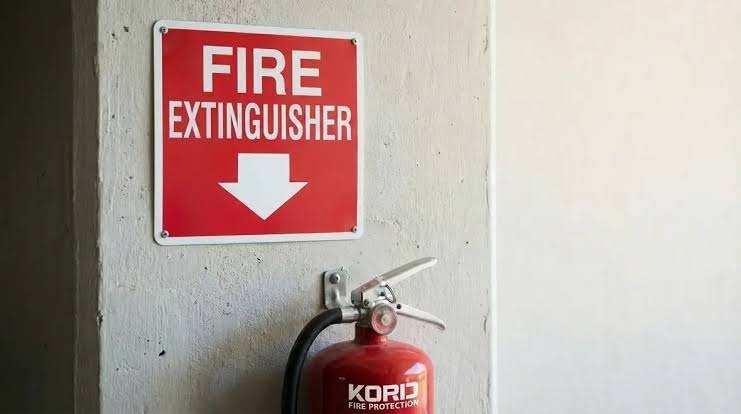
Fire safety signs may look like small details in a building, but they play an important role in protecting people during an emergency. A clearly visible exit sign can help someone identify an escape route, while a fire extinguisher sign can show where safety equipment is located. Warning signs can also help people recognize restricted areas and potential hazards before an incident occurs.
In offices, shopping malls, schools, hospitals, factories, warehouses, and residential buildings, signs help communicate essential safety information quickly. This becomes particularly important when occupants are unfamiliar with the building or need to respond under pressure.
However, installing signs is not enough. They must communicate the correct message, appear in suitable locations, remain visible, and be maintained in good condition. Poorly positioned signs, faded symbols, blocked notices, and inconsistent designs can make safety information difficult to understand.
In Pakistan, building owners and facility managers should consider fire safety signage as part of a wider fire-protection strategy. A suitable fire alarm system in Pakistan, clearly marked escape routes, maintained firefighting equipment, and effective emergency procedures all contribute to safer buildings.
This guide explains the different types of fire safety signs, how to select and position them, common mistakes to avoid, and why proper signage is an important part of building safety.
What Is Fire Safety Signage?
Fire safety signage refers to signs and visual notices that communicate information related to fire prevention, firefighting equipment, emergency exits, evacuation routes, and other fire-related hazards.
These signs help people understand where to go, what to avoid, and where essential safety equipment can be found.
Common examples include:
– Emergency exit signs.
– Directional escape-route signs.
– Fire extinguisher location signs.
– Fire alarm call-point signs.
– Fire hose reel and hydrant signs.
– Warning signs for hazardous areas.
– Notices explaining emergency procedures.
– Signs identifying designated assembly points.
Different signs serve different purposes. Some provide directions, while others identify equipment or communicate a warning.
The International Organization for Standardization (ISO) publishes ISO 7010, which specifies standardized graphical safety signs for purposes including fire protection and emergency evacuation.
Using consistent symbols can help people recognize safety information without having to read lengthy instructions. Nevertheless, signs should complement appropriate training, emergency procedures, and other protective measures rather than replace them.
Why Is Fire Safety Signage Important?
During an emergency, people may have limited time to understand what is happening and decide how to respond. Visitors may not know the building layout, while employees may be unfamiliar with emergency arrangements outside their usual work areas.
Clear signage helps reduce uncertainty by providing recognizable visual information.
1. It helps people find exits
Exit signs and directional arrows can guide occupants toward designated escape routes. This is especially important in large buildings with multiple floors, corridors, and stairways.
2. It identifies firefighting equipment
Signs can help people locate extinguishers, hose reels, hydrants, and other equipment provided for fire protection.
3. It communicates hazards
Warning signs can identify areas where access is restricted or additional precautions are required.
4. It supports emergency planning
Signs reinforce information included in evacuation plans and help people recognize important locations within the building.
5. It supports a safety-conscious environment
Visible, well-maintained signage demonstrates that fire safety is being considered as part of normal building management.
Although signage cannot prevent every incident, it can help people make better-informed decisions when it is correctly designed and used.
1. Understand the Main Types of Fire Safety Signs
Before purchasing signs, it is important to understand their different purposes.
Emergency exit signs
These signs identify designated exits or help occupants follow an escape route. They are particularly important in buildings where visitors may not know the layout.
Exit signs should be placed so that occupants can identify the intended direction of travel at relevant decision points.
Directional escape signs
Directional signs guide people toward an exit when it is not directly visible.
They are useful in long corridors, complex floor layouts, and buildings with several changes of direction.
Fire equipment signs
These signs identify the location of firefighting equipment, such as extinguishers, hose reels, and hydrants.
They should remain visible even when furniture, stock, or other items are present nearby.
Fire alarm signs
These signs identify manual fire alarm call points or other relevant equipment where applicable. Their purpose is to help people recognize the location and function of the equipment.
Warning and prohibition signs
Warning signs communicate potential hazards, while prohibition signs indicate activities that are not permitted.
Examples may include warnings about hazardous areas or restrictions on access to designated spaces.
The selection and placement of signs should reflect the building’s risks, layout, and applicable requirements.
2. Choose Signs With Clear Symbols and Readable Text
A safety sign must communicate its message quickly.
Complicated graphics, unclear wording, small lettering, and inconsistent symbols can make signs harder to understand. This can be especially problematic when people are unfamiliar with the building or when visibility is reduced.
When choosing signage, consider:
– Whether the symbol is recognizable.
– Whether the wording is brief and clear.
– Whether the text is readable from the expected viewing distance.
– Whether the design follows an appropriate recognized standard.
– Whether the sign is suitable for the intended environment.
Standardized signs are generally preferable to decorative or improvised designs.
ISO 7010 establishes registered safety signs using design principles intended to support consistent interpretation. However, building owners should also check the standards and requirements applicable to their particular property.
Where written instructions are necessary, simple wording can help visitors and employees understand the message.
3. Use Appropriate Colours and Shapes
Safety signs often use established colour and shape conventions to communicate different types of information.
For example, green signs commonly identify safe conditions or escape routes, while red signs are frequently used for fire equipment or prohibition messages. Yellow is commonly associated with warnings, and blue is often used for mandatory instructions.
These conventions help people interpret signs more quickly, but the exact design should follow the applicable standard rather than relying on colour alone.
A sign’s symbol, shape, wording, contrast, and placement all contribute to its effectiveness.
Do not choose signs only because their colours match a building’s interior design. Fire safety signs need to remain recognizable and distinguishable from ordinary decoration.
The correct sign design should be confirmed against the relevant standard and local building requirements.
4. Place Exit Signs Where People Need Them
Exit signage should help occupants understand where to go without unnecessary confusion.
A sign positioned behind a display, above an obstructed doorway, or where it cannot be seen from the approach route may not provide useful guidance.
Building managers should review the full escape route rather than examining each sign in isolation.
Consider the following questions:
– Can occupants identify the nearest designated exit?
– Is the direction clear at corridor intersections?
– Are signs visible when approaching stairways?
– Could doors, decorations, or temporary displays hide them?
– Is the route still clear if the usual entrance cannot be used?
– Do signs match the building’s actual evacuation plan?
Exit routes and signage should be reviewed whenever the layout changes.
For larger or more complex buildings, a qualified fire-safety professional should assess the appropriate locations and visibility of signs.
5. Make Fire Equipment Easy to Locate
Fire extinguishers and other protective equipment need to be accessible and identifiable.
If a piece of equipment is installed in a recessed cabinet, behind a column, or in an area where people may not immediately notice it, a suitable sign can help identify its location.
However, a sign cannot compensate for equipment that is blocked or inaccessible.
Building managers should ensure that required equipment remains available and that signs accurately reflect its location.
If an extinguisher or other item is moved, the corresponding signage should be reviewed and updated.
Staff should also know how to report missing, damaged, or obstructed equipment.
The purpose of signage is to make the safety arrangement easier to understand, not to give people a reason to approach a dangerous fire. Untrained occupants should prioritize evacuation and follow the building’s emergency procedures.
6. Connect Signage With the Fire Alarm System
Fire safety signage and fire alarm systems serve different but complementary purposes.
A sign communicates information visually. An alarm system provides a warning when its detection devices or other initiating components identify a specified fire-related condition.
In a building with a suitable fire alarm system in Pakistan, signage can help occupants recognize manual call points, understand exit directions, and identify relevant safety equipment.
For example, an alarm may alert people to an emergency, while directional exit signs help them identify the intended route to safety.
However, signage should not be expected to replace an audible or visual alarm where one is required. Likewise, an alarm does not eliminate the need for clear exit signs or an evacuation plan.
Building managers should ensure that:
– Signs accurately identify installed equipment.
– Manual alarm call points are identifiable where required.
– Exit signs correspond with the approved escape routes.
– Emergency lighting and illuminated signage are maintained where applicable.
– Employees understand how signage supports the emergency procedure.
For larger buildings, the fire alarm design and evacuation signage should be reviewed together as part of the overall fire-safety arrangement.
7. Consider Visibility, Lighting, and Viewing Distance
A sign that is difficult to see cannot communicate its message effectively.
Visibility depends on several factors, including the sign’s size, viewing distance, contrast, lighting, mounting position, and surrounding environment.
Signs should not be hidden by furniture, merchandise, decorative panels, banners, or temporary event equipment.
In locations where normal lighting may be affected during an emergency, the building’s required emergency lighting and illuminated signs should be maintained according to the approved design and applicable standards.
The suitability of a sign also depends on the environment. Outdoor areas, damp spaces, industrial facilities, and locations exposed to dust may require materials and mounting methods appropriate to those conditions.
Do not assume that every sign can be installed in the same way throughout a building.
A practical inspection should check whether the message can be recognized from the direction and distance at which people are expected to see it.
8. Select Durable and Suitable Materials
Fire safety signs should remain legible throughout their intended service life.
The material and mounting method should suit the environment where the sign will be installed.
For example, signs used in humid locations may need different material properties from signs placed in a dry office corridor. Outdoor signage may need to withstand weather and sunlight.
When evaluating products, consider:
– Durability and expected service life.
– Resistance to the conditions in the installation area.
– Readability after routine cleaning.
– Compatibility with the mounting surface.
– Manufacturer information and installation guidance.
– Any relevant standard or certification requirements.
Avoid products that become difficult to read, peel away, or lose their intended appearance under normal operating conditions.
Photoluminescent or illuminated signs may be appropriate in some applications, but they should be selected according to the relevant requirements and the building’s design.
A sign’s appearance alone does not establish that it meets a particular standard.
9. Follow Pakistan’s Building Fire-Safety Requirements
In Pakistan, the Building Code of Pakistan – Fire Safety Provisions 2016 provides a national reference for fire prevention and life safety in buildings.
The code addresses means of egress and states that exits should be clearly visible or that the route to reach them should be conspicuously indicated. It also emphasizes keeping escape routes unobstructed.
Punjab Civil Defence identifies fire detection and alarm systems, firefighting arrangements, fire-safety plans, emergency exits, and evacuation planning among the measures considered when inspecting relevant premises.
These requirements are important for commercial buildings, industrial facilities, and high-rise properties, where the consequences of unclear escape arrangements can be serious.
The exact requirements for signage depend on the building’s use, size, layout, and applicable local regulations.
Building owners should confirm their obligations with the relevant authority or a qualified professional rather than assuming that one generic set of signs will satisfy every requirement.
10. Avoid Common Fire Signage Mistakes
Even when a building has purchased the right types of signs, installation and maintenance mistakes can reduce their value.
Blocking signs with furniture or displays
A sign hidden behind a cabinet, decoration, or shop display may be difficult to notice. Keep important signs unobstructed.
Using inconsistent designs
Mixing unrelated symbols and improvised graphics can make safety information harder to interpret. Use appropriate standardized designs.
Installing signs without reviewing the escape route
A sign should guide people toward a suitable route. It should not point toward a locked door or an area that is not part of the approved escape plan.
Allowing signs to fade or become damaged
Faded text, peeling materials, and damaged symbols should be addressed promptly.
Using too many signs
Excessive signage can overwhelm people and make important messages less noticeable. Signs should be selected according to actual needs.
Forgetting to update signs after renovations
When doors, corridors, partitions, or equipment locations change, the signage may no longer reflect the building’s layout.
A regular review can help identify and correct these problems.
11. Train Employees to Recognize Safety Signs
Signs are more effective when people understand their meaning.
Employers and facility managers should explain the main signs relevant to their workplace, including exit indicators, equipment markers, warnings, and restricted-area notices.
Training should also explain how signs relate to the emergency plan.
For example, employees should know which routes they are expected to use, where the assembly point is located, and how to report a damaged or missing sign.
Fire drills can help occupants become more familiar with the building’s evacuation arrangements.
Training is particularly important in facilities where employees work in different areas or where visitors regularly enter unfamiliar spaces.
The International Organization for Standardization emphasizes that standardized safety signs do not replace proper work practices, instructions, training, or other accident-prevention measures.
Signs communicate essential information, while training helps people understand how to act on it.
12. Inspect and Maintain Fire Safety Signs
Fire safety signage should be included in the building’s routine inspection programme.
A maintenance review can check whether signs are still present, readable, correctly positioned, and consistent with the current layout.
A basic inspection should consider:
– Whether the sign is damaged or faded.
– Whether the symbol and text remain readable.
– Whether lighting or illumination is functioning where required.
– Whether furniture or stored materials obstruct visibility.
– Whether the sign points toward the correct location.
– Whether changes to the building have affected the escape route.
– Whether the sign remains appropriate for its intended purpose.
Identified problems should be recorded and corrected.
If the building layout or emergency plan changes, signage should be reviewed before the affected area is returned to normal use.
For complex buildings, a qualified fire-safety professional can help verify that the signage arrangement remains consistent with the building’s approved safety plan and applicable requirements.
13. A Practical Fire Safety Signage Checklist
Building owners, facility managers, and safety officers can use this checklist as a starting point.
– [ ] Exit signs are clearly visible.
– [ ] Directional signs guide occupants along the intended escape route.
– [ ] Fire equipment signs accurately identify equipment locations.
– [ ] Manual alarm call points are identifiable where required.
– [ ] Signs use appropriate standardized symbols and designs.
– [ ] Text is readable from the expected viewing distance.
– [ ] Signs are not hidden by doors, furniture, or decorations.
– [ ] Emergency lighting and illuminated signs are maintained where required.
– [ ] Sign materials are suitable for their environment.
– [ ] Damaged or faded signs are repaired or replaced.
– [ ] Signage is reviewed after building renovations.
– [ ] Employees understand the main safety signs.
– [ ] Evacuation routes remain clear and unobstructed.
– [ ] Inspection findings and corrective actions are recorded.
This checklist is a general guide and does not replace a professional assessment or the specific requirements applicable to a building.
Conclusion
Fire safety signage is a practical and important part of protecting people in buildings. Clear signs can help occupants identify exits, locate firefighting equipment, recognize hazards, and follow evacuation routes during an emergency.
However, signs must be selected, positioned, and maintained correctly to provide useful information. Standardized symbols, appropriate materials, good visibility, staff training, and regular inspections all contribute to an effective signage arrangement.
A suitable fire alarm system in Pakistan can provide an important warning, while clear signage helps people understand where to go and where relevant safety equipment is located. Both should form part of a wider fire-safety plan that includes maintained equipment, unobstructed exits, and emergency procedures.
For building owners and facility managers, the right approach is to assess the property, identify its needs, follow applicable requirements, and correct problems when they are found.
Fire safety signage may represent a relatively small part of a building’s overall safety budget, but it can provide important information when people need it most.
FAQs
1. What is the purpose of fire safety signage?
Fire safety signage helps people identify emergency exits, follow escape routes, locate firefighting equipment, and rec