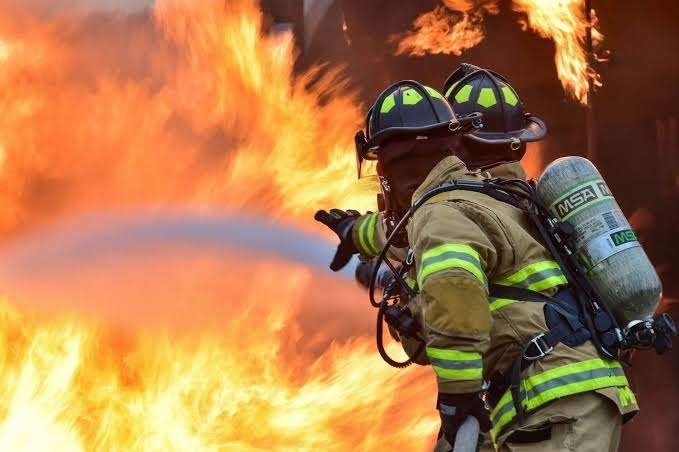
Wildfires are fires that spread uncontrollably through forests, grasslands, shrubs, and other areas containing vegetation. They can damage natural habitats, destroy property, threaten human lives, and affect communities located near fire-prone landscapes.
In Pakistan, wildfire safety is an important concern in forested and mountainous areas, particularly during periods of dry weather and increased fire danger. Fires can begin through natural causes, such as lightning, or human activities, including unattended campfires, discarded smoking materials, and the careless use of fire near dry vegetation.
Preventing wildfires requires more than responding after flames appear. Communities, land managers, government agencies, and property owners all have roles in reducing hazards, recognizing warning signs, sharing information, and preparing for emergencies.
Although a fire alarm system in Pakistan is generally associated with detecting fires inside buildings, early warning is equally important when considering wildfire safety. Outdoor fires may require weather monitoring, observation, satellite information, public alerts, and communication between emergency services and nearby communities.
Pakistan’s National Disaster Management Authority (NDMA) identifies forest-fire preparedness, risk monitoring, community awareness, and coordinated response as important parts of wildfire management. <Cite refs={[“turn166507search24″,”turn166507search25”]}/>
This article explains the importance of wildfire safety, practical prevention measures, early warning, emergency preparedness, and the role individuals and communities can play in protecting people and the environment.
What Is Wildfire Safety?
Wildfire safety involves actions taken to reduce the likelihood of vegetation fires, prepare communities for possible emergencies, and limit harm when a wildfire occurs.
It includes prevention, early detection, public communication, evacuation planning, emergency response, and recovery after a fire.
Wildfire safety is different from ordinary household fire safety because outdoor fires can spread across large areas and be influenced by wind, temperature, terrain, and the amount of dry vegetation available to burn.
A fire that begins in a remote area may become a threat to nearby settlements if conditions allow it to spread.
Effective wildfire safety therefore depends on understanding local risks and coordinating preventive measures before the fire season begins.
Important elements include:
– Identifying areas that may be vulnerable to wildfires.
– Monitoring weather and vegetation conditions.
– Reducing avoidable ignition sources.
– Reporting suspected fires promptly.
– Sharing reliable warnings with communities.
– Preparing evacuation routes and meeting points.
– Supporting trained emergency responders.
– Protecting natural habitats and restoring affected land.
These measures work together. No single action can eliminate every wildfire risk, but preparedness can help communities respond more effectively.
1. Understand the Common Causes of Wildfires
Understanding how wildfires start is an important first step toward preventing them.
Some wildfires begin naturally, including those caused by lightning. However, many vegetation fires are associated with human activities that introduce an ignition source into dry grass, leaves, shrubs, or forest litter.
Potential causes include unattended campfires, discarded smoking materials, poorly controlled burning, sparks from equipment, and other careless activities near combustible vegetation.
Dry conditions can make vegetation easier to ignite, while wind may help flames spread into surrounding areas.
In Pakistan, forest and grassland management should account for local weather, vegetation, terrain, and patterns of human activity. NDMA guidance emphasizes identifying fire-prone areas and monitoring conditions that may increase wildfire risk. <Cite refs={[“turn166507search24”]}/>
Communities can help reduce avoidable risks by following local restrictions, respecting signs in forests and parks, and avoiding activities that may start fires in dry areas.
Children and teenagers should never experiment with fire outdoors or attempt to investigate a suspected wildfire. Any visible fire or smoke should be reported to a responsible adult or the appropriate local emergency authority from a safe location.
2. Why Wildfire Prevention Matters
Preventing a wildfire is generally safer than trying to manage a large, uncontrolled fire after it begins.
Wildfires can damage trees, vegetation, wildlife habitats, agricultural land, homes, and other property. They may also disrupt roads, tourism, local businesses, and access to essential services.
Smoke can affect air quality far beyond the immediate fire area. Depending on the conditions and materials burning, smoke exposure may be particularly concerning for children, older adults, and people with respiratory or cardiovascular problems.
Environmental damage can continue after flames have passed. Vegetation loss may leave land more vulnerable to erosion, while damaged habitats can affect wildlife and the recovery of local ecosystems.
Prevention measures can include public education, appropriate land management, responsible outdoor behaviour, and timely reporting of hazards.
The Food and Agriculture Organization (FAO) explains that effective vegetation-fire management combines prevention, preparedness, response, and rehabilitation rather than relying exclusively on suppression. <Cite refs={[“turn166507search12”]}/>
Communities should also follow instructions issued by forest departments and local authorities, particularly during periods when fire danger is elevated.
3. Recognize Weather Conditions That Increase Fire Risk
Weather plays an important role in wildfire behaviour.
Hot conditions, low humidity, dry vegetation, and strong winds can increase the likelihood that a fire will start or spread. The level of danger also depends on the type and amount of vegetation, the terrain, and recent weather patterns.
A dry hillside with substantial dead vegetation may present different risks from a well-watered agricultural area.
People who visit forests, grasslands, or other outdoor recreation areas should pay attention to official weather advisories and local fire restrictions.
Before travelling to a fire-prone area, check whether authorities have issued warnings or restricted access. Avoid outdoor activities that could introduce ignition sources when conditions are dangerous.
NDMA’s forest-fire guidance recommends monitoring weather and climatic conditions and applying appropriate fire restrictions during dry and windy periods. <Cite refs={[“turn166507search24”]}/>
It is important not to rely solely on personal observations. Conditions can change quickly, and a location that appears safe may still be affected by a developing fire elsewhere.
Official warnings and instructions from local authorities should guide decisions about visiting, working in, or evacuating a potentially affected area.
4. Keep Outdoor Areas as Safe as Practically Possible
Land management can influence how easily a wildfire spreads.
Dry grass, fallen branches, dead leaves, and other vegetation can provide fuel for a fire. In some settings, appropriate vegetation management can reduce the amount of available fuel or interrupt the continuity of vegetation.
However, land management must be suited to the local environment. Removing vegetation indiscriminately can damage habitats, contribute to erosion, and create other environmental problems.
Forest departments and qualified land managers can determine which approaches are appropriate for a particular area.
Around homes and other buildings near vegetation, property owners can follow local guidance on maintaining outdoor spaces, managing dry plant material, and keeping access routes clear.
Residents should also avoid storing combustible waste carelessly near structures or allowing outdoor activities to create unnecessary ignition risks.
Any planned burning or vegetation-management activity should comply with local rules and be handled by authorized, appropriately trained personnel where required. People should never attempt to create firebreaks or conduct burning operations during dangerous conditions without proper professional direction.
The goal is to reduce wildfire vulnerability without creating additional hazards or damaging the surrounding environment.
5. Early Detection Can Reduce the Impact of Wildfires
Early detection helps authorities investigate reports, assess the situation, and organize an appropriate response.
A fire may first be noticed as smoke rising above a forest, a visible flame near dry vegetation, or a report from someone travelling through an affected area.
In remote locations, detecting a fire quickly can be difficult because roads, communication networks, and observation points may be limited.
NDMA’s national guidance recommends monitoring fire-prone areas and using tools such as satellite and drone imagery to improve detection and mapping. <Cite refs={[“turn166507search24″,”turn166507search25”]}/>
Depending on the area, early detection may involve trained observation teams, satellite information, remote sensing, local reports, and communication between agencies.
Members of the public can support detection by reporting smoke or fire through the appropriate local channels. Reports should provide the location and visible information without encouraging anyone to approach the incident.
Never enter a forest or cross unsafe terrain to confirm a suspected fire. Do not use drones or other equipment in ways that interfere with emergency operations or violate local restrictions.
Prompt reporting allows trained personnel to assess the situation and determine what response is appropriate.
6. Understand the Role of Fire Alarms and Public Warnings
Fire detection and warning systems serve different purposes depending on their setting.
Inside a building, a fire alarm system may use detectors, manual call points, control equipment, and audible or visual notification devices to warn occupants of a potential fire.
Wildfires, however, often begin far from buildings and may spread across large outdoor areas. Their detection and warning may depend on weather monitoring, observation networks, satellite information, official advisories, and communication systems operated by relevant authorities.
A fire alarm system in Pakistan can be an important part of protecting buildings located in areas exposed to fire hazards, but it should not be confused with a regional wildfire early-warning system.
Properties near forests or grasslands should have suitable building fire-protection arrangements where required, alongside a plan for responding to outdoor fire threats.
People living in potentially affected communities should know how official warnings are communicated and where to find reliable updates.
Useful preparedness measures include:
– Keeping emergency contact details accessible.
– Knowing the local evacuation instructions.
– Identifying safe routes away from threatened areas.
– Following official alerts instead of unverified social media claims.
– Understanding when to leave without waiting for further confirmation.
An alarm or warning is useful only when people understand what it means and know how to respond.
7. Prepare Homes and Communities Near Wildfire-Prone Areas
Homes located near forests, grasslands, or undeveloped land may need additional planning for outdoor fire threats.
The appropriate precautions depend on the local environment, the distance from vegetation, road access, building construction, and guidance from authorities.
Residents can begin by identifying how they would leave the area if a wildfire threatened their neighbourhood.
Families should discuss:
– Which evacuation routes are available.
– Where household members would meet.
– How they would receive official warnings.
– Which essential medicines or necessary items must be readily accessible.
– Who may need additional assistance during evacuation.
– How pets or dependent family members will be accommodated when possible.
Keep important contact information available and maintain a plan for family members who may not be together when a warning is issued.
Property owners should also follow relevant guidance about outdoor maintenance and the safe use of equipment around vegetation.
If authorities advise evacuation, leave promptly using the designated route. Do not wait to collect unnecessary belongings or remain behind to protect property.
Children should follow instructions from trusted adults and should never be expected to help fight a wildfire.
8. Know What to Do When a Wildfire Is Nearby
A nearby wildfire can change direction or spread quickly as weather and vegetation conditions change. People should therefore follow official instructions rather than attempting to judge the danger based only on the visible flames.
If smoke or fire is noticed, report it through the appropriate emergency channel from a safe location.
If authorities issue an evacuation warning or order, follow their instructions promptly. Leave through the recommended route and avoid travelling toward the fire.
During an evacuation:
1. Stay informed through reliable official updates.
2. Follow designated routes and instructions from emergency personnel.
3. Avoid areas with smoke, flames, or falling debris.
4. Do not stop to observe or photograph the fire.
5. Help household members follow the plan without placing yourself in danger.
6. Do not return until authorities confirm that it is safe.
If you encounter heavy smoke while travelling, avoid entering the affected area and follow official road and evacuation instructions.
Do not attempt to suppress a wildfire yourself. Outdoor fires can spread unpredictably and may overwhelm people without specialist training and equipment.
Emergency responders assess the fire’s size, location, vegetation, and potential spread before coordinating an appropriate response. <Cite refs={[“turn166507search25”]}/>
9. Communities and Authorities Must Work Together
Wildfire safety requires coordination among government agencies, forest departments, local administrations, emergency responders, land managers, and residents.
No single organization or individual can manage every part of wildfire prevention and response alone.
Authorities can identify high-risk areas, monitor weather conditions, maintain response plans, and communicate warnings. Emergency services can assess incidents and organize suitable response resources. Community members can report suspected fires, follow restrictions, and share verified information.
NDMA guidance emphasizes coordination among relevant agencies and local communities to reduce wildfire risks and improve response preparedness. <Cite refs={[“turn166507search24″,”turn166507search25”]}/>
Public education is another important element. Schools, community centres, local organizations, and media can help people understand how wildfires start, why prevention matters, and how to respond to official warnings.
Community planning should also consider people who may need additional support, including older adults, people with disabilities, and households with limited access to transport.
Emergency plans are more useful when they are communicated clearly, reviewed regularly, and adapted to local conditions.
Residents should use established reporting channels and avoid spreading unverified claims about the location, severity, or direction of a fire.
10. Recovery and Environmental Protection After a Wildfire
Wildfire safety does not end when the flames are extinguished.
Burned areas may contain unstable trees, damaged structures, hot material, or other hazards. Roads and access routes may remain unsafe, and some locations may experience further environmental damage after the fire.
People should avoid entering affected areas until authorities or the responsible land managers confirm that access is safe.
Recovery work may include assessing damage, monitoring for renewed fire activity, restoring affected habitats, and identifying the conditions that contributed to the incident.
NDMA guidance includes continued monitoring after suppression and the use of fire assessments to inform future prevention and response planning. <Cite refs={[“turn166507search25”]}/>
Environmental recovery should be planned carefully. Replanting suitable native vegetation, protecting soil, and restoring damaged habitats may help support long-term recovery where recommended by qualified experts.
Communities can also review what happened during an incident. Questions about detection delays, communication difficulties, evacuation routes, and resource availability can help identify improvements for future emergencies.
Recovery is therefore both a practical process and an opportunity to strengthen preparedness.
A Simple Wildfire Safety Checklist
Use this general checklist when preparing for wildfire risk:
– [ ] Follow official weather advisories and local fire restrictions.
– [ ] Avoid careless activities that could ignite dry vegetation.
– [ ] Know how to report a suspected wildfire.
– [ ] Keep emergency contact information accessible.
– [ ] Understand local evacuation routes.
– [ ] Agree on a family meeting point.
– [ ] Follow reliable official warnings.
– [ ] Keep household pathways and exits accessible.
– [ ] Make arrangements for family members who need assistance.
– [ ] Never approach or attempt to fight an uncontrolled wildfire.
– [ ] Stay away from affected areas until authorities permit access.
– [ ] Review the emergency plan periodically.
This checklist supports general awareness. It does not replace local emergency instructions or professional wildfire-management advice.
Conclusion
Wildfire safety is a shared responsibility that begins long before a fire starts. Understanding common ignition sources, recognizing dangerous weather conditions, reducing avoidable hazards, and reporting suspected fires can all contribute to prevention.
Early detection and effective communication help authorities assess incidents and coordinate an appropriate response. Families and communities can support these efforts by preparing evacuation plans, following official warnings, and avoiding actions that place people at unnecessary risk.
In Pakistan, NDMA’s forest-fire guidance highlights preparedness, monitoring, public awareness, coordination, and post-fire assessment as important elements of wildfire management.
A suitable fire alarm system can help protect buildings, while outdoor fire monitoring and public-warning arrangements address the wider risks associated with wildfires. Both are parts of a broader approach to fire safety, but neither removes the need for planning and responsible behaviour.
Most importantly, people should never attempt to tackle an uncontrolled wildfire without the necessary training, equipment, and authorization. When danger threatens, follow official instructions, move to safety, and allow trained emergency responders to manage the incident.
Through prevention, preparedness, and community cooperation, Pakistan can work toward safer settlements, better-protected natural areas, and more resilient communities.
Frequently Asked Questions (FAQs)
1. What is wildfire safety?
Wildfire safety includes preventing vegetation fires, identifying hazards, detecting fires early, preparing communities for emergencies, and following safe evacuation procedures when a fire threatens an area.
2. What commonly causes wildfires?
Wildfires may start naturally, such as through lightning, or through human activities such as unattended fires, d