Fire Hydrant System In Pakistan

Fire Hydrant System in Pakistan

Fire Hydrant Systems in Pakistan are needed in different places for extinguishing fire in case of any fire outbreak. There are different types of Hydrant Systems, providing different benefits and wide usage.

Fire Safety Pvt ltd provides high quality and best fire hydrant systems in Pakistan, at reasonable prices.

What is a Fire Hydrant System

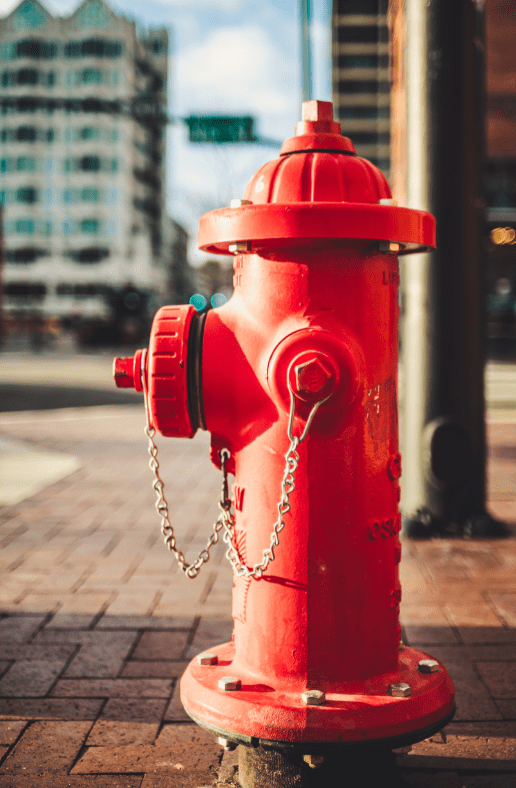
Mainly the fire hydrant system is a network of pipes and valves, present underground. Their main connection is with the city’s water supply, but they are also capable of drawing water from nearby lakes, rivers, or other water reservoirs.

In this way, fire hydrant systems prove really helpful for firefighters by urgently supplying the water for firefighting.

These systems include pipes and pillars. Red paint is used to cover the whole system. By painting red the system and its components become visible. The water that comes out of the system has a very high pressure. This highly pressured water coming out of the pipes of the fire hydrant system quickly knocks out the fire, even in a few seconds.

If a fire breaks out, the firefighters have just to open the valve to get the water. However, the firefighters must be prepared to handle the water pressure.

Now if we talk about the types of fire hydrants there are two types of fire hydrant systems. The two types are mentioned below:

1- Wet Fire Hydrant System

As the name indicates, this type of fire hydrant uses water in its operation. The wet fire hydrant system is connected to a water supply source, from where it fetches the water and draws it to different places to make it readily available for firefighting.

Such systems are suitable for regions, where the temperature is moderate and the water does not freeze in the pipes.

As there are some areas where temperature becomes extremely cold and the water gets frozen in the pipes, for such areas fire hydrant systems are neither suggested nor suitable. Since they will be useless at the time of winter.

2- Dry Fire Hydrant System

Now it is winter that in some regions due to extremely low temperatures, water cannot be stored in the pipes. In such areas, dry fire hydrant systems are used. These systems use an underground water reservoir, and water does not stay in the pipes so that it cannot get frozen. So, it is the ultimate solution for areas with extremely low temperatures.

At the time of a fire outbreak, the valve of the dry fire hydrant system is opened and the water starts rushing into the pipes from the reservoirs. In this way, the firefighters can easily get the water to extinguish the fire.

This is how the different types of fire hydrant systems cope with the different needs of firefighting in various regions.

How the Fire Hydrant System works

Many pipes and valves work together to form a whole fire hydrant system. All these components work together systematically. To deal with this system there must be proper training provided to the firefighters.

In a brief learning, The fire hydrant system works as follows. When the firefighters approached the fire hydrant system, they found a valve and saw a cover on it. Use a pentagonal wrench to remove the cover. When the cover is removed the pipes get ready to take water from the hose.

After removing the cover there comes to rotate the different nuts and bolts that are present on the fire hydrant system. After following this step, the water starts flowing in the pipes. Now, it can be easily thrown on the fire to extinguish it.

The fire hydrant systems are designed in such a way that the water pressure and the direction of water are maintained.

Check these also:

Advantages of the Fire Hydrant Systems

There are certain benefits/ advantages of fire hydrant systems. Those advantages are mentioned below:

1- They are capable of extinguishing different fire classes.

2- The fire hydrant systems can extinguish fires spread on a large scale.

3- As the water from these systems falls at high pressure on the fire it suppresses the fire quickly.

4- The pipes are flexible and can be reached at different heights and different angles, to throw water on fires.

5- There are no chances of water leakage.

6- These systems are highly durable.

7- They need low maintenance and work longer over the time.

Disadvantages of Fire Hydrant Systems

As with many benefits the fire hydrant systems also come with some disadvantages. The disadvantages of the fire hydrant systems are mentioned below:

1- The fire hydrant systems are not automatic and the firefighters have to operate them manually.

2- As there is a highly pressurized water in the hose pipes, and for handling this, two persons are required.

3- The high pressure of water coming from the pipes can damage the equipment.

Conclusion

The fire hydrant system is an essential fire protection equipment. In this system, the pipes are connected to the hose to get water. As a result, the water is readily available to the firefighters for extinguishing the fire. Unlimited water is accessible due to the fire hydrant systems.

There are different types of fire hydrant systems such as wet fire hydrant systems and dry fire hydrant systems to cope with the different needs in the different regions.

The fire hydrants consist of valves, pipes, and hoses. The valve of the fire hydrant system may be composed of bronze or brass.

All the components work together to form the whole system. When the firefighters open the valves to get the water from the hose it starts flowing in the pipes with high pressure and extinguishes the fire in a few seconds.

Fire Safety Pvt ltd

Fire Safety Pvt Ltd. has expertise in the fire industry and provides the best firefighting equipment to consumers. Working for years, we have now gained experience in providing the best product to our valued customers. We never settle for less than the best.

We understand the demand for fire hydrant systems in Pakistan and the types of fire hydrant systems, therefore we make efforts to hunt the best brands and get affiliated with them all across the world. Importing the best and highest quality fire fighting equipment and making them available in Pakistan, is our top priority. We specialize in the installation, maintenance, and inspection of firefighting equipment.

Our team is expert and professional in performing their duties. They have the right tools to deal with the equipment without damaging it.

All in all, we are the leading providers of the fire hydrant system in Pakistan. If you are looking to purchase different types of fire hydrant systems at reasonable prices in Pakistan, you can contact us. We are available in stores and online.

How to Use Fire Extinguisher

How to Use Fire Extinguisher

How to Use Fire Extinguisher,  a question that may arise in anyone’s mind. Although there is a team that deals with fire extinguishers in the event of fire who is fully trained to operate the equipment, the common people should also know how to operate the fire extinguisher so that they can operate it in case of an emergency.

What is a Fire Extinguisher?

The fire extinguisher is the basic fire fighting equipment that provides you with fire safety. Your homes, offices, schools, hospitals, bus stations, railway stations, airports, industries, shopping malls, and even at every place the fire extinguishers should be installed.

The fire extinguisher can easily extinguish the fire at the earliest stage and minimize the loss. There is a fire extinguishing agent inside the cylinder of the fire extinguisher, and when released extinguishes the fire.

Just keeping the fire extinguisher at your place it’s not enough, you must know how to operate it. If you know how to use a fire extinguisher, you will be self-sufficient in fighting a fire. Some simple steps will make you able to use a fire extinguisher. Let’s have a look at those.

1- Choose the Right Fire Extinguisher

First of all, it comes to choosing the right fire extinguishers. There are different fire classes for which particular fire extinguishers are designed. You cannot extinguish all the classes of fire with the same fire extinguisher. There are the following fire classes:

1- Class A

Wood, paper, clothes, and other such solids serve as fuel for these fires.

2- Class B

The flammable liquids such as oils and gasoline are the fuel for this fire class.

3- Class C

The fire caused by the electrical equipment is known as class c fire.

4- Class K

The fire that mostly occurred in the kitchen due to the cooking oils or the fats etc are classified as class K fire.

Now, if we try to extinguish a fire that is caused by the electrical equipment the fire and your back is towards the exciting point. In case the flames start approaching you, just turn back and escape the fire.

Check also:

Discharge Extinguisher

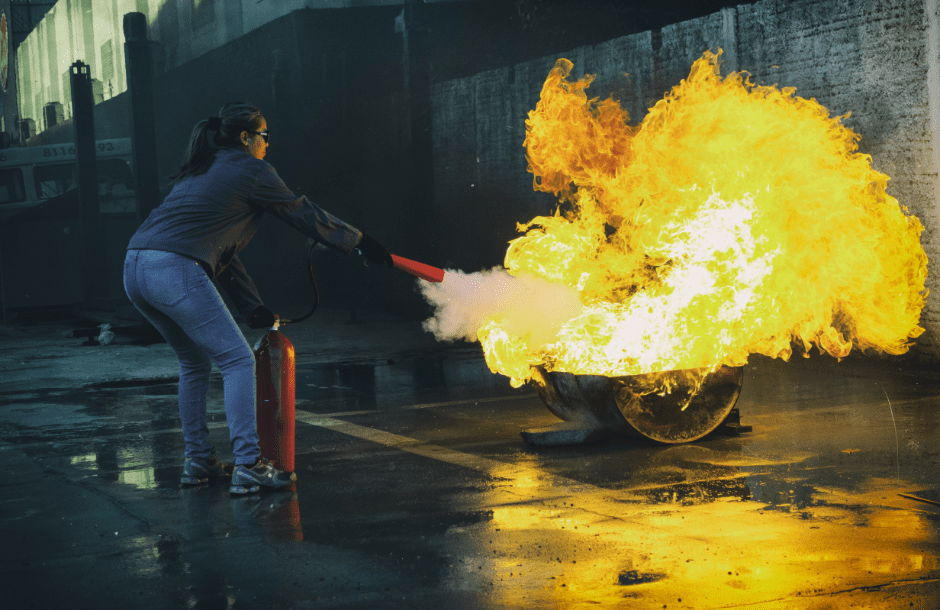
In case of an emergency, especially when the fire outbreaks, the person may become panicky and feel difficulty in recalling the steps involved in operating the fire extinguisher. But fire safety becomes easier if you remember just a simple rule that is PASS, and it stands for:

1- Pull

First of all, pull the pin that is present on the fire extinguisher.

2- Aim

Aim the nozzle of fire extinguishers at the base of the fire.

3- Squeeze

Now sequence the handle or lever present on the fire extinguisher to release the extinguishing agent on the fire.

4- Sweep

Next comes sweeping the nozzle in a vibrating motion. Keep the fire extinguisher in such a way that it aims at the base of fire and move it from right to left and left to right.

Keep observing the things

After you feel the flames are fully suppressed, still keep an eye on the things to observe them. The purpose of observing the things is to see whether the fire may not reignite, if somewhere the fire ignites repeat the PASS process.

Call the Fire Department

Although you become successful in suppressing the fire, and before fighting the fire you have not called the fire department, make them a call now and inform them about the incident. The professionals will inspect the site and make sure it is safe now.

Get to a Safe Place

Once you start fighting the fire but you become unable to knock it out, do not delay to get to a safe place to save yourself.

These are some steps that must be followed to use a fire extinguisher in the best way. Other than these must keep the following things in mind:

1- Read the Instructions Carefully

The fire extinguishers come along-with the user manual on which instructions are written clearly. Make sure to read the instructions regularly after a regular interval of time to keep them fresh in your mind.

2- Avoid Using the Wrong Fire Extinguishers

Never use a fight extinguisher for the class it is not made for. If you use a wrong fire extinguisher on the fire it will cause more hazard rather than ending the fire. As it is understood that one type of fire extinguisher cannot extinguish all the fire classes, therefore, different types of fire extinguishers are manufactured.

3- Regular Inspection of the Fire Extinguishers

The expiry date of the extinguishing agents inside the fire extinguishers is mentioned, after that date, the tool would become unable to suppress the fire. Therefore, keep on inspecting your safety equipment regularly to keep it in running condition. It is also important to refill the fire extinguisher once it’s been used to suppress the fire.

4- Regular Maintenance of the Fire Extinguisher

Regular maintenance of the fire extinguisher is necessary. It means to keep an adequate pressure and refilling agent inside the firefighting fire fighting equipment.

5- Know the Exits

Keep the exits and escape routes in your mind. The fire extinguisher must be placed closer to those places.

6- Place the Fire Extinguishers Prominently

Remember to place the fire extinguishers at prominent places and do not keep them as a secret, so that these are easily accessible in case of an emergency.


So, it was all about how to use a fire extinguisher, help, and advice. This is a simple guide, that if kept in mind can help a lot while fighting a fire.

Fire Safety Pvt ltd

Fire Safety Pvt ltd is a leading company that serves to provide fire fighting and fire safety equipment to the people. Our aim is to provide high quality and best products to our valued customers.

We hunt these products all across the world, get affiliated with famous brands, and import their equipment for you.

All types of fire extinguishers like water-type fire extinguishers, FM 200 fire extinguishers, dry chemical fire extinguishers, foam fire extinguishers, C02 fire extinguishers, and Halotron fire extinguishers.

We welcome you to contact us for all matters such as purchasing fire extinguishers, guidance about how to use the fight extinguishers help and advice, inspection, refilling, and maintenance of the fire extinguishers.

We provide all these services at reasonable prices in Pakistan. Our team of professionals perform all these activities dedicatedly and expertly. Contact us, we are available online and in-store.

Fire Extinguishers Types And Uses

Fire Extinguishers Types And Uses

Introduction:

There are so many fire extinguisher types and uses but, in the event of a fire, having the right type of fire extinguisher is necessary for ensuring safety and preventing damage. Fire extinguishers are essential safety tools that everyone should know how to use, but all fire extinguishers are not the same. They come in different types, each designed to tackle specific classes of fires. Understanding the different types of fire extinguishers and their uses is mandatory for effectively responding to fire emergencies and can make the difference between a minor incident and a major accident.

Understanding Fire Classes:

Before learning about the fire extinguishers types and uses, it’s important to understand the different classes of fires. Fires are classified based on the materials involved in their combustion:

Class A:

These Fires involve common combusting materials such as wood, cloth, paper, rubber, and many plastics.

Class B:

The fires are caught by flammable liquids like gasoline, petroleum oil, paint, and grease, but not cooking oils or fats.

Class C:

The class includes fire in which electrical equipment is involved.

Class D:

The fire in which metals like sodium, potassium, etc burn.

Class K:

The fire caused by the cooking oils and fats is commonly found in commercial kitchens.

Fire extinguishers are divided into different types for extinguishing these classes of fire.

Types of Fire Extinguishers:

After understanding the fire classes, now you can easily understand fire extinguishers types and uses. These fire extinguishers are filled with different fire extinguishing agents, making them suitable for different fire classes. With the help of thorough knowledge of fire extinguisher types, you will be able to select the perfect for keeping at your place.

It is important to keep in mind that using the wrong type of extinguisher on a fire can be ineffective and can even worsen the situation. Therefore, it’s essential to have the correct type of fire extinguisher instantly available and ensure that everyone knows how to use it properly in the event of a fire. Regular training and fire safety education can save lives and property, making it a worthy investment for any home or business.

1-Fire Extinguisher Dry Chemical Powder:

Fire safety is important for both residential and commercial environments. Among the various types of fire extinguishers available, the dry chemical powder fire extinguisher is prominent for its versatility and effectiveness. Having a properly maintained dry chemical fire extinguisher can provide peace of mind and potentially save lives and property.

A dry chemical powder fire extinguisher is one of the most common types of fire extinguishers used across the world. They are known for their effectiveness in fighting different types of fires, making them a useful safety tool in various settings. These extinguishers contain a dry chemical powder as the extinguishing agent, typically consisting of monoammonium phosphate, sodium bicarbonate, or potassium bicarbonate.

The principle of the dry chemical extinguisher is simple but effective: it disturbs the chemical reaction of the fire triangle (heat, fuel, and oxygen) by coating the fuel with a layer of powder, separating the fuel and oxygen, and stopping the combustion process. The powder absorbs heat and helps to cool down the fire.

Uses and Applications of Dry Chemical Fire Extinguisher:

Dry chemical powder extinguishers are versatile and can be used on several types of fires. It is used to extinguish:

Class A fire:

Involving ordinary fuel like wood, paper, and cloth. Although not as effective as water-based extinguishers for this class, dry chemical extinguishers can still be used effectively.

Class B fire:

It involves flammable liquids such as gasoline, oil, and paint. Dry chemical extinguishers are particularly effective for these fires as they can quickly smother the flames.

Class C fire:

Including electrical equipment. Since the dry chemical powder is non-conductive, it is safe and effective for electric fires with an electrical fire extinguisher.

Class D fires:

Certain dry chemical extinguishers are designed specifically for combustible metal fires, although these are less common in everyday environments.

Dry Chemical fire extinguishers can be used in the following environments:

Industrial and manufacturing industries:

These places often contain flammable liquids and electrical equipment, making dry chemical extinguishers a necessity.

Offices and Schools:

Electrical fire extinguisher provide a common fire safety solution suitable for potential electrical fires and other common combustibles.

Automotive and Marine:

Flammable liquids are often carried in vehicles and boats, and they are also equipped with electrical systems, making dry chemical extinguishers ideal for them.

Kitchen and Restaurants:

Although Class K extinguishers are best for kitchen fires, a dry chemical extinguisher can provide additional safety for other classes of fires that may occur.

Safety and Handling:

As dry chemical powder extinguishers are valuable for fire safety, proper handling and usage are also important. Concerned persons should be trained to correctly use the dry chemical extinguishers, including the PASS technique (Pull, Aim, Squeeze, Sweep). Regular checks and maintenance are also necessary to ensure the extinguisher is working. Extinguishers must be visible and easily accessible to get in the event of a fire.

2-CO2 Fire Extinguisher:

CO2 fire extinguisher gas are distinguished by their non-conductive and clean extinguishing agent. They contain pressurised CO2 gas, which is released as a cold, white cloud of fire extinguisher gas upon activation. The mechanism of a fire extinguisher gas is simple, it displaces oxygen in the air around the fire, suffocates the fire, and cools the fuel, which prevents re-ignition.

These extinguishers are typically identified by their hard horn and lack of pressure gauge features that make them prominent among water, foam, or dry chemical extinguishers. Since carbon dioxide is present in them and due to the nature of the gas, they are used in environments where damage from other extinguishing materials (such as water or chemicals) should be avoided.

CO2 Fire extinguisher Uses and Applications:

Fire extinguisher gas are specifically effective for these classes of fires:

Class B Fires:

These involve flammable liquids such as oils, gasoline, and other oils. CO2 is effective in these situations as it can quickly smother the fire and leave no residue behind.

Class C Fires:

It involves electrical equipment. Since carbon dioxide is a non-conductive gas, it is ideal for extinguishing fires in electrical equipment without causing further damage or conducting electricity.

Due to their specific uses, CO2 extinguishers are commonly used in particular environments.

Electrical Control Rooms and Data Servers:

Such areas contain sensitive equipment where water or chemical-based extinguishers can cause great damage or data loss.

Laboratories:

CO2 is suitable for fires involving electrical equipment and flammable liquids, commonly present in laboratories.

Industrial sites:

It is also used for fires caught by electrical machinery and flammable liquids.

Restaurants and Kitchens:

Although kitchens typically require an electrical fire extinguisher for oil fires, CO2 fire extinguishers can be used for electrical fires that might occur.

While CO2 extinguishers are effective and leave no residue, some safety considerations must be kept in mind for using them. When used in confined spaces, the carbon dioxide gas can remove oxygen from the surroundings, creating a suffocation. Proper ventilation is necessary during and after the use of a CO2 extinguisher. The discharge from CO2 extinguishers can be extremely cold and may cause frostbite. Users should not touch the horn or nozzle during discharge. The discharge can reduce visibility, which may be a hurdle in evacuation. It’s important to be aware of your surroundings and escape routes when using a CO2 fire extinguisher.

CO2 fire extinguishers play a prominent role in fire safety, especially in environments with electrical equipment and flammable liquids. Their ability to quickly extinguish certain types of fires without leaving residue makes them valuable in protecting sensitive equipment and materials. But, understanding the specific applications, limitations, and safety precautions associated with CO2 extinguishers is essential for their effective and safe use. Proper training and regular maintenance are necessary to ensure these extinguishers are ready when needed.

3-Fire Extinguisher Water Type:

In fire safety, water type fire extinguisher are among the oldest and most widely recognized sources of fighting against certain types of fires. These extinguishers are famous for their simple operations, effectiveness, and environmentally friendly nature.


Water type fire extinguishers are designed for extinguishing Class A fires that involve common fuels such as wood, paper, cloth, and some plastics. These extinguishers use the cooling properties of water to extinguish flames, making them essential tools in different areas, from residential to commercial environments.


The water extinguishers work on a very simple mechanism, they expel water at a high pressure and allow the user to shower a steady stream on the fire. The water decreases the temperature of the burning material and cools it down, effectively knocking out the fire. Due to the presence of only water, these extinguishers are non-toxic and leave no harmful residues behind, which makes them ideal for use in those areas where it is important to maintain cleanliness.

Fire Extinguisher Water Type Uses and Applications:

It is used in extinguishing mainly the Class A fire. These are fires that involve solid combustible materials such as:

Wood:

It includes firewood, furniture, and infrastructure.

Paper:

Books, documents, and packaging materials serve as fuel in such fires.

Clothes:

Involves curtains, clothes, etc.

Certain Plastics:

Those plastics burn similarly to wood and paper.

These fire extinguishers are suitable for the following environments:

Offices:

Where paper is commonly used.

Schools:

As the schools contain a lot of paper products, wooden furniture, and educational materials.

Residential areas:

Homes are filled with a lot of materials that can catch fire like wood, cloth, and paper products.

Warehouses:

Since these are the storing places for paper goods, wood, and similar combustible materials.

Places where Water Type Fire Extinguishers Should Not Be Used:

The water extinguishers are highly effective against Class A fires, but they are not suitable for all classes of fires and can be hazardous if used improperly. They should not be used on:

Class B Fire:

The fires are caught by flammable liquids like oil, gasoline, and paint.

Class C Fires:

It contains electrical equipment, as water conducts electricity and can result in shocks.

Class D Fires:

These fires involve combustible metals.

Class K Fires:

The cooking oils and fats, typically found in commercial kitchens are fuel for such fires.

Safety and Handling:

Proper handling and knowledge of water type fire extinguishers are beneficial for effective and safe use. Users should be familiar with the operating mechanism of the extinguisher, which includes aiming and controlling the flow of water. Keep checking the extinguishers regularly to ensure the extinguisher is in good working condition and has not expired. Extinguishers should be placed prominently for quick access in case of a fire, and they should be marked for use on Class A fires only.

Water type fire extinguishers are a basic part of fire safety, especially in environments where Class A materials are present. They are convenient to use, effective, and environmentally friendly, making them an essential safety tool. However, understanding the limitations and proper applications of these extinguishers should be kept in mind to ensure they are used safely and effectively. Regular training, maintenance, and awareness can help prevent the devastating impact of fires and ensure a safer environment for all of us.

4-Fire Extinguisher AFFF Foam Type:

AFFF (Aqueous Film-Forming Foam) fire extinguisher, covers the fire with a layer of foam, instantly smothers it and prevents it from reignition. It is the unique property of form that it can cool down the fire by decreasing the temperature, hence decreasing the chances of re-ignition.

The AFFF fire extinguisher is versatile and helps in extinguishing different classes of fire. Such as:

Class A Fire:

It can easily extinguish the fire caught by solid combustibles like wood, paper, and clothes.

Class B Fire:

Use an AFFF fire extinguisher, if flammable liquids like gasoline and oils catch fire.

Safety and Handling:

Although the AFFF fire extinguisher comes with a design that is easy to operate, by experts and even ordinary people, basic training should still be provided to the staff or the persons who have the potential to operate it.

The device becomes activated quickly and releases the fire extinguishing agent instantly. The discharge rate of the extinguishing agent is quite high which helps in extinguishing the fire just in a few seconds.

In this way, the occupants get time to evacuate. The spread of fire is decreased and the potential damage can be significantly reduced. As a result, the safety of the people as well as assets is assured.

Uses and Application of AFFF fire extinguisher:

The AFFF fire extinguisher is suitable for many settings for example:

Residential areas:

It is suitable to place at homes and quickly be used if a fire incident occurs.

Commercial Areas:

AFFF fire extinguishers can be used in several commercial areas including offices, warehouses, and manufacturing industries.

Ensure to place the fire extinguisher at the points where it is visible for quick use. An easy access will help in a quick response, minimising the potential loss.

Keep the maintenance of your fire extinguisher. Must refill after it is used.

5- Fire Extinguisher Halotron Type:

The Halotron fire extinguisher contains a clean agent as a fire extinguishing agent. It means that it is environmentally friendly and causes no harm to the environment. But the clean agent Halotron is an excellent fire suppressing agent which immediately extinguishes the fire.

This type of fire extinguisher is able to combat several classes of fire. Such as:

Class A:

It is usable if paper, clothes, or wood caught fire.

Class B:

A Halotron fire extinguisher can be used to extinguish the fire of flammable liquids.

Class C:

It is also capable of extinguishing the fire caught by the electrical equipment.

That reason for using it on electrical equipment is that the clean agent used as a fire extinguishing agent is non-conductive and it is safe to use on the electrical equipment. In this way, the chance of electric shock is removed.

Uses and Applications of Halotron (HCFC) Fire Extinguisher:

The Halotron type fire extinguisher is versatile and therefore it can be placed in several settings. Including:

1- Residential areas:

It is able to tackle home fires.

2- Commercial Areas:

Halotron fire extinguishers are suitable for several commercial areas including offices, industries, and manufacturing facilities, etc.

3- Vehicles:

Its versatility also makes it best suited for vehicles.

Classes Of Helotron Fire Extinguisher:

1- Class A:

Use on Class A fires in which solid combustibles like wood, cloth, and paper caught fire.

2- Class B:

Halotron fire extinguishers are effective on combustible liquids.

3- Class C Fire:

This type is also good to go on Class C fires.

A regular maintenance and inspection are necessary to keep the fire extinguisher in a running condition and make it readily available when it is required. Also train your staff or the concerned persons to operate the fire extinguisher in the best manner, so that a quick response can be given for combating the fires.

Safety and Handling:

It has an easy to operate design and is built according to the standards of the regulatory authorities. The fire extinguisher is completely certified. There is no match in the durability and reliability of halotron fire extinguishers. It is strongly built and rigorously extinguishes the fire.

6- Wet Chemical Fire Extinguisher K-Type:

Wet Chemical fire extinguishers also known as kitchen fire extinguishers, are mainly designed for commercial kitchens, food processing units, etc. In such premises, cooking fires can take place due to the facts and oils, and here these fire extinguishers are perfect to place.

A solution of potassium serves as the fire extinguishing agent in wet chemicals fire extinguishers. It works in two steps, firstly, the fire cools down and the temperature becomes lower because of the mist. This process stops the spread of fire and also ensures that the oil and fats does not splash. Secondly, the potassium salt starts reacting with the oil forming a coating, this process is known as saponification. The coating itself is non-combustible and it breaks the connection between the environment and oils.

Another amazing feature of the k-type fire extinguisher is that it uses a clean agent as the fire extinguishing agent. The clean agents do not leave any residue behind hence making no mess and keeping the environment and premises clean.

Their design is simple and easy to use at the time of need. It can be used promptly when required.

Uses and Applications of K-Type Wet chemical Fire extinguisher:

The wet chemical fire extinguisher is specifically suitable for:

Class K Fires:

The fire outbreaks that occur in commercial kitchens and manufacturing units can be easily tackled with the K-type fire extinguisher.

Because of their particular use, they are suitable for placing them in:

Commercial kitchens:

Documentary kitchens and manufacturing units contain large cooking ranges and greater amounts of oils and fats in them. Hence, there Is a greater need for the k-type wet chemical fire extinguishers.

Safety and Handling:

Although the handling of such fire extinguishers is easy, training must be given to the kitchen staff who may be required to use them at any moment. Please use the fire extinguisher where it is easily accessible. Both these things, i.e a proper training and easy accessibility will result in a

quick response in case of a fire outbreak, minimizing the spread of fire and potential damage.

Furthermore, upkeep the maintenance of your fire extinguisher to make it readily available when it is required. A regular inspection and maintenance will keep your fire extinguisher in a running condition.

Advantages of Fire Extinguishers:

There are certain advantages/ benefits of the fire extinguishers. Such as:

1- The main benefit of fire extinguishers is that they help in extinguishing the fire and minimize the potential losses and damages.

2- Using the fire extinguishers stops the spread of fire.

3- Fire extinguishers are the ultimate defence against fire and firefighting becomes easier with them.

4- They can save precious human lives.

5- The assets and buildings stay safe and peace of mind is ensured.

Fire Safety Trading Pvt ltd:

Fire Safety Trading Pvt ltd makes efforts to provide high quality and best fire-fighting equipment to our valued customers. We are continuously struggling to hunt the best for our people that can tackle their safety needs. We thoroughly understand the safety needs, hence we keep all the safety equipment in our stores.

As the fire extinguishers are the basic tools used in fire fighting, we supply all types of the fire extinguishers whether it is CO2 Carbon dioxide type fire extinguishers, Water type fire extinguisher, AFFF foam type fire extinguisher, Halotron (HCFC) fire extinguisher type, or K-type Wet Chemical fire extinguisher. We provide all these fire extinguishers in different quantities.

You can purchase new fire extinguishers from us as well as we provide the services of refilling fire extinguishers. Our staff is dedicated to perform their duties efficiently, they are equipped with the accurate tools to carry out the tasks in the best manner. If you are looking for the fire extinguishers at reasonable prices in Pakistan, you can contact us. We are available online and in-stores.

Lockout/Tagout Safety Kit

Lockout/Tagout LOTO Safety Kit: 

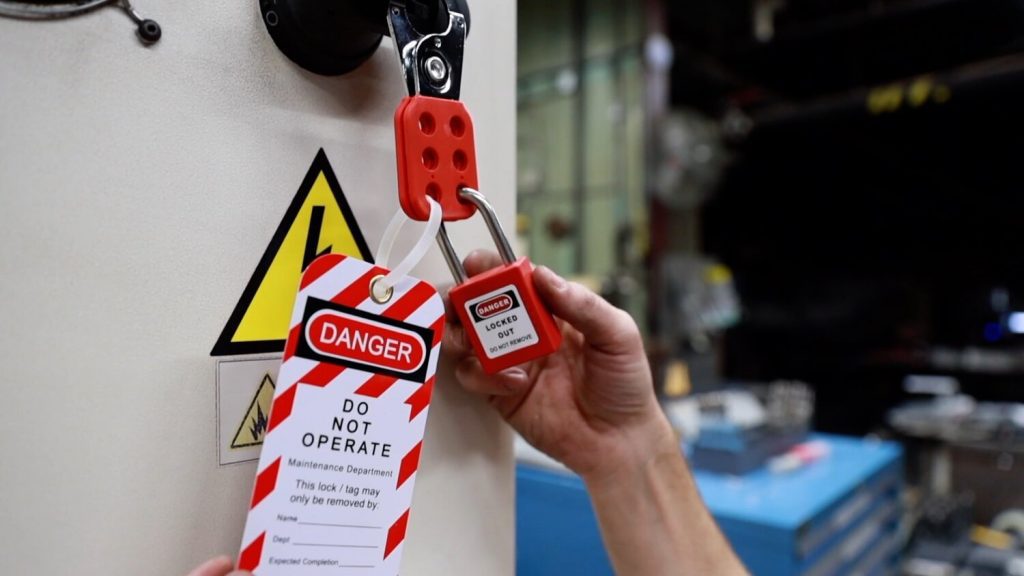
Lockout/Tagout LOTO Safety Procedures include the safety practices for ensuring  that the dangerous machines are appropriately shut down. The process helps in  the maintenance activities, since by using this safety procedure the machines  cannot emit dangerous radiations unexpectedly. 

Nowadays when machines are present everywhere, Lockout tagout safety kits are really helpful. The  purpose of inventing these machines is to make human life easier and faster,  although these machines serve this purpose but only when they are rightly  programmed, maintained, and controlled. For an accurate and hazard-free  maintenance of the equipment Lockout tagout safety kits are  designed and their practice is being made common. 

As a result, the employees, workers, and workplace stay safe and efficient, and  high-quality work can be conducted. 

The Importance of Lockout/Tagout LOTO Safety Procedures: 

With the evolution of industries, machines become more advanced, and as a  result, they need more advanced maintenance processes. If the machinery is not  shut off properly at the time of maintenance it can cause trouble for the  environment and the persons around. As a result, if the worst situation occurs,  fatalities and injuries may happen. 

The American National Standards Institute (ANSI) provided safety rules during  the maintenance of the hazardous energy sources, in 1982. Later on, in 1989, LOTO Lockout/Tagout Safety Kit guidelines started developing at OSHA  (Occupational Safety and Health Administration). 

OSHA (Occupational Safety and Health Administration) Guidelines: 

The guidelines prescribed by the OSHA Include all the energy sources, such as  mechanical, electric, hydraulic, pneumatic, chemical, and thermal. In the fields  where manufacturing plants are installed, either of these energy resources may  

require maintenance activities. Sometimes more than one energy source may be  subjected to maintenance. Lockout/ tagout LOTO Safety Procedures, as indicated  in the name, has two approaches to ensure the protection of the workers. By 

applying the LOTO technology, modern equipment becomes harmless during  maintenance activities. The approaches involve: 

1- Lockout: 

  In this approach, certain equipment is subjected to limited access.

2- Tagout: 

  The tagout approach warns the employees by giving warning signs about the  expected hazards. 

Both the approaches work collectively and ensure the safety of the workers. How Lockout/ Tagout LOTO works? 

OSHA gives safety guidelines for the maintenance of the machinery that can  unexpectedly emit dangerous energy. Such equipment must be subjected to  servicing. The organizations must distinguish the machinery that is required to  abide by such legal standards. It will provide two huge benefits to the  organizations, firstly it will save the company from a heavy fine, secondly, it will  provide protection to the employees, which is most important. 

It requires proper documentation showing that all the equipment in a company  complies with the set standards provided by the regulatory authorities. In this  way, the equipment that can potentially emit dangerous energy gets highlighted. 

LOTO Safety 7 Steps of Lockout / Tagout: 

After identifying all the equipment with the hazardous energy sources, and  documenting the maintenance procedures, some general rules must be followed  before accomplishing the servicing activities. Those steps are mentioned below: 

1- First of all, prepare the equipment for shutdown. 

2- Notify the staff that will be affected, and also notify them about the equipment  that is about to undergo maintenance. 

3- Then shut down the equipment properly. 

4- Detach the items and the hazardous energy source. 

5- Break down the leftover energy.

6- Apply the required tagout lockout devices. 

7- Make sure to verify that the equipment is properly detached. 

The 7 rules are mandatory to check before carrying out the maintenance  activities for the required equipment. 

LOTO lockout tagout Safety Kit: 

There is certain physical equipment that needs to undergo the LOTO safety procedure. For convenience, such equipment can be categorized into two types.  Those two types are mentioned below: 

1- Lockout devices: 

Physical instructions for ensuring that the specific equipment is out of access or  separated. Lock and key are the most common examples of lockout devices. In  this way, the people stay aside and do not attempt to approach the locked  equipment. 

2- Tagout devices: 

It includes warning devices for identifying any dangerous equipment that can be  a hazardous energy source. These devices include the signs and symbols that are  safely attached to the equipment. 

Both lockout and tagout devices isolate the equipment making them prominent,  not only for the safety of machinery but also for the safety of people around them  as well. Resulting in safer and more secure maintenance procedures. 

Recently, the advancements and modifications in the technology helped in  including the non-physical tools to carry out an efficient LOTO procedure. This  includes the special software that is now being used as lockout and tagout  devices. Another additional advanced feature is tracking the LOTO procedures via  maintenance management software. This function ensures perfect compliance  with the standards. 

The importance of lockout and tagout: 

The importance of lockout and tagout is undeniable. Reports show that a great  number of tragedies during maintenance activities could be prevented just by the 

implementation of LOTO (Lockout and tagout procedure). For an example  let’s have a look at a past incident in which the demise of a 21-year-old temporary  worker could have been avoided by applying LOTO technology. The person was  cleaning the palletizing machine, which was mistakenly switched on and as a  result, the sad accident happened. 

Machines are an important and compulsory part of industries and other  workplaces, we cannot cut them off from the environment, but we can make sure to  handle them safely. The safety culture in the different industrial areas should be  promoted for providing a safe and secure working environment to the employees.  The employees should be assured that no harm can be done to them while doing  their work. The LOTO (lockout and tagout safety kit) is a guarantee to  make the work environment and the workplace safer for the employees and the  machines as well. Consequently, it provides peace of mind and a better  productivity. 

Advantages of LOTO lockout tagout safety procedures: 

The advantages of the LOTO lockout tagout safety procedure are vast. Let’s have a  look at them: 

1- The technology helps to isolate the equipment from the environment. 

2- The lockout tagout procedures ensure safe and easy maintenance of the  equipment. 

3- The employees of an organization stay safe and the risk of injuries and fatalities  is minimized. 

4- The compliance with the LOTO lockout tagout standards saves an organization  from paying heavy fines. 

5- The workers rest assured about their safety and work confidently resulting in  high productivity. 

Conclusion: 

The safety of the employees can be ensured by practicing the lockout / tagout,  specifically from hazardous energy sources. If an organization fails to comply with  the rules of LOTO, it will have to pay heavy fines. Also, the chances of injuries and 

fatalities in such organizations increase. The awareness about using the lockout tagout safety kit, including the advanced software, must be spread to make  their usage a common practice. 

Fire Safety Pvt ltd:

Fire Safety Pvt ltd is a trustworthy company that has been in the safety industry  for years. Our aim is simple and clear, we understand the safety needs of our  people and struggle to provide equipment that exactly meets their needs. We are  the leading providers of firefighting and fire safety equipment. 

Our company keeps on searching for the best and latest technology and  equipment to make them available for our valued customers. We are affiliated  with the world’s famous brands, and import their high quality and best products  to supply them here. We feel proud to make efforts and serve you for ensuring  your safety and protection. Our staff is expert in the installation, maintenance,  and inspection of different safety systems. So, delay no more if you are looking  for LOTO lockout / tagout safety Procedures at reasonable prices in Pakistan. We  are available in-store and online.

Safety Gloves Price in Pakistan

Safety Gloves

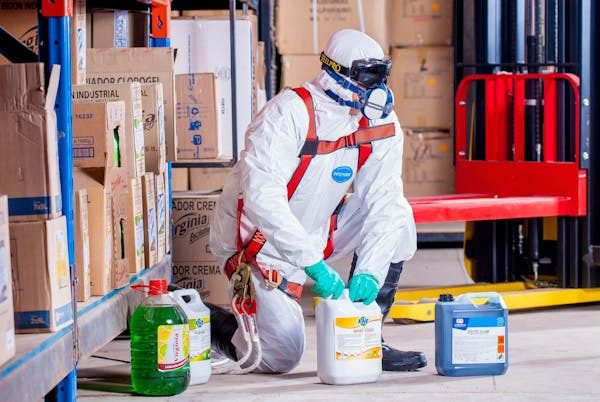
Safety gloves are an essential component of personal protective equipment (PPE) across numerous industries and activities. Designed to protect hands from hazards such as chemicals, cuts, abrasions, and extreme temperatures, these gloves are useful tools for ensuring safety and preventing injuries. Here we will learn about the uses, importance, safety gloves price in Pakistan and types of safety gloves, highlighting their significance in maintaining hand safety.

Fire Safety Pvt ltd, is aiming to provide the best PPE (Personal Protective Equipment), including safety gloves of all types that serve different purposes in different fields. The safety gloves price in Pakistan is affordable from us.

Uses of Safety Gloves

Safety gloves serve various purposes depending on the industry and the specific hazards present.

  1. In the medical field, gloves are used to prevent cross-contamination between patients and healthcare professionals, safeguarding against infections and disease transmission.
  2. In manufacturing and construction, gloves protect workers’ hands from sharp edges, hot surfaces, and the impact of heavy materials.
  3. Chemical industries rely on specialized gloves to prevent skin exposure to hazardous substances.
  4. While in the food industry, gloves are used to maintain hygiene and prevent food contamination.
  5. In laboratories, safety gloves are crucial for handling biological samples and toxic chemicals, reducing the risk of exposure and contamination.
  6. Similarly, in the cleaning industry, gloves protect against harsh cleaning agents and help maintain hygiene.
  7. Even in everyday activities, such as gardening or home repair, safety gloves can prevent injuries and provide a better grip.
  8. In the firefighting process safety gloves can be regarded as the backbone of the PPE as the process uses hands mainly, and for the protection of hands during fighting the fire, wearing safety gloves is mandatory.

And the best thing is safety gloves price in Pakistan is very pocket friendly.

Importance of Safety Gloves

The importance of safety gloves cannot be neglected. They are the first line of defense against various occupational hazards. By wearing the appropriate gloves, workers can avoid a range of injuries from minor cuts and abrasions to severe burns and toxic exposures. This not only ensures the well-being of the employees but also reduces the absence of the workers and increases productivity in the workplace.

Moreover, safety gloves are essential for compliance with health and safety regulations. Many industries have specific guidelines and standards for protective equipment, including gloves, to ensure worker’s safety. Non-compliance can result in legal penalties, financial losses, and damage to the company’s reputation.

Additionally, safety gloves contribute to the overall safety culture in an organization. The use of safety gloves promotes awareness of safety practices and ensures the company’s commitment to employee well-being. This can improve employee morale and build a more productive and hardworking workforce.

Types of Safety Gloves

Safety gloves come in various materials and designs, each suited to different tasks and hazards:

Latex Gloves:

These are common in the healthcare and food industries, latex gloves offer protection against bacteria and viruses but can cause allergic reactions in some individuals.

Nitrile Gloves:

Providing resistance to chemicals and punctures, nitrile gloves are a popular alternative to latex, especially in the medical, chemical, and automotive industries.

Vinyl Gloves:

These safety gloves are often used in the food industry, vinyl gloves provide a basic barrier against contaminants but offer less protection and durability than latex or nitrile gloves.

Leather Gloves:

Durable and resistant to abrasions and cuts, leather gloves are ideal for construction, welding, and heavy-duty tasks. Such safety gloves make these processes safer.

Kevlar Gloves:

Known for their cut-resistant properties, Kevlar gloves are suitable for handling sharp objects and machinery. This type of safety glove is ideal for handling glass.

Chemical- Resistant Gloves:

These gloves are made from various materials like neoprene, rubber, or PVC, these gloves protect against chemical hazards and are essential in chemical and pharmaceutical industries.

Thermal Gloves:

The gloves are specially designed to withstand extreme temperatures, thermal gloves are crucial for those working in cold storage areas or with hot materials.

Electrical Insulating Gloves:

These are vital for electricians and others working with electrical components, offering protection against electrical shocks.

The selection of safety gloves should be based on a thorough risk assessment, considering the specific hazards and tasks involved. It’s important to choose gloves with the right material, thickness, length, and other features to ensure adequate protection. If you keep all these things in your mind while purchasing you will be able to get the best safety gloves price in Pakistan for you according to your work environment.

Conclusion:

Safety gloves are a basic part of personal protective equipment, offering essential protection against several hazards. Their use covers various industries, from healthcare to construction, highlighting their versatility and importance in ensuring workplace safety. Understanding the specific needs and risks of different tasks can guide the selection of the appropriate type of safety gloves, enhancing the safety measures within an organization. By investing in the right safety gloves, employers can safeguard their employees, comply with regulations, and grow a culture of safety and responsibility.

Fire Safety Pvt ltd:

Fire Safety Pvt ltd aims to provide maximum protection against different hazards in all fields. We acknowledge the safety needs of the people belonging to all work industries. Provide you with the best PPE (Personal Protective Equipment), we are the leading providers of safety equipment. We are honored to serve our valued customers across the country.

Our affiliation with the best brands around the globe is a prominent feature that makes us able to provide you with the best safety equipment. We import high-quality and durable products to ensure the availability for our customers in Pakistan. If you are looking for safety gloves in Pakistan, safety gloves price in Pakistan is very pocket friendly, look no further than us. We are available in-stores and online.

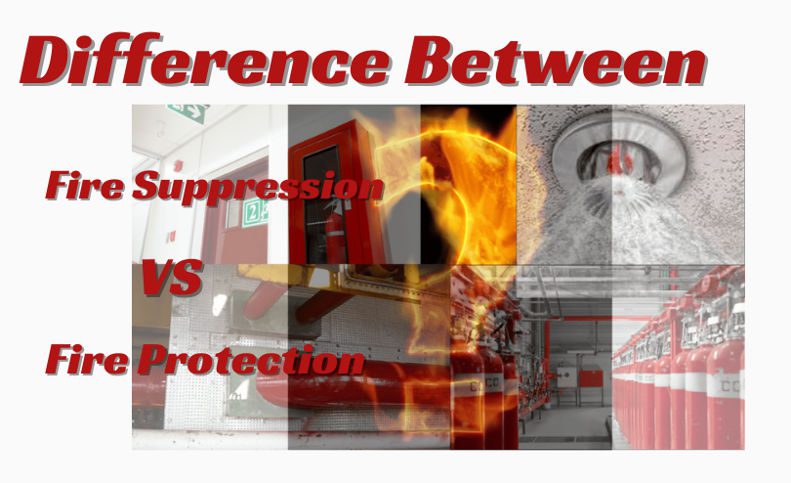
Difference between Fire Suppression VS Fire Protection
Introduction:

Fire safety is a sensitive aspect of building management and design that aims to protect lives, preserve property, and ensure continuity of operations. A basic component of fire safety is understanding the distinction between fire suppression and fire protection. While often used interchangeably, these terms refer to different strategies and systems designed to reduce fire hazards. Fire suppression focuses on extinguishing or containing fires after they ignite, whereas fire protection encounters a broader range of measures aimed at preventing fires from starting and facilitating safe evacuation if they do. Recognizing the differences between these approaches is essential for implementing effective fire safety measures in any setting.

What is fire Suppression?

Fire suppression systems are designed to detect and extinguish fires, often before they can spread and cause significant damage or harm. These systems can be automatic or manual and are designed to act instantly upon detection of a fire. The main types of fire suppression systems include:

Water-based systems:

It includes systems such as sprinklers, which are among the most common and effective means of suppressing fires in buildings.

Chemical Suppressants:

The systems that use foam or dry chemicals to smother flames are particularly useful in environments where water can damage sensitive equipment.

Inert gases and clean agents:

The systems that extinguish fires by reducing oxygen levels or interrupting the chemical reactions that fuel fires are ideal for protecting high-value assets without leaving residue.

Fire suppression is critical in environments with high fire risks, such as industrial facilities, data centers, and commercial kitchens, where rapid response can prevent catastrophic losses.

What is Fire Protection?

Fire protection encompasses a comprehensive approach to fire safety, including the prevention, detection, and response to fire incidents. This broad category integrates various systems and practices, such as:

Fire Detection System:

It includes smoke detectors and heat sensors that alert occupants and building management to the presence of a fire.

Fire Alarm System:

It provides audible and visual notifications to evacuate the premises.

Emergency Lighting and Signage:

Ensuring clear evacuating paths and exits are visible even in smoke-filled conditions.

The emphasis on prevention and early detection within fire protection strategies is to minimize the risk of fire occurrence and ensure swift and safe evacuation, reducing potential injuries and fatalities.

Fire Suppression VS Fire Protection:

The main difference between fire suppression and fire protection lies in their objectives and methodologies. Fire suppression systems aim to extinguish or control fires after they have ignited, focusing on minimizing damage and loss. In contrast, fire protection seeks to prevent fires from occurring and ensures that, in the event of a fire, there are measures in place to protect occupants and facilitate their safe evacuation.

Researches and studies illustrate the application and effectiveness of both approaches. For example, in a commercial building, an integrated system that includes smoke detectors (fire protection) and automatic sprinklers (fire suppression) can significantly reduce the risk and impact of fires. Building codes and regulations often emphasize the implementation of both fire suppression and fire protection systems, emphasizing the importance of a complete fire safety strategy that combines elements of both systems.

Importance of Fire Suppression:

Fire suppression systems play a vital role in the immediate response to a fire outbreak, aiming to control or extinguish fires before they can expand and cause irreparable damage. The importance of fire suppression cannot be denied, as it directly impacts the ability to protect lives and preserve property. The main aspects of its importance include:

Rapid Response:

Fire suppression systems, such as sprinklers and gas-based suppressants, activate automatically upon detecting fire, offering an immediate response that can often control or extinguish a fire before emergency services arrive.

Minimizing Damage:

By quickly addressing the fire, suppression systems help minimize physical damage to structures and contents, potentially saving millions in repairs and lost assets.

Protecting Lives:

Most importantly, effective fire suppression systems can save lives by preventing fires from growing uncontrollably, allowing occupants more time to evacuate safely.

Business Continuity:

For businesses, minimizing fire damage is important for ensuring operations can resume as quickly as possible. Fire suppression systems help protect sensitive infrastructure and assets, reducing pauses and financial loss.

Environmental Protection:

By controlling fires more efficiently, fire suppression systems can also control the environmental impact of fires, reducing the release of pollutants and the consumption of resources needed for reconstruction.

Importance of Fire Protection:

While fire suppression focuses on dealing with fires after they start, fire protection encompasses a broader spectrum of strategies aimed at preventing fires and ensuring safety before, during, and after a fire incident. Its importance includes:

Prevention:

Fire protection measures, such as fire-resistant materials and safe electrical practices, aim to prevent fires from occurring in the first place, addressing potential hazards before they can ignite.

Early Detection:

Systems like smoke detectors and fire alarms play a crucial role in early detection, enabling quick evacuation and response that can save lives and reduce damage.

Detailed Safety:

Fire protection includes planning and implementation of evacuation routes, emergency exits, and illumination, ensuring that building occupants can safely exit the premises in the event of a fire.

Regulatory Compliance:

Adhering to fire protection standards and regulations is not only a legal requirement but also a moral and ethical responsibility to ensure the safety of individuals and property.

Community Assurance:

Effective fire protection strategies provide peace of mind to employees, residents, and the community, knowing that measures are in place to prevent and respond to fire emergencies.

Conclusion:

Understanding the difference between fire suppression and fire protection is beneficial for developing a complete fire safety strategy. While fire suppression systems play a critical role in controlling and extinguishing fires, fire protection measures are equally important for preventing fires and ensuring the safety of occupants. Integrating both approaches offers the most effective means of protecting lives and property against the threat of fire. It’s a collective effort that requires careful planning, implementation, and periodic maintenance to ensure the highest standards of fire safety.

Fire Safety Trading (Pvt) ltd:

We are well aware of the fact that how much safety and protection matters. We have years of experience in providing fire suppression systems and fire protection systems. Our company is affiliated with name worthy brands and imports their brands to make them available in Pakistan to our valued customers.

Our team of experts can install, maintain, and inspect your equipment in the right manner. They are highly knowledgeable and equipped with accurate tools. We offer reasonable prices for the equipment. If you are looking for Fire Suppression and Fire Protection Equipment at reasonable prices in Pakistan, contact us, we are available online and in-stores.


Fire Retardant Chemical

Fire Retardant Chemical is a chemical used to treat the things for making them fire retardant. In simpler words, when the things are treated with the chemical they become able to not catching the fire or if they catch the fire they can extinguish it on their own. There is a variety of combustible materials all around that can easily catch fire and when the flame retardant substances are added to these materials there are the following chances:

1- The material can become fire retardant.

2- The fire spreads slowly.

3- The people get more time to escape.

The fire retardant is not just a single chemical. A lot of chemicals can be used for this purpose. Sometimes two or more chemicals are combined to get more effective results. These substances are also regulated by the concerned organizations.

Tetrabromobisphenol A (TBBPA), Hexabromocyclododecane (HBCD), Ethane, 1,2-dibromo, Antimony oxide (Sb203), Triphenyl Phosphate (TPP), Tricresyl Phosphate (TCP), Phenol, isopropylated, phosphate (3:1), are some fire retardant chemical names.

 Advantages and uses of the fire retardant chemicals:

The main use and advantage of the fire retardant chemical is making the materials including wood, cloth, rubber, paper, and electrical equipment, fire retardant. By treating the materials with such substances, can either completely prevent the risk of a fire or stops the spread of fire.

It has nowadays in the era of modern equipment, including the electrical equipment and accessories present in the buildings, the fire hazard risk has been increased. If the electrical equipment catches the fire it increases rapidly and causes enormous damages. It results in irreparable loss, finishing the human lives, important documents, buildings, and data. The fire retardant chemical forms a layer of protection on the materials and reduces the damages that can be occurred due to the fire. In the present time, fire retardant chemical is used to treat cloth, paper, furniture, and building material, and transports.

Fire Retardant Chemical for electronics and electrical equipment:

Electrical equipment like televisions, computers, refrigerators, microwave ovens and many others, is present everywhere even in homes. The flame retardants make this equipment able to prevent the fire and ensures the maximum safety.

Fire retardant chemical for building and construction material:

Today’s world is rich in infrastructure, latest and innovative buildings are equipped with lavish building materials. These building materials can easily catch fire and cause destruction. Building material becomes safe when treated with fire retardant chemical. As a result, it makes the environment safer.

 Fire Retardant Chemical for wood:

There are several instances where wood is used, for example, furniture, doors, windows, and decoration pieces. The wood used for all these purposes become fire retardant when treated with the flame retardant chemicals.

 Fire retardant for clothes:

Cloth has a wide variety of uses i.e, it is used to make clothes, safety jackets, curtains, many interior designs items like carpets etc, when the fabric is treated with the fire retardant chemicals, it becomes fire proof or if catches the fire it extinguishes it on its own. The flame retardant fabric is extremely important in the fire industry as it helps the fire fighters to stay safe.

 Categories of the Flame Retardants:

As we have seen that there are different materials that need different treatment for making them fire resistant. Therefore, a wide variety of chemicals are available which serve as flame retardants. They are available with the different names of fire retardant chemicals.

1- Chlorinated (CFRs) and Brominated Flame Retardant (BFRs):

If we talk about Chlorine and Bromine, these are halogenated fire retardants. Such chemicals are vital to save the plastics and textile. Tetrabromobisphenol-A (TBBPA) is used in the manufacturing of printed circuit boards, and the plastic casings that are used to protect the electrical equipment.

2- Phosphorus Flame Retardants (PFRs):

Such flame retardants are extremely useful in different industries. They are able to make the furniture, mattresses, and also helps to produce the thermal insulation material. Phosphorus is also a component of coatings and PVC, and in the plastic that is used to make switches.

3- Nitrogen-based Flame Retardants:

These fire retardants are mainly used to protect the nylons, polyolefins, polyurethane foams, fire resistant paints, and wallpapers.

4- Inorganic flame retardants and mineral compounds:

Many inorganic and mineral compounds are used by combining them with Bromine, Phosphorus, or nitrogen. In this way, they become the fire retardant themselves or a part of fire retardants. Graphite and silica are nitrogen based inorganic compounds, and ammonium phosphate and polyphosphate are phosphate based inorganic compounds. Certain phosphates, metal oxides, hydroxides and other metal products Including aluminum, zinc, and magnesium are mineral compounds. Such fire retardants ensure the fire safety in textile, plastics, foams, and wood.

 Advantages of fire retardant chemicals:

There are a lot of advantages of the fire retardant chemicals, including.

1- The fabric treated with such chemicals is best to manufacture fire safety jackets for the firefighters.

2- The flame retardant chemical wood becomes idea for furnishing.

3- The plastic coatings become safe and fire resistant.

4- There is a less chance of fire when the buildings are constructed with the flame retardant building materials.

5- The electronics and electrical equipment get fire safety.

Fire Safety Pvt ltd:

Fire Safety Trading (Pvt) ltd is the leading provider for the fire safety equipment including all the firefighting material like fire extinguishers, fire balls, fire alarms, Personal Protective Equipment (PPE), fire retardant chemicals, and much more.  We import only the best product from the best brands around the globe for providing them to our valued customers in Pakistan. The reason behind choosing the best is that we value the safety of our people and environment. We have hired a staff of highly professional and knowledgeable persons. They are equipped with the best tools for checking, installations and maintaining the equipment. We also offer affordable service charges.

 If you are looking for the fire retardant chemicals at reasonable price in Pakistan, you can contact us. We are available in-Stores and online.