Fire Safety Equipment: The First Line of Defense Against Fire

Fire is a powerful yet dangerous element. It provides us with light, warmth, and energy, but when uncontrolled, it can become one of the most destructive forces in existence. Every year, thousands of lives and properties are lost due to fire incidents that could have been prevented or minimized with proper fire safety equipment.

This article explains in detail the major types of fire safety equipment, their functions, importance, and how they contribute to saving lives and property.

1. Fire Extinguishers

A fire extinguisher is a portable device that discharges a jet of water, foam, gas, or other material to extinguish a fire. It is the first tool used to tackle a fire before it grows uncontrollable.

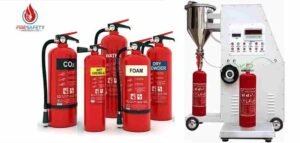
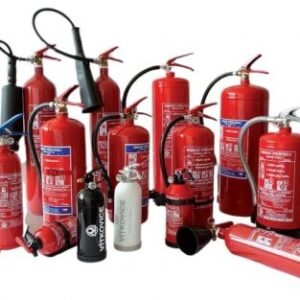
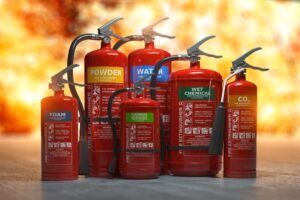
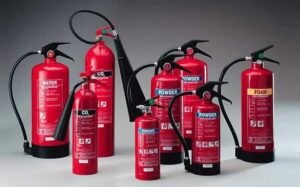
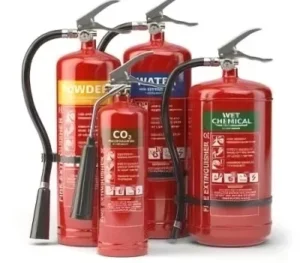
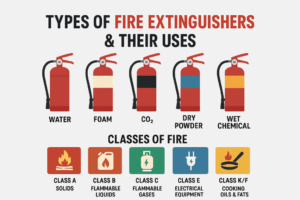
Types of Fire Extinguishers:

Each type of fire extinguisher is designed for specific kinds of fires. Using the wrong one can make the fire worse.

  1. Water Extinguisher (Class A):
    Used for ordinary fires caused by paper, wood, or cloth. It cools down the burning material and removes heat. However, it should never be used on electrical or oil fires because water conducts electricity and spreads oil.

  2. Carbon Dioxide (CO₂) Extinguisher (Class B & E):
    Suitable for electrical fires and flammable liquids. CO₂ displaces oxygen and suffocates the fire. It also cools the burning material without leaving any residue.

  3. Foam Extinguisher (Class A & B):
    Foam forms a thick layer over flammable liquids like petrol or paint, cutting off oxygen supply. It is ideal for garages, chemical plants, and industrial areas.

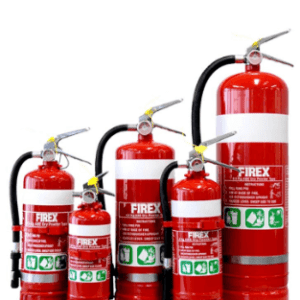
  4. Dry Powder Extinguisher (Class A, B, C, & E):
    Known as the “multi-purpose extinguisher,” it can handle most types of fires including gas and electrical fires. It smothers the flames and stops the chemical reaction that keeps the fire burning.

  5. Wet Chemical Extinguisher (Class F):
    Specially made for kitchen fires involving cooking oils and fats. It cools the flames and reacts chemically with oil to form a soap-like layer that seals the surface.

👉 Important: Fire extinguishers must be regularly checked for pressure, expiry date, and nozzle condition. Employees or family members should be trained on how to operate them.

2. Fire Alarms and Smoke Detectors

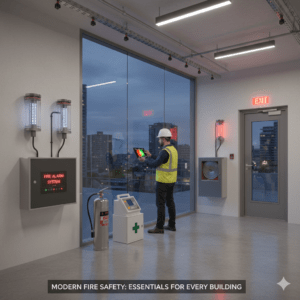
Early detection of a fire is crucial for saving lives. Fire alarms and smoke detectors serve as warning systems that detect smoke, heat, or gas and alert people before the fire spreads.

Smoke Detectors:

These devices sense smoke particles in the air. When smoke is detected, an alarm sounds to alert occupants.
There are two main types:

  • Ionization Detectors: Detect small smoke particles, ideal for flaming fires.

  • Photoelectric Detectors: Detect larger smoke particles, ideal for smoldering fires.

Fire Alarm Systems:

These can be manual or automatic:

  • Manual alarms are activated by pressing a break-glass unit.

  • Automatic systems are connected to detectors that trigger alarms automatically.

Modern alarm systems are also connected to emergency services and can send alerts to smartphones or control panels.

3. Fire Sprinkler Systems

A fire sprinkler system automatically sprays water when it senses heat from a fire. Each sprinkler head is heat-sensitive and only activates in the area where the temperature exceeds a certain limit (usually 68°C to 74°C).

How It Works:

  1. The heat from a fire melts the bulb or fusible link in the sprinkler head.

  2. This releases water under pressure directly onto the fire.

  3. Only the sprinklers closest to the fire activate — not the entire system.

Benefits:

  • Reduces fire damage drastically.

  • Provides continuous water supply for suppression.

  • Saves lives by controlling fire until firefighters arrive.

Sprinklers are widely used in shopping malls, hospitals, offices, and residential complexes.

4. Fire Blankets

A fire blanket is a safety device made from flame-resistant materials such as fiberglass or Kevlar. It is used to smother small fires by cutting off the oxygen supply.

Uses:

  • Covering small fires in kitchens, such as oil or gas stove fires.

  • Wrapping around a person whose clothes have caught fire.

  • Protecting oneself while escaping through a fire.

Fire blankets are easy to use — simply pull the tabs, cover the fire gently, and leave it until it cools down.

5. Fire Hoses and Hydrants

Fire hoses are flexible pipes used to carry water from a hydrant or fire engine to the fire. Fire hydrants are outdoor water supply points that provide water at high pressure.

Importance:

  • Essential for large fires where extinguishers are insufficient.

  • Provide continuous water flow for extended firefighting operations.

  • Usually operated by trained fire safety staff or firefighters.

Regular inspection ensures there are no leaks and that hydrants have adequate water pressure.

6. Fire Doors and Fire Curtains

Fire doors are specially constructed to resist fire and smoke for a specific duration (usually 30 to 120 minutes).
Fire curtains serve a similar function but are flexible barriers that descend automatically during a fire.

Functions:

  • Prevent the spread of fire and smoke to other parts of the building.

  • Allow safe evacuation of occupants.

  • Protect property and important equipment.

These doors must remain closed at all times or be equipped with automatic closing systems.

7. Emergency Lighting and Exit Signs

During a fire, electricity often fails, and thick smoke reduces visibility. Emergency lights and exit signs help people find their way out safely.

Key Features:

  • Powered by backup batteries or generators.

  • Strategically placed along corridors, stairways, and exit routes.

  • Clearly marked with “EXIT” or directional arrows.

Regular testing ensures they work during blackouts or emergencies.

8. Fire Safety Kits and Personal Protective Equipment (PPE)

Fire Safety Kits contain essential emergency tools such as first-aid items, fire blankets, small extinguishers, and flashlights.
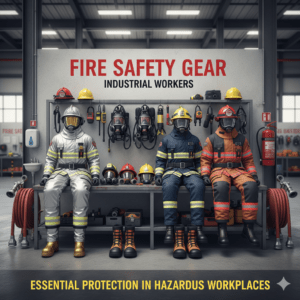
For firefighters and emergency responders, Personal Protective Equipment (PPE) is crucial.

Includes:

  • Fire-resistant suits made from Nomex or Kevlar.

  • Heat-proof helmets with visors.

  • Insulated gloves and boots.

  • Breathing apparatus to protect from smoke and toxic gases.

These ensure safety and efficiency during rescue or firefighting operations.

9. Fire Safety Training and Drills

Fire safety is not just about equipment — it’s about people knowing what to do.
Regular fire drills and training sessions teach employees or residents how to react in case of a fire.

Training Covers:

  • How to use extinguishers properly.

  • Safe evacuation procedures.

  • How to assist children, elderly, or disabled persons.

  • Whom to contact in an emergency.

Practicing these skills ensures quick and calm response, reducing panic and chaos.

10. Maintenance and Inspection

No matter how advanced the equipment is, it’s useless if not maintained properly. Regular inspection ensures everything works during real emergencies.

Maintenance Steps:

  • Check extinguisher pressure and expiry dates.

  • Test fire alarms and sprinklers monthly.

  • Ensure hydrants and hoses have adequate water pressure.

  • Replace batteries in smoke detectors.

  • Keep escape routes and exits clear.

Proper maintenance not only meets safety regulations but also saves lives.

Conclusion

Fire safety equipment is not just a set of tools — it is a lifeline during emergencies.
Each item, from the smallest smoke detector to the largest sprinkler system, plays a crucial role in protecting life and property.

Being prepared, trained, and vigilant can prevent tragedies. Remember:

“Fire doesn’t give a warning — but being prepared can make all the difference.”

What Is a DCP Fire Extinguisher? Complete Guide to Dry Chemical Powder Type

A DCP fire extinguisher, also known as a Dry Chemical Powder fire extinguisher, is one of the most widely used and effective types of fire extinguishers. It works by releasing a fine powder that quickly smothers flames, cutting off the fire’s oxygen supply and stopping the chemical reaction that keeps the fire burning. DCP extinguishers are highly versatile and can be used on several types of fires, making them a popular choice in homes, offices, factories, petrol stations, and commercial buildings across Pakistan.

The main extinguishing agent inside a DCP fire extinguisher is a dry chemical powder—usually mono ammonium phosphate or sodium bicarbonate. This powder is stored under pressure inside a strong metal cylinder. When you press the handle or lever, the pressure releases the powder through a nozzle, which then covers the burning area. The powder forms a blanket over the flames, quickly cooling and cutting off oxygen so the fire cannot continue. This action makes DCP extinguishers very effective for fast-spreading fires.

One of the biggest advantages of a DCP fire extinguisher is that it can handle multiple fire classes. It is suitable for:

  • Class A fires – involving ordinary materials like paper, wood, cloth, or plastic.

  • Class B fires – caused by flammable liquids such as petrol, diesel, oil, or paint.

  • Class C fires – involving flammable gases like LPG or natural gas, and electrical fires.

This multi-purpose capability is why DCP fire extinguishers are considered a must-have for workplaces, warehouses, and petrol pumps in Pakistan. They are especially important in industries dealing with fuels, lubricants, or electrical equipment.

There are two common types of DCP fire extinguishers: stored pressure type and cartridge type. In the stored pressure model, both the powder and pressurizing gas (usually nitrogen) are contained in the same cylinder. This type is easier to use and more common for homes and offices. The cartridge type has a separate gas cartridge that activates the extinguisher when punctured. This version is often used in industrial or heavy-duty environments where the extinguisher might be exposed to heat, dust, or rough handling.

To use a DCP fire extinguisher effectively, follow the PASS technique:
P – Pull the pin to unlock the handle.
A – Aim the nozzle at the base of the fire.
S – Squeeze the handle to release the powder.
S – Sweep from side to side until the flames are fully covered.

Always make sure to stand a safe distance from the fire and move closer only as the flames reduce. After using the extinguisher, the area should be cleaned properly since the powder can leave residue on surfaces. It’s also important to service and refill your extinguisher regularly to ensure it’s always ready for use.

In Pakistan, the price of a DCP fire extinguisher depends on its size, brand, and capacity. A small 1 kg to 2 kg DCP extinguisher suitable for homes or offices usually costs between PKR 1,500 and PKR 3,000. Medium sizes (4 kg to 6 kg) range from PKR 4,000 to PKR 7,000, while large industrial models (9 kg to 12 kg or more) can cost PKR 8,000 to PKR 15,000 or higher. Popular brands available in Pakistan include NAFFCO, Firex, and Universal Fire Protection. Always choose extinguishers that meet international standards such as BSI, CE, or ISO certification for reliability and safety.

In conclusion, a DCP fire extinguisher is an all-rounder firefighting tool that offers quick and powerful protection against many types of fires. Its ability to handle flammable liquids, gases, and electrical fires makes it one of the most practical choices for both home and business use. Regular maintenance, proper training, and timely refilling ensure that your DCP extinguisher remains effective when an emergency strikes. For anyone in Pakistan looking for a reliable and affordable fire safety solution, a DCP fire extinguisher is an essential first line of defense that can save lives and property.

Which chemical is in DCP?

A DCP fire extinguisher, short for Dry Chemical Powder fire extinguisher, uses a special powdered chemical to stop and control different types of fires. The chemical used inside this extinguisher is the key to its fast and effective performance. The main chemical used in most DCP fire extinguishers is either Mono Ammonium Phosphate (MAP) or Sodium Bicarbonate, depending on the type and purpose of the extinguisher. These dry chemical powders are designed to interrupt the chemical reactions that allow a fire to burn, quickly putting out the flames and preventing them from reigniting.

The most common chemical used in multi-purpose DCP fire extinguishers is Mono Ammonium Phosphate (MAP). It is a fine, yellow powder that works effectively on Class A, B, and C fires — meaning it can handle solid materials like paper and wood, flammable liquids like petrol and diesel, and even electrical fires. MAP extinguishers are very popular because they can be used on almost all types of fire without the risk of electric shock or spreading flames. When discharged, the powder melts slightly and forms a thin coating on the burning surface, sealing off oxygen and cooling the area to stop the fire completely.

Some DCP extinguishers, especially those designed mainly for Class B and C fires, use Sodium Bicarbonate (NaHCO₃) or Potassium Bicarbonate (KHCO₃) as their active chemical. These white powders are commonly known as baking soda-based agents. They work by releasing carbon dioxide (CO₂) when exposed to heat, which helps smother the fire and cut off its oxygen supply. Sodium Bicarbonate-based powders are effective for flammable liquid fires, such as those involving petrol, oil, or gas, and for electrical fires where using water could be dangerous.

In some high-performance industrial DCP extinguishers, a chemical known as Purple-K (Potassium Bicarbonate) is used. Purple-K is one of the most powerful dry chemical powders available and is extremely effective for oil, gas, and aviation fires. It’s widely used in places like fuel storage areas, airports, and refineries because it can quickly knock down large flames and prevent re-ignition. Though more expensive, it provides superior fire control where safety is critical.

The chemical inside a DCP fire extinguisher is stored under pressure with an inert gas such as nitrogen (N₂). When you press the handle, the gas pushes the powder out through the nozzle at high speed, spreading it over the fire. The powder forms a thick blanket over the flames, cutting off oxygen and stopping the chain reaction that keeps the fire burning. This process makes DCP extinguishers highly efficient and suitable for quick response in emergencies.

It’s important to note that while these powders are very effective in stopping fires, they can leave a residue after use. The chemical residue should be cleaned properly after an incident, especially around electrical equipment or machinery. The powder itself is non-toxic but can irritate the eyes or throat, so users should avoid direct inhalation during discharge.

In Pakistan, DCP fire extinguishers with Mono Ammonium Phosphate (MAP 40% to 90%) are the most common type because they are multi-purpose and provide strong performance for homes, offices, and industries. Always check the label on your extinguisher to know the exact chemical composition, as it affects which types of fire it can safely handle. For example, an extinguisher labeled as “ABC Dry Chemical Powder” contains MAP and can be used for all common fire types, while a “BC Powder” extinguisher is mainly for flammable liquids and gases.

In conclusion, the main chemical used in a DCP fire extinguisher is either Mono Ammonium Phosphate, Sodium Bicarbonate, or Potassium Bicarbonate, depending on the type of fire it’s designed to fight. These chemicals work by quickly cutting off oxygen and interrupting the burning process, effectively stopping the fire. Choosing the right type of DCP extinguisher — and understanding the chemical it contains — ensures better safety, stronger performance, and full protection in case of emergency. For reliable fire safety in Pakistan, always buy extinguishers that use high-quality certified chemicals and meet international safety standards

What is DCP used for?

A DCP, or Dry Chemical Powder fire extinguisher, is one of the most common and effective firefighting tools used in Pakistan and around the world. It is designed to control and extinguish fires quickly by using a special dry chemical powder that cuts off the fire’s oxygen supply and interrupts the chemical reaction that keeps it burning. DCP extinguishers are highly versatile and can be used in homes, offices, factories, fuel stations, warehouses, and vehicles. Because of their ability to handle different types of fires, they are often considered the best all-purpose extinguisher for general safety.

The main use of a DCP fire extinguisher is to put out Class A, B, and C fires. These categories represent the most common types of fires that occur in daily life. Class A fires involve ordinary combustible materials such as paper, wood, cloth, and plastic. Class B fires are caused by flammable liquids like petrol, diesel, paints, and oils. Class C fires involve flammable gases or electrical equipment, such as short circuits, gas leaks, or electrical panels. The dry powder in a DCP extinguisher can handle all these fire types effectively, which makes it a multi-purpose firefighting solution.

In industrial settings, DCP extinguishers are used to protect areas where flammable chemicals or fuels are stored or handled. For example, in factories, refineries, and workshops, they are kept near machines, fuel tanks, or welding stations where the risk of fire is high. Petrol pumps and gas stations in Pakistan also rely on DCP extinguishers because they can safely stop fuel fires without spreading the flames. Their fast-acting powder helps to bring the fire under control within seconds, which prevents bigger damage or explosions.

In commercial buildings such as offices, schools, and shopping centers, DCP fire extinguishers are used as part of the overall fire safety system. They are usually installed in hallways, near electrical panels, or beside exits so that anyone can reach them easily in case of an emergency. Because DCP extinguishers can also be used on electrical fires, they are often preferred over water-based extinguishers, which can cause electric shock. Their ability to fight multiple fire types with one product makes them both practical and economical for public and private buildings.

In homes, a smaller DCP extinguisher can be used in the kitchen, garage, or near the main electrical board. Accidents involving cooking oil, faulty wiring, or small gas leaks can be handled effectively with a DCP extinguisher. For households in Pakistan, keeping at least one small extinguisher of 1 kg to 2 kg capacity is a smart safety choice.

Another important use of DCP extinguishers is in vehicles. Many cars, trucks, and buses carry compact DCP extinguishers because vehicle fires can spread quickly due to fuel, oil, or electrical wiring. A small dry chemical extinguisher allows drivers to control the fire before it becomes uncontrollable. This is especially important for commercial transport vehicles or those carrying goods and passengers.

Apart from firefighting, DCP (Dry Chemical Powder) is also used in fire suppression systems and fire safety training. Some industrial fire systems automatically release DCP powder in case of a fire to suppress flames in areas like engine rooms or generator rooms. Fire safety professionals also use DCP extinguishers for training sessions to teach people how to operate them properly during real emergencies.

While DCP extinguishers are extremely effective, users should be aware that the powder can leave a residue after use. This residue needs to be cleaned properly, especially around electronics or machinery, to prevent any long-term damage. However, this minor inconvenience is small compared to the major protection DCP extinguishers provide.

In conclusion, a DCP fire extinguisher is used for extinguishing Class A, B, and C fires, making it suitable for almost every environment — from homes and offices to industrial sites and fuel stations. It works fast, is easy to operate, and offers powerful protection against most fire hazards. Whether you run a business, manage a building, or simply want to secure your home, keeping a DCP fire extinguisher within reach is one of the smartest and most affordable fire safety steps you can take in Pakistan.


Where are DCP extinguishers commonly used?

DCP fire extinguishers, also known as Dry Chemical Powder fire extinguishers, are among the most commonly used firefighting tools in Pakistan and around the world. They are popular because they can quickly control different types of fires, including those caused by solid materials, flammable liquids, gases, and electrical faults. Their versatility, reliability, and affordability make them suitable for use in a wide range of places — from homes to heavy industries.

One of the most common places where DCP fire extinguishers are used is in industrial areas and factories. These environments often contain flammable materials such as fuels, oils, paints, and chemicals, which can catch fire easily. DCP extinguishers are installed near machinery, fuel storage areas, and production lines to control Class B and Class C fires caused by liquids and gases. In many factories across Pakistan, especially those dealing with manufacturing, textiles, and engineering, DCP extinguishers are required as part of their fire safety system to meet national safety standards.

Another major area of use for DCP extinguishers is petrol pumps and gas stations. Since these locations involve highly flammable fuels, a small spark can turn into a serious fire. DCP extinguishers are ideal for such situations because they can stop fuel-based fires within seconds without spreading the flames. Their powder formula works effectively on petrol, diesel, and gas fires, making them the first line of defense at fuel stations.

In commercial buildings, such as offices, malls, hospitals, and schools, DCP fire extinguishers are installed to handle electrical or flammable material fires. They are often placed near electrical panels, generator rooms, and corridors where they can be accessed easily during an emergency. Since they can fight Class A, B, and C fires, they provide all-around protection in mixed-use buildings where different fire risks exist. Their easy operation makes them suitable for both trained staff and general occupants.

DCP extinguishers are also commonly used in warehouses and storage facilities. These areas often store goods made of paper, cardboard, wood, plastic, or fabrics — all of which can catch fire quickly. The dry chemical powder can effectively control such fires without the need for water or foam. It also prevents re-ignition, which is essential in large storage spaces where a small spark can lead to big losses.

In transport and vehicle applications, DCP fire extinguishers play a vital role. They are often found in buses, trucks, and other commercial vehicles, as well as in workshops and service stations. Vehicle fires can start from engine overheating, fuel leaks, or electrical faults, and a DCP extinguisher can stop them before they spread. Many transport authorities in Pakistan recommend keeping at least one small DCP extinguisher (usually 1 kg or 2 kg) in each vehicle for safety compliance.

In residential areas, small DCP extinguishers are becoming more common. Homeowners use them in kitchens, garages, and near main electrical panels. Fires caused by short circuits, cooking oil, or gas leaks can be quickly controlled with a DCP extinguisher before they grow out of control. They are safe for indoor use and easy for anyone to operate, which makes them an ideal choice for families.

DCP extinguishers are also used in construction sites, airports, power plants, and refineries, where multiple fire risks exist. Their ability to handle electrical and fuel-based fires makes them perfect for large-scale environments. Many government buildings and public facilities in Pakistan also use DCP extinguishers as part of their fire safety regulations.

In short, DCP fire extinguishers are commonly used in:

  • Factories and industrial areas

  • Petrol pumps and gas stations

  • Commercial buildings and offices

  • Warehouses and storage facilities

  • Vehicles and transport services

  • Homes and residential areas

  • Construction sites, airports, and power plants

In conclusion, DCP fire extinguishers are versatile and effective tools that provide protection in almost every type of environment. Their ability to fight Class A, B, and C fires makes them one of the most reliable and affordable fire safety options in Pakistan. Whether in a small home, a busy office, or a large industrial complex, a DCP extinguisher ensures quick response, effective control, and peace of mind in case of fire emergencies.

How much pressure is in a DCP fire extinguisher?

A DCP fire extinguisher (Dry Chemical Powder fire extinguisher) is a pressurized safety device that stores chemical powder under controlled pressure to extinguish fires instantly. The pressure inside the extinguisher plays a very important role in its performance — it is what pushes the powder out through the nozzle when you press the handle. Without the right pressure, the extinguisher would not be able to release the powder properly or reach the fire effectively.

The typical pressure inside a DCP fire extinguisher is usually between 12 to 15 bar, which is equal to about 174 to 218 pounds per square inch (psi). Some larger or heavy-duty industrial models may have slightly higher pressure levels, up to 18 bar (260 psi). This pressure ensures that when the extinguisher is activated, the dry chemical powder is discharged forcefully enough to cover the burning area quickly and form a protective layer over the flames.

The gas used to pressurize a DCP extinguisher is normally Nitrogen (N₂) or sometimes Dry Air. Nitrogen is preferred because it is an inert gas — meaning it does not react with the chemicals or cause corrosion inside the cylinder. It keeps the extinguisher stable, reliable, and ready for use even after long storage periods. When you press the lever, the nitrogen pressure inside the cylinder forces the dry powder out through the hose or nozzle in a fine, powerful stream.

There are two main types of DCP fire extinguishersstored pressure type and cartridge type, and the pressure system works slightly differently in each. In the stored pressure DCP extinguisher, both the dry chemical powder and the nitrogen gas are stored together in the same chamber under continuous pressure (around 12 bar). A pressure gauge on the body shows whether the extinguisher is fully charged (in the green zone), needs refilling, or is over-pressurized. This type is very common in offices, homes, and small industries because it is easy to use and maintain.

In the cartridge type DCP extinguisher, the powder is stored separately from the gas cartridge. When you press the lever, the cartridge is punctured, and nitrogen gas is released into the main chamber, creating pressure that discharges the powder. This system is often used in factories and industrial sites where conditions are rough, as it allows for easier servicing and refilling. Both types rely on the same principle — using high pressure to release the powder quickly and effectively.

Maintaining the correct pressure inside a DCP extinguisher is extremely important. If the pressure drops too low, the powder will not discharge with enough force to reach the fire, making the extinguisher useless in an emergency. On the other hand, if the pressure becomes too high, it can damage the cylinder or cause leaks. That’s why every DCP fire extinguisher should be checked and serviced regularly, ideally once every six months or as per the manufacturer’s recommendation. During maintenance, technicians inspect the pressure gauge, test the seal, and refill or repressurize the extinguisher if needed.

To check the pressure yourself, look at the pressure gauge on your DCP extinguisher. The needle should always be in the green zone, which indicates that it is properly pressurized and ready for use. If the needle is in the red zone (low pressure), the extinguisher needs immediate servicing. If it points to the yellow or high-pressure zone, it means the cylinder may be overcharged, which can be risky. Never attempt to open or refill a pressurized extinguisher by yourself — this should always be done by trained fire safety professionals.

In Pakistan, most standard DCP fire extinguishers — whether 1 kg for home use or 9 kg for industrial use — operate within the same pressure range of 12–15 bar. Reputable brands like NAFFCO, Universal Fire Protection, and Firex manufacture extinguishers that meet international standards (BSI, ISO, or CE), ensuring they can safely handle these pressures.

In conclusion, a DCP fire extinguisher typically contains 12 to 15 bar of pressure, maintained using nitrogen gas to ensure fast and effective discharge. This pressure allows the dry chemical powder to reach the fire, smother the flames, and prevent re-ignition. Regular inspection and proper maintenance are essential to keep the pressure within the safe range. Whether used in homes, offices, or industries in Pakistan, ensuring that your DCP extinguisher is correctly pressurized can make all the difference during a real emergency — helping protect lives, property, and safety.

What is the discharge range of DCP?

A DCP fire extinguisher, short for Dry Chemical Powder fire extinguisher, is a powerful firefighting device that works by releasing a fine powder under pressure to stop fires instantly. One of the most important factors that determine how effective a fire extinguisher is — apart from its size and pressure — is its discharge range. The discharge range tells you how far the extinguisher can shoot the dry chemical powder from the nozzle when in use. Understanding this range helps users know how close they should be to a fire while staying safe and ensuring the extinguisher works effectively.

The typical discharge range of a DCP fire extinguisher is between 4 to 6 meters, depending on its size, brand, and pressure level. Smaller models, such as 1 kg or 2 kg DCP extinguishers (commonly used in homes, offices, or vehicles), usually have a range of around 2 to 3 meters. Medium-sized extinguishers, such as 4 kg or 6 kg units, can reach 4 to 5 meters, while larger industrial extinguishers of 9 kg to 12 kg capacity can cover up to 6 meters or more. This means a user can stand a safe distance away from the fire while still effectively aiming the powder at the base of the flames.

The discharge range is made possible by the internal pressure of the extinguisher, which is typically around 12 to 15 bar. When you squeeze the handle, this pressure forces the dry chemical powder (usually Mono Ammonium Phosphate or Sodium Bicarbonate) through the hose or nozzle with high speed and force. The powder forms a cone-shaped cloud that blankets the burning area, cutting off oxygen and interrupting the fire’s chemical reaction. The right pressure and nozzle design ensure the powder reaches the fire quickly, even from several meters away.

In industrial and commercial environments, a longer discharge range is especially valuable. For example, in factories, fuel stations, or warehouses where fires can spread rapidly, users may not be able to get too close to the flames. A DCP extinguisher with a range of 6 meters or more allows them to fight the fire effectively from a safer distance. This reduces the risk of burns, smoke inhalation, or explosion — particularly in cases involving flammable liquids or gas fires.

It’s important to note that the discharge range can slightly decrease over time if the extinguisher’s pressure drops due to leaks, improper storage, or lack of maintenance. That’s why every DCP extinguisher should be inspected regularly to make sure the pressure gauge needle stays in the green zone. If the pressure is too low, the powder won’t travel as far or as powerfully as it should, which could make the extinguisher less effective during an emergency.

Besides range, the discharge time also matters. A small DCP extinguisher (1 kg to 2 kg) usually discharges in 8 to 12 seconds, while larger ones (6 kg to 9 kg) can discharge for 15 to 25 seconds. This gives users enough time to aim the nozzle properly and sweep across the base of the fire until it is fully covered. The best way to use a DCP extinguisher is to aim at the base of the flames, stand at least 2–3 meters away initially, and move closer as the fire weakens, keeping control of the stream throughout.

In Pakistan, most DCP fire extinguishers from reliable brands like NAFFCO, Firex, Universal Fire Protection, and Safelife follow international standards such as BSI, ISO, or CE certification, ensuring that their pressure, range, and discharge performance are consistent and safe.

In conclusion, the discharge range of a DCP fire extinguisher typically falls between 4 to 6 meters, allowing users to fight fires effectively while maintaining a safe distance. Smaller units cover shorter distances, while larger, high-pressure models are suitable for industrial and commercial applications where range and power are essential. Regular maintenance, correct pressure levels, and proper operation techniques are key to ensuring your extinguisher delivers its full discharge range when it matters most. For homes, offices, or industries in Pakistan, understanding the range and reach of your DCP extinguisher can make a life-saving difference in an emergency.

Which is better, Foam or DCP fire extinguisher?

When it comes to choosing the right fire extinguisher, one of the most common questions people ask is: Which is better — Foam or DCP fire extinguisher? Both types are widely used in Pakistan and around the world for fighting fires, but they work differently and are suitable for different situations. Understanding their functions, advantages, and limitations helps you choose the right one for your home, office, or business.

A Foam fire extinguisher, also known as an AFFF (Aqueous Film Forming Foam) extinguisher, works by spraying a thick foam that cools the fire and forms a blanket over flammable liquids. This blanket seals the surface of the liquid, cutting off the fire’s oxygen supply and preventing re-ignition. Foam extinguishers are mainly used for Class A and Class B fires — those involving solid materials like wood, paper, and cloth, and flammable liquids like petrol, diesel, and paint. They are very effective in situations where fuel or oil fires are present, such as at petrol stations, workshops, and chemical storage areas.

On the other hand, a DCP (Dry Chemical Powder) fire extinguisher uses a fine powder, usually Mono Ammonium Phosphate or Sodium Bicarbonate, which interrupts the chemical reaction of the fire and smothers it instantly. DCP extinguishers are known for their versatility because they can handle Class A, B, and C fires — meaning they can be used on solid materials, flammable liquids, and electrical fires. This makes them ideal for homes, offices, factories, and petrol pumps, where different types of fire risks exist.

If we compare the two, the main advantage of DCP extinguishers is their multi-purpose capability. They can be used on almost all types of fires, including electrical ones, where Foam extinguishers are not safe. DCP extinguishers are also faster in action because the powder immediately blankets the fire and blocks oxygen. This makes them very useful in industrial settings, vehicle workshops, and areas with mixed fire risks.

However, Foam extinguishers have an advantage when dealing specifically with liquid fuel fires (Class B). The foam not only puts out the flames but also forms a cooling and sealing layer that prevents vapors from escaping. This feature makes Foam extinguishers more effective for oil storage areas, paint shops, and fuel tanks. The residue left behind by foam is minimal and easier to clean compared to the powder used in DCP extinguishers, which can sometimes leave a mess and affect machinery or electronics.

In terms of cleanliness and maintenance, Foam extinguishers are cleaner and leave less residue. DCP extinguishers, while very effective, produce a cloud of powder that can settle on nearby surfaces. For environments with sensitive equipment, like computer rooms or laboratories, Foam may be preferred — but for places where fast and strong fire suppression is needed, DCP is the better choice.

From a cost and availability point of view, both extinguishers are affordable and widely available in Pakistan. DCP extinguishers are generally more common and cost-effective, which is why they are found in most offices, factories, petrol pumps, and even homes. Foam extinguishers are slightly more expensive and usually installed in specific areas where liquid fire risks are higher.

In summary:

  • Foam Fire Extinguisher: Best for Class A & B fires (solid and liquid fires), clean finish, not suitable for electrical fires.

  • DCP Fire Extinguisher: Best for Class A, B & C fires (solid, liquid, and electrical fires), more versatile, faster action, but leaves powder residue.

In conclusion, whether a Foam or DCP fire extinguisher is better depends on where you plan to use it. For locations that deal mostly with flammable liquids, such as fuel stations or chemical stores, a Foam extinguisher is ideal. But for homes, offices, factories, and general use, a DCP extinguisher is the smarter and safer choice because it covers more fire types, including electrical ones. In Pakistan, most safety experts recommend keeping at least one DCP extinguisher for all-purpose protection and a Foam extinguisher for specific liquid fire risks. Having both ensures complete safety and quick response in any fire emergency.

How long does a DCP extinguisher last?

A DCP fire extinguisher (Dry Chemical Powder extinguisher) is one of the most common and reliable types of fire safety equipment used in Pakistan. It’s found in homes, offices, factories, fuel stations, and commercial buildings because of its ability to control multiple fire types — including Class A (solid), Class B (liquid), and Class C (electrical) fires. However, many people don’t realize that fire extinguishers have a limited lifespan and must be maintained or replaced over time to remain effective. Understanding how long a DCP extinguisher lasts ensures that your fire protection system is always ready in case of an emergency.

The average lifespan of a DCP fire extinguisher is around 5 to 15 years, depending on its quality, brand, and maintenance. A well-maintained extinguisher from a certified manufacturer can easily last over a decade, but regular inspection and servicing are essential. The powder inside remains effective for many years, but the pressure inside the cylinder and the condition of its internal parts determine how long it will actually stay functional.

For most DCP extinguishers used in homes or offices, experts recommend servicing every 6 to 12 months and a complete refill every 3 to 5 years. During servicing, technicians check the pressure gauge, inspect for corrosion or leaks, and ensure that the nozzle and safety pin are in good condition. The dry chemical powder can settle or clump over time, reducing its effectiveness. That’s why professional maintenance includes checking the powder flow and re-pressurizing the unit if needed.

The pressure inside a DCP extinguisher is usually between 12 and 15 bar, maintained using nitrogen gas. If the pressure drops due to leaks or improper storage, the extinguisher may not discharge properly when needed. Therefore, it’s important to regularly check the pressure gauge — the needle should always be in the green zone. If it’s in the red zone, it means the extinguisher has lost pressure and must be serviced or refilled immediately.

The physical condition of the cylinder also affects its lifespan. If the body becomes rusty, dented, or damaged, it can weaken the structure and make the extinguisher unsafe to use. In Pakistan’s humid and dusty conditions, cylinders should be stored in a cool, dry place, away from direct sunlight and moisture. Proper storage can significantly extend the extinguisher’s life and maintain its performance.

It’s also important to note the expiry date printed on the label or body of the extinguisher. Most DCP extinguishers have a manufacturer’s date and a recommended service life — usually 10 years. After this period, even if the extinguisher appears fine, it’s better to have it pressure-tested (hydro-tested) or replaced. This ensures safety, as old cylinders may lose strength or develop internal corrosion that isn’t visible from the outside.

For cartridge-type DCP extinguishers, which are commonly used in industrial sites, the lifespan can be slightly longer because their design allows easier refilling and maintenance. As long as the cylinder and cartridge remain in good condition, these extinguishers can be used for up to 15 years or more, provided they are regularly serviced and hydro-tested as per safety standards.

In Pakistan, reputable fire safety companies like Universal Fire Protection, Firex, and NAFFCO provide refilling and maintenance services for DCP extinguishers. They check the powder quality, replace worn-out parts, and ensure that the extinguisher meets international standards such as BSI, ISO, or CE certification. Regular servicing from a certified provider not only extends the life of your extinguisher but also ensures it performs perfectly in an emergency.

In conclusion, a DCP fire extinguisher typically lasts between 5 to 15 years, depending on its quality, usage, and maintenance. With regular servicing, proper storage, and timely refilling, it can remain reliable for many years. However, ignoring inspections or storing it in poor conditions can shorten its lifespan and make it unsafe to use. To ensure maximum safety, always check your extinguisher’s pressure gauge, service tag, and expiry date at least once every few months. A well-maintained DCP extinguisher not only lasts longer but can also make the critical difference in saving lives and property when a fire breaks out.

How much is a 9 kg DCP fire extinguisher?

A 9 kg DCP fire extinguisher (Dry Chemical Powder extinguisher) is one of the most widely used fire safety tools for industrial, commercial, and large residential areas in Pakistan. It is designed to handle Class A, B, and C fires, meaning it can be used on solid materials like wood and paper, flammable liquids like petrol and diesel, and even electrical fires. A 9 kg DCP extinguisher is larger and more powerful than smaller 1 kg or 2 kg units, making it ideal for factories, warehouses, offices, petrol pumps, and other areas with higher fire risks.

The price of a 9 kg DCP fire extinguisher in Pakistan generally ranges between PKR 8,000 and PKR 12,000, depending on the brand, quality, and included features such as a pressure gauge or mounting bracket. International brands like NAFFCO, Firex, and Universal Fire Protection are slightly more expensive but provide certified quality, reliability, and longer durability. Local Pakistani brands can be more affordable but it’s important to ensure they meet international safety standards such as BSI, ISO, or CE certification to guarantee performance during emergencies.

A 9 kg DCP extinguisher is powerful enough to cover a larger area with a discharge range of 4 to 6 meters and a discharge time of around 15 to 25 seconds, depending on the model. This allows users to fight fires effectively while maintaining a safe distance. Its larger powder capacity ensures longer coverage, which is critical in high-risk areas where smaller extinguishers may not be sufficient to control the fire.

These extinguishers are available in stored pressure type and cartridge type. Stored pressure models are more common in offices, schools, and small industrial setups because they are easy to use and maintain. Cartridge type extinguishers are often used in heavy industries where high performance and easy refill are required. Both types rely on pressurized nitrogen gas to discharge the powder efficiently, ensuring rapid suppression of flames.

When purchasing a 9 kg DCP extinguisher, it is important to consider maintenance and refilling costs. The extinguisher should be serviced every 6 to 12 months, and the powder refilled every 3 to 5 years to ensure it remains effective. In Pakistan, certified fire safety companies provide refilling, testing, and servicing services, which helps extend the life of the extinguisher and ensures it works correctly in emergencies.

In addition to its size and price, a 9 kg DCP fire extinguisher should be mounted in an accessible location, preferably on a wall bracket near exits, electrical panels, or high-risk areas. Regular inspections of the pressure gauge are necessary to confirm that the extinguisher is fully charged and ready to use. A properly maintained 9 kg extinguisher can be a critical life-saving tool in both homes and industrial environments.

In conclusion, a 9 kg DCP fire extinguisher in Pakistan costs between PKR 8,000 and PKR 12,000, depending on brand and features. It is a versatile, powerful, and reliable fire safety device suitable for factories, warehouses, petrol stations, and large residential or commercial properties. Investing in a certified and well-maintained 9 kg DCP extinguisher ensures effective fire control, safety for people, and protection of property against fire emergencies.

What are the disadvantages of DCP extinguishers?

A DCP fire extinguisher (Dry Chemical Powder extinguisher) is one of the most versatile and widely used firefighting tools in Pakistan. It can handle Class A, B, and C fires, including solid materials, flammable liquids, and electrical fires, making it ideal for homes, offices, factories, and petrol stations. While DCP extinguishers are highly effective and convenient, they do come with certain disadvantages that users should be aware of to ensure safe and proper use.

One of the main disadvantages of DCP extinguishers is the residue left after use. When discharged, the dry chemical powder spreads over the fire and surrounding areas. While this effectively smothers flames, it can leave a messy residue that settles on floors, walls, furniture, and electronic equipment. Cleaning this powder can be time-consuming, especially in offices or industrial areas with sensitive machines or computers. In some cases, the residue may cause minor damage to delicate surfaces or electronic devices if not cleaned carefully.

Another limitation is that DCP extinguishers can be less effective outdoors in windy conditions. The powder is dispersed in the air, and strong wind can blow it away before it reaches the fire. This reduces its efficiency in open areas or during outdoor fires. For outdoor or large open spaces, fire safety experts often recommend alternative systems like water-based or foam extinguishers.

Visibility during discharge is another drawback. The powder released from a DCP extinguisher creates a cloudy white mist, which can temporarily reduce visibility around the fire. While this does not affect the effectiveness of the extinguisher, it may make it harder for people to see and move safely in the affected area, especially in crowded buildings or narrow corridors.

A third disadvantage is that DCP extinguishers are not suitable for certain fire types, such as Class D fires involving combustible metals (e.g., magnesium, lithium, or aluminium) and Class F fires involving cooking oils and fats. Using a DCP extinguisher on these fires can worsen the situation or be ineffective. For kitchens with large amounts of oil, a wet chemical extinguisher is recommended instead.

Frequent maintenance is necessary. Over time, the dry chemical powder can clump or settle, especially in humid environments like Pakistan. This reduces the extinguisher’s effectiveness, and in extreme cases, it may prevent the powder from flowing smoothly. Regular servicing, refilling, and pressure checks are required to ensure reliability, which can increase maintenance costs over time.

DCP extinguishers also have limited discharge time, typically ranging from 8 to 25 seconds depending on the size. While this is sufficient for small to medium fires, it may not be enough for larger or spreading fires. Users may need multiple extinguishers or a larger capacity unit to control bigger fires effectively.

Another point to consider is that the powder is mildly corrosive, especially when it comes in contact with metal surfaces or electronic components. Prolonged exposure to the residue without cleaning may cause corrosion or damage, which is why careful cleanup after use is essential.

Lastly, while DCP extinguishers are easy to operate, incorrect use can reduce their effectiveness. People need to aim the nozzle at the base of the fire and sweep from side to side. If the powder is sprayed too high or too far from the fire, it may not suppress the flames completely. Training and awareness are important for safe and effective use.

In conclusion, while DCP fire extinguishers are highly effective, versatile, and widely used, they do have several disadvantages:

  • Leaves messy powder residue that can be hard to clean.

  • Less effective outdoors in windy conditions.

  • Reduces visibility temporarily during discharge.

  • Not suitable for Class D or Class F fires.

  • Requires regular maintenance and refilling.

  • Limited discharge time for larger fires.

  • Powder can be mildly corrosive if not cleaned.

  • Incorrect use reduces effectiveness.

Understanding these disadvantages helps users take preventive measures, such as proper storage, regular maintenance, training, and combining DCP extinguishers with other types of fire safety equipment. Despite these limitations, DCP extinguishers remain one of the most practical and widely recommended fire safety tools for homes, offices, and industrial areas in Pakistan.

What is ABC fire?

An ABC fire is a classification of fire that refers to three common types of fires, known as Class A, Class B, and Class C. Understanding ABC fires is important because different types of fires require different methods and equipment to extinguish them safely. Fire safety experts and fire extinguishers are often labeled as “ABC” to indicate that they are effective against all three types, making them versatile and widely used in homes, offices, factories, and public places in Pakistan.

Class A fires involve ordinary combustible materials such as wood, paper, cloth, plastics, and cardboard. These materials burn easily and can spread quickly if not controlled. Extinguishing Class A fires usually requires removing the heat, cooling the material, or covering it with water or a chemical powder. Smoke and flames from Class A fires can be dense, making early detection and fast response very important.

Class B fires involve flammable liquids and gases, such as petrol, diesel, oils, paints, alcohol, and LPG. These fires are especially dangerous because liquids can spread rapidly and cause explosions if not handled properly. Water is generally not recommended for Class B fires because it can make the flames spread. Fire extinguishers that use foam, CO₂, or dry chemical powder (DCP) are the most effective for controlling these types of fires.

Class C fires involve electrical equipment, including wiring, circuit boards, switches, and appliances. Electrical fires are particularly hazardous because using water can cause electric shock. Fire extinguishers labeled for ABC use, such as DCP extinguishers, are safe for electrical fires because the dry chemical powder does not conduct electricity.

An ABC fire extinguisher is designed to handle all three classes safely and efficiently. These extinguishers usually contain Dry Chemical Powder, often Mono Ammonium Phosphate, which works by smothering flames and interrupting the chemical reactions that sustain the fire. This makes ABC extinguishers highly versatile and a must-have for general fire safety in homes, offices, schools, and industrial environments.

In Pakistan, ABC fires are common in homes, factories, offices, and petrol stations. For example, a kitchen fire caused by cooking oil is technically a Class B fire, while a short circuit in a home or office is a Class C fire. A pile of cardboard or wood catching fire would be a Class A fire. Having an ABC-rated extinguisher ensures that a single device can tackle all these situations effectively, providing maximum protection with minimal equipment.

It’s important to remember that even though ABC extinguishers are versatile, proper training and understanding of fire types are essential. Users should aim at the base of the fire, maintain a safe distance, and sweep the nozzle side to side until the flames are fully extinguished. Regular maintenance, such as checking the pressure gauge and refilling the powder when needed, is also crucial to ensure the extinguisher is ready when a fire occurs.

In conclusion, an ABC fire refers to fires involving Class A (solids), Class B (liquids), and Class C (electrical) materials. ABC-rated fire extinguishers, especially DCP extinguishers, are the best solution for handling these fires safely in homes, offices, factories, and public spaces in Pakistan. They offer fast, effective, and versatile fire protection, making them a critical part of any fire safety plan.

What gas is filled in a DCP fire extinguisher?

A DCP fire extinguisher (Dry Chemical Powder extinguisher) is one of the most widely used fire safety devices in Pakistan, capable of controlling Class A, B, and C fires. While most people focus on the powder inside, the pressurizing gas is equally important because it allows the powder to be discharged effectively onto the fire. Understanding which gas is used and how it works can help users maintain the extinguisher properly and ensure it functions correctly in an emergency.

The most commonly used gas in a DCP fire extinguisher is Nitrogen (N₂). Nitrogen is an inert gas, which means it does not react with the dry chemical powder inside the extinguisher. This ensures that the chemical remains stable and effective for a long period. When the extinguisher is activated, the nitrogen gas pressurizes the cylinder and forces the powder out through the nozzle at high speed, allowing it to reach the fire and smother it quickly.

In some DCP extinguishers, compressed air can also be used as the pressurizing gas. While compressed air works similarly to nitrogen, nitrogen is preferred for high-quality extinguishers because it is more stable, does not support corrosion, and maintains the correct pressure over time. Both gases are safe to use and do not react with the powder or create additional hazards during discharge.

The pressure inside a DCP fire extinguisher is typically around 12 to 15 bar, depending on the size and model. This pressure ensures that the powder can reach a distance of 4 to 6 meters, allowing the user to stand safely while putting out the fire. In smaller extinguishers, such as 1 kg or 2 kg units for home use, the discharge range may be slightly less, around 2 to 3 meters. Larger industrial units, like 6 kg or 9 kg extinguishers, have higher powder capacity and longer discharge range due to higher gas pressure.

DCP extinguishers come in stored pressure type and cartridge type, and the gas functions slightly differently in each system. In stored pressure extinguishers, the gas is already present in the main cylinder with the powder, continuously keeping the extinguisher ready for use. In cartridge-type extinguishers, the gas is stored separately in a cartridge and released into the main cylinder only when the extinguisher is activated. Both designs rely on the gas to propel the powder quickly and effectively toward the fire.

Maintaining the gas pressure is crucial for the extinguisher’s performance. If the pressure drops due to leaks or corrosion, the powder may not discharge properly, reducing its effectiveness during a fire emergency. That’s why regular checks of the pressure gauge are essential. If the needle is not in the green zone, the extinguisher should be serviced, repressurized, or refilled by certified professionals.

In Pakistan, certified fire safety companies such as NAFFCO, Firex, and Universal Fire Protection provide maintenance services for DCP extinguishers, ensuring that the nitrogen or air gas inside is at the correct pressure and the powder is in good condition. Proper storage in a cool, dry place away from sunlight and moisture also helps maintain the gas pressure and prolongs the lifespan of the extinguisher.

In conclusion, the gas filled in a DCP fire extinguisher is usually Nitrogen, with compressed air as a less common alternative. This gas is responsible for pressurizing the cylinder and propelling the dry chemical powder onto the fire, making the extinguisher effective and reliable. Regular maintenance, pressure checks, and proper storage ensure that your DCP extinguisher is ready to perform when needed, providing essential fire protection for homes, offices, factories, and public areas in Pakistan.

What is the difference between ABC and DCP?

When it comes to fire safety, many people often hear the terms ABC and DCP fire extinguishers. While they are related, they are not exactly the same, and understanding the difference is important for selecting the right extinguisher for your home, office, or industrial environment in Pakistan.

A DCP fire extinguisher (Dry Chemical Powder extinguisher) refers to the type of extinguishing agent used. It contains dry chemical powder, usually Mono Ammonium Phosphate (MAP) or Sodium Bicarbonate, which works by smothering the fire and interrupting the chemical reactions that sustain it. DCP extinguishers are highly versatile and can be used on Class A, B, and C fires, including solid materials, flammable liquids, and electrical equipment. The powder is discharged under pressure, usually using nitrogen gas, allowing it to reach the flames quickly and effectively.

On the other hand, ABC refers to a classification of fires and the corresponding rating of the extinguisher. The term “ABC” indicates that the extinguisher is suitable for handling three common types of fires:

  • Class A: Fires involving solid materials like wood, paper, cloth, and plastic.

  • Class B: Fires involving flammable liquids like petrol, diesel, oil, and paint.

  • Class C: Fires involving electrical equipment, such as wiring, switches, and appliances.

Essentially, an ABC fire extinguisher is a DCP extinguisher that is rated for Class A, B, and C fires. So, all ABC extinguishers use dry chemical powder (DCP) as the extinguishing agent, but the term ABC emphasizes the range of fires it can safely handle, while DCP emphasizes the type of powder used.

The main difference is therefore:

  • DCP: Focuses on the extinguishing agent (dry chemical powder). It may come in different types such as BC powder (for liquids and electrical fires) or ABC powder (for multi-purpose use).

  • ABC: Focuses on the fire classes the extinguisher can handle. It is always a multi-purpose extinguisher that uses DCP to put out solid, liquid, and electrical fires safely.

For practical use, an ABC-rated DCP extinguisher is ideal for homes, offices, factories, and petrol stations in Pakistan, because it can handle almost any fire type commonly encountered in these environments. Smaller DCP extinguishers without an ABC rating may only be suitable for specific fires, such as BC powder extinguishers for liquid and electrical fires, and would not be safe for solid material fires.

In terms of price, maintenance, and availability, both ABC and DCP extinguishers are widely available in Pakistan. Reputable brands like NAFFCO, Firex, and Universal Fire Protection provide ABC-rated DCP extinguishers in different sizes, from 1 kg for homes to 9 kg for industrial use. Maintenance involves checking the pressure gauge, refilling the powder every few years, and ensuring the cylinder is in good condition.

In conclusion, the difference between ABC and DCP fire extinguishers is that DCP refers to the type of powder used, while ABC refers to the classification of fires the extinguisher can handle. Most ABC extinguishers are DCP-based, making them versatile and effective for solid, liquid, and electrical fires. Understanding this distinction helps you choose the right extinguisher for your needs, ensuring safety, efficiency, and compliance with fire safety standards in Pakistan.

Top Professional Fire Safety Companies in Pakistan 2025

Fire safety is no longer an option—it’s a necessity. With the growing number of fire incidents across industrial zones, offices, and commercial buildings, professional fire safety companies in Pakistan are playing a crucial role in saving lives and protecting property. In 2025, many businesses are upgrading to international fire protection standards, including NFPA (National Fire Protection Association) compliance, with the help of certified local experts.

Why Fire Safety Services Are Important in Pakistan

In many buildings across Pakistan, fire alarm systems are either outdated or poorly maintained. These deficiencies often lead to delayed responses during emergencies, increasing the risk of damage and casualties. Professional fire safety companies ensure that all systems — including fire alarms, sprinklers, and extinguishers — are properly installed, tested, and maintained according to global safety guidelines.

Regular inspections, timely maintenance, and professional guidance can prevent small electrical sparks or gas leaks from turning into large-scale fires. Moreover, proper safety training and the use of certified equipment help companies meet insurance and legal compliance standards.

Below are some of the most trusted fire safety companies in Pakistan, known for their professionalism, reliability, and quality services.

1. Haseen Habib Trading Pvt. Ltd.

Visit Website
Founded in 1960, Haseen Habib Trading Pvt. Ltd. is one of Pakistan’s oldest and most reputable fire safety companies, operating in Karachi, Lahore, and Islamabad. The company offers complete fire protection solutions, including fire detection systems, sprinklers, hydrants, suppression systems, and fire safety training. Their products and services comply with NFPA, BS, and ISO standards, making them a leading name in the fire safety industry.

2. Bulwark Fire Protection

Visit Website
Bulwark Fire Protection is known for providing advanced fire protection engineering and consultancy. The company specializes in design, installation, and maintenance of fire systems, including foam suppression, hydrants, and smoke detection. Their NFPA-certified engineers ensure each project meets international safety standards.

3. Systems Safety Solution (Pvt.) Ltd.

Visit Website
Based in Lahore, Systems Safety Solution offers end-to-end fire protection services across Pakistan. Their offerings include system design, installation, annual maintenance contracts, and safety training. The company’s focus on using certified, high-quality equipment ensures long-term system reliability.

4. Abdullah Fire Protection

Visit Website
Abdullah Fire Protection is a Lahore-based company providing a wide range of fire protection products and services. They specialize in fire alarm systems, extinguishers, and suppression systems, and also offer refilling and maintenance services. Their locally manufactured extinguishers make them a cost-effective yet dependable choice.

5. Fire Safety Trading (Pvt.) Ltd.

Visit Website
Fire Safety Trading Pvt. Ltd. is one of the leading suppliers of firefighting equipment and fire detection systems in Pakistan. Based in Karachi, they provide certified fire alarms, hydrants, sprinklers, and smoke detection systems from well-known international brands. They also offer installation, inspection, and maintenance services for both commercial and industrial projects. With a focus on NFPA and ISO compliance, Fire Safety Trading has become a trusted partner for many large organizations and government departments.

6. Universal Fire Protection Co. (Pvt.) Ltd.

Visit Website
Operating from Lahore, Karachi, Islamabad, and Rawalpindi, Universal Fire Protection offers complete fire safety solutions, including fire alarms, gas suppression systems, fire extinguishers, and safety audits. They also provide 24/7 maintenance and emergency support, ensuring system reliability throughout the year.

7. Allied Fire & Safety

Visit Website
Allied Fire & Safety provides high-quality fire detection, suppression, and safety training services. With offices in Islamabad, Lahore, Multan, and Peshawar, they specialize in designing and maintaining fire protection systems for hospitals, government buildings, and corporate offices.

8. Fire Cope (Pvt.) Ltd.

Visit Website
Located in Lahore, Fire Cope offers comprehensive fire safety management solutions. Their services include system installation, periodic inspections, and equipment maintenance. They also help clients meet legal fire safety requirements and insurance standards.

9. Fire Guards

Visit Website
Fire Guards specializes in the installation and servicing of fire alarm systems, fire extinguishers, and smoke detectors. Based in Lahore, they focus on providing affordable yet effective solutions for small and medium businesses. Their team also offers on-site inspections and maintenance contracts.

10. PROTEC Fire & Safety

Visit Website
PROTEC Fire & Safety, based in Lahore, provides a wide range of fire protection products, including alarm panels, sprinklers, emergency lights, and industrial safety gear. They cater to both commercial and industrial clients with customized safety solutions.

How to Choose the Right Fire Safety Company

When selecting a fire safety company in Pakistan, consider the following points:

  • Certifications: Ensure the company follows NFPA, ISO, or BS standards.

  • Experience: Choose providers with proven success in similar projects.

  • Comprehensive Services: Design, installation, maintenance, and training should all be included.

  • After-Sales Support: Quick response and scheduled maintenance are essential.

  • Local Presence: Companies with nearby offices can provide faster on-site service.

Conclusion

As fire safety awareness grows in Pakistan, professional companies are helping organizations adopt reliable systems that meet international standards. Whether it’s fire alarm installation, suppression system maintenance, or fire extinguisher refilling, these companies ensure complete protection for lives and assets.

In 2025, investing in the services of a professional fire safety company—such as Fire Safety Trading Pvt. Ltd., Haseen Habib Trading Pvt. Ltd., or Bulwark Fire Protection—is not just about compliance; it’s about building a safer Pakistan for everyone.

Professional Fire Alarm Maintenance in Pakistan 2025

Fire safety is one of the most critical aspects of protecting any commercial or residential building, yet it’s often overlooked until an emergency occurs. In Pakistan, where fire incidents in workplaces and apartment complexes are on the rise, professional fire alarm maintenance has become essential in 2025. A well-maintained fire alarm system can mean the difference between quick evacuation and disaster.

Why Fire Alarm Maintenance Matters

A fire alarm system is designed to detect smoke, heat, or fire at the earliest stage and alert occupants immediately. However, like any other electrical system, fire alarms can degrade over time. Dirt, dust, humidity, and even minor electrical surges can affect their performance. In some cases, construction work, renovation, or accidental damage may also reduce system efficiency. Without regular inspection and maintenance, these issues often go unnoticed until the alarm fails to operate during a real emergency.

Understanding the Age and Condition of Your System

The performance of a fire alarm system depends heavily on its age and maintenance history. Systems less than five years old generally require minimal maintenance if installed correctly. Any malfunction during this period is often due to improper installation or voltage fluctuations.

Between five and ten years, fire alarm systems start showing the effects of environmental factors such as dust accumulation, humidity, or inconsistent power supply. False alarms can become common during this stage.

A system that is ten to fifteen years old can still provide reliable protection, but only if it has been consistently and properly maintained. Once a fire alarm system approaches the twenty-year mark, it may be nearing the end of its operational life. Even with maintenance, replacement might soon become necessary to ensure safety and compliance.

Key Fire Alarm Maintenance Procedures

To keep your system in top working condition, regular inspection and testing should be part of your building’s safety routine. Here are some essential steps for maintaining a fire alarm system:

Check the system daily to confirm it’s functioning correctly. Log any faults and ensure they are repaired promptly.
Conduct weekly testing on at least one detector or manual call point. Calibrate smoke and flame detectors regularly to maintain sensitivity.
If your system covers multiple zones, test more than one zone each week to ensure comprehensive reliability.


Inspect the automatic release of fire doors weekly and check all alarm sounders or signal transmission connections.
Prepare a weekly report highlighting any detected faults or issues for timely correction.


Every quarter, test all control panels, sounders, and backup batteries. Check for secure wiring connections and replace any weak batteries.
Ensure there are no obstructions around smoke or heat detectors every four months.


Arrange for an annual professional inspection by a certified fire safety technician. This includes checking detector operation, cable fittings, control equipment, and system security.

Following Fire Alarm Maintenance Standards

In Pakistan, reputable fire safety service providers often refer to international standards such as the National Fire Protection Association (NFPA) Code for installation, maintenance, and testing procedures. Additionally, local building codes and insurance requirements may demand periodic testing and maintenance to remain compliant.

Depending on your building’s conditions and risk level, you might need to follow stricter procedures than the minimum standards suggest. Regular professional assessments not only ensure compliance but also extend the system’s lifespan and reliability.

Why Hire Professional Fire Alarm Maintenance Services

Fire alarm maintenance requires expertise and precision. Untrained facility staff may not have the technical skills to inspect, test, and calibrate advanced fire systems correctly. Hiring a professional fire safety company in Pakistan ensures your fire alarms are tested with the right tools, faults are detected early, and all components meet legal and safety standards.

By partnering with a certified fire protection service provider, you gain peace of mind knowing your fire alarm system will respond instantly when it matters most. In 2025, investing in professional fire alarm maintenance is not just a safety measure—it’s a commitment to protecting lives, assets, and business continuity.

National Fire Protection Association (NFPA) Code

The National Fire Protection Association (NFPA) is a globally recognized organization that sets fire safety standards to protect lives, property, and the environment from fire hazards. Established in 1896 in the United States, the NFPA develops more than 300 codes and standards used internationally to ensure safety in buildings, industries, and public facilities. These codes provide detailed guidance on how to prevent fires, how to design and maintain fire alarm systems, and how to ensure quick response during emergencies.

In Pakistan, the NFPA Code has become increasingly important in recent years, especially for businesses, industries, hospitals, and educational institutions. Many fire safety companies and government departments now recommend compliance with NFPA standards because they help reduce fire risks and improve emergency preparedness. With rising incidents of fires in commercial areas and industrial zones, adopting the NFPA Code ensures that facilities follow international best practices for fire protection and safety.

Purpose of the NFPA Code

The NFPA Code is designed to establish minimum safety requirements for preventing fires and ensuring proper emergency response. It covers every aspect of fire safety — from the design and installation of fire alarm systems to maintenance, testing, evacuation procedures, and employee training.

The NFPA’s ultimate goal is to minimize the loss of life and property by ensuring that every fire safety system works correctly when needed. For Pakistan, where many buildings still lack proper fire alarm systems or follow outdated safety practices, implementing the NFPA Code can drastically improve safety standards.

NFPA 72 – The National Fire Alarm and Signaling Code

One of the most widely used standards under the NFPA is NFPA 72, also known as the National Fire Alarm and Signaling Code. This code provides detailed instructions for the installation, inspection, testing, and maintenance of fire alarm and emergency communication systems.

NFPA 72 ensures that every part of a fire alarm system — from smoke detectors and heat sensors to manual call points and control panels — is correctly installed and regularly maintained. It also sets rules for testing frequency, record-keeping, and performance requirements. For example, it specifies how often detectors should be tested, how batteries must be checked, and how signals should be transmitted to monitoring stations.

In Pakistan, compliance with NFPA 72 is often recommended for high-risk facilities such as factories, shopping malls, data centers, and hospitals. These places require reliable and sensitive fire detection systems that can provide early warnings to save lives and reduce property damage.

Main Areas Covered by NFPA Codes

  1. Fire Alarm System Design and Installation
    The NFPA Code provides guidelines on how fire alarm systems should be planned and installed. It defines the correct placement of detectors, wiring methods, and how systems should connect to power sources and control panels. This ensures that alarms are sensitive enough to detect fires early without causing false alarms.

  2. Testing and Inspection
    Regular inspection is essential to verify that the fire alarm system is working properly. The NFPA recommends different inspection schedules — daily, weekly, monthly, quarterly, and annually — depending on the type of system and the building’s risk level.

  3. Maintenance Standards
    The NFPA Code stresses preventive maintenance to keep systems operational. It requires cleaning of smoke detectors, checking all connections, replacing worn-out batteries, and ensuring that all devices are calibrated correctly.

  4. Performance and Signal Transmission
    NFPA guidelines ensure that alarms can be heard or seen throughout the building. It also provides standards for communication systems that send emergency alerts to local fire departments or security centers.

  5. Documentation and Record Keeping
    Another vital part of NFPA compliance is maintaining proper inspection and testing records. This helps identify recurring faults and provides evidence of compliance with safety regulations for insurance and legal purposes.

Benefits of Following NFPA Code in Pakistan

Implementing NFPA standards in Pakistan offers several benefits for both businesses and property owners. Firstly, it enhances occupant safety, ensuring that fire alarms, sprinklers, and emergency lights operate effectively. Secondly, it improves insurance compliance, as many insurance providers offer better rates for NFPA-certified systems. Thirdly, NFPA compliance helps reduce false alarms and system failures, which saves time, money, and effort.

Following these standards also improves a company’s reputation and credibility, showing that it values the safety of its employees and customers. For industrial and commercial projects, NFPA-compliant fire systems are often a requirement to get approval from building authorities or foreign investors.

NFPA in the Pakistani Context

In Pakistan, the adoption of NFPA standards is still growing. Major cities like Karachi, Lahore, and Islamabad have started integrating NFPA guidelines into building regulations for commercial and industrial properties. Many fire safety companies in Pakistan now offer NFPA-based design, installation, and maintenance services to help clients meet international safety standards.

However, challenges remain — including lack of awareness, insufficient enforcement, and budget constraints in small businesses. Still, the situation is improving as organizations and government bodies increasingly recognize that prevention is far cheaper and safer than dealing with the aftermath of a fire.

Conclusion

The National Fire Protection Association (NFPA) Code sets the gold standard for fire safety worldwide. For Pakistan, following NFPA standards is not just about compliance — it’s about saving lives, protecting investments, and building a safer future. As industries expand and urbanization increases in 2025, ensuring that all buildings meet NFPA fire safety requirements is essential.

Whether you manage a factory, office, or shopping mall, adopting NFPA-based systems and scheduling regular inspections is a long-term investment in safety and peace of mind. In a country where fire hazards remain a growing concern, NFPA compliance is the key to transforming fire safety from a neglected necessity into a national priority.

annual professional inspection

An annual professional inspection is a detailed, expert-led assessment of your fire alarm system to ensure it remains fully operational, compliant with safety standards, and ready to perform during an emergency. In Pakistan, this inspection is a key part of fire safety compliance for commercial, industrial, and large residential properties.

During the annual inspection, a certified fire safety technician performs a complete evaluation of every component in your fire alarm system. This includes checking smoke and heat detectors, manual call points, alarm sounders, control panels, and wiring connections. The technician ensures that all detectors respond correctly to test signals and that the system’s sensitivity levels are accurately calibrated.

The inspection also covers battery performance, verifying that backup power sources can keep the alarm system running during a power outage. All cables, fittings, and housings are examined for signs of wear, corrosion, or damage caused by temperature, moisture, or rodents. The technician confirms that every part of the system is securely mounted, protected, and compliant with fire safety regulations.

In addition, the annual check includes reviewing system logs and maintenance records to identify recurring faults or patterns that may point to underlying issues. Any defects or non-compliance found during the inspection are documented in a detailed report, along with recommendations for repair or replacement.

Having an annual professional inspection not only ensures your system functions properly but also demonstrates compliance with local fire safety laws, insurance requirements, and international standards such as the NFPA (National Fire Protection Association) Code.

In short, an annual professional inspection acts as a preventive safeguard—detecting hidden faults before they cause failure, maintaining your system’s reliability, and protecting both lives and property.

FM-200 Fire Suppression Systems – Complete Guide

FM-200 fire suppression system is one of the most widely used clean agent fire extinguishing systems in the world. It is also known as HFC-227ea and is designed to quickly and safely extinguish fires without causing damage to equipment or leaving behind any residue. FM-200 systems are fully compliant with NFPA 2001 Clean Agent Fire Extinguishing Systems Standard and are trusted worldwide for protecting data centers, control rooms, telecommunication facilities, and industrial spaces.

What is FM-200 Clean Agent?

FM-200 is a colorless, odorless, and electrically non-conductive gas used as a fire suppressant. It belongs to the family of Hydrofluorocarbons (HFCs) and is stored as a liquefied gas pressurized with nitrogen. When released, it immediately discharges as a gas to suppress fire.

Unlike traditional fire extinguishing methods, FM-200 does not leave any residue, making it perfectly safe for sensitive equipment such as servers, electronics, and machinery. This is why FM-200 fire suppression systems are considered one of the most reliable clean agent fire protection solutions in Pakistan and worldwide.

How Does FM-200 Work?

Fire can only exist when three elements combine – heat, fuel, and oxygen (fire triangle). FM-200 extinguishes fire by absorbing the heat and disrupting the chemical reaction of the fire triangle.

When a fire occurs, FM-200 is discharged into the protected area and reaches the correct concentration within 10 seconds or less. This rapid action prevents fire from spreading, minimizes property damage, and increases safety for occupants.

Advantages of FM-200 Fire Suppression System

  1. Safe for People – FM-200 is non-toxic at design concentrations and can be used in fully occupied spaces without risk.

  2. No Residue – It leaves no water, powder, or chemicals behind. This means no damage to equipment and no clean-up required after discharge.

  3. Fast Action – Extinguishes fires within seconds, limiting downtime and damage.

  4. Cost-Effective – Requires smaller or fewer cylinders compared to some other clean agents like Novec 1230.

  5. Trusted Standard – Widely used across industries and approved by global standards such as NFPA.

Disadvantages of FM-200

  • Environmental Impact: FM-200 has a higher Global Warming Potential (GWP) compared to some newer clean agents.

  • Not as Eco-Friendly as Novec 1230: While it is safe for people, it still uses HFC gases which contribute to global warming.

What is the Chemical Name of FM-200?

The chemical name for FM-200 is 1,1,1,2,3,3,3-Heptafluoropropane. It is also commonly referred to as HFC-227ea. It is a compressed liquefied gas manufactured under the trademark FM-200 by Chemours.

Is FM-200 Gas Dangerous?

FM-200 is considered safe and low in toxicity when installed and handled according to manufacturer guidelines.

  • Normal Exposure: No harmful effects on skin, eyes, or lungs in designed concentrations.

  • Liquid Contact: If touched in liquid form, it can cause frostbite.

  • High Concentrations: Overexposure may cause dizziness, headaches, or confusion, but in properly designed systems, these risks are eliminated.

This makes FM-200 a safe fire suppression system for occupied areas, including offices, data centers, and industrial spaces.

FM-200 vs 3M Novec 1230 Fluid

Both FM-200 and Novec 1230 are clean agents and share many benefits such as:

  • Safe for people in occupied areas

  • No residue after discharge

  • Non-conductive and safe for sensitive electronics

Key Differences:

  • FM-200 (HFC-227ea): Stored as liquefied gas, requires smaller cylinder storage, cost-effective, but has higher GWP.

  • Novec 1230 (Fluoroketone): Stored as liquid and discharged as gas, eco-friendly with very low GWP, but may need more cylinders for the same area, making it slightly more expensive.

Why Choose FM-200 Fire Suppression in Pakistan?

In Pakistan, where fire safety is a growing concern for industries, IT setups, and commercial buildings, FM-200 is one of the most reliable solutions. It provides:

  • Quick response time (10 seconds or less)

  • Safety in occupied rooms

  • No damage to equipment or property

  • Compact storage requirements compared to other agents

For businesses that need a proven and cost-effective fire suppression system in Pakistan, FM-200 is one of the most trusted options.

FM-200 Fire Suppression Systems are among the most effective clean agent solutions available today. They combine speed, safety, and reliability, making them ideal for protecting valuable assets, sensitive equipment, and human lives. While alternatives like Novec 1230 offer eco-friendly advantages, FM-200 remains a popular choice worldwide due to its cost-effectiveness and proven track record.

If you are looking for FM-200 Fire Suppression Systems in Pakistan, always ensure you purchase from a certified and experienced supplier to guarantee performance and compliance with international fire safety standards.

Frequently Asked Questions (FAQs) about FM-200 Fire Suppression

Q1. What is FM-200 used for?
FM-200 is used in fire suppression systems to protect areas with sensitive equipment such as data centers, telecom facilities, control rooms, power plants, and industrial facilities. It is especially useful where water-based systems would cause damage.

Q2. Is FM-200 safe for humans?
Yes, FM-200 is safe to use in occupied spaces when installed according to NFPA standards. It is non-toxic at design concentrations and does not reduce oxygen levels in the room.

Q3. Does FM-200 damage electronics?
No, FM-200 is non-conductive and leaves no residue, making it completely safe for sensitive electronics, servers, and machinery. This is why it is commonly used in IT rooms and data centers.

Q4. How does FM-200 extinguish fire?
FM-200 works by absorbing heat and interrupting the fire’s chemical reaction (fire triangle). It extinguishes fires in 10 seconds or less, preventing fire spread and property damage.

Q5. How long does FM-200 last in cylinders?
FM-200 fire suppression cylinders can last up to 10–15 years if stored and maintained properly. Regular inspection and pressure checks are recommended to ensure reliability.

Q6. What is the chemical name of FM-200?
The chemical name of FM-200 is 1,1,1,2,3,3,3-Heptafluoropropane, also known as HFC-227ea. It is a clean, colorless, and odorless gas.

Q7. What is the difference between FM-200 and Novec 1230?
FM-200 is cost-effective, requires fewer cylinders, but has a higher Global Warming Potential (GWP). Novec 1230 is more eco-friendly, but slightly more expensive and requires larger storage space. Both are safe for humans and equipment.

Q8. Is FM-200 environmentally friendly?
FM-200 does not harm the ozone layer, but it has a higher GWP compared to Novec 1230. While it is not the most eco-friendly option, it remains one of the most cost-effective and reliable clean agents available.

Q9. How quickly does FM-200 suppress fire?
FM-200 achieves fire suppression concentrations within 10 seconds or less, making it one of the fastest clean agent systems available.

Q10. Can FM-200 replace Halon systems?
Yes, FM-200 is a popular replacement for banned Halon fire suppression systems. It provides similar effectiveness without ozone-depleting chemicals.

What is TBT in Fire Safety?

Workplace safety depends not only on equipment but also on awareness and training. One of the most effective methods to remind workers about safety practices is through Toolbox Talks (TBT). In fire safety, a TBT is a short and focused discussion that highlights fire hazards, prevention tips, and the correct use of fire safety equipment.

These sessions are usually conducted at the start of a shift or before beginning a specific task. The idea is to refresh safety knowledge in just 5–15 minutes, making it practical and easy for everyone to follow.

What is a Toolbox Talk (TBT)?

A Toolbox Talk, often called a TBT, is a brief safety meeting led by a supervisor or safety officer. Instead of long training sessions, these talks cover one safety topic at a time so workers can quickly understand and apply it. In fire safety, TBTs focus on preventing fires, responding to emergencies, and using protective gear correctly.

Key Topics in Fire Safety TBT

During a fire safety Toolbox Talk, some of the important topics include:

  • Fire Prevention Tips: Reminding workers about safe storage of flammable materials, banning smoking in restricted areas, and keeping the workplace clean.

  • Use of Fire Extinguishers: Explaining which extinguisher type (such as water, foam, or CO₂) should be used for different classes of fire.

  • Emergency Exits and Evacuation Plans: Making sure every worker knows the nearest exit points and assembly areas.

  • Fire Alarms and Hydrant Systems: Training workers to recognize alarm sounds and locate hydrants for quick action.

  • Personal Protective Equipment (PPE): Reinforcing the need to use safety gear like fire safety suits, safety gloves, safety shoes, and breathing apparatus when dealing with fire risks.

Importance of TBT in Fire Safety

Fire-related incidents often happen due to negligence or lack of awareness. Regular TBT sessions help minimize these risks by:

  • Keeping fire safety rules fresh in workers’ minds

  • Reducing workplace accidents and potential losses

  • Increasing awareness about hazards and safe behavior

  • Building a safety-first culture within organizations

  • Ensuring compliance with legal fire safety requirements

Conclusion

Toolbox Talks (TBT) in fire safety are short but highly effective meetings that play a big role in preventing accidents. By covering topics such as fire prevention, proper use of extinguishers, and emergency response, TBT ensures that every worker stays alert and prepared.

For reliable and certified fire safety equipment in Pakistan, explore our complete range to keep your workplace safe and compliant.

3 Types of Fire Extinguishers and Their Uses

Fire extinguishers are one of the most important fire safety equipment for homes, offices, schools, and factories. A small fire can turn into a serious disaster within minutes, but with the right extinguisher in place, it can be controlled before it spreads.

Although there are many types of fire extinguishers available, three are the most common and widely used: Water, Foam, and Carbon Dioxide (CO₂) extinguishers.

1. Water-Based Fire Extinguishers

Water fire extinguishers are the simplest and most traditional type. They work by cooling down the fire and reducing the heat, which eventually stops the flames.

Best For:

  • Fires involving wood, paper, cloth, or trash (Class A fires)

Not Suitable For:

  • Electrical fires, as water can cause shocks

  • Flammable liquids, since water can spread them

These extinguishers are most commonly found in schools, offices, and residential buildings where paper and wooden materials are present.

2. Foam Fire Extinguishers

Foam extinguishers are highly effective for fires caused by flammable liquids. The foam forms a thick blanket over the flames, cutting off oxygen supply and cooling the surface at the same time.

Best For:

  • Fires caused by petrol, diesel, oil, paint, and solvents (Class B fires)

  • Also suitable for solid materials like wood and paper (Class A fires)

Not Suitable For:

  • Most electrical fires, unless specifically labeled safe for use

Foam extinguishers are usually installed in petrol stations, chemical stores, and factories dealing with liquid fuels.

3. Carbon Dioxide (CO₂) Fire Extinguishers

CO₂ extinguishers work by displacing oxygen in the surrounding area, suffocating the fire instantly. They are clean, effective, and do not leave behind any residue, making them ideal for sensitive environments.

Best For:

  • Electrical equipment such as computers, servers, and machinery

  • Flammable liquid fires (Class B fires)

Not Suitable For:

  • Kitchen fires involving cooking oil (Class F)

  • Open or windy areas, since CO₂ can quickly disperse

CO₂ extinguishers are commonly used in offices, IT rooms, and industrial setups where expensive electronics need protection.

Why Choosing the Right Extinguisher Matters

Every fire extinguisher is designed for a specific type of fire. Using the wrong one can be ineffective or even dangerous. For example, using water on an electrical fire can result in electric shock, while CO₂ extinguishers are not helpful for kitchen oil fires. This is why workplaces and institutions must carefully install the right extinguishers according to the risks in their environment.

Final Thoughts

Fire extinguishers are a basic yet powerful defense against unexpected fire hazards. The three most common types—Water, Foam, and CO₂—cover a wide range of everyday fire risks. By understanding their uses and limitations, organizations and individuals can make the right choice for safety and compliance.

For more details on fire protection solutions and reliable equipment in Pakistan, explore our complete range of fire safety equipment.

Types of Safety Equipment and Their Importance

Safety equipment is essential in every workplace, factory, construction site, and even educational institution. It helps protect workers and students from injuries, accidents, and life-threatening hazards. In Pakistan, industries are legally required to install approved safety equipment to ensure a secure environment.

Below are the major types of safety equipment and their uses.

1. Personal Protective Equipment (PPE)

Personal protective equipment includes items worn by individuals to protect themselves from hazards. This category covers a wide range of products such as safety gloves, safety shoes, helmets, goggles, and ear protection. PPE is commonly used in factories, construction sites, and laboratories where workers face chemical, electrical, or mechanical risks.

2. Fire Safety Equipment

Fire safety equipment is designed to detect, control, and extinguish fire before it spreads. This category includes fire safety equipment like extinguishers, fire alarms, hydrant systems, and sprinklers. In high-risk areas, fire blankets and emergency lighting are also installed to guide safe evacuation.

3. Respiratory Safety Equipment

In environments with smoke, toxic gases, or low oxygen levels, workers require respiratory protection. Breathing apparatus and face masks ensure that individuals can breathe safely. These are especially important for firefighters, chemical plant workers, and rescue teams.

4. Protective Clothing

Special clothing shields workers from heat, flames, chemicals, or falling objects. This includes fire safety suits, reflective jackets, and coveralls. Such gear is commonly used in industries like oil and gas, welding, and firefighting operations.

5. Fall Protection Equipment

For construction and maintenance workers, fall protection gear such as safety harnesses, lifelines, and guardrails is critical. These systems prevent serious injuries when working at heights like rooftops, towers, or scaffolding.

6. First Aid and Emergency Equipment

No safety system is complete without first aid kits and emergency supplies. These include medical kits, stretchers, eyewash stations, and emergency showers. They provide immediate treatment until professional medical help arrives.

Why Safety Equipment Matters

Installing proper safety equipment is not just a legal obligation but also a way to protect lives, reduce workplace accidents, and build trust among employees. Whether it’s PPE for workers, fire extinguishers for schools, or breathing apparatus for firefighters, each type of safety equipment plays an important role in ensuring a safe and secure environment.

Final Thoughts

Every industry and organization must invest in reliable safety equipment to avoid accidents and meet safety standards. By understanding the different types of safety tools available, management can provide better protection for workers, comply with regulations, and create a culture of safety.