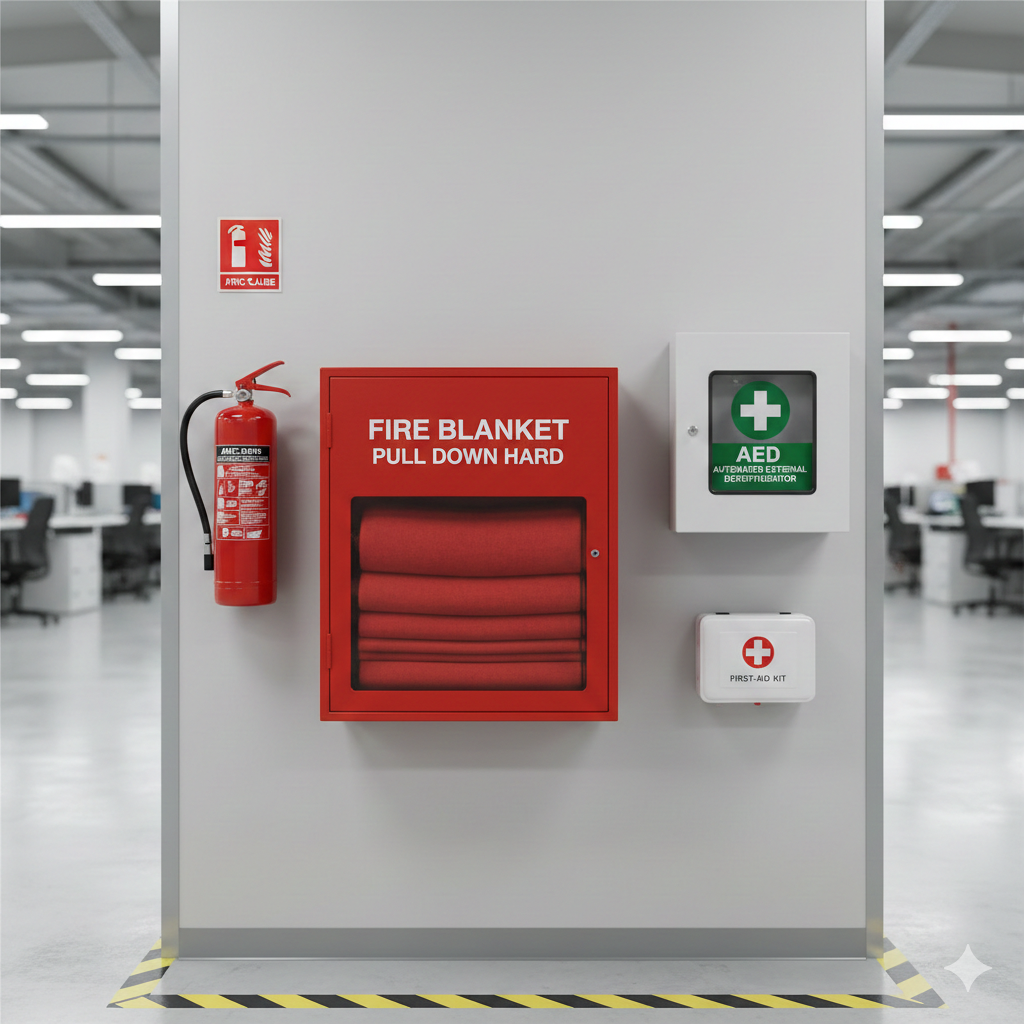
Workplace safety is a responsibility that cannot be overlooked. In industries ranging from factories and kitchens to laboratories and offices, the risk of fire incidents remains a constant threat. Having the right fire safety equipment is crucial to protect employees, prevent property damage, and comply with safety regulations. Among the essential tools for immediate response to fire hazards are fire blankets and emergency gear. Understanding their use, importance, and maintenance can save lives and minimize damage.
Understanding Fire Blankets
Fire Safety Trading (Pvt)
ToggleFire blankets are a simple yet highly effective fire safety equipment designed to extinguish small fires or protect individuals during emergencies. They are made from fire-resistant materials, typically fiberglass or wool treated with flame retardants. Fire blankets work by smothering flames, cutting off oxygen supply, which is essential for combustion.
Fire blankets are particularly effective for kitchen fires involving oils and fats, which cannot be extinguished with water. They are also ideal for clothing fires, providing immediate protection and preventing severe burns. Their compact size and ease of use make them an essential part of workplace safety kits.
Key Features of Fire Blankets
Fire blankets are designed to be user-friendly and efficient. Some features include:
-
Heat Resistance: High-quality fire blankets can withstand extreme temperatures, ensuring protection even in intense flames.
-
Compact Design: They are lightweight and easily accessible, often stored in wall-mounted cabinets for quick use.
-
Easy Deployment: Pulling the tabs on the blanket allows it to cover a fire instantly, minimizing panic during emergencies.
-
Multi-Purpose Use: Apart from extinguishing small fires, fire blankets can shield individuals while escaping or wrapping around equipment to prevent fire spread.
Emergency Gear: A Complete Safety Solution
While fire blankets provide immediate response to small fires, a comprehensive approach to workplace safety requires additional emergency gear. This equipment ensures preparedness for various types of emergencies, not limited to fire incidents.
1. Fire Extinguishers
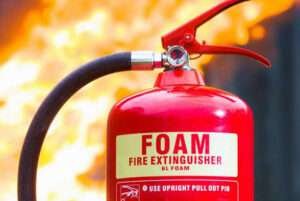
Fire extinguishers are a standard component of fire safety equipment. They come in different types, including water, foam, CO2, and powder, each suitable for specific fire classes. Proper training on how to use fire extinguishers ensures quick and effective response during a fire emergency.
2. Fire Alarms and Smoke Detectors
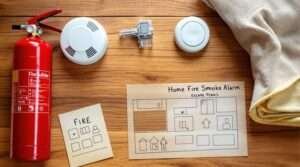
Early detection of fire is critical. Fire alarms and smoke detectors alert employees, giving them enough time to evacuate safely. Regular testing and maintenance of these devices are necessary to ensure they function correctly in emergencies.
3. Emergency Lighting and Exit Signs
During fire incidents, power failures are common. Emergency lighting ensures visibility, guiding employees to safe exits. Clearly marked exit signs reduce confusion and prevent panic, contributing to orderly evacuation.
4. Personal Protective Equipment (PPE)
For workers in high-risk areas, PPE such as fire-resistant gloves, helmets, and jackets are essential. This emergency gear protects individuals while they attempt to control a fire or assist others.
Importance of Fire Safety Equipment at Work
Implementing proper fire safety measures is not just a legal requirement; it is a moral obligation. The benefits of having adequate fire safety equipment include:
-
Protecting Lives: Immediate access to fire blankets and emergency gear can prevent injuries and fatalities.
-
Minimizing Property Damage: Quick response can contain fires before they spread, reducing financial losses.
-
Compliance with Regulations: Pakistani workplace safety laws mandate the availability of fire safety equipment in certain industries. Compliance avoids legal penalties and promotes a safe working environment.
-
Boosting Employee Confidence: Workers feel secure knowing that the workplace is equipped to handle emergencies.
Training and Awareness: The Key to Effectiveness
Owning fire blankets and emergency gear is only half the solution. Proper training and awareness among employees are critical for effective fire safety management. Conducting regular drills, explaining the correct use of equipment, and teaching evacuation procedures ensure that staff respond calmly and efficiently during emergencies.
Employers can organize workshops or training sessions demonstrating how to use fire blankets, operate fire extinguishers, and safely evacuate the premises. Visual guides and instructional posters near safety equipment reinforce this knowledge.
Maintenance and Inspection of Fire Safety Equipment
To ensure fire safety equipment is always ready for use, regular inspection and maintenance are necessary. Fire blankets should be checked for damage, tears, or contamination. Fire extinguishers need annual servicing, and smoke detectors require battery checks. Emergency lighting systems should be tested to confirm they function during power failures.
A proactive approach to equipment maintenance prevents malfunction during critical moments, enhancing workplace safety and reliability.
Integrating Fire Safety Equipment into Workplace Safety Plans
A comprehensive safety plan should include clear policies for fire prevention, emergency response, and employee responsibilities. Fire blankets and emergency gear must be strategically placed where they are easily accessible, such as near kitchens, machinery, laboratories, and exit routes.
Safety plans should also include:
-
Risk Assessment: Identifying areas with high fire risk and installing appropriate safety equipment.
-
Emergency Contacts: Providing a list of emergency services and in-house safety personnel.
-
Communication Protocols: Establishing a system for alerting staff in case of fire or other emergencies.
Fire Blankets in Different Work Environments
Fire blankets are versatile and suitable for various workplaces:
-
Industrial Settings: Factories handling flammable chemicals or machinery benefit from having multiple fire blankets for immediate fire suppression.
-
Kitchens and Restaurants: Grease fires in commercial kitchens can escalate quickly; fire blankets provide a fast and safe solution.
-
Laboratories: Experiments involving flammable substances can pose sudden risks. Fire blankets protect both personnel and equipment.
-
Offices: While office fires are rare, small electrical fires can occur. A fire blanket near electrical panels or break rooms adds an extra layer of safety.
Choosing the Right Fire Safety Equipment
Selecting appropriate fire safety equipment depends on workplace type, fire risks, and regulatory requirements. When purchasing fire blankets and emergency gear, consider the following:
-
Material Quality: High-grade fiberglass or flame-retardant materials ensure durability.
-
Size and Coverage: Blankets should be large enough to cover individuals or small fires completely.
-
Certifications: Ensure compliance with international and local safety standards.
-
Accessibility: Equipment should be easy to reach, clearly marked, and accompanied by instructions.
Promoting a Safety Culture at Work
Beyond equipment and training, creating a culture of safety is vital. Employees should be encouraged to report potential hazards, follow safety protocols, and participate in drills. Recognizing and rewarding proactive safety behavior can further strengthen this culture.
A workplace that values fire safety fosters trust, reduces accidents, and ensures everyone contributes to a secure environment.
Conclusion
Fire blankets and emergency gear are essential components of workplace safety. They provide immediate protection, reduce risks, and are critical for effective fire management. Integrating these tools with proper training, regular maintenance, and a robust safety plan ensures a secure working environment for all employees. Investing in quality fire safety equipment is not just a regulatory requirement but a commitment to protecting lives, property, and the reputation of your business.
Prioritizing fire safety today can prevent devastating consequences tomorrow. Every workplace, whether industrial, commercial, or office-based, should make fire blankets and emergency gear an integral part of their safety strategy.