Fire safety is one of the most important aspects of protecting your home or workplace. Fires can start unexpectedly and spread quickly, causing significant damage, injuries, and even fatalities. One of the most effective ways to reduce these risks is by installing smoke detectors and fire alarms. However, choosing the right device is crucial for ensuring maximum protection. This article will guide you on how to select the best smoke detectors and fire alarms for your needs, while naturally incorporating essential fire safety equipment.
Understanding Smoke Detectors and Fire Alarms
Fire Safety Trading (Pvt)
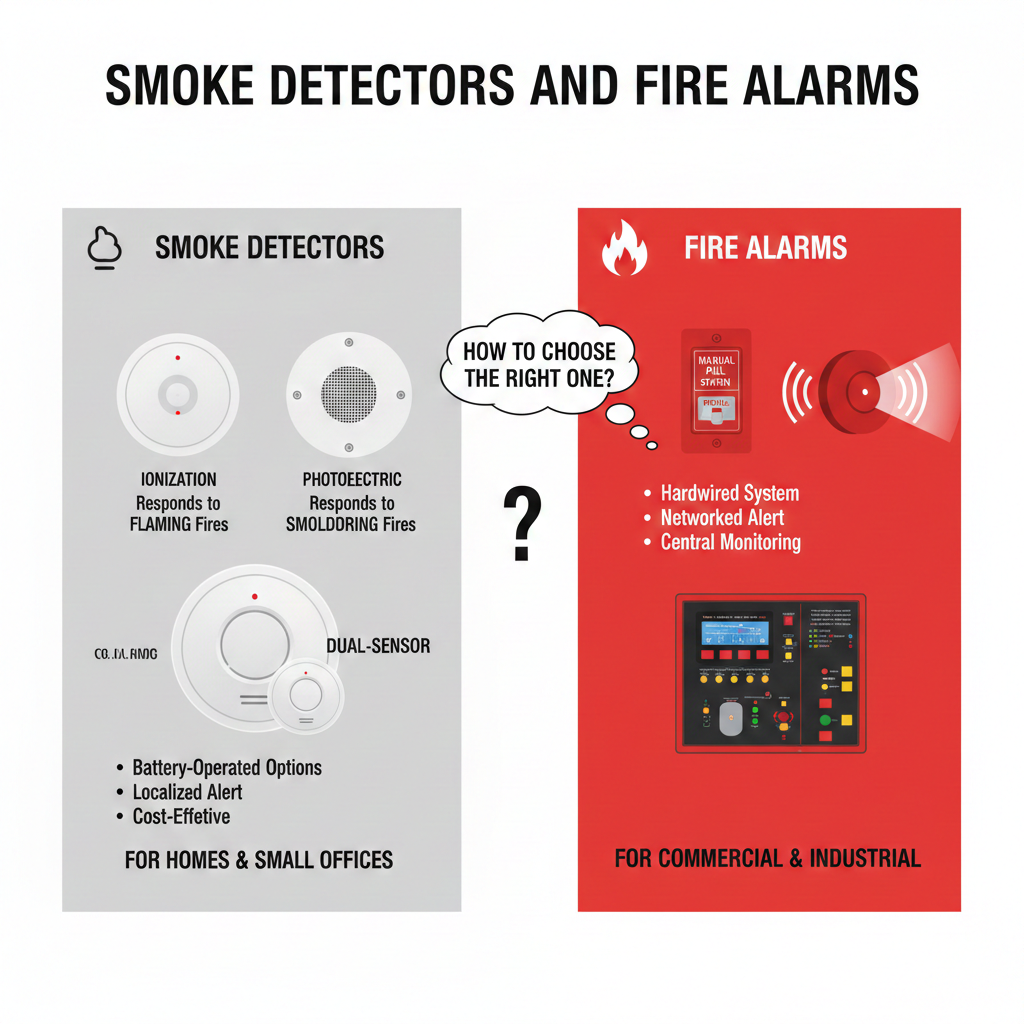
ToggleMany people often confuse smoke detectors and fire alarms, but they serve slightly different purposes. A smoke detector is a device that senses smoke and alerts you before a fire spreads. It is primarily a detection device. On the other hand, a fire alarm is a system that not only detects smoke but also alerts everyone in the building with loud sirens, lights, or automated messages. In modern setups, smoke detectors are often integrated into fire alarm systems, providing both detection and alerting capabilities.
Smoke detectors and fire alarms are critical components of fire safety equipment. They are the first line of defense against fire hazards, giving you valuable time to evacuate and call emergency services.
Types of Smoke Detectors
Choosing the right smoke detector depends on the type of fire you are most likely to encounter. There are three main types:
-
Ionization Smoke Detectors
Ionization detectors are best at detecting fast-flaming fires, such as kitchen or electrical fires. They work by using a small amount of radioactive material to ionize air in a sensing chamber. When smoke enters the chamber, it disrupts the ionization process and triggers the alarm. These detectors are very sensitive to small particles produced by flames. -
Photoelectric Smoke Detectors
Photoelectric detectors are ideal for detecting slow, smoldering fires, such as those caused by smoldering furniture or electrical faults in wiring. They use a light beam to detect smoke particles. When smoke enters the chamber, the light is scattered, triggering the alarm. Photoelectric detectors are less prone to false alarms from cooking smoke or steam. -
Dual-Sensor Smoke Detectors
Dual-sensor detectors combine both ionization and photoelectric technologies. They offer comprehensive protection by detecting both fast and slow fires. These are highly recommended for homes and workplaces, as they provide balanced protection against all types of fire hazards.
Types of Fire Alarms
Fire alarms can be standalone devices or part of a larger system. Here are the common types:
-
Manual Fire Alarms
Manual fire alarms require someone to pull a lever or press a button to activate the alarm. They are mostly found in commercial buildings or public spaces. While effective, they rely on human action and may not detect fires automatically. -
Automatic Fire Alarms
Automatic alarms detect smoke, heat, or flames and trigger an alert without human intervention. They are more reliable for early warning, especially at night when people are asleep. -
Addressable Fire Alarm Systems
These systems are commonly used in large buildings. Each detector is connected to a central control panel and can identify the exact location of a fire. This feature helps emergency responders react faster and contain fire effectively. -
Conventional Fire Alarm Systems
Conventional systems divide buildings into zones. When an alarm is triggered, the system identifies the zone but not the exact device. These systems are simpler and more affordable, making them suitable for small to medium-sized buildings.
Key Factors to Consider When Choosing Smoke Detectors and Fire Alarms
Selecting the right fire safety equipment requires careful consideration of several factors:
1. Type of Building
The size and layout of your building influence the type of detectors and alarms you need. Homes may require basic smoke detectors in bedrooms, living rooms, and kitchens, while commercial buildings might need a combination of smoke detectors, heat detectors, and advanced fire alarm systems.
2. Location of Installation
Proper placement of smoke detectors is essential for their effectiveness. For homes, install detectors on every floor, near sleeping areas, and in the kitchen. Avoid installing detectors near windows, vents, or bathrooms where steam and drafts can cause false alarms.
3. Power Source
Smoke detectors can be battery-operated, hardwired into your building’s electrical system, or a combination of both. Battery-operated devices are easier to install but require regular battery changes. Hardwired detectors are more reliable and often come with battery backup for power outages.
4. Sensitivity and Response Time
The sensitivity of a smoke detector determines how quickly it reacts to smoke or fire. High-sensitivity detectors respond faster but may trigger false alarms, while low-sensitivity detectors are slower to react. Dual-sensor detectors offer a balanced response.
5. Integration with Fire Safety Systems
In modern buildings, smoke detectors are often part of a comprehensive fire alarm system. Integrated systems can notify residents, trigger sprinklers, and alert emergency services simultaneously. This integration enhances overall safety.
6. Maintenance and Testing
Regular maintenance is vital for effective operation. Smoke detectors should be tested monthly, and batteries should be replaced at least once a year. Some devices have a lifespan of 8–10 years, after which they should be replaced.
Advanced Features to Look For
Modern smoke detectors and fire alarms come with advanced features that improve safety and convenience:
-
Interconnected Alarms: When one detector triggers, all alarms in the building sound simultaneously. This ensures that everyone is alerted, even if the fire is far from their location.
-
Smart Smoke Detectors: These devices connect to Wi-Fi and can send alerts to your smartphone. Some smart detectors can even integrate with home automation systems to turn on lights or unlock doors during emergencies.
-
Voice Alerts: Some alarms provide voice instructions, guiding residents to evacuate safely.
-
Heat Detectors: In areas where smoke alarms might cause false triggers, heat detectors respond to rapid temperature changes, adding another layer of protection.
Common Mistakes to Avoid
Many people install smoke detectors and fire alarms but fail to get the full benefit due to common mistakes:
-
Ignoring Battery Replacement: A smoke detector with a dead battery is useless. Regular checks are essential.
-
Placing Detectors in Wrong Locations: Installing alarms too close to cooking areas, bathrooms, or vents can cause frequent false alarms, making people ignore them.
-
Not Using Enough Detectors: Skipping areas like basements, hallways, or attics can leave blind spots where fires can go undetected.
-
Neglecting Maintenance: Dust, debris, or dead sensors can prevent alarms from working properly. Clean detectors regularly and follow manufacturer instructions.
Choosing the Right Brand and Quality
Investing in high-quality smoke detectors and fire alarms is crucial. Look for devices certified by recognized authorities and comply with local fire safety regulations. In Pakistan, you should choose equipment that meets international standards and is suitable for local conditions, such as high humidity or power fluctuations. Trusted brands often provide warranties and better customer support, ensuring long-term reliability.
Importance of Fire Safety Equipment in Every Building
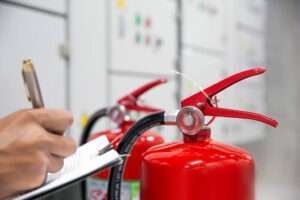
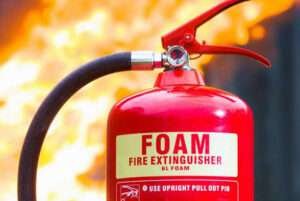
Smoke detectors and fire alarms are part of broader fire safety equipment, including fire extinguishers, fire blankets, and emergency exits. While alarms provide early warnings, other equipment is needed to contain or extinguish fires. A complete fire safety plan ensures that residents, employees, and visitors are protected at all times. Combining detection, alert, and response systems significantly reduces the risk of fire-related accidents.
Fire Safety Tips for Home and Workplace
Beyond installing alarms, adopting proactive fire safety habits can prevent accidents:
-
Keep flammable materials away from heat sources.
-
Never leave cooking unattended.
-
Regularly check electrical wiring and appliances.
-
Educate family members or employees on fire evacuation procedures.
-
Conduct fire drills in workplaces to ensure everyone knows exit routes.
Conclusion
Choosing the right smoke detectors and fire alarms is more than just a purchase; it is an investment in the safety of lives and property. Understanding the differences between detector types, considering installation locations, and integrating alarms with other fire safety equipment ensures comprehensive protection. By following proper maintenance practices and selecting quality devices, you can significantly reduce fire risks and ensure peace of mind for your family or employees.
Smoke detectors and fire alarms are essential fire safety equipment that no building should be without. They provide early warnings, save lives, and minimize damage. Always prioritize safety and choose devices that meet international standards while being suitable for your local environment. Remember, in fire safety, prevention and preparedness are always better than regret.
Also Read: