Fire safety is an important responsibility for everyone, whether they own a property or rent a home. Although homeowners usually have greater control over a building’s structure and safety systems, renters also play an essential role in preventing fires and protecting their families. A small electrical fault, an unattended cooking appliance, or an unsafe heating arrangement can create serious risks if basic precautions are ignored.
In Pakistan, residential fire safety deserves particular attention because homes may have different electrical systems, building designs, cooking arrangements, and emergency access conditions. Apartments, rented portions, independent houses, and shared accommodation all require suitable fire prevention measures.
For homeowners, providing a reasonably safe property is an important responsibility. Renters, meanwhile, should understand how to use the property safely, identify potential hazards, and report maintenance problems promptly. Good communication between both parties can help reduce risks and make emergency planning easier.
This guide explains practical fire safety measures for rented homes, including the responsibilities of landlords and tenants, electrical precautions, kitchen safety, smoke alarms, emergency exits, and fire prevention planning.
## 1. Understand the Fire Safety Responsibilities of Homeowners and Renters
Fire safety works best when homeowners and renters understand their responsibilities. Both parties contribute to maintaining a safe living environment.
Homeowners or landlords generally have responsibility for the property’s overall condition and for arranging necessary repairs, inspections, and maintenance. Depending on applicable laws, building requirements, and rental agreements, they may also be responsible for providing suitable fire safety equipment and maintaining installed safety systems.
Renters should use the property responsibly and report hazards as soon as they notice them. They should avoid damaging safety equipment, blocking exits, or using electrical and cooking appliances carelessly.
A clear rental agreement can help explain who is responsible for maintaining smoke alarms, electrical installations, emergency lighting, and other safety features. Responsibilities should be discussed before a tenant moves in.
Both parties should cooperate rather than assume that fire safety is entirely someone else’s responsibility.
## 2. Inspect the Property Before Moving In
Before moving into a rented property, tenants should pay attention to basic fire safety conditions. A quick inspection can help identify concerns that may need attention before the home is occupied.
Important areas to consider include:
– **Electrical condition:** Look for visible signs of damaged sockets, loose fittings, or exposed wiring. Do not touch or attempt to repair damaged electrical components.
– **Exit access:** Check whether doors, corridors, and stairways are accessible and free from unnecessary obstructions.
– **Smoke alarms:** Confirm whether suitable smoke alarms are installed and whether the landlord has arranged appropriate testing.
– **Kitchen condition:** Check that cooking appliances appear properly installed and that the surrounding area is not cluttered with easily ignited materials.
– **Fire safety equipment:** Ask whether the property has appropriate fire safety equipment and who is responsible for its maintenance.
– **Building access:** Understand how occupants can leave the building safely during an emergency.
If anything appears unsafe, report it to the landlord or property manager. Serious electrical or structural concerns should be assessed by qualified professionals.
## 3. Install and Maintain Suitable Smoke Alarms
Smoke alarms are among the most important safety features in a residential property. They can provide an early warning when smoke is detected, giving occupants more time to respond and evacuate.
Homeowners should consider suitable smoke alarm coverage based on the property’s layout and applicable safety requirements. The location and number of alarms may depend on the building’s design, number of floors, and sleeping areas.
Renters should know where the alarms are located and understand how to report a fault. They should never remove batteries, cover sensors, or disconnect alarms because of nuisance alerts.
Both landlords and tenants should understand who is responsible for testing, cleaning, battery replacement, and arranging repairs. Any malfunction should be reported promptly.
For larger buildings or properties with additional safety requirements, a professionally designed fire alarm system in Pakistan can support early warning and coordinated emergency response. The appropriate system should be selected according to the building’s size, occupancy, and relevant safety standards.
## 4. Follow Basic Electrical Safety Precautions
Electrical problems are an important source of residential fire risk. Overloaded outlets, damaged cables, unsuitable electrical accessories, and poorly maintained installations can create dangerous conditions.
Homeowners should arrange inspections and repairs through qualified electricians, particularly in older properties or buildings with repeated electrical problems.
Renters can reduce everyday risks by following a few simple precautions:
– Avoid connecting too many appliances to one outlet.
– Do not use appliances with visibly damaged cables or plugs.
– Keep electrical appliances away from water and damp areas.
– Do not cover electrical equipment with clothing or other materials.
– Switch off appliances when they are not needed, where appropriate.
– Report unusual smells, sparks, overheating, or repeated electrical interruptions to the landlord.
– Never attempt to repair electrical wiring or open electrical panels yourself.
Electrical safety should never depend on temporary repairs or improvised connections. If an electrical problem is suspected, stop using the affected equipment when it is safe to do so and arrange professional assistance.
If an electrical fire occurs, occupants should move away, evacuate, and contact emergency services from a safe location. Water must never be used on an electrical fire.
## 5. Make Kitchen Fire Safety a Priority
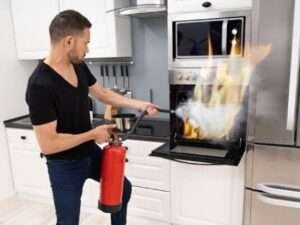
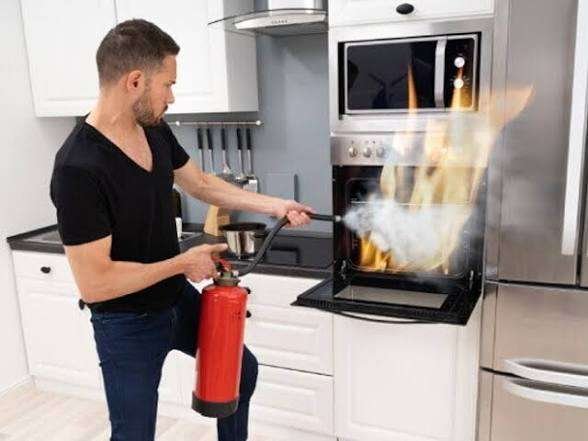
The kitchen is one of the most important areas to consider when planning residential fire prevention. Cooking involves heat, electrical appliances, and sometimes gas, so careless habits can increase the possibility of an incident.
Renters should remain attentive whenever cooking. They should avoid leaving active cooking unattended and keep paper, towels, packaging, and other easily ignited materials away from heat sources.
Homeowners should ensure that fixed kitchen equipment and relevant installations are maintained appropriately. Any repair or installation involving electrical or gas systems should be completed by qualified professionals.
Useful kitchen safety habits include:
– Keep cooking areas clean and free from unnecessary clutter.
– Store easily ignited materials away from cooking appliances.
– Keep children away from hot cooking surfaces.
– Do not leave cooking unattended.
– Ensure that kitchen exits remain accessible.
– Report damaged appliances or suspected gas problems immediately.
If a cooking fire becomes dangerous or spreads, do not attempt to handle it yourself. Evacuate everyone from the property and contact emergency services.
## 6. Understand Gas and Heating Safety
Some homes in Pakistan use gas appliances for cooking and heating. These appliances require proper installation, ventilation, and professional maintenance.
Homeowners should ensure that fixed gas installations are maintained by qualified technicians. Renters should report unusual smells, damaged equipment, or suspected leaks without attempting repairs.
If a gas leak is suspected, leave the affected area and move to a safe location. Avoid flames and do not operate electrical switches near the suspected leak. Contact the appropriate emergency service or gas provider from a safe distance.
Heating equipment also requires careful use. Appliances should be suitable for indoor environments and used according to the manufacturer’s instructions. Fuel-burning equipment must never be operated in enclosed or poorly ventilated spaces because of the risk of carbon monoxide poisoning.
Landlords should provide clear information about installed heating systems, while tenants should avoid using makeshift heating arrangements.
## 7. Keep Emergency Exits Clear at All Times
A safe exit route is essential in every rented home. During an emergency, occupants may have very little time to leave, so doors, corridors, and stairways must remain accessible.
Homeowners should ensure that the property’s layout does not create unnecessary barriers to escape. In apartment buildings, shared corridors and staircases should be managed so that residents can reach designated exits.
Renters should avoid placing shoes, furniture, storage boxes, bicycles, or other belongings in hallways and stairways. They should also understand how to open the available exit doors and identify the safest route outside.
For multi-storey buildings, occupants should know which stairways are designated for emergency evacuation. Elevators should not be used during a fire unless emergency personnel specifically direct otherwise.
If the usual exit route becomes unsafe, occupants should follow the building’s emergency plan and contact emergency services.
## 8. Prepare a Simple Home Fire Escape Plan
A fire escape plan helps everyone understand what to do if an emergency occurs. It is particularly useful for families living in rented houses, apartments, and shared accommodation.
The plan should identify:
– The main exit from the home.
– An alternative exit where available.
– The safest route to the outside.
– A meeting point away from the building.
– Emergency contact information.
– Any assistance needed by children, older adults, or people with mobility difficulties.
Every household member should understand the plan. Children should be taught to recognize emergency alarms, leave promptly, and follow instructions from responsible adults.
Homeowners and property managers can support tenants by providing information about shared building evacuation procedures, emergency staircases, and assembly points.
The plan should also be reviewed whenever the household changes or furniture arrangements affect access to exits.
## 9. Avoid Blocking Fire Safety Equipment
Fire safety equipment is useful only when it remains accessible and properly maintained. In residential buildings, this may include fire extinguishers, alarms, emergency lighting, hose reels, and other installed systems.
Homeowners and building managers should arrange appropriate inspections and maintenance through qualified service providers.
Renters should avoid placing furniture, storage boxes, or personal belongings in front of safety equipment. They should not remove, relocate, damage, or interfere with installed devices.
It is also important to understand that not every fire extinguisher is suitable for every type of fire. Occupants should follow building guidance and receive suitable training rather than assume they can safely deal with every incident.
If a fire is spreading, producing heavy smoke, or blocking an escape route, evacuation is the priority. Do not delay leaving the building to locate or operate equipment.
## 10. Improve Fire Safety in Shared Rental Buildings
Shared buildings create additional challenges because several households may depend on the same corridors, staircases, entrances, and safety systems.
A problem caused by one resident can affect everyone. For example, storing belongings in a shared corridor may obstruct evacuation for the entire floor.
Homeowners, landlords, and building managers should establish clear rules for shared spaces. They should also communicate emergency procedures to residents and arrange maintenance of common safety systems.
Tenants can contribute by:
– Keeping shared stairways and corridors clear.
– Reporting damaged emergency lights or alarms.
– Avoiding unsafe storage in common areas.
– Following building evacuation instructions.
– Informing management about hazards.
– Cooperating during safety inspections and drills.
Building management should ensure that safety information is easy to understand and available to residents.
## 11. Pay Attention to Candles, Smoking, and Decorative Items
Everyday household activities can create fire risks when handled carelessly. Candles, incense, cigarettes, decorative lights, and seasonal decorations should all be considered when planning home safety.
Candles and incense should not be left unattended or placed near curtains, bedding, paper, or other easily ignited materials. They should also be kept away from children and pets.
Smoking should be avoided indoors, especially near furniture, bedding, and other combustible materials. Decorative electrical lights should be purchased from reliable sources and checked for visible damage before use.
Renters should follow the property’s rules regarding smoking and open flames. Homeowners should explain any relevant restrictions before the tenancy begins.
Simple habits can help reduce avoidable risks without making daily life unnecessarily complicated.
## 12. Keep Children and Older Adults in Mind
Fire safety planning should consider the needs of everyone living in the home. Children, older adults, and people with disabilities may need additional support during an emergency.
Parents and caregivers should explain basic fire safety in age-appropriate language. Children should know that alarms must be taken seriously and that they should leave the building with a responsible adult.
For older adults or people with limited mobility, households should consider accessible exit routes and identify who can provide assistance if needed.
Landlords should take accessibility requirements into account when planning property improvements and communicating building safety arrangements.
A household emergency plan should reflect the actual needs of its residents rather than relying on a general approach.
## 13. Report Fire Hazards Without Delay
One of the most effective ways renters can contribute to fire prevention is by reporting hazards early. Problems that appear minor may become more serious if they remain unresolved.
Examples include:
– Damaged electrical sockets.
– Faulty smoke alarms.
– Unusual smells near appliances.
– Poorly maintained heating equipment.
– Blocked emergency exits.
– Damaged safety signs.
– Missing or inaccessible fire safety equipment.
Tenants should contact the landlord or property manager and clearly explain the issue. Written communication can help both parties keep a record of reported problems and agreed repairs.
Homeowners should respond appropriately and arrange professional assistance where necessary. Urgent hazards should not be left until a routine property inspection.
If there is an immediate threat to life or safety, occupants should leave the affected area and contact emergency services rather than wait for a landlord’s response.
## 14. Understand Fire Safety Requirements in Pakistan
Fire safety requirements can vary according to the type of building, its location, occupancy, and applicable local regulations. Residential apartments, commercial-residential buildings, and larger housing developments may have different safety obligations.
Homeowners and property managers should understand the requirements that apply to their properties. They may need to consider building regulations, local authority requirements, fire protection provisions, and any relevant approval conditions.
Professional guidance can help determine which alarms, detection devices, emergency exits, signs, and other safety measures are appropriate.
A properly planned fire alarm system in Pakistan can form part of a wider residential fire protection strategy. However, installing equipment alone is not enough. Regular maintenance, resident awareness, and clear evacuation procedures are equally important.
Renters should ask their landlords or building managers about the property’s fire safety arrangements and understand how to report concerns.
## 15. Create a Positive Fire Safety Relationship Between Landlords and Tenants
Good communication makes fire prevention easier. Landlords should explain important safety features when handing over a property, while tenants should ask questions if they do not understand how an installed system works.
A useful move-in discussion can cover:
– The location of smoke alarms.
– Emergency exits and evacuation routes.
– Responsibility for alarm testing and maintenance.
– Reporting procedures for electrical or gas concerns.
– The location of shared fire safety equipment.
– Building-specific emergency arrangements.
Landlords should also provide tenants with updates when safety systems are inspected, repaired, or replaced.
Tenants, in turn, should respect safety instructions and report problems promptly. A cooperative relationship helps ensure that hazards are identified and addressed before they become emergencies.
## Conclusion
Fire safety for renters is a shared responsibility that requires cooperation between homeowners, landlords, property managers, and tenants. A safe rental property depends on more than the presence of fire safety equipment. It also requires regular maintenance, responsible daily habits, accessible exits, working alarms, and a clear emergency plan.
Homeowners should provide appropriate safety arrangements and address maintenance concerns, while renters should use appliances responsibly, keep escape routes clear, and report hazards without delay.
In Pakistan, these precautions are valuable for apartments, rented houses, and shared residential buildings. Whether a property has basic smoke alarms or a professionally installed fire detection system, every household should understand how to respond to an emergency.
By making fire prevention part of everyday home management, landlords and tenants can help create safer living spaces and reduce avoidable risks.
## Frequently Asked Questions (FAQs)
### 1. Who is responsible for fire safety in a rented home?
Fire safety is a shared responsibility. Homeowners or landlords generally manage property maintenance and required safety installations, while tenants should use the property responsibly, avoid creating hazards, and report problems promptly. Exact responsibilities may also depend on the rental agreement and applicable local requirements.
### 2. Should a rented house have smoke alarms?
Suitable smoke alarms are an important residential safety feature. Their number and placement depend on the property’s layout and relevant safety requirements. Tenants should confirm that alarms are installed and report any faults to the landlord or property manager.
### 3. What should renters do if they notice an electrical hazard?
Renters should stop using affected equipment when safe, avoid touching damaged wiring or electrical components, and report the problem to the landlord immediately. Electrical inspections and repairs should be handled by qualified professionals.
### 4. What should tenants do if a fire starts inside their home?
Everyone should leave the property as quickly and safely as possible, warn others if it is safe to do so, and contact emergency services from a safe location. Occupants should not delay evacuation to collect belongings or attempt to fight a dangerous fire.
### 5. Why is a fire alarm system important in residential buildings?
A fire alarm system helps detect signs of fire and alert occupants so they can respond quickly. In larger residential buildings, a professionally designed system can support coordinated emer