Fireworks are often associated with celebrations, festivals, weddings, national events, and special occasions. Their bright colours and loud sounds can make an event feel exciting, but fireworks also involve fire, heat, smoke, and explosive materials. When they are handled carelessly, they can cause serious injuries, start fires, and damage nearby buildings or property.
Fireworks safety is important for everyone, including event organisers, families, property owners, and members of the public. Understanding the risks can help people make responsible decisions and avoid unnecessary danger. In Pakistan, fireworks may be seen during celebrations such as weddings, festivals, public gatherings, and national holidays. These events often take place near homes, shops, roads, and crowded public spaces, making safety planning especially important.
The safest approach is to leave fireworks handling to authorised and appropriately trained professionals. Children and untrained members of the public should never light, modify, or experiment with fireworks. They should watch only from designated safe areas and follow instructions from responsible adults and event organisers.
This article explains fireworks safety in plain English, including common hazards, fire prevention, public-event precautions, emergency awareness, and the importance of responsible planning.
What Is Fireworks Safety?
Fireworks safety refers to the precautions and responsible practices used to protect people, buildings, vehicles, and the environment from hazards associated with fireworks.
Fireworks contain materials that produce light, sound, heat, and smoke. Their operation involves a controlled reaction, but accidents can happen when products are damaged, unsuitable, incorrectly stored, or used by people without proper training.
A safe fireworks event requires more than choosing a suitable location. It also involves checking local rules, arranging appropriate supervision, considering weather conditions, protecting spectators, and preparing for emergencies.
Important elements of fireworks safety include:
– Following applicable laws and local authority requirements.
– Using only authorised professionals for public displays.
– Keeping spectators away from restricted areas.
– Avoiding fireworks near buildings, vehicles, trees, and other potential hazards.
– Preventing children from handling fireworks.
– Keeping emergency arrangements available.
– Avoiding the use of damaged or unapproved products.
The goal is to prevent accidents rather than trying to manage a dangerous situation after it begins.
Understanding the Common Hazards of Fireworks
Fireworks can create several types of hazards. Knowing about them helps families, organisers, and communities understand why safety rules matter.
1. Fire and Heat
Fireworks produce heat and may ignite nearby combustible materials. Dry grass, paper decorations, rubbish, curtains, wooden structures, and other easily ignited items can increase the risk of a fire.
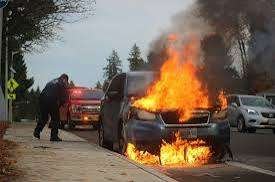
A fire may also spread to nearby vehicles, shops, homes, or temporary event structures. This is particularly concerning in crowded locations where people may have limited space to move away.
2. Burns and Other Injuries
Fireworks can cause burns and other injuries when people get too close or handle them incorrectly. Even products that appear small may create hazards.
Children are especially vulnerable because they may not understand the risks involved. They should never be encouraged to handle fireworks or approach products that have been used or left behind.
3. Loud Noise
Some fireworks produce very loud sounds. Sudden noise can cause discomfort, distress, or hearing-related problems, particularly for young children, older adults, and people who are sensitive to loud sounds.
Event organisers should consider noise levels when planning public celebrations and should provide clear information to nearby residents where appropriate.
4. Smoke and Air Quality
Fireworks release smoke and particles into the air. Smoke can reduce visibility and may cause discomfort, especially for people with breathing difficulties or other sensitivities.
Events should consider wind direction, nearby buildings, and the location of spectators. People should avoid standing in areas where smoke is gathering.
5. Property Damage
A fireworks-related fire can damage homes, shops, vehicles, outdoor furniture, and public facilities. In crowded neighbourhoods, a small incident may affect several nearby properties.
Keeping celebrations away from buildings and other vulnerable areas is an important part of responsible event planning.
Why Fireworks Safety Matters in Pakistan
Pakistan has many cultural, family, and public celebrations where fireworks may be part of an event. However, fireworks used in residential streets, crowded markets, wedding venues, and other busy locations can create risks for people who are not directly involved.
Some areas have closely spaced buildings, overhead electrical infrastructure, parked vehicles, and limited access for emergency services. These conditions make it important to follow local restrictions and avoid unplanned fireworks activities.
Residential Areas
Using fireworks in narrow streets or near homes can expose residents to unnecessary danger. Families may have young children, older relatives, or people who need additional support during emergencies.
Celebrations should never interfere with neighbours’ safety or block roads and emergency access.
Weddings and Private Events
Wedding celebrations may involve temporary decorations, tents, stages, electrical equipment, and large groups of guests. Adding fireworks without proper planning can introduce additional fire risks.
Venue management and event organisers should follow local requirements and use authorised professionals where displays are permitted.
Public Celebrations
Public events require careful crowd management. Organisers should work with relevant authorities, establish controlled viewing areas, and ensure that emergency vehicles can reach the site if needed.
Unplanned fireworks in crowded public places can create confusion and expose bystanders to danger.
The Importance of Following Local Laws and Regulations
Fireworks may be subject to restrictions, licensing requirements, or temporary bans depending on the location and occasion. Rules can also differ between provinces, districts, and local authorities.
Before planning an event involving fireworks, organisers should check the current requirements with the relevant local administration and other authorised authorities.
Responsible organisers should:
– Confirm whether fireworks are permitted at the proposed location.
– Check whether an approval or permit is required.
– Follow restrictions on the type of event and location.
– Use authorised professionals where required.
– Respect temporary safety instructions and restrictions.
– Avoid activities that disturb public order or create road hazards.
People should not assume that fireworks are allowed simply because they have been used at similar events in the past. Current local requirements should always be checked.
Safe Planning for Fireworks Events
Planning is one of the most important parts of a safe celebration. Event organisers should consider the people attending, the surrounding environment, emergency access, and the possibility of unexpected problems.
Choose an Appropriate Event Location
The event location should be assessed by responsible professionals and relevant authorities. Residential streets, crowded markets, busy roads, and areas close to vulnerable structures may be unsuitable.
A location should not be selected simply because it offers a convenient view. Organisers need to consider the safety of spectators, nearby residents, workers, and emergency responders.
Manage Spectator Areas
Spectators should remain in designated viewing areas established by event organisers and authorised professionals.
People should never cross barriers or enter restricted zones. Children should remain with responsible adults, and event staff should communicate safety instructions clearly.
Keep Emergency Access Clear
Emergency vehicles and personnel may need access to the event area. Roads, gates, entrances, and designated access routes should not be blocked by parked vehicles, decorations, stalls, or spectators.
Organisers should coordinate access arrangements before the event begins.
Consider Weather Conditions
Weather can affect outdoor events. Strong winds may carry smoke or other materials toward spectators and nearby properties. Poor visibility or other unsuitable conditions may also make an event unsafe.
Organisers should follow professional guidance and postpone or cancel an event when conditions are unsuitable.
Prepare an Emergency Plan
Every organised public display should have an emergency plan appropriate to its size and location. The plan should identify responsible staff, communication arrangements, emergency contacts, and procedures for moving people away from danger.
The plan should also account for children, older adults, people with disabilities, and anyone who may need assistance.
Fireworks Safety for Children and Families
Children may find fireworks exciting, but they often cannot judge the risks involved. Parents and caregivers should explain safety rules in simple language and ensure that children remain under responsible adult supervision.
Keep Children Away From Fireworks Handling
Children should never light, hold, modify, dismantle, or experiment with fireworks. These activities should not be treated as games or family entertainment.
Even products that appear unused or harmless may be dangerous. Children should not touch fireworks found on the ground or left behind after an event.
Choose Safe Viewing Arrangements
Families should watch organised displays only from designated spectator areas. Adults should keep children close and follow instructions from event staff.
If the event becomes crowded, smoky, or confusing, families should calmly move away from the affected area.
Explain Basic Emergency Behaviour
Children should know that they must:
– Follow instructions from responsible adults.
– Stay away from restricted areas.
– Never touch fireworks or unfamiliar objects.
– Move away if they notice smoke or fire.
– Tell an adult if they see a dangerous situation.
– Never return to collect belongings during an emergency.
These simple rules help children understand that enjoying a celebration does not require taking risks.
Protecting Homes and Buildings During Celebrations
Fireworks can create hazards for nearby properties, especially when celebrations take place in residential neighbourhoods.
Property owners and event organisers should consider the surrounding environment before any permitted display.
Keep Combustible Decorations in Mind
Temporary decorations, paper materials, fabric coverings, dry plants, and other combustible items may increase fire risks. Event organisers should have the site assessed and follow professional advice about suitable arrangements.
Consider Nearby Vehicles
Parked cars and motorcycles may be exposed to heat, sparks, or fire if fireworks are used too close to them. Event organisers should consider nearby parking areas and protect access routes.
Residents should follow local safety instructions and avoid parking in areas that have been designated for emergency access or event safety.
Protect Shops and Commercial Properties
Shops may contain packaging, fabrics, paper products, electrical equipment, and other materials that can contribute to a fire. Business owners should follow relevant fire-safety arrangements and ensure that emergency exits remain accessible.
A suitable fire alarm system in Pakistan can help provide early warning in commercial buildings when a fire is detected. However, a building alarm does not make an unsafe fireworks display acceptable or replace proper event controls.
The Role of Fire Safety Equipment
Fire safety equipment supports emergency preparedness in homes, businesses, and public venues. However, equipment must be appropriate for the location, properly maintained, and used by people who have received suitable training.
Fire Extinguishers
Fire extinguishers are designed for specific types of fire. The correct type depends on the materials and hazards present.
Buildings and venues should have suitable extinguishers selected and maintained according to professional fire-safety guidance. Untrained spectators should not approach a fireworks-related fire or attempt to manage it themselves.
Evacuation and contacting emergency services should take priority whenever people are at risk.
Fire Alarm Systems
Fire alarm systems help occupants receive an early warning when a fire is detected. They are important in many settings, including hotels, shopping centres, offices, schools, hospitals, and event venues.
A properly designed and maintained alarm system can support an organised response by alerting people to a potential emergency. It should form part of a wider fire-safety plan that includes clear exits, evacuation arrangements, and staff awareness.
Emergency Lighting and Exit Signs
Emergency lighting and clear exit signs help people identify escape routes if normal lighting fails or smoke affects visibility.
Public venues should ensure that exits are clearly identified and that escape routes remain free from obstructions. Visitors should familiarise themselves with the nearest available exits when entering a large venue.
First Aid Arrangements
Organised events should have suitable first aid arrangements based on their size, attendance, and risk assessment.
People who suffer serious burns, breathing difficulties, or other significant injuries need urgent professional medical assistance. Bystanders should avoid actions that could make an injury worse and follow emergency medical guidance.
What to Do if a Fire Starts During a Celebration
If a fire occurs during a fireworks event, protecting people is the first priority. Spectators should not attempt to investigate or approach the source of the fire.
Follow these general safety principles:
1. Move Away From the Danger
Leave the affected area calmly and move toward a safe location. Follow instructions from event staff and emergency responders.
2. Help Children and Anyone Needing Assistance
Responsible adults should help children, older adults, and people who may have difficulty moving. Avoid pushing or running through crowded areas.
3. Do Not Touch Fireworks
Never approach, pick up, or investigate fireworks that are smoking, damaged, or behaving unusually. Keep others away and report the situation to responsible event staff or emergency services.
4. Contact Emergency Services
If there is a fire or someone is injured, contact the appropriate emergency service. Provide the location and explain what has happened.
5. Keep Emergency Routes Clear
Do not block roads, gates, or access points. Emergency responders need enough space to reach the affected area.
6. Follow Official Instructions
Do not return to the event area until authorised personnel confirm that it is safe.
These steps apply to private celebrations and larger public events. The response should always be guided by the situation and instructions from trained emergency personnel.
What to Do if You Find a Firework That Has Not Worked
A firework that does not operate as expected should be treated as dangerous. It may still contain active materials, even when it appears inactive.
People should never approach, relight, open, dismantle, or attempt to repair it. Children should be kept away, and nearby people should be warned not to touch it.
Event organisers should follow the manufacturer’s safety information and applicable local requirements, using authorised professionals to manage the situation. If the item creates an immediate danger, contact the appropriate emergency service.
Never place an unfamiliar or unused firework in household rubbish or attempt to dispose of it yourself.
Environmental and Community Considerations
Fireworks can affect more than the people watching a display. Noise, smoke, litter, and fire risks may also affect neighbours, animals, and the surrounding environment.
Noise and Public Comfort
Loud fireworks may disturb children, older adults, people with noise sensitivities, and nearby residents. Organisers should consider community needs and follow applicable noise restrictions.
Smoke and Air Quality
Smoke may affect people who are sensitive to airborne particles. Public events should consider weather conditions and avoid exposing spectators to areas where smoke is gathering.
Pets and Animals
Sudden loud sounds may frighten pets and other animals. Pet owners can reduce exposure by keeping animals in a secure, calm environment during nearby celebrations.
Waste Management
After an event, the organiser should arrange suitable site inspection and cleanup through responsible personnel. Members of the public should not handle unfamiliar or potentially hazardous fireworks remains.
Common Fireworks Safety Mistakes to Avoid
Many fireworks-related incidents are linked to poor planning, unsafe behaviour, or a failure to follow basic precautions.
Allowing Untrained People to Handle Fireworks
Fireworks should not be treated as ordinary household items. Public displays should be managed by authorised and appropriately trained professionals.
Ignoring Local Restrictions
Organising an event without checking current rules may create legal and safety problems. Organisers should confirm requirements with the relevant authorities before making arrangements.
Holding Displays in Crowded Locations
Busy streets, markets, and tightly packed residential areas may expose people and property to unnecessary risks. Event locations should be assessed by qualified professionals.
Ignoring Weather Conditions
Unsuitable weather may affect the safety of an outdoor event. Organisers should follow professional guidance rather than continuing simply because guests have arrived.
Letting Children Approach Fireworks
Children should remain in designated spectator areas with responsible adults. They should never collect, inspect, or touch fireworks after a display.
Treating Fireworks as a Substitute for Event Planning
A celebration needs more than entertainment. Organisers must consider crowd management, emergency access, fire precautions, and communication arrangements.
How Businesses and Event Venues Can Improve Fire Safety
Hotels, wedding halls, restaurants, shopping centres, and other venues may host celebrations where fireworks are proposed nearby. Their management teams should ensure that all activities comply with applicable rules and do not compromise the safety of occupants.
A responsible venue should:
– Maintain a documented fire-safety plan.
– Keep emergency exits accessible.
– Ensure alarm and detection systems receive appropriate maintenance.
– Provide suitable emergency lighting and exit signage.
– Train relevant staff in approved emergency procedures.
– Coordinate with event organisers and local authorities.
– Keep emergency access routes clear.
– Review arrangements after any incident or significant event.
A fire alarm system in Pakistan can be an important part of a building’s overall fire-protection arrangements. Still, alarms work best alongside prevention, evacuation planning, staff training, and suitable emergency equipment.
Conclusion
Fireworks can be part of memorable celebrations, but they should never be allowed to put people or property at unnecessary risk. Their use involves fire, heat, smoke, loud noise, and other hazards that require responsible planning and professional oversight.
In Pakistan, families and event organisers should pay particular attention to local rules, crowded surroundings, nearby buildings, weather conditions, and emergency access. Children and untrained members of the public should never handle fireworks. Public displays should be left to authorised professionals, and spectators should remain in designated viewing areas.
The most important principle is to put human safety first. By following local requirements, choosing responsible event arrangements, maintaining building fire-safety systems, and understanding basic emergency procedures, communities can make celebrations safer for everyone.
Frequently Asked Questions (FAQs)
1. Why is fireworks safety important?
Fireworks can cause fires, burns, property damage, and injuries. Safety precautions help protect spectators, nearby residents, event workers, and buildings during celebrations.
2. Can children handle fireworks under adult supervision?
No. Children should never light, hold, dismantle, or experiment with fireworks. They should watch authorised displays from designated safe areas while remaining with responsible adults.
3. What should I do if a firework does not work?
Do not approach, touch, relight, open, or dismantle it. Keep other people away and inform responsible event staff or authorised professionals. Contact emergency services if there is an immediate danger.
4. Are fireworks safe to use in residential streets?
Residential streets may contain homes, vehicles, pedestrians, overhead infrastructure, and limited emergency access. Fireworks should never be used in an unsafe or unauthorised location. Always check local rules and rely on authorised professionals for permitted displays.
5. How can event organisers improve fireworks safety?
Organisers should check local requirements, use authorised professionals, assess the location, manage spectator areas, keep emergency access clear, consider weather conditions, and prepare an emergency plan. They should also ensure that the venue’s fire alarms, exits, and other safety arrangements are properly maintained