Burn injuries are among the common emergencies that can happen at home, in schools, workplaces, kitchens, and other everyday environments. They may result from contact with hot liquids, steam, heated surfaces, electrical sources, chemicals, or flames. Although some burns are minor, others require urgent medical attention. Knowing how to respond safely can make an important difference while professional help is being arranged.
Burn first aid is an essential part of general safety awareness. It helps people understand what to do immediately after a burn, which actions to avoid, and when medical assistance is necessary. For families, teachers, business owners, and workplace managers in Pakistan, learning basic burn safety can support a safer environment.
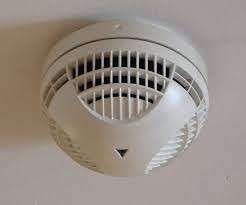
Fire prevention is equally important. Suitable fire protection equipment, functioning alarms, clear emergency exits, and safety education can reduce risks and help people respond more effectively when an incident occurs. A fire alarm system in Pakistan can provide an early warning inside a protected building, giving occupants an opportunity to follow the emergency plan and move to safety.
This article explains the basic principles of burn first aid, common burn causes, prevention measures, and the importance of professional medical care.
1. Understanding What a Burn Is
A burn is an injury to the skin or other body tissue caused by heat, electricity, chemicals, radiation, or friction. The seriousness of a burn depends on several factors, including its depth, size, location, and cause.
Some burns affect only the outer layer of the skin, while others may damage deeper tissue. A burn can also be more serious when it affects sensitive areas such as the face, hands, feet, joints, or other important parts of the body.
Burn injuries are not always caused by direct flames. Hot water, cooking oil, steam, electrical equipment, and certain chemicals can also cause burns.
Understanding these different causes is important because the appropriate response may vary. Children and other people who are not trained in emergency care should not attempt complicated treatment. Their priority should be to move away from danger, alert a responsible adult, and obtain medical assistance when needed.
2. Common Causes of Burn Injuries
Burns can occur in many everyday situations. Recognizing common hazards can help families and organizations improve safety.
Thermal Burns
Thermal burns are caused by contact with heat. Common sources include:
– Hot water and boiling liquids.
– Steam from cooking equipment.
– Heated cooking surfaces.
– Open flames.
– Hot household appliances.
– Heated metal or other materials.
Kitchen environments are a common location for thermal burn incidents. Children should be kept away from cooking areas where hot liquids, heated surfaces, and appliances are present.
Electrical Burns
Electrical burns can occur when someone comes into contact with an electrical source. Damaged wiring, exposed electrical components, and faulty equipment can create serious hazards.
Electrical incidents may also cause internal injuries that are not immediately visible.
Never touch someone who may still be in contact with an electrical source. Keep away and contact emergency services. Only trained professionals should manage the electrical hazard.
Chemical Burns
Some chemicals can damage skin and eyes. Certain cleaning products and industrial substances may cause chemical burns if they come into contact with the body.
Children should never handle unidentified chemicals or cleaning products. These substances should be stored securely and managed by responsible adults.
Friction Burns
Friction burns can happen when skin is damaged through repeated rubbing against a rough surface. They may occur during certain accidents or physical activities.
The affected area should be assessed appropriately, particularly if the injury is extensive or accompanied by other injuries.
3. Understanding Burn Severity
Burns are commonly described according to how deeply they affect the skin and underlying tissues. This classification helps healthcare professionals assess injuries and decide on appropriate treatment.
Superficial Burns
Superficial burns affect the outermost layer of the skin. They may cause redness, tenderness, and discomfort.
A mild sunburn is a familiar example. However, even an injury that initially appears minor should be monitored if symptoms become worse.
Partial-Thickness Burns
Partial-thickness burns affect the outer skin layer and part of the layer underneath. They may cause significant pain, swelling, redness, and blistering.
These burns should receive medical assessment, particularly when they cover a larger area or affect sensitive parts of the body.
Full-Thickness Burns
Full-thickness burns damage the full depth of the skin and may affect underlying tissues. They are serious injuries that require urgent medical treatment.
The affected area may not always be as painful as expected because deeper tissue damage can affect nerve endings.
People should never try to judge the seriousness of a burn only by its appearance or the amount of pain. Medical professionals are best placed to assess the injury.
4. What to Do Immediately After a Burn
The first priority after a burn is to make sure the affected person is away from the source of danger. No one should put themselves at risk while trying to help someone else.
For a minor thermal burn, general first-aid guidance includes the following principles:
Move away from the heat source: Make sure the person is no longer exposed to the cause of the burn. Do not approach flames, damaged electrical equipment, or hazardous substances.
Cool the affected area: For a thermal burn, use cool running water to cool the area. Continue cooling for approximately 20 minutes when possible. Avoid using ice or extremely cold water.
Remove nearby jewellery or loose clothing: If it is safe and the items are not stuck to the skin, remove jewellery or loose items near the affected area before swelling develops. Never pull away material that is stuck to a burn.
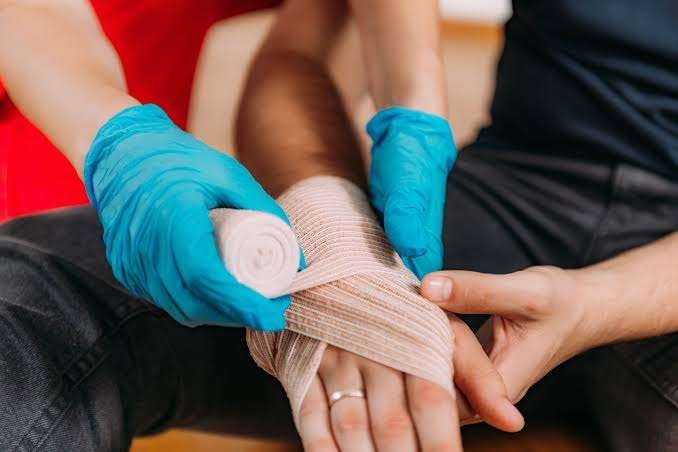
Protect the burn: After cooling, cover the area loosely with a clean, non-fluffy dressing or suitable clean covering. Avoid applying pressure.
Seek medical advice: Get professional medical assessment when the burn is serious, extensive, or affects a sensitive area. Do not delay emergency care while attempting first aid.
For children, these steps should be carried out by a responsible adult. A child should immediately tell a parent, teacher, or another trusted adult if someone has been burned.
5. When a Burn Requires Urgent Medical Attention
Not every burn has the same level of risk. Some injuries need immediate medical assessment, even when the affected area appears relatively small.
Urgent medical attention is important when:
– The burn appears deep or severe.
– The injury covers a large area.
– The face, hands, feet, joints, or sensitive areas are affected.
– The burn involves the eyes, mouth, or breathing passages.
– The injury is caused by electricity or chemicals.
– The person has difficulty breathing.
– The burn is associated with another serious injury.
– The affected person is a young child or medically vulnerable.
– There are signs of infection or worsening symptoms.
A person with a serious burn should not be left alone while help is being arranged. Emergency services or a qualified healthcare professional should provide further guidance.
Do not rely on home remedies or online advice when an injury may be serious.
6. First Aid Mistakes People Should Avoid
Incorrect treatment can make a burn worse or delay proper medical care. It is important to understand not only what helps but also what should be avoided.
Do Not Apply Ice
Ice can further damage injured skin. Cool running water is the preferred first-aid measure for cooling a thermal burn.
Do Not Use Toothpaste or Household Remedies
Toothpaste, butter, cooking oil, flour, and similar substances should not be applied to burns. They do not provide appropriate treatment and may contaminate the affected area.
Do Not Break Blisters
Blisters help protect the damaged skin underneath. Breaking them can increase the risk of infection and further injury.
Do Not Pull Away Stuck Clothing
Clothing or other material attached to burned skin should not be removed by force. Medical professionals can manage it safely.
Do Not Delay Medical Care
Serious burns require professional assessment. Trying several home treatments before seeking help can waste valuable time.
Do Not Touch Electrical Hazards
If a burn is associated with an electrical incident, never touch the affected person until the electrical danger has been managed by qualified responders. Contact emergency services and keep others away.
These precautions are important for families, schools, and workplaces. First aid should always support professional care rather than replace it.
7. Understanding Chemical Burn First Aid
Chemical burns need particular care because the harmful substance may continue damaging tissue.
If a chemical contacts the skin or eyes, the affected person should be moved away from the source when it is safe to do so. Emergency services or a poison information service, where available, should be contacted promptly.
For chemical exposure to the skin, general first-aid guidance often involves removing contaminated clothing when safe and rinsing the affected area with plenty of clean running water. The specific response can depend on the chemical involved, so professional guidance is essential.
If the eyes are exposed, urgent medical help is important. Do not rub the eyes or apply household products.
Children should never attempt to identify, neutralize, or clean up an unknown chemical. These situations must be handled by trained adults and professionals.
8. Electrical Burns Need Special Attention
Electrical burns can be particularly dangerous because the injury may extend beyond what is visible on the skin. Electrical current can also affect the heart and other internal systems.
If someone has suffered an electrical injury:
– Do not touch the person if they may still be in contact with electricity.
– Keep a safe distance from the electrical source.
– Contact emergency services immediately.
– Do not approach damaged wires or electrical equipment.
– Allow trained responders to manage the hazard.
– Follow professional medical instructions.
Even if the person appears well after an electrical incident, medical assessment may still be necessary.
Homes, schools, and workplaces should have electrical systems inspected and maintained by qualified professionals. Children should be taught never to touch exposed wires, damaged sockets, or electrical equipment that appears unsafe.
9. Burn Prevention Starts at Home
Many burn injuries can be prevented through awareness and responsible supervision.
The kitchen deserves particular attention because it contains hot liquids, cooking equipment, and heated surfaces. Adults should keep children away from active cooking areas and avoid leaving hot items where they can be easily reached.
Other useful household safety measures include:
– Keep matches and lighters out of children’s reach.
– Store chemicals and cleaning products securely.
– Use electrical appliances according to their instructions.
– Replace damaged electrical equipment through qualified professionals.
– Keep hot drinks and liquids away from the edges of tables.
– Avoid leaving cooking activities unattended.
– Make sure children understand basic fire safety rules.
Parents should explain household hazards in language children can understand. Rather than simply saying something is dangerous, adults can explain why children should stay away and whom they should ask for help.
10. The Importance of Fire Safety Equipment
Fire safety equipment supports prevention, early warning, and emergency preparedness. Homes, schools, commercial buildings, and industrial facilities should have suitable protection measures based on their risks and applicable safety requirements.
Important fire safety arrangements may include:
– Smoke detectors.
– Fire alarm systems.
– Suitable emergency exits.
– Emergency lighting.
– Clearly displayed evacuation information.
– Appropriate firefighting equipment.
– Regular professional inspections.
A fire alarm system in Pakistan can help occupants receive an early warning when smoke or fire is detected within a protected building. This warning can give people time to follow the building’s evacuation plan.
However, an alarm does not remove the need for responsible supervision or emergency planning. Occupants should know what to do when an alarm sounds and should never ignore it.
Fire alarm equipment should be selected, installed, tested, and maintained by qualified professionals. Children should not operate, adjust, or interfere with detectors and alarm controls.
11. Burn First Aid in Schools
Schools have a responsibility to maintain safe learning environments and prepare staff to respond to emergencies.
Burn risks may arise in kitchens, science laboratories, maintenance areas, electrical facilities, and other parts of a school. Students should be kept away from hazardous equipment unless an activity is specifically supervised and approved.
Schools can strengthen safety awareness through:
Staff training: Teachers and relevant staff should receive suitable first-aid and emergency-response training.
Safety education: Students should learn how to recognize hazards and report injuries to responsible adults.
Emergency arrangements: Schools should maintain clear procedures for contacting parents, medical professionals, and emergency services.
Accessible first-aid supplies: Suitable first-aid materials should be available and managed by trained staff.
Evacuation awareness: Students should understand what to do when a fire alarm sounds.
Children should not be expected to provide medical treatment to classmates. Their role is to alert a teacher or another responsible adult and follow instructions.
12. Burn Safety in Workplaces
Workplaces may contain heat-producing equipment, electrical systems, chemicals, and other potential sources of burns. Employers should identify these risks and establish suitable safety measures.
A workplace safety programme should include:
– Risk assessments.
– Staff awareness and training.
– Appropriate protective arrangements.
– Clear emergency procedures.
– Suitable first-aid facilities.
– Fire detection and alarm arrangements.
– Professional equipment inspections.
– Emergency contact information.
Employees should know how to report unsafe conditions and where to seek help after an injury.
Businesses should also make sure that staff understand the limits of basic first aid. Serious burns require professional medical treatment, and workers should not attempt procedures beyond their training.
13. Why First-Aid Training Is an Essential Investment
First-aid training is an investment in preparedness. It helps people understand how to recognize an emergency, provide appropriate initial assistance, and contact professional responders.
For families, learning basic first aid can improve awareness of household risks. For schools, training can help staff respond more confidently when a student or employee is injured. For businesses, it can support workplace safety and emergency planning.
Training should be delivered by qualified instructors and should reflect recognized first-aid guidance.
Useful training topics include:
– Recognizing different types of burns.
– Understanding when emergency medical care is required.
– Knowing which first-aid actions are appropriate.
– Avoiding harmful home remedies.
– Recognizing electrical and chemical hazards.
– Contacting emergency services.
– Supporting an injured person while waiting for help.
First-aid knowledge should be refreshed periodically because guidance, workplace risks, and individual responsibilities can change.
14. The Role of Families in Teaching Burn Safety
Families are often the first place where children learn about safety. Parents and guardians can introduce burn prevention through everyday conversations and consistent household rules.
Children should know that hot surfaces, boiling liquids, electrical equipment, chemicals, and open flames can cause serious injuries.
They should also understand that telling an adult about an accident is always the right decision. Children should never hide an injury because they are afraid of being blamed.
Parents can make safety education more effective by:
– Keeping hazardous materials secured.
– Supervising children around heat sources.
– Explaining why certain areas are restricted.
– Teaching children to report injuries immediately.
– Knowing how to contact emergency assistance.
– Making sure home fire safety arrangements are suitable.
A calm and supportive approach helps children understand safety without creating unnecessary fear.
15. Fire Safety Awareness in Pakistan
Fire safety awareness is important in Pakistani homes, schools, markets, offices, factories, and public buildings. Different environments may face different risks, but prevention, early warning, and emergency preparedness are valuable everywhere.
Families should pay attention to cooking safety, electrical hazards, safe storage of chemicals, and supervision around heat sources.
Building owners and managers should consider suitable fire protection arrangements, including alarms, emergency exits, and clear evacuation procedures. Qualified professionals should assess the building and recommend appropriate equipment.
A reliable fire alarm system in Pakistan can form part of a wider fire safety strategy. However, alarm equipment alone cannot prevent every incident or guarantee protection from injury.
Education is equally important. People should know how to respond to warnings, where to move during an evacuation, and when to seek medical help.
Communities can also improve awareness by encouraging responsible fire prevention practices and supporting access to recognized first-aid training.
16. Creating a Safer Environment Through Prevention
Burn first aid is important, but preventing injuries is always a priority. Families and organizations should regularly review their surroundings and identify hazards that could cause burns.
At home, this may involve reviewing kitchen safety, electrical equipment, and the storage of hazardous substances. In schools and workplaces, it may require formal safety assessments and professional inspections.
Fire protection equipment should be suitable for the building and its occupants. Emergency exits should remain accessible, and alarm systems should be maintained according to professional recommendations.
Children should receive clear safety messages, while adults should take responsibility for managing dangerous equipment and emergency arrangements.
A safer environment is created through a combination of awareness, responsible behaviour, suitable equipment, and professional support.
Conclusion
Burn first aid is an essential part of everyday safety awareness. Understanding common burn causes, recognizing serious injuries, and knowing which actions to avoid can help people respond more responsibly when an accident occurs.
The most important priorities are to move away from danger, provide appropriate initial care for minor thermal burns, and obtain urgent medical assistance when an injury is serious. Electrical and chemical burns require particular caution and professional guidance.
In Pakistan, families, schools, and workplaces can strengthen safety by combining first-aid education with effective fire prevention and emergency planning. Suitable alarms, clear evacuation routes, professional equipment maintenance, and regular training a