Weddings, family celebrations, corporate functions, exhibitions, and community gatherings are important parts of life in Pakistan. These events bring people together to celebrate special occasions, share memorable experiences, and enjoy time with friends and family. However, organizing a successful event involves more than choosing a venue, arranging decorations, preparing food, and managing entertainment. Safety must also be a priority.
Large gatherings can create additional fire risks because they often involve temporary decorations, electrical equipment, lighting systems, cooking arrangements, sound equipment, and crowded spaces. If safety planning is overlooked, a small problem can become a serious emergency, particularly when people are unfamiliar with the venue’s exits and emergency arrangements.
Wedding and event fire safety focuses on preventing avoidable hazards, preparing suitable emergency arrangements, and protecting guests, workers, performers, and venue staff. It should be considered during the planning stage rather than after the venue has been decorated.
For event organizers in Pakistan, understanding basic fire safety principles can help create safer celebrations. This guide explains common fire risks, venue responsibilities, emergency planning, equipment requirements, and practical steps for organizing events with safety in mind.
Why Fire Safety Matters at Weddings and Events
Events often bring many people into one location for a limited period. Unlike permanent building occupants, guests may not know where emergency exits are located or how to respond if an alarm sounds.
Decorations, temporary electrical installations, catering equipment, and entertainment arrangements can also introduce hazards that require careful management.
Fire safety is important because it helps:
– Protect guests, employees, performers, and service providers.
– Reduce avoidable fire hazards.
– Support safe movement during an emergency.
– Protect the venue and surrounding property.
– Help organizers meet relevant safety responsibilities.
– Improve confidence among venue owners and event planners.
A safe event is not simply one where no emergency occurs. It is one where organizers have considered possible risks and made appropriate arrangements to protect everyone attending.
Common Fire Risks at Weddings and Events
Understanding common hazards is the first step toward better event safety. Different venues have different risks, but several concerns appear frequently at celebrations and public gatherings.
1. Decorative Materials
<AsyncImage query=”wedding event hall decorated with floral arrangements fabric drapes and stage decorations” aspectRatio=”16:9″ width=”100%”/>Wedding venues often use decorative fabrics, artificial flowers, paper ornaments, curtains, banners, and other materials to create an attractive environment.
Some decorative materials can burn easily, particularly when placed close to heat sources or unsuitable electrical equipment. Large decorative installations may also obstruct emergency exits, signs, or access to fire safety equipment.
Organizers should select materials suitable for the venue and keep decorations away from potential ignition sources. Decorations should never block corridors, stairways, emergency doors, or alarm devices.
2. Electrical Equipment and Lighting
<AsyncImage query=”professional wedding event stage lighting and electrical audio visual equipment” aspectRatio=”16:9″ width=”100%”/>Modern events may use stage lighting, sound systems, LED displays, projectors, decorative lights, and temporary electrical installations.
Poor-quality equipment, damaged cables, overloaded electrical arrangements, and unqualified installation work can increase fire risks.
All temporary electrical installations should be handled by qualified professionals. Organizers should make sure that equipment is suitable for the venue and that damaged electrical items are not used.
3. Catering and Cooking Areas
<AsyncImage query=”professional wedding banquet catering buffet kitchen serving area” aspectRatio=”16:9″ width=”100%”/>Food preparation is an important part of many Pakistani weddings and events. Catering areas may contain cooking appliances, heating equipment, electrical devices, and other potential hazards.
Cooking arrangements should be placed in designated areas with suitable ventilation and appropriate safety controls. Catering staff should understand the venue’s emergency procedures and know how to report unsafe conditions.
Guests should not be allowed to enter restricted kitchen or food preparation areas without authorization.
4. Candles and Decorative Flames
Some events use candles or decorative flame effects to create a particular atmosphere. These items may introduce additional fire risks, especially around fabrics, flowers, paper decorations, and crowded tables.
Organizers should consider safer alternatives, such as suitable battery-operated decorative lighting. Any permitted flame-related feature should be assessed and managed by competent professionals in accordance with venue rules and applicable requirements.
5. Crowded Venues
<AsyncImage query=”large wedding reception hall with round banquet tables and guests seating arrangement” aspectRatio=”16:9″ width=”100%”/>A crowded venue can make emergency movement difficult if seating, decorations, or temporary structures obstruct access routes.
Event organizers should consider the venue’s approved capacity and avoid overcrowding. Walkways, corridors, stairways, and exits must remain clear throughout the event.
Guests should also be able to identify exit signs without confusion.
6. Temporary Structures and Stage Installations
Outdoor events may use temporary stages, canopies, tents, decorative arches, platforms, and display structures.
These installations should be suitable for their intended use and arranged by competent providers. Their placement should not obstruct emergency vehicle access, building exits, or designated evacuation routes.
The venue and event team should assess how temporary structures affect movement and emergency access.
Planning Fire Safety Before the Event
Fire safety planning should begin before decorations, equipment, and guests arrive. Early planning gives organizers more time to identify concerns and arrange suitable professional support.
Conduct a Venue Safety Assessment
Before confirming an event venue, organizers should understand its basic fire safety arrangements.
Important considerations include:
– The number of available emergency exits.
– Clearly marked escape routes.
– The building’s approved occupancy capacity.
– The location of fire alarm devices.
– The availability and condition of fire safety equipment.
– Emergency lighting arrangements.
– Access for emergency responders.
– Suitable arrangements for guests who need additional assistance.
If the venue has unresolved safety concerns, organizers should discuss them with management and qualified fire safety professionals before proceeding.
Understand the Venue Layout
Event planners should become familiar with the building layout, including entrances, exits, staircases, corridors, catering areas, and designated gathering locations.
This information should be shared with relevant staff so they can guide guests if an emergency occurs.
For larger events, a simple venue safety plan can help organizers coordinate responsibilities and communicate important information.
Work With Qualified Suppliers
Event suppliers may provide stage lighting, sound equipment, electrical installations, catering facilities, temporary structures, and decorations.
Organizers should choose experienced suppliers who understand their responsibilities and follow appropriate safety requirements.
The event team should not allow unqualified individuals to make electrical changes or modify building fire protection systems.
The Importance of Fire Alarm Systems at Events
<AsyncImage query=”commercial venue fire alarm system control panel smoke detector and manual call point” aspectRatio=”16:9″ width=”100%”/>A fire alarm system plays an important role in building safety by providing warnings when signs of fire are detected or when an alarm is manually activated.
At wedding halls, banquet venues, hotels, exhibition centres, and other event locations, early warning can help people begin evacuation sooner.
Depending on the building, a fire alarm system may include:
– Smoke detectors.
– Heat detectors.
– Manual call points.
– Audible alarm sounders.
– Visual warning devices.
– A central control panel.
– Backup power arrangements.
A suitable fire alarm system in Pakistan should be selected according to the building’s size, layout, occupancy, and potential hazards.
For event organizers, it is important to confirm that the venue’s fire alarm arrangements are maintained and that temporary event installations do not cover, disconnect, or obstruct any detection or warning devices.
Organizers should never disable an alarm system simply because an event includes loud music, special effects, or decorative arrangements. Any concerns about compatibility should be addressed by qualified professionals before the event begins.
Essential Fire Safety Equipment for Event Venues
Different venues require different types of fire protection equipment. The correct selection depends on the building, its occupancy, potential hazards, and applicable safety requirements.
1. Fire Extinguishers
<AsyncImage query=”red portable fire extinguishers mounted on wall in event venue corridor” aspectRatio=”16:9″ width=”100%”/>Fire extinguishers are designed for specific categories of fire. They should be selected according to the risks present at the venue.
Important considerations include:
– Suitable equipment for the identified hazards.
– Clearly visible locations.
– Unblocked access.
– Appropriate inspection and servicing.
– Staff awareness of equipment locations.
Only trained and authorized people should attempt to use extinguishers, and evacuation must remain the priority whenever a fire creates danger.
2. Emergency Exit Signs
<AsyncImage query=”illuminated green emergency exit sign above commercial building exit door” aspectRatio=”16:9″ width=”100%”/>Exit signs help guests and staff identify escape routes. They are particularly important in large halls, hotels, banquet venues, and exhibition spaces.
Signs should remain visible and should not be hidden by banners, stage decorations, temporary walls, or lighting equipment.
3. Emergency Lighting
Emergency lighting supports safe movement when normal lighting is interrupted. It can help people identify corridors, stairways, and exit routes during an emergency.
Venue management should arrange professional inspection and testing according to manufacturer instructions and applicable requirements.
4. Smoke Detection Equipment
Smoke detectors provide early warning when smoke is detected in protected areas. Their suitability and placement depend on the building’s design and the installed fire protection system.
Event decorations should never cover detectors or interfere with their operation.
5. Sprinkler Systems
Some large venues use automatic sprinkler systems as part of their fire protection arrangements.
Sprinkler heads should remain unobstructed and should not be covered by decorations, temporary ceilings, or other installations.
Any changes to the protected area should be assessed by qualified fire protection professionals.
Safe Decoration and Stage Arrangements
Decorations and stage installations are important parts of event design, but they should never compromise safety.
Organizers can reduce avoidable risks by following these general principles:
– Select suitable decorative materials.
– Keep decorations away from electrical equipment and other heat sources.
– Avoid covering smoke detectors, alarm devices, and sprinklers.
– Keep exit signs visible.
– Ensure that decorative structures do not block corridors or emergency doors.
– Have stage and lighting installations assessed by qualified suppliers.
– Remove unnecessary packaging and waste from event areas.
A visually attractive venue can also be a safe venue when decoration and safety planning are considered together.
Managing Outdoor Weddings and Events
<AsyncImage query=”outdoor wedding event marquee tent with seating stage and decorative lighting” aspectRatio=”16:9″ width=”100%”/>Outdoor weddings and events are popular in many parts of Pakistan. Lawns, gardens, open grounds, and temporary marquees provide flexibility, but they also require appropriate planning.
Organizers should consider the following factors:
Maintain Clear Routes
Guests and staff should have clear routes away from the event area. Temporary seating, stages, cables, and decorative structures should not obstruct access.
Plan for Temporary Electrical Installations
Outdoor lighting and sound systems may depend on temporary electrical arrangements. These should be installed and assessed by qualified professionals.
Manage Catering Areas
Cooking and food preparation should take place in designated areas away from crowded guest spaces and unsuitable combustible materials.
Consider Weather Conditions
Wind, rain, heat, and other weather conditions may affect temporary structures and electrical equipment. Suppliers and venue managers should assess whether the setup remains suitable.
Maintain Emergency Access
Emergency responders should be able to reach the venue. Vehicles, temporary structures, and guest parking should not block designated access routes.
Staff Training and Emergency Responsibilities
Even a well-equipped venue needs people who understand what to do during an emergency.
Staff training should cover basic fire awareness, emergency communication, evacuation procedures, and reporting responsibilities.
Different team members may have different roles.
Event Managers
Event managers should coordinate with venue management, suppliers, and staff to ensure that safety arrangements are considered throughout the event.
Security Staff
Security personnel should understand emergency exits, evacuation routes, and procedures for directing people away from danger.
Catering Staff
Catering teams should know the venue’s safety rules and understand how to report concerns in food preparation areas.
Technical Staff
Lighting, sound, and stage teams should follow approved installation arrangements and report damaged equipment or unsafe conditions.
Guest Support Staff
Staff responsible for assisting guests should understand how to support children, older people, and individuals who may need additional assistance during evacuation.
Technical firefighting and equipment servicing should remain the responsibility of appropriately trained professionals.
Creating an Emergency Evacuation Plan
An evacuation plan explains how people should leave a building or event area when an emergency occurs.
For weddings and large gatherings, the plan should be prepared before the event and shared with relevant staff.
A suitable plan should include:
1. Clearly identified emergency exits.
2. Accessible evacuation routes.
3. A designated outdoor assembly area.
4. Staff responsibilities during evacuation.
5. Arrangements for guests who need assistance.
6. Emergency contact information.
7. A method for communicating important instructions.
If an alarm sounds or smoke or flames are noticed, guests should follow venue instructions, leave through a safe exit, and move away from the building.
People should not return to collect personal belongings. Organizers should not allow anyone to re-enter until emergency responders or the responsible authorities confirm that it is safe.
What to Do If a Fire Occurs During an Event
A fire during a wedding or public gathering can create confusion because many guests may be unfamiliar with the venue.
The safest response is to prioritize evacuation and follow the venue’s emergency plan.
General safety principles include:
– Alert nearby people and activate the alarm if it is safe and appropriate.
– Follow instructions from venue staff and emergency responders.
– Leave through the nearest safe exit.
– Avoid elevators during a fire emergency.
– Help children and guests who need assistance when it is safe to do so.
– Move to the designated assembly area.
– Contact local emergency services.
– Do not return inside until authorities confirm that it is safe.
Staff should avoid creating confusion by giving conflicting instructions. Clear communication and a calm, organized response can help people move toward safety.
Wedding and Event Fire Safety in Pakistan
Pakistan hosts a wide range of events, from small family gatherings to large wedding receptions, corporate functions, religious gatherings, and exhibitions.
Venues may include hotels, marquees, banquet halls, community centres, restaurants, and outdoor locations. Each type of venue has different safety considerations.
Several factors deserve particular attention.
High Guest Numbers
Large gatherings can make evacuation more challenging. Organizers should understand the venue’s approved capacity and avoid overcrowding.
Seasonal Weather
Outdoor events may take place in hot, humid, windy, or rainy conditions. Weather can affect temporary structures, electrical arrangements, and guest comfort.
Electrical and Lighting Arrangements
Decorative lighting and stage equipment should be installed by qualified professionals. Poor-quality or damaged equipment should not be used.
Venue Management
Event organizers should coordinate with venue management to understand fire protection arrangements and emergency responsibilities.
Local Emergency Arrangements
Organizers should identify the appropriate emergency contact arrangements for the venue’s location. In many areas of Pakistan, Rescue 1122 provides emergency response services, but availability and procedures may vary by location.
Common Event Fire Safety Mistakes to Avoid
Some mistakes occur because event planning focuses heavily on appearance, entertainment, and guest experience while overlooking emergency arrangements.
Avoid these common problems:
Blocking Emergency Exits
Decorations, furniture, equipment, and temporary structures should never block emergency exits or escape routes.
Ignoring Fire Alarm Devices
Smoke detectors, manual call points, and other alarm devices must remain visible and unobstructed.
Overloading Electrical Arrangements
Temporary electrical installations should be assessed by qualified professionals. Organizers should not rely on unsuitable connections or damaged equipment.
Overcrowding the Venue
The number of guests should remain within the venue’s approved capacity.
Failing to Brief Staff
Employees and suppliers should know their responsibilities and understand the venue’s emergency arrangements.
Treating Fire Extinguishers as Decorations
Extinguishers should remain accessible and properly maintained. They should never be hidden behind furniture, curtains, or decorative installations.
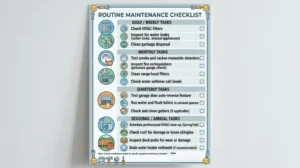
Building a Fire Safety Checklist for Event Organizers
A simple checklist can help organizers review important safety arrangements before guests arrive.
Before the event:
– Confirm the venue’s fire safety arrangements.
– Review emergency exits and evacuation routes.
– Check that suitable fire protection equipment is available.
– Confirm that alarm and detection devices are unobstructed.
– Arrange qualified installation of temporary electrical equipment.
– Review the venue’s approved occupancy capacity.
– Identify emergency contact arrangements.
During setup:
– Keep decorations away from fire protection devices.
– Ensure corridors and exits remain clear.
– Check that temporary structures do not obstruct emergency access.
– Coordinate with catering and technical suppliers.
– Make