Fire safety is an essential responsibility for every home, workplace, school, factory, hospital, and commercial building. Although fire protection equipment and alarm systems play an important role in reducing risks, equipment alone cannot guarantee a safe environment. People must also understand how to recognise potential hazards, respond to emergency warnings, and follow suitable safety procedures.
This is where fire safety training becomes important. It provides individuals with the knowledge and awareness needed to prevent common fire hazards and respond responsibly when an emergency occurs. Proper training also helps organisations develop a stronger safety culture and improve their emergency preparedness.
In Pakistan, buildings have different fire safety requirements depending on their size, purpose, occupancy, and activities. Offices, residential properties, educational institutions, shopping centres, warehouses, and industrial facilities all need suitable safety arrangements. Employees, residents, and visitors should understand the basic procedures relevant to their environment.
Fire safety training is not only about learning how fire protection equipment works. It also involves understanding evacuation plans, recognising alarm signals, reporting hazards, and knowing when to contact emergency services.
This article explains the importance of fire safety training, its main benefits, different training areas, and the relationship between employee awareness and a suitable fire alarm system in Pakistan.
What Is Fire Safety Training?
Fire safety training is an organised learning process that teaches people how to recognise fire hazards, understand preventive measures, and respond appropriately to emergencies.
It can be provided to employees, students, residents, contractors, security personnel, and other building occupants.
The training content depends on the environment and the responsibilities of the participants. For example, office employees may need to understand workplace evacuation procedures, while factory workers may require awareness of hazards associated with their particular working environment.
Common fire safety training topics include:
– Recognising common fire hazards.
– Understanding fire prevention practices.
– Identifying fire alarm signals.
– Learning emergency evacuation procedures.
– Understanding the purpose of fire protection equipment.
– Keeping emergency exits accessible.
– Reporting unsafe conditions.
– Understanding designated assembly arrangements.
– Knowing when and how to contact emergency services.
The main objective is to help people make informed safety decisions rather than depend on assumptions during an emergency.
Why Is Fire Safety Training Important in Pakistan?
Pakistan has a wide variety of residential, commercial, and industrial properties. Each building may contain different hazards and require different emergency arrangements.
Electrical equipment, cooking activities, heating systems, machinery, storage materials, and other workplace activities can contribute to fire risks.
Even when a building has suitable protection equipment, occupants may not know how to respond if they have never received proper safety information.
Fire safety training helps address this problem by improving awareness and encouraging responsible behaviour.
It is particularly important for the following reasons:
Protects people: Training helps occupants understand how to recognise warnings and follow evacuation instructions.
Improves hazard awareness: Participants learn to identify common conditions that may create fire risks.
Supports emergency planning: Employees and residents become more familiar with their responsibilities.
Encourages prevention: People are more likely to report unsafe conditions when they understand their importance.
Improves communication: Training helps establish clear expectations between management, employees, and other occupants.
Supports business continuity: Better preparation can help organisations manage emergencies and reduce avoidable disruption.
Fire safety training should be treated as an ongoing responsibility rather than a one-time activity.
Major Benefits of Fire Safety Training
A well-organised training programme can improve safety awareness across an entire organisation. Its benefits extend beyond emergency response and support everyday workplace management.
1. Improves Knowledge of Fire Hazards
Many fire hazards are connected to ordinary activities. Electrical equipment, kitchen appliances, heating devices, combustible storage, and poor housekeeping can all create safety concerns.
Training helps people understand these risks and recognise when something requires attention.
For example, employees may learn to report damaged electrical equipment, avoid obstructing emergency exits, and follow workplace safety policies.
Better knowledge encourages people to take preventive measures before a problem becomes serious.
2. Builds Confidence During Emergencies
People who are unfamiliar with emergency procedures may feel uncertain when an alarm sounds.
They may not know which exit to use, where to assemble, or whom to follow.
Fire safety training introduces these procedures in advance. It helps participants understand what is expected of them and reduces confusion about their responsibilities.
Confidence should come from knowing and following the safety plan, not from attempting actions beyond one’s training.
3. Encourages Faster Recognition of Warning Signals
Early warning is an important part of fire protection. However, an alarm is only useful when occupants understand what it means.
Training helps employees and residents recognise audible and visual alarm signals and understand that they must follow the building’s emergency instructions.
This is particularly important in large commercial buildings where occupants may work on different floors or in separate departments.
4. Strengthens Workplace Safety Culture
A strong safety culture develops when people take responsibility for maintaining a safe environment.
Fire safety training encourages employees to report hazards, participate in drills, and follow established procedures.
It also helps managers communicate that safety is a shared responsibility.
When employees understand why safety rules exist, they may be more willing to follow them consistently.
5. Improves Emergency Coordination
An emergency may involve employees, visitors, contractors, security personnel, and building management.
Training helps relevant people understand their responsibilities and how they should communicate.
Clear coordination is particularly important in hospitals, factories, shopping centres, and high-rise buildings where evacuation arrangements may be more complex.
6. Helps Protect Property and Business Operations
Fire incidents can interrupt business activities, damage equipment, and affect important records.
Although training cannot eliminate every risk, it can improve prevention and emergency awareness.
Organisations may also include fire safety responsibilities in wider business continuity planning.
Different Types of Fire Safety Training
Fire safety training should be suitable for the participants and the environment in which they work or live.
Different organisations may require different training arrangements.
1. Basic Fire Awareness Training
Basic awareness training introduces participants to common fire hazards and general prevention principles.
It may cover:
– Common workplace and household fire risks.
– The importance of good housekeeping.
– Electrical safety awareness.
– Safe use of workplace facilities.
– Recognising alarm signals.
– Reporting potential hazards.
– Understanding emergency instructions.
This type of training is useful for employees, residents, students, and other building occupants.
2. Emergency Evacuation Training
Evacuation training explains how occupants should respond when an emergency warning is issued.
Participants learn about designated escape routes, emergency exits, assembly points, and relevant building procedures.
Training should also consider visitors and people who may require additional assistance.
The exact arrangements should follow the building’s emergency plan and applicable requirements.
3. Fire Drill Training
Fire drills allow people to practise the procedures explained during training.
They help organisations assess whether employees understand alarm signals, evacuation instructions, and assembly arrangements.
Drills can also reveal problems involving unclear signs, inaccessible routes, or communication gaps.
After an exercise, management should review the results and make suitable improvements.
4. Fire Equipment Awareness
Employees may receive general information about the purpose of fire protection equipment installed in their building.
This may include fire alarms, smoke detectors, extinguishers, emergency lighting, and other safety provisions.
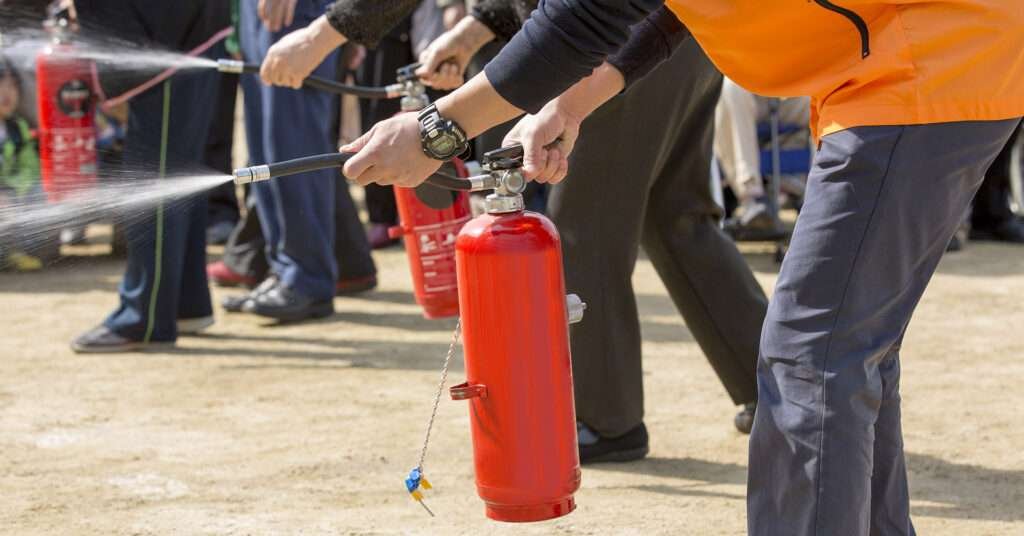
Any practical equipment training must be suitable for the participant’s role and delivered by appropriately qualified instructors.
People without suitable training should prioritise evacuation and emergency assistance rather than attempting to control a fire.
5. Management and Safety Coordinator Training
Managers and designated safety personnel may require additional training related to workplace responsibilities.
This can include emergency planning, communication, staff awareness, record keeping, and coordination with qualified professionals.
The purpose is to help organisations maintain effective fire safety arrangements.
The Role of Fire Alarm Systems in Fire Safety Training
Fire alarm systems are important because they provide warnings when recognised fire-related conditions are detected or when an alarm is manually activated.
However, installing an alarm system is only one part of a complete fire safety programme.
People must understand what the alarm means and how to respond when it activates.
A suitable fire alarm system in Pakistan may include different components depending on the building’s design and requirements.
Common components include:
– Smoke detectors.
– Heat detectors.
– Manual call points.
– Audible alarm sounders.
– Visual notification devices.
– A fire alarm control panel.
– Appropriate power arrangements.
– Monitoring facilities where required.
The exact configuration should be determined through a professional assessment.
Training helps occupants understand the purpose of alarm signals, recognise the building’s warning arrangements, and follow established evacuation procedures.
For example, office employees should know the relevant evacuation instructions for their workplace. Students should understand how to follow directions from responsible school staff. Residents should become familiar with their building’s emergency arrangements.
A fire alarm system in Pakistan should therefore be supported by suitable installation, professional maintenance, and regular awareness activities.
Fire Safety Training in Offices
Offices may contain computers, printers, electrical appliances, furniture, documents, and kitchen facilities. These everyday items can contribute to fire risks if safety arrangements are neglected.
Office fire safety training should help employees understand their responsibilities.
Important training topics include:
Electrical awareness: Employees should understand the importance of reporting damaged equipment and avoiding unauthorised electrical repairs.
Housekeeping: Staff should keep work areas organised and avoid blocking emergency exits.
Alarm awareness: Employees should understand the meaning of workplace alarm signals.
Evacuation procedures: Everyone should know the designated exits and assembly arrangements.
Visitor awareness: Staff should understand how visitors receive emergency instructions.
Hazard reporting: Employees should know whom to contact when they identify unsafe conditions.
New employees should receive relevant safety information during induction. Existing employees should also receive updates when workplace procedures change.
Fire Safety Training in Schools and Educational Institutions
Schools and colleges have important responsibilities because their buildings may contain large numbers of students, teachers, and visitors.
Children and young students may not understand emergency procedures unless they receive appropriate guidance.
Fire safety education should be simple, clear, and suitable for different age groups.
Students should learn to:
– Recognise the school’s alarm signal.
– Listen to teachers and responsible staff.
– Follow designated evacuation instructions.
– Understand the school’s assembly arrangements.
– Stay away from hazardous equipment.
– Avoid returning to the building during an emergency.
Teachers and administrative staff should also understand their responsibilities under the institution’s emergency plan.
School management should organise appropriate awareness sessions and supervised drills according to relevant requirements.
Fire Safety Training in Factories and Industrial Facilities
Factories and industrial buildings may contain machinery, electrical equipment, storage materials, production areas, and other specialised hazards.
Workers need training that reflects their actual working environment.
A general awareness session may not be sufficient for a complex industrial facility. Training should be developed with input from competent safety professionals and should consider the site’s risk assessment.
Important areas may include:
Hazard recognition: Employees should understand the common fire-related risks associated with their work environment.
Alarm awareness: Workers should know how emergency warnings are communicated.
Evacuation procedures: Employees should understand the approved escape routes and assembly arrangements.
Contractor information: Temporary workers and contractors should receive relevant safety instructions.
Reporting responsibilities: Workers should know how to report unsafe conditions.
Management coordination: Supervisors and safety personnel should understand their assigned emergency responsibilities.
Industrial organisations should regularly review training needs when work activities, equipment, or building layouts change.
Fire Safety Training in Hospitals and Healthcare Facilities
Hospitals require careful emergency planning because patients may have different medical and mobility requirements.
Healthcare facilities may include patient rooms, laboratories, kitchens, storage areas, offices, and public waiting spaces.
Fire safety training should reflect these different environments.
Healthcare staff may need to understand:
– Alarm signals and emergency communication.
– Their responsibilities under the hospital’s emergency plan.
– Patient assistance arrangements.
– Visitor information procedures.
– Departmental coordination.
– Emergency evacuation instructions.
– Relevant reporting procedures.
Training should be developed with appropriate professional input and should consider patient care responsibilities.
The Importance of Fire Drills in Training Programmes
Fire drills are an important way to reinforce fire safety training.
People may understand emergency instructions during a classroom session but still be unfamiliar with how those procedures work in their actual building.
A drill allows occupants to practise the approved evacuation arrangements in a planned environment.
It can help management review:
– Whether participants recognise alarm signals.
– Whether evacuation instructions are clear.
– Whether designated exits remain accessible.
– Whether visitors are included in the arrangements.
– Whether assembly procedures are understood.
– Whether people requiring assistance have been considered.
– Whether communication responsibilities are clear.
Fire drills should be organised by responsible personnel and should follow an appropriate plan.
Their purpose is to improve preparedness, not to encourage unsafe competition or unnecessary urgency.
Common Fire Safety Training Mistakes
Even organisations that arrange training may overlook important details.
1. Treating Training as a One-Time Activity
Fire safety awareness should not be limited to a single session.
Employees may forget information, new workers may join, and building procedures may change.
Organisations should review training needs regularly.
2. Providing the Same Training to Everyone
Different workplaces have different hazards and responsibilities.
A hospital, school, office, and factory may require different training content.
Training should be relevant to the participants and their environment.
3. Ignoring New Employees
New employees may not understand the building’s alarm signals, exits, or assembly arrangements.
They should receive appropriate safety information before being expected to follow workplace procedures independently.
4. Failing to Review Fire Drills
A drill provides useful information only when its results are considered.
Management should record relevant observations and address problems identified during the exercise.
5. Overlooking Visitors and Contractors
Emergency information should not be limited to permanent employees.
Organisations should consider how visitors and contractors receive instructions and assistance.
6. Depending Only on Equipment
Fire alarms and other protective equipment are important, but they cannot replace informed occupants and suitable emergency planning.
Training, equipment maintenance, and evacuation arrangements should work together.
How to Develop an Effective Fire Safety Training Programme
A successful training programme should be organised around the building’s actual requirements.
The following steps can help organisations develop a more structured approach.
Step 1: Understand the Building’s Risks
Begin by reviewing the building’s layout, occupancy, activities, and potential hazards.
A professional fire risk assessment can help identify the areas that require attention.
Step 2: Identify Training Requirements
Different participants may need different levels of information.
For example, general employees may need basic awareness and evacuation training, while designated safety personnel may require additional instruction related to their responsibilities.
Step 3: Select Qualified Training Support
Organisations should seek appropriately qualified instructors when specialist knowledge or practical training is required.
Training should reflect recognised guidance and relevant local requirements.
Step 4: Communicate Emergency Procedures
Participants should receive clear information about alarm signals, exits, assembly arrangements, and reporting responsibilities.
Instructions should be accessible and understandable.
Step 5: Organise Suitable Drills
Planned exercises help reinforce learning and provide an opportunity to review emergency arrangements.
The schedule should reflect the building’s risk assessment and applicable requirements.
Step 6: Review and Improve
Management should collect feedback, record important findings, and update procedures when necessary.
Continuous improvement helps keep training relevant.
The Importance of Professional Fire Safety Equipment Maintenance
Fire safety training and equipment maintenance are closely connected.
Employees may understand emergency procedures, but safety equipment must also remain suitable and functional.
Organisations should arrange appropriate professional inspection and maintenance of:
– Fire detection and alarm systems.
– Smoke and heat detectors.
– Alarm notification devices.
– Emergency lighting.
– Fire extinguishers.
– Fire doors and other relevant safety provisions.
The required inspection and maintenance arrangements depend on the equipment, manufacturer recommendation