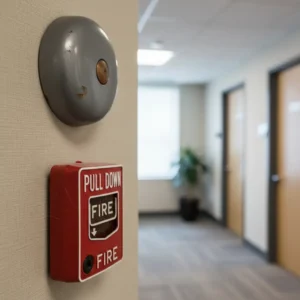
Children are naturally curious and often explore their surroundings without fully understanding potential dangers. At home, school, daycare centres, shopping malls, and other public places, they may encounter electrical appliances, cooking equipment, heating devices, and other possible sources of fire. This makes fire safety education and suitable protective equipment especially important.
Buying fire safety products for children requires more consideration than simply choosing an affordable item. Parents, teachers, school administrators, and childcare providers should look for equipment that is suitable for the environment, easy to understand, properly certified where applicable, and maintained according to professional recommendations.
Fire safety products can include smoke detectors, fire alarms, emergency lights, exit signs, fire blankets, and appropriate fire extinguishers. However, equipment alone cannot guarantee children’s safety. Adults must also establish clear emergency procedures, supervise children, and teach them how to respond when they hear an alarm.
In Pakistan, growing residential communities, schools, apartment buildings, and commercial facilities make fire safety awareness increasingly important. A properly selected fire alarm system in Pakistan can support early warning and help occupants respond to emergencies.
This guide explains what to check before buying fire safety products for kids, which features matter most, how to evaluate suppliers, and how families and educational institutions can create safer environments.
1. Understand the Fire Safety Needs of Children
The first step is to understand where children spend their time and what types of risks may exist in those environments. A product suitable for a family home may not be sufficient for a large school or childcare facility.
Children may have difficulty recognising dangerous situations, understanding alarm sounds, or finding the safest exit without adult guidance. Some may also become frightened during an emergency.
Before purchasing equipment, consider:
– The age range of the children.
– The size and layout of the building.
– The number of rooms and occupied areas.
– The location of kitchens and electrical equipment.
– The available emergency exits.
– Whether children have mobility, hearing, or other accessibility needs.
– The number of adults available to supervise and assist.
These details help determine which fire protection products and emergency arrangements are appropriate.
2. Check Product Quality and Applicable Standards
Product quality should be one of the main considerations when buying fire safety equipment. Poor-quality products may not perform as expected when they are needed.
Buyers should check whether equipment has been tested or certified under relevant recognised standards. Requirements vary depending on the type of product, so it is important to review the documentation for each item.
For example:
– Smoke detectors should have suitable testing and compliance information.
– Fire alarm components should be compatible with the intended system.
– Fire extinguishers should meet applicable safety and manufacturing requirements.
– Emergency lighting should be appropriate for the building and its evacuation arrangements.
– Fire blankets should come with clear manufacturer information and instructions.
Do not rely only on packaging claims or promotional language. Ask the supplier for technical specifications, certification details, warranty information, and maintenance guidance.
For schools and other institutions, purchasing decisions should also consider relevant building regulations and fire safety requirements.
3. Choose Age-Appropriate Fire Safety Products
Children of different ages have different levels of understanding. A fire safety product or educational resource should be suitable for the children who will use or learn about it.
For younger children, simple illustrations, clear symbols, and short instructions can help explain basic safety concepts. Older children may be able to understand more detailed evacuation information and participate in supervised fire drills.
Consider the following:
For Preschool Children
– Use simple fire safety posters.
– Teach them to recognise an alarm.
– Explain that they must follow their teacher or caregiver.
– Use clear pictures to identify emergency exits.
– Practise moving calmly with adult supervision.
For Primary School Children
– Display easy-to-understand evacuation signs.
– Explain the difference between normal sounds and an emergency alarm.
– Teach them to leave belongings behind during an evacuation.
– Help them identify safe assembly points.
– Conduct age-appropriate fire drills.
For Older Students
– Explain the purpose of smoke detectors and alarm systems.
– Discuss why emergency exits must remain clear.
– Teach them how to report a fire or suspicious smoke to an adult.
– Encourage responsible behaviour around electrical and heating equipment.
Children should never be expected to operate firefighting equipment or manage an emergency without adult supervision.
4. Look for Reliable Smoke Detectors
Smoke detectors are an important part of a building’s fire protection arrangements. They are designed to identify smoke and provide an early warning so occupants can respond.
When buying smoke detectors, check the following features:
Detection technology: Different detectors use different technologies. Select a type recommended for the building’s environment and intended location.
Alarm sound: The warning should be suitable for the environment and audible to the people who need to respond.
Power supply: Check whether the detector uses replaceable batteries, sealed batteries, or a mains-powered arrangement with backup.
Maintenance requirements: Review how the detector should be tested, cleaned, and maintained.
Product documentation: Look for clear installation instructions, manufacturer details, and applicable compliance information.
Smoke detectors should be installed in suitable locations according to manufacturer guidance and the building’s fire safety design. A qualified professional can help determine the correct arrangement.
5. Evaluate the Fire Alarm System
A fire alarm system can help alert people when smoke, heat, or another monitored condition indicates a possible fire. In places where children are present, reliable warning arrangements are particularly important because children may depend on adults to guide them to safety.
Before buying a system, consider:
– The size and layout of the building.
– The number of rooms requiring protection.
– The type and quantity of detection devices.
– The location of alarm sounders and visual warning devices.
– The control panel and system compatibility.
– Backup power arrangements.
– Professional installation requirements.
– Inspection and maintenance support.
A fire alarm system in Pakistan should be selected according to the building’s needs rather than price alone. Homes, schools, childcare centres, and commercial buildings may require different designs.
For buildings that accommodate children with hearing difficulties, visual warning devices may also be important. The overall design should ensure that warnings can reach people in the areas they occupy.
6. Check Fire Extinguisher Suitability
Fire extinguishers are used by trained and authorised people to respond to certain types of fires when it is safe and appropriate to do so. They are not toys or teaching tools for children to operate.
Before purchasing an extinguisher, check:
– The fire classes it is designed to address.
– Its size and suitability for the building.
– The manufacturer’s instructions.
– The product’s approval or compliance information.
– Its inspection and servicing requirements.
– Whether the supplier provides maintenance support.
Different extinguishers are designed for different fire risks. A qualified fire safety professional should assess the building and recommend suitable equipment.
Extinguishers should be positioned where responsible adults can access them without obstructing escape routes. Children should be taught to move away from danger and inform an adult rather than attempt to use an extinguisher.
7. Consider Fire Blankets for Suitable Locations
Fire blankets may form part of a building’s fire protection arrangements, particularly in suitable kitchen or food preparation environments. They should be selected according to their intended application and manufacturer guidance.
Before buying one, check:
– The manufacturer’s specifications.
– The intended use and limitations.
– Relevant product testing or compliance information.
– The storage container and accessibility.
– Clear instructions for responsible adult users.
– The recommended inspection or replacement arrangements.
A fire blanket should not be treated as a general solution for every type of fire. Children should never be encouraged to handle one during an emergency.
In schools and childcare facilities, staff should receive appropriate training and understand when equipment should not be used.
8. Check Emergency Lighting and Exit Signs
Children may find it difficult to navigate unfamiliar buildings, especially when normal lighting is unavailable. Emergency lighting and clearly visible exit signs help occupants identify evacuation routes.
When buying these products, check:
– Visibility from relevant areas.
– Suitability for the building layout.
– Backup power arrangements.
– Operating duration according to applicable requirements.
– Installation and maintenance instructions.
– Whether signs use clear, widely understood symbols.
For schools, signs should be positioned where children and staff can recognise them easily. Corridors, staircases, doors, and changes in direction should be considered when planning evacuation signage.
Emergency exits should remain unobstructed at all times. No fire safety product can compensate for an exit that is blocked or inaccessible.
9. Choose Equipment That Supports Accessibility
Children do not all respond to alarms and emergency instructions in the same way. Some may have hearing, visual, mobility, or learning-related needs that require additional planning.
When evaluating fire safety products, consider whether the equipment supports different accessibility requirements.
Useful features may include:
– Visual alarm indicators.
– Clear and recognisable symbols.
– High-visibility exit signage.
– Audible warnings suitable for the environment.
– Simple evacuation instructions.
– Accessible routes and designated assistance arrangements.
Schools and childcare facilities should consult relevant professionals when planning safety arrangements for children who may need additional support.
The aim is to ensure that every child can receive an appropriate warning and reach a safe place with adult assistance.
10. Evaluate the Supplier Before Buying
Choosing a reliable supplier is just as important as selecting the equipment. A supplier should be able to explain product specifications and provide relevant documentation.
Before placing an order, ask about:
Product authenticity: Confirm that the equipment is genuine and comes from an identifiable manufacturer.
Technical information: Request product specifications, installation requirements, and operating instructions.
Certification: Ask for evidence of applicable testing and compliance.
Warranty: Check the warranty period and what it covers.
After-sales support: Find out whether the supplier can assist with maintenance, replacement parts, and technical questions.
Installation services: For systems such as fire alarms, confirm whether professional installation is available.
Maintenance arrangements: Ask whether inspection and servicing support is provided.
Avoid choosing a supplier solely because its products are inexpensive. Fire protection equipment is an important safety investment, and reliability should remain a priority.
11. Compare Prices Without Ignoring Quality
Budget is an important factor for parents, schools, and childcare organisations. However, the cheapest product may not always provide the best value.
A sensible purchasing decision should consider the full cost of ownership, including:
– Initial purchase price.
– Installation expenses.
– Batteries or power requirements.
– Routine testing and maintenance.
– Replacement parts.
– Warranty coverage.
– Professional servicing.
For example, a low-cost detector may have limited documentation or unsuitable features for the intended environment. A more appropriate model with reliable support may offer better long-term value.
Schools should prepare a fire safety budget that considers the entire building rather than purchasing products randomly. A professional assessment can help identify the most important requirements.
12. Teach Children What to Do When an Alarm Sounds
Buying fire safety equipment is only one part of protecting children. They must also understand how to respond when an alarm sounds.
Children should be taught a few simple rules:
1. Stop what they are doing when they hear the alarm.
2. Listen to the teacher, parent, or responsible adult.
3. Leave belongings behind.
4. Follow the marked evacuation route.
5. Walk calmly and avoid pushing.
6. Go to the agreed assembly point.
7. Stay with the responsible adult.
8. Never return to the building until authorities say it is safe.
These rules should be explained in simple language and practised through supervised drills.
Children should also know that they must never hide during an evacuation or go back inside to collect toys, bags, or other belongings.
13. Review Installation and Maintenance Requirements
Even good-quality equipment may become unreliable if it is installed incorrectly or neglected. Buyers should understand the maintenance responsibilities before purchasing fire safety products.
For example, smoke detectors and fire alarm systems require appropriate inspection and testing. Emergency lights need checks to confirm that they operate as intended. Fire extinguishers require inspection and servicing according to their specifications and applicable requirements.
A maintenance plan should identify:
– The equipment installed in the building.
– The responsible person or service provider.
– Inspection and testing schedules.
– Maintenance records.
– Fault-reporting arrangements.
– Replacement requirements.
Schools and childcare centres should keep maintenance records so that problems can be identified and addressed promptly.
Do not attempt to modify fire alarm wiring, detection devices, or other safety equipment without qualified assistance.
14. Consider the Building’s Specific Fire Risks
The right equipment depends on the building. A small house, nursery, school, and large educational campus do not have identical requirements.
Before purchasing products, review the possible sources of fire and the needs of the people inside the building.
Homes
Families should consider cooking areas, electrical appliances, heating equipment, bedrooms, and escape routes. Smoke detection and a clear family emergency plan can support household safety.
Schools
Schools need to consider classrooms, laboratories, libraries, kitchens, assembly halls, corridors, and large student populations. Staff responsibilities and evacuation arrangements should be clearly established.
Daycare Centres
Young children may need more direct assistance during an emergency. Staff should understand their responsibilities and ensure that evacuation arrangements are suitable for the children’s ages and needs.
Shopping Centres and Public Buildings
These properties may contain large numbers of visitors who are unfamiliar with the layout. Clear alarms, exit signs, emergency lighting, and trained staff are important parts of the safety arrangements.
A professional risk assessment helps identify which products and systems are suitable for each environment.
15. Avoid Common Buying Mistakes
Some purchasing mistakes can reduce the effectiveness of a fire safety programme. Being aware of them helps buyers make informed decisions.
Buying Without an Assessment
Purchasing equipment without understanding the building’s requirements may result in missing or unsuitable protection.
Choosing Products Only by Price
Low prices should not replace checks for quality, certification, documentation, and after-sales support.
Ignoring Installation Requirements
Some products, particularly integrated alarm systems, require professional design and installation.
Overlooking Maintenance
A product may become unreliable if it is not tested and serviced according to its instructions.
Forgetting Accessibility
A warning system may not be suitable for every occupant if it relies on only one type of alert.
Treating Children as Emergency Responders
Children should be taught to evacuate and seek adult assistance. They should not be expected to fight fires or operate emergency equipment.
Avoiding these mistakes helps families and institutions build a more dependable fire safety programme.
16. Create a Complete Fire Safety Plan for Kids
A complete fire safety plan combines suitable equipment, adult supervision, clear instructions, and regular practice.
Parents can start by identifying the safest exits from their homes and agreeing on a family assembly point. Schools can prepare written evacuation procedures, assign staff responsibilities, and conduct age-appropriate drills.
A practical plan should include:
– Suitable smoke detection and alarm arrangements.
– Clearly marked emergency exits.
– Accessible evacuation routes.
– Emergency lighting where required.
– Appropriate fire protection equipment.
– Staff and caregiver training.
– Regular supervised fire drills.
– Special arrangements for children needing assistance.
– Contact procedures for emergency services.
– A system for reviewing and updating the plan.
The plan should be reviewed whenever the building layout changes, new areas are added, or the number and needs of occupants change.
17. Fire Safety Awareness in Pakistan
Fire safety awareness is important for families and institutions throughout Pakistan. Residential developments, schools, private academies, childcare facilities, and commercial buildings should all consider the safety needs of children.
When purchasing fire protection products, buyers should look for reliable suppliers that provide suitable equipment, clear documentation, and professional support.
A fire alarm system in Pakistan can be an important part of protecting buildings where children live, study, or spend time. However, the system must be appropriate for the property and maintained by qualified professionals.
Parents and school administrators should also follow applicable local requirements and seek guidance from relevant authorities when planning building safety improvements.
By combining reliable equipment with education and supervision, communities can create safer environments for children.
Conclusion
Choosing fire safety products for children requires careful planning. Buyers should consider product quality, applicable standards, age-appropriate education, accessibility, installation, maintenance, and supplier reliability before making a decision.
Smoke detectors, fire alarm systems, emergency lighting, exit signs, fire extinguishers, and other suitable equipment can contribute to a safer environment when selected and maintained correctly. However, equipment alone cannot replace adult supervision or a clear emergency plan.
Parents, teachers, school administrators, and childcare providers should work together to teach children simple safety rules and practise evacuation procedures regularly.
The most important goal is to help children recognise warnings, follow trusted adults, and reach safety during an emergency. Inve