Fire safety is an essential responsibility for homeowners, business owners, property managers, employees, and building administrators. Every building has potential fire risks, whether it is a residential house, office, school, hospital, restaurant, factory, or warehouse. Electrical equipment, cooking appliances, heating systems, combustible materials, and poor maintenance can all contribute to fire hazards.
Although installing fire protection equipment is important, equipment alone cannot guarantee a safe environment. Buildings also need regular inspections, organized maintenance, emergency planning, and awareness among occupants. This is where fire safety checklists become useful.
A fire safety checklist is a practical document used to review important safety arrangements. It helps people identify possible hazards, check equipment, assess emergency exits, and record issues that require attention. Instead of relying on memory, building managers and responsible staff can follow a consistent process.
In Pakistan, fire safety checklists can help residential communities, commercial properties, educational institutions, and industrial facilities maintain better safety practices. They can also support the inspection and maintenance of a fire alarm system in Pakistan, along with other essential fire protection arrangements.
But how do these checklists actually work? What should they include, who should use them, and how often should inspections take place? This guide explains the process and the practical benefits of using fire safety checklists.
What Is a Fire Safety Checklist?
A fire safety checklist is a structured list of questions or inspection points designed to help identify fire hazards and review safety arrangements within a building.
It may cover several areas, including:
– Fire detection and alarm systems.
– Smoke detectors and heat detectors.
– Fire extinguishers and other equipment.
– Emergency exits and escape routes.
– Electrical safety.
– Storage of combustible materials.
– Emergency lighting.
– Fire safety signs.
– Staff training and evacuation procedures.
– Inspection and maintenance records.
The checklist provides a consistent way to review these areas. It helps responsible people understand which safety measures are working, which need maintenance, and which problems require immediate attention.
A checklist does not replace a professional fire risk assessment, technical inspection, or legal compliance review. Instead, it supports routine safety management by making important checks easier to organize and record.
How Do Fire Safety Checklists Actually Work?
Fire safety checklists work through a simple process: inspect, record, identify, correct, and review.
Each step helps building managers and responsible staff maintain awareness of fire risks and the condition of safety equipment.
1. Identify the Building’s Fire Safety Needs
The first step is understanding the building and the activities taking place inside it.
A residential property has different fire risks from a factory or restaurant. A school may need special attention to classroom evacuation arrangements, while a warehouse may require careful management of storage areas and access routes.
Before preparing a checklist, consider:
– The building’s size and layout.
– The number of people using the premises.
– The type of activities performed.
– The presence of electrical and heating equipment.
– The storage of combustible materials.
– The available fire protection equipment.
– The needs of people who may require evacuation assistance.
This information helps determine which inspection points should be included.
2. Inspect Important Safety Areas
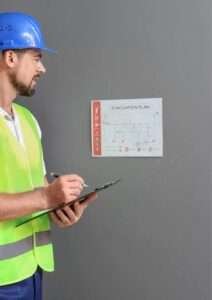
Once the checklist is prepared, responsible staff can inspect the relevant parts of the building.
For example, they may check whether emergency exits are accessible, safety signs are visible, and fire extinguishers are present in their designated locations.
Technical equipment, such as fire alarm systems and emergency lighting, should be inspected and tested according to manufacturer instructions and applicable requirements. Qualified professionals should handle technical work when necessary.
3. Record Inspection Results
A checklist should provide a clear record of the inspection.
Each item can be marked as satisfactory, requiring attention, or not applicable. Additional notes can explain the condition of equipment or identify problems.
For example, if an emergency exit sign is damaged, the inspector can record its location and report that replacement is needed.
Recording findings makes it easier to track outstanding issues and confirm whether corrective work has been completed.
4. Take Corrective Action
Identifying a problem is only useful when someone takes responsibility for addressing it.
If a corridor is blocked, the obstruction should be reported and removed safely. If an alarm system shows a fault, the responsible manager should arrange an assessment by a qualified technician.
Serious hazards should be addressed promptly. A checklist should clearly identify who is responsible for corrective work and when the issue needs to be resolved.
5. Review and Update the Checklist
Fire safety arrangements can change when buildings are renovated, equipment is replaced, or business activities change.
A checklist should therefore be reviewed regularly. It should reflect the current building layout, available equipment, and emergency procedures.
This ongoing process helps prevent safety records from becoming outdated.
10 Important Areas Every Fire Safety Checklist Should Cover
A useful checklist should address the major fire safety arrangements within a building. The exact inspection points depend on the property’s size, purpose, and risk level.
1. Fire Alarm Systems
Fire alarm systems provide warnings when a fire-related emergency is detected or manually reported.
A checklist can help confirm that the system receives appropriate attention during routine inspections.
Important review points include:
– Is the fire alarm control panel accessible?
– Are visible fault indicators reported?
– Are manual call points identifiable and unobstructed?
– Are alarm sounders and other notification devices included in scheduled testing?
– Are maintenance records available?
– Are technical faults referred to qualified professionals?
A fire alarm system in Pakistan should be selected and maintained according to the building’s requirements. Its inspection and testing should follow the manufacturer’s instructions and applicable safety standards.
2. Fire Extinguishers
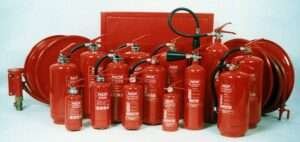
Fire extinguishers must be suitable for the fire risks present in the building.
A checklist can help confirm whether extinguishers are available in their designated locations and whether they appear to be in suitable condition.
Review points may include:
– Are extinguishers easy to identify?
– Are their access areas clear?
– Are inspection labels readable?
– Are visible signs of damage reported?
– Are maintenance records available?
– Are the extinguisher types appropriate for the identified hazards?
Any extinguisher that appears damaged, discharged, or otherwise unsuitable should be assessed by an authorized service provider.
3. Emergency Exits
Emergency exits are essential for safe evacuation.
A checklist should confirm that designated exits are accessible and that escape routes are not blocked by furniture, equipment, stock, or other materials.
Review questions include:
– Are emergency exits clearly identified?
– Are corridors and staircases unobstructed?
– Are exit doors maintained properly?
– Are evacuation routes consistent with the current building layout?
– Are assembly points clearly identified?
Building managers should also consider whether evacuation arrangements are suitable for visitors, children, older adults, and people with disabilities.
4. Smoke and Heat Detectors
Smoke and heat detectors help identify potential fire conditions.
Their condition and performance are important parts of fire safety management.
A checklist can record:
– Whether required detectors are present.
– Whether their locations match the approved system design.
– Whether visible damage or obstruction is present.
– Whether testing and maintenance are up to date.
– Whether reported faults have been addressed.
Detectors should not be removed, covered, or relocated without appropriate technical advice.
5. Electrical Safety
Electrical problems can create serious fire hazards.
A checklist should include a review of visible electrical safety concerns, such as damaged cables, overloaded sockets, and equipment that appears poorly maintained.
Important questions include:
– Are electrical installations maintained by qualified personnel?
– Are damaged cables reported?
– Are electrical panels kept accessible?
– Are unsuitable extension arrangements identified?
– Are electrical appliances used according to their instructions?
Electrical repairs and technical inspections should be handled by qualified electricians.
6. Fire Safety Signage
Fire safety signs help occupants identify exits, equipment, hazards, and assembly points.
A checklist should confirm that signs remain visible, readable, and correctly positioned.
Inspectors should look for:
– Missing signs.
– Damaged or faded signs.
– Signs hidden behind furniture or storage.
– Incorrect directional information.
– Outdated evacuation instructions.
If a building’s layout changes, its signs should be reviewed to ensure they still provide accurate information.
7. Emergency Lighting
Emergency lighting can support evacuation when normal lighting is unavailable.
A checklist should record whether required emergency lighting is included in the maintenance schedule and whether reported faults have been addressed.
Technical testing should follow the equipment manufacturer’s guidance and relevant building requirements.
8. Storage and Housekeeping
Poor housekeeping can increase fire risks and interfere with evacuation.
A checklist should review whether combustible materials are stored appropriately and whether corridors, staircases, and equipment access areas remain clear.
In warehouses and factories, storage arrangements should be reviewed carefully because large quantities of materials may be present.
9. Staff Training and Awareness
Employees should understand basic fire safety responsibilities and know how to respond when an alarm sounds.
A checklist can record whether staff have received appropriate training and whether new employees are informed about emergency procedures.
Training records should include relevant dates and details of completed sessions.
10. Evacuation Plans and Drills
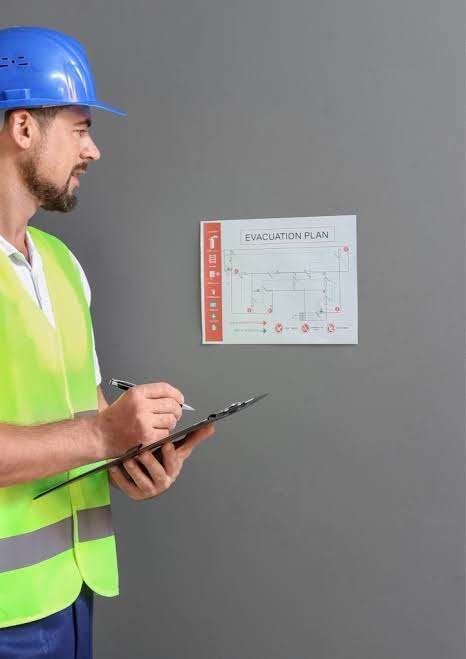
An evacuation plan explains how occupants should leave a building during an emergency.
A checklist can help confirm that the plan is available, understandable, and suitable for the current building layout.
It can also record whether evacuation drills have been conducted according to the organization’s safety arrangements.
Drills should be organized safely and should not involve creating real fire hazards.
How Often Should Fire Safety Checklists Be Used?
There is no single inspection frequency that suits every building. The appropriate schedule depends on the type of property, its fire risks, applicable requirements, and the equipment installed.
However, organizations can establish different levels of inspection.
Daily Checks
Some basic housekeeping and access checks may be included in daily workplace routines.
For example, responsible staff can check that corridors and emergency exits remain clear and that obvious safety concerns are reported.
Weekly Checks
Certain organizations may schedule weekly reviews of selected safety arrangements. These could include visible equipment access, general housekeeping, and the reporting of obvious damage.
Monthly Checks
Monthly inspections may provide an opportunity to review a broader range of building safety arrangements and follow up on previously identified issues.
The exact checks should be based on the organization’s safety plan and equipment instructions.
Scheduled Technical Inspections
Fire alarm systems, extinguishers, emergency lighting, and other technical equipment require inspection and maintenance according to applicable standards and manufacturer recommendations.
Qualified professionals should complete work that requires specialist knowledge.
Example of a Simple Fire Safety Checklist
The following example shows how a basic checklist can be organized. It should be adapted to the building and should not be treated as a complete technical inspection.
Inspection Item| What to Check| Status
Fire alarm system| Visible faults and maintenance records| Pass / Action
Smoke detectors| Condition and scheduled testing| Pass / Action
Fire extinguishers| Access, condition, and service records| Pass / Action
Emergency exits| Clear and identifiable routes| Pass / Action
Safety signage| Visible and accurate information| Pass / Action
Emergency lighting| Maintenance and testing records| Pass / Action
Electrical safety| Reported damage and maintenance| Pass / Action
Storage areas| Safe storage and clear access| Pass / Action
Staff training| Current awareness and training records| Pass / Action
Evacuation plan| Updated instructions and assembly point| Pass / Action
After completing the checklist, inspectors should record any problems, assign responsibility, and follow up until the required action has been completed.
Benefits of Using Fire Safety Checklists
Regular use of fire safety checklists can improve the way organizations manage building safety.
Better Identification of Hazards
A structured inspection makes it easier to notice potential problems that may otherwise be overlooked.
Improved Equipment Maintenance
Checklists provide reminders to review equipment condition and maintenance records.
Clearer Responsibilities
Assigning responsibility for inspection and corrective action helps prevent important issues from being ignored.
Better Documentation
Written records provide a history of inspections, reported faults, and completed improvements.
Stronger Employee Awareness
When employees participate in appropriate safety reviews, they become more familiar with workplace hazards and emergency procedures.
More Organized Emergency Preparation
Regular reviews help ensure that exits, alarms, signs, and evacuation plans remain consistent with the building’s current arrangements.
Common Fire Safety Checklist Mistakes
Although checklists are useful, they can become ineffective when organizations use them incorrectly.
Using the Same Checklist for Every Building
A small office and a large factory do not have identical fire risks. Checklists should reflect the property’s actual activities and hazards.
Completing Forms Without Inspecting
Marking every item as satisfactory without checking the relevant area defeats the purpose of the process.
Ignoring Recorded Problems
An inspection is incomplete if identified hazards are never addressed.
Forgetting Technical Requirements
Visual checks cannot replace professional testing of alarm systems, detectors, and other technical equipment.
Keeping Outdated Records
Checklists should reflect current equipment, building layouts, and evacuation arrangements.
Not Assigning Responsibility
Every significant issue should have a responsible person or department and a clear follow-up process.
Fire Safety Checklists for Different Types of Buildings in Pakistan
Different properties require different inspection priorities.
Residential Buildings
Homeowners and apartment managers should review smoke detection, alarm arrangements, electrical safety, kitchen risks, emergency exits, and family evacuation plans.
Residents should know how to raise the alarm and where to go after leaving the property.
Offices
Office checklists should include alarm systems, exit routes, electrical equipment, emergency lighting, fire extinguishers, and staff awareness.
Building managers should also consider visitors who may be unfamiliar with the premises.
Schools and Colleges
Educational institutions should review classroom evacuation routes, alarm coverage, emergency signage, staff responsibilities, and assembly points.
Safety information should be understandable for students and employees.
Restaurants and Hotels
Restaurants should pay particular attention to kitchen risks, cooking equipment, suitable firefighting arrangements, staff training, and guest evacuation procedures.
Hotels also need clear emergency information for guests who may not know the building layout.
Factories and Warehouses
Industrial facilities may have additional risks involving machinery, electrical installations, storage materials, and production processes.
Their checklists should be developed with professional input and should reflect the specific hazards present.
Digital vs. Paper Fire Safety Checklists
Organizations can use paper forms or digital systems to manage inspections.
Both approaches can be useful when implemented properly.
Paper checklists are simple, inexpensive, and easy to use without electronic devices. They can be suitable for smaller properties with straightforward inspection requirements.
Digital checklists can make it easier to organize records, assign tasks, attach photographs, and monitor outstanding issues. They may also help larger organizations maintain records across multiple locations.
The best choice depends on the organization’s size, available resources, and recordkeeping needs.
Regardless of the format, inspection information should be accurate, understandable, and securely maintained.
How Fire Safety Checklists Support Fire Alarm Systems in Pakistan
Fire alarm systems are an important part of a building’s overall safety arrangements. However, they need proper planning, installation, testing, and maintenance to remain reliable.
A checklist can support this process by recording inspection dates, visible faults, maintenance activities, and outstanding technical issues.
For buildings in Pakistan, the appropriate alarm arrangement depends on factors such as building size, occupancy, layout, and applicable requirements.
Some properties may need conventional systems, while larger or more complex buildings may require addressable systems or other specialized arrangements.
Building owners should consult qualified fire protection professionals before selecting or modifying an alarm system.
A checklist should not be used to replace technical servicing. Instead, it helps management keep track of the maintenance process and make sure reported issues receive attention.
Conclusion
Fire safety checklists provide a practical way to organize inspections, identify potential hazards, review equipment, and monitor corrective actions. They help turn general safety responsibilities into clear tasks that can be recorded and reviewed regularly.
Their effectiveness depends on how they are used. A checklist should reflect the building’s actual risks, include relevant safety arrangements, and lead to action whenever a problem is identified.
In Pakistan, residential properties, offices, schools, restaurants, factories, and warehouses can all benefit from suitable fire safety checklists. These records can support the maintenance of alarms, detectors, extinguishers, emergency lighting, signs, and evacuation arrangements.
However, checklists do not replace professional fire risk assessments, technical inspections, or emergency training. They work best as part of a complete fire safety management approach.
By conducting appropriate inspections, maintaining accurate records, assigning responsibilities, and reviewing safety arrangements regularly, building managers can improve preparedness and create a safer environment for everyone.
Frequently Asked Questions (FAQs)
1.