Fire safety is an essential part of running a successful small business. Whether a business operates from a retail shop, restaurant, office, workshop, warehouse, or small manufacturing facility, fire hazards can affect employees, customers, property, equipment, and daily operations. A fire incident may also interrupt business activities, damage important records, and create financial difficulties that are challenging for a small business to overcome.
In Pakistan, small businesses operate in a wide range of environments. Some work in commercial markets with limited space, while others occupy rented buildings, shared offices, or industrial areas. Electrical faults, overloaded sockets, cooking equipment, heating appliances, combustible materials, and unsafe storage practices can all increase fire risks.
Implementing fire safety measures helps businesses reduce these risks and prepare employees for emergencies. However, fire safety also involves costs, planning, staff training, equipment maintenance, and regular inspections. Understanding its advantages and disadvantages allows business owners to make informed decisions and choose practical solutions.
This article explores the major pros and cons of fire safety for small businesses, explains important safety measures, and discusses how fire alarm systems in Pakistan can contribute to safer workplaces.
What Does Fire Safety Mean for Small Businesses?
Fire safety refers to the precautions, equipment, procedures, and employee practices used to prevent fires and protect people and property if an emergency occurs.
For a small business, fire safety does not necessarily require an expensive or complicated system. It begins with identifying possible hazards and introducing suitable protective measures.
Common fire safety arrangements include:
– Smoke and heat detection systems.
– Suitable fire alarm systems.
– Clearly marked emergency exits.
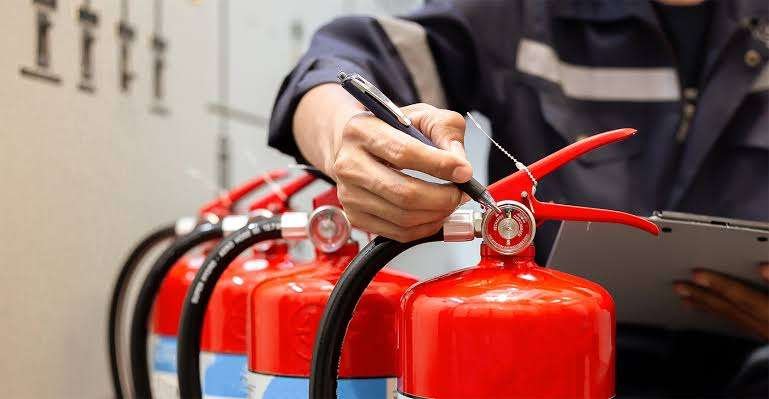
– Appropriate fire extinguishers.
– Emergency lighting and exit signage.
– Safe electrical installations.
– Proper storage of flammable materials.
– Employee awareness and evacuation training.
– Regular inspection and maintenance.
The exact requirements depend on the business’s size, building design, activities, and local regulations. A small office may need different arrangements from a restaurant, workshop, or warehouse.
Pros of Fire Safety for Small Businesses
1. Protects Employees and Customers
The most important advantage of fire safety is protecting human life. Employees and customers may not immediately recognize a developing fire, especially in a busy workplace or building with several rooms.
Smoke detectors and fire alarm systems can provide early warnings, helping occupants recognize danger and begin evacuating. Clearly identified escape routes make it easier for people to move toward safe exits.
Small businesses often have limited staff, so employees may perform several responsibilities during the working day. A clear emergency plan helps everyone understand what to do when an alarm sounds.
Business owners should ensure that evacuation arrangements consider visitors, people with disabilities, and anyone who may need additional assistance. Employees should never be expected to take unnecessary risks to protect business property.
2. Reduces Property Damage
A fire can damage buildings, furniture, computers, machinery, stock, documents, and other business assets. For a small company, replacing these items may require a substantial financial investment.
Preventive measures help reduce the likelihood of incidents caused by common hazards. Safe electrical practices, appropriate equipment placement, responsible storage, and regular inspections can help identify problems before they become serious.
Early detection is particularly valuable because it can alert occupants while an incident is still developing. Although alarms do not prevent fires by themselves, they provide an important warning that supports timely evacuation and emergency response.
Protecting business property also helps reduce disruption after an incident. Businesses with suitable prevention and preparedness arrangements may be better positioned to recover.
3. Supports Business Continuity
Small businesses often depend on regular daily operations to maintain cash flow. Even a relatively small fire incident can interrupt services, delay orders, affect customer relationships, and create unexpected expenses.
Fire safety planning can reduce the possibility of major disruption by helping businesses identify risks and prepare for emergencies.
A useful business continuity plan may include:
– Keeping important business information backed up securely.
– Maintaining updated emergency contact details.
– Identifying alternative working arrangements.
– Understanding how to report damage.
– Keeping insurance information accessible.
– Preparing a communication plan for employees and customers.
These steps do not eliminate every possible interruption, but they can make recovery more organized.
4. Improves Employee Awareness
Fire safety training helps employees understand workplace hazards and recognize unsafe conditions. Staff members who know the location of emergency exits, alarm points, and assembly areas are better prepared to respond appropriately.
Training can cover topics such as:
– Recognizing common fire hazards.
– Understanding alarm signals.
– Following evacuation procedures.
– Reporting damaged electrical equipment.
– Keeping emergency exits clear.
– Knowing when and how to contact emergency services.
Training should be appropriate to the workplace and repeated when necessary. New employees should receive basic safety information as part of their introduction.
A workplace where employees understand their responsibilities is generally better prepared to manage emergencies.
5. Helps Build Customer Confidence
Customers expect businesses to maintain a reasonably safe environment. Visible safety arrangements, clear exit signs, and organized premises can help demonstrate that a business takes its responsibilities seriously.
This is particularly important for restaurants, shopping outlets, clinics, educational businesses, and other places that regularly receive visitors.
Customers may feel more comfortable in premises where emergency exits are accessible and safety procedures are properly maintained.
Fire safety should not be treated merely as a marketing feature. Its real purpose is to protect people. However, responsible safety practices can also contribute to a professional business reputation.
6. Supports Legal and Regulatory Compliance
Businesses in Pakistan may be subject to applicable building regulations, fire safety requirements, workplace rules, and local authority conditions.
Requirements can differ according to location, building classification, business activity, and property type. Some premises may require specific fire protection arrangements, inspections, or approvals.
Taking fire safety seriously helps business owners understand their responsibilities and prepare for relevant inspections.
Owners should consult qualified fire safety professionals and the appropriate local authorities to confirm which requirements apply to their premises. Compliance should be treated as an ongoing responsibility rather than a one-time activity.
7. Can Reduce Financial Losses
Fire safety equipment, training, and inspections require investment, but these expenses should be considered alongside the potential costs of a fire.
A serious incident can result in property repairs, equipment replacement, lost stock, temporary closure, interrupted income, and other unexpected expenses.
Preventive arrangements may help reduce the likelihood and impact of such losses.
Some insurance providers may also consider the safety arrangements of a property when assessing coverage or risk. However, businesses should confirm insurance conditions directly with their insurers rather than assuming that particular equipment automatically reduces premiums.
8. Makes Emergency Response More Organized
Without a clear plan, employees may become confused during an emergency. People might use unsuitable exits, delay evacuation, or fail to communicate important information.
A documented emergency plan provides a clear structure for responding to an alarm.
It should identify evacuation routes, assembly areas, reporting responsibilities, and arrangements for contacting emergency services. Employees should also understand that they must not re-enter the building until the appropriate authorities confirm it is safe.
Organized procedures can reduce confusion and help occupants focus on reaching safety.
Cons of Fire Safety for Small Businesses
Although fire safety offers significant benefits, implementing and maintaining a suitable system can create challenges for small business owners.
1. Initial Installation Costs
One of the most common disadvantages is the initial expense.
Depending on the building and business activity, fire safety arrangements may involve purchasing alarms, detectors, extinguishers, emergency lights, signs, and other protective equipment.
Professional installation may also be necessary, especially for integrated alarm systems or larger commercial premises.
Small businesses often operate with limited budgets. Owners may find it difficult to balance safety investments with rent, salaries, utilities, inventory, and other operating expenses.
However, choosing equipment based only on its lowest price can create additional problems. Business owners should focus on suitable, reliable equipment that meets the needs of their premises.
2. Ongoing Maintenance Requirements
Fire safety equipment needs regular inspection and maintenance to remain dependable.
Smoke detectors may require testing and battery replacement. Alarm systems may need professional servicing, while extinguishers require inspections according to their type and applicable requirements.
Emergency lights, exit signs, and other equipment should also be checked periodically.
These responsibilities require time and money. Small businesses without dedicated maintenance staff may need to arrange external support.
A maintenance schedule helps owners avoid overlooking important checks and ensures that equipment problems are addressed appropriately.
3. Employee Training Takes Time
Training employees requires time away from their normal responsibilities. In a small business, even a short training session may affect daily operations when only a few people are available.
New staff members also need to learn the emergency procedures, and refresher training may be necessary when the workplace changes.
Despite these challenges, training should not be treated as an unnecessary expense. Employees need to understand how to evacuate safely and report emergencies.
Business owners can organize short, practical awareness sessions and conduct evacuation exercises that suit their workplace.
4. False Alarms Can Interrupt Operations
Fire alarm systems are designed to warn occupants about possible danger, but false alarms can sometimes occur.
Possible causes include unsuitable detector placement, environmental conditions, equipment faults, or poor maintenance.
Repeated false alarms may interrupt work and cause frustration among employees and customers. In some cases, people may become less responsive if alarms frequently activate without an actual emergency.
Proper system selection, professional installation, and regular servicing help reduce avoidable false alarms.
Employees should still treat every alarm seriously and follow the established evacuation procedure unless authorized personnel provide different instructions.
5. Limited Space Can Create Installation Challenges
Many small businesses operate from compact premises. Shops, offices, restaurants, and workshops may have limited wall space, narrow corridors, or complicated building layouts.
Installing suitable detection equipment, emergency lighting, and signs can require careful planning.
Shared buildings create additional challenges because several businesses may use the same exits, corridors, or electrical infrastructure.
Business owners should not block escape routes to create additional storage or working space. A qualified professional can help identify appropriate equipment locations and assess the building layout.
6. Choosing the Wrong Equipment Can Waste Money
Not every fire safety product is suitable for every workplace.
For example, a restaurant may face cooking-related hazards, while a small office may have greater concerns involving electrical equipment, paper storage, and electronic devices.
Buying unsuitable equipment can result in unnecessary spending or inadequate protection.
Business owners should assess their actual risks before purchasing products. They should also consider equipment quality, recognized certification where applicable, installation requirements, servicing arrangements, and manufacturer instructions.
Professional advice is especially useful when selecting an alarm system for a commercial building.
7. Documentation Creates Additional Work
Fire safety management may involve maintaining inspection records, training information, equipment service reports, evacuation plans, and emergency contact details.
For small businesses without administrative staff, keeping these records updated can become another responsibility.
However, accurate documentation helps owners monitor safety arrangements and demonstrate that important checks have been completed.
Simple digital records or organized paper files can make this task easier.
Fire Alarm Systems in Pakistan: An Important Safety Investment
Fire alarm systems are an important part of commercial fire protection. They are designed to detect signs of a possible fire and alert people inside a building.
In Pakistan, businesses can find different types of fire alarm solutions, ranging from basic arrangements for smaller premises to more advanced systems for larger commercial buildings.
The most suitable option depends on building size, layout, occupancy, environmental conditions, and the type of activities taking place.
Common Types of Fire Alarm Systems
Conventional fire alarm systems
Conventional systems divide a building into detection zones. When an alarm activates, the system identifies the affected zone rather than necessarily identifying the exact detector.
These systems may be appropriate for some smaller or less complex premises, depending on the design and applicable requirements.
Addressable fire alarm systems
Addressable systems identify individual devices through unique addresses. This can help authorized personnel locate the source of an alarm more accurately.
They are often considered for larger or more complex buildings where detailed monitoring is useful.
Wireless fire alarm systems
Wireless systems communicate through wireless connections rather than relying entirely on traditional signal cabling. They may be considered where installing cables is difficult, subject to proper design and compatibility.
Important Factors When Selecting a System
Before purchasing a fire alarm system in Pakistan, business owners should consider:
1. Building size: The number of rooms, floors, and occupied areas affects system design.
2. Business activity: Restaurants, offices, shops, and workshops have different fire risks.
3. Detector suitability: Smoke, heat, and other detection devices serve different purposes.
4. Installation quality: Equipment should be installed according to manufacturer guidance and relevant requirements.
5. Maintenance support: The supplier should explain testing, servicing, and replacement requirements.
6. System reliability: Products should be suitable for the building’s operating environment.
7. Future expansion: Businesses expecting to grow may benefit from considering future requirements.
A professional assessment helps prevent unnecessary purchases and ensures that the selected system matches the premises.
Practical Fire Safety Measures for Small Businesses
Small businesses do not need to introduce every possible safety measure at once. They can begin by identifying the most important risks and developing a manageable improvement plan.
Conduct Regular Fire Risk Assessments
A fire risk assessment involves identifying possible sources of ignition, combustible materials, people who may be affected, and existing safety arrangements.
Business owners should pay attention to electrical installations, cooking equipment, storage areas, heating devices, and waste materials.
The assessment should also consider escape routes and whether employees and visitors can leave the building safely.
For complex premises, professional assistance may be necessary.
Maintain Electrical Safety
Electrical problems are a common concern in commercial environments.
Businesses should avoid overloading sockets, using damaged cables, or allowing unqualified individuals to carry out electrical work.
Electrical equipment should be maintained according to manufacturer recommendations. Qualified electricians should inspect and repair installations when required.
Keep Emergency Exits Accessible
Emergency exits and escape routes must remain clear and usable.
Stock, furniture, delivery boxes, and equipment should never be stored in corridors or directly in front of exit doors.
Exit signs should be visible, and employees should know where the designated assembly area is located.
Store Materials Responsibly
Paper, cardboard, packaging, cleaning products, and other combustible materials should be stored responsibly.
Waste should be removed regularly, and storage areas should be organized to prevent unnecessary accumulation.
Any flammable substances should be handled and stored according to their safety instructions and applicable requirements.
Arrange Employee Awareness Training
Every employee should understand the workplace emergency plan.
Training should explain alarm procedures, evacuation routes, assembly points, and emergency communication arrangements.
Employees should know that evacuation takes priority over collecting belongings or protecting stock.
Inspect and Maintain Equipment
Business owners should maintain a record of equipment checks and professional servicing.
Damaged, expired, or unsuitable equipment should be addressed through qualified service providers.
Alarm systems should be maintained according to the manufacturer’s instructions and applicable standards.
How Small Businesses Can Balance the Costs and Benefits
The best approach is to treat fire safety as a planned business expense rather than an unexpected purchase.
Business owners can begin with a professional assessment to understand the most important hazards. They can then prioritize improvements according to risk, legal requirements, and available resources.
For example, keeping escape routes clear and improving electrical safety may be immediate priorities. Installing or upgrading an alarm system may require additional planning and budgeting.
It is also useful to compare suppliers carefully. Business owners should request clear information about product specifications, installation costs, maintenance arrangements, warranties, and technical support.
A low purchase price does not always represent the best long-term value. Reliable equipment and professional support can help reduce avoidable problems.
Small businesses operating in rented buildings should also communicate with property owners or building management about shared safety arrangements. Responsibilities for common alarms, exits, and building-wide systems should be clearly understood.
Common Fire Safety Mistakes Small Businesses Should Avoid
Even businesses that have purchased safety equipment can make mistakes that reduce its effe