Fire safety is an important consideration for homes, offices, factories, warehouses, schools, hospitals, restaurants, and commercial buildings. A fire can start unexpectedly because of electrical faults, cooking activities, heating equipment, machinery problems, or the careless storage of flammable materials. Although prevention is always the first priority, having suitable fire protection equipment can help improve preparedness.
Fire extinguishers are among the most familiar pieces of fire safety equipment. They are designed to control certain small fires when the correct type is selected and used in appropriate conditions. However, buying an extinguisher involves more than choosing a product based on its price or appearance. Buyers should consider the type of fire hazards present, product quality, certification, capacity, maintenance requirements, and supplier support.
In Pakistan, fire extinguishers are needed in a wide range of environments. Residential properties may require protection for ordinary household hazards, while industrial facilities and commercial kitchens may need specialised equipment. Selecting the right supplier is therefore an important part of developing a reliable fire safety plan.
People searching for where to buy fire extinguishers in Pakistan should understand what equipment is available, how to evaluate suppliers, and which questions to ask before making a purchase. This guide explains these considerations and discusses how extinguishers work alongside other protective measures, including a suitable fire alarm system in Pakistan.
## Why Fire Extinguishers Are Important
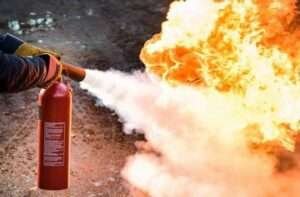
A fire extinguisher is a portable or fixed device that releases an extinguishing agent to help control certain types of fire. Different extinguishers use different agents, such as water, foam, dry chemical powder, carbon dioxide, or wet chemical solutions.
The correct equipment can support a building’s fire protection arrangements, but an extinguisher is not a substitute for evacuation, fire detection, or professional emergency response.
Fire extinguishers are important because they can:
– Provide suitable protection for identified fire hazards.
– Support workplace and building fire safety arrangements.
– Help trained individuals respond to certain small fires when it is safe.
– Complement fire alarm and detection equipment.
– Improve preparedness in residential and commercial properties.
– Help organisations meet applicable fire safety requirements.
Every building has different needs. A home, restaurant, warehouse, and factory should not automatically use the same extinguisher arrangements. A professional risk assessment can help determine the appropriate equipment.
## Where Can You Buy Fire Extinguishers in Pakistan?
There are several ways to purchase fire extinguishers in Pakistan. Buyers should focus on suppliers that provide suitable products, clear technical information, and dependable after-sales support.
### 1. Specialised Fire Safety Equipment Suppliers
Specialised fire safety suppliers are often a practical starting point for buyers. These businesses focus on products such as fire extinguishers, fire alarm systems, smoke detectors, emergency lights, fire blankets, and related equipment.
A specialist supplier may be able to explain the differences between extinguisher types and help identify products suitable for a particular environment.
When contacting a supplier, ask about:
– Available extinguisher types and capacities.
– Fire ratings and intended applications.
– Product certification and documentation.
– Installation or placement guidance.
– Inspection and maintenance services.
– Availability of replacement parts and refilling services.
– Delivery arrangements within Pakistan.
A supplier that understands fire protection requirements can help buyers make a more informed decision.
### 2. Online Fire Safety Stores
Online shopping has made it easier to compare fire safety equipment without visiting several physical stores. Buyers can review product descriptions, specifications, photographs, and available services before contacting a seller.
However, online product listings should be checked carefully. A photograph alone cannot confirm that an extinguisher meets the required safety standards.
Before ordering online, confirm the product’s manufacturer, fire rating, capacity, certification, warranty, and servicing arrangements. Buyers should also check whether the seller provides a proper invoice and technical documentation.
For larger orders, it is sensible to request a quotation and discuss the project’s requirements with the supplier before completing the purchase.
### 3. Local Safety Equipment Dealers
Many cities have dealers that supply workplace safety products and industrial equipment. These businesses may stock extinguishers for offices, workshops, shops, and other commercial environments.
Local dealers can be useful when buyers need to inspect products or discuss delivery and servicing arrangements in person.
However, not every general safety equipment shop has specialist knowledge of fire protection. Ask whether the dealer can provide technical advice or refer you to a qualified fire safety professional.
### 4. Industrial Safety Suppliers
Factories, warehouses, power facilities, and manufacturing businesses may require larger quantities of equipment or specialised extinguisher types.
Industrial safety suppliers may provide equipment for specific fire hazards and can sometimes assist with broader fire protection planning.
Businesses should explain their operations and stored materials before purchasing. A professional assessment may be necessary to identify the correct extinguishing agents, capacities, locations, and maintenance arrangements.
## Buying Fire Extinguishers in Major Pakistani Cities
Fire safety equipment is required throughout Pakistan, and buyers can explore specialist suppliers, industrial safety dealers, and online stores in their respective regions.
### Karachi
Karachi has a wide range of commercial, industrial, residential, and port-related facilities. Offices, factories, warehouses, shopping centres, and workshops may require different fire protection arrangements.
Businesses should look for suppliers that can provide suitable equipment, documentation, delivery, and maintenance support.
### Lahore
Lahore contains residential developments, commercial centres, educational institutions, hospitals, and industrial areas. Property owners should select extinguishers according to the hazards present rather than purchasing a standard product without an assessment.
### Islamabad and Rawalpindi
Offices, apartment buildings, public facilities, schools, and commercial properties in the Islamabad and Rawalpindi region may require appropriate fire safety equipment.
Building managers should also consider alarm systems, emergency lighting, signage, and evacuation arrangements.
### Faisalabad
Faisalabad has significant textile, manufacturing, and industrial activity. Facilities should assess their specific fire risks, including machinery, electrical equipment, raw materials, and stored goods.
### Multan, Bahawalpur, and Other Cities
Businesses and property owners in Multan, Bahawalpur, and other cities can explore specialist suppliers and reputable online providers. Before placing an order, confirm delivery coverage and the availability of local inspection or servicing support.
Regardless of location, equipment selection should be based on the building’s actual requirements.
## Understanding Different Types of Fire Extinguishers
Before choosing a supplier, buyers should understand the main extinguisher types. This helps them evaluate whether a product is suitable for their intended application.
### Water Fire Extinguishers
Water extinguishers are primarily designed for Class A fires involving ordinary combustible materials such as wood, paper, cardboard, and fabric.
They work mainly by cooling burning materials.
They are not suitable for every fire. In particular, ordinary water extinguishers should not be used on fires involving energised electrical equipment or flammable liquids unless a specific product is approved for that application.
### Foam Fire Extinguishers
Foam extinguishers are commonly designed for certain Class A and Class B fire hazards, depending on the product’s rating.
They may be suitable for selected commercial and industrial environments where ordinary combustible materials and flammable liquids are present.
Buyers should check the product label to confirm its approved applications and limitations.
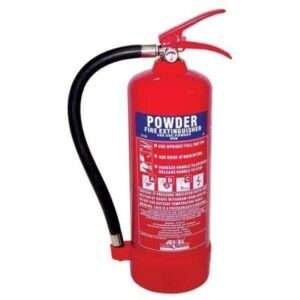
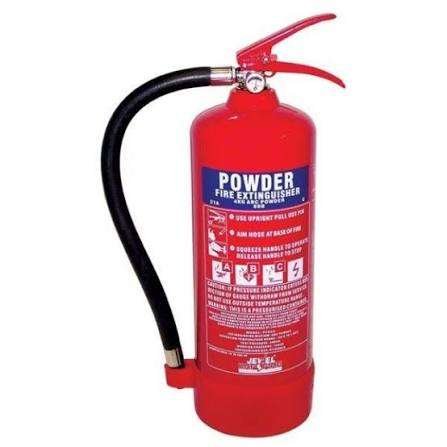
### Dry Powder Fire Extinguishers
Dry powder extinguishers use a chemical powder to interrupt the combustion process.
Different formulations are designed for different hazards. Some are suitable for common solid materials, flammable liquids, and flammable gases, while specialised powders are intended for combustible metals.
They are commonly considered for workshops, industrial premises, and other locations where their ratings match the identified hazards.
Powder discharge can reduce visibility and leave residue, so buyers should consider the environment and potential impact on sensitive equipment.
### Carbon Dioxide Fire Extinguishers
Carbon dioxide, or CO2, extinguishers are commonly selected for suitable electrical equipment and certain flammable-liquid hazards.
They do not leave the same powder residue as dry chemical extinguishers, which can make them useful in some equipment rooms and offices.
However, carbon dioxide can create an unsafe atmosphere in confined or poorly ventilated spaces. Their use should follow manufacturer instructions and appropriate training.
### Wet Chemical Fire Extinguishers
Wet chemical extinguishers are designed mainly for fires involving cooking oils and fats.
They are commonly considered for commercial kitchens, restaurants, hotels, and food preparation areas.
A kitchen fire safety plan should also include suitable cooking equipment maintenance, staff awareness, extraction system cleaning, and clear emergency exits.
### Specialised Class D Extinguishers
Class D extinguishers are designed for fires involving particular combustible metals.
They are generally used in specialised industrial or laboratory environments. The correct extinguishing agent depends on the metal involved, so professional assessment is essential.
## How to Choose the Right Fire Extinguisher
Choosing the right extinguisher begins with understanding the fire hazards in the building.
### Identify the Fire Risks
Consider the materials, activities, and equipment present.
For example:
– Offices may contain paper, furniture, computers, and electrical equipment.
– Restaurants may have cooking oils, gas appliances, and electrical equipment.
– Workshops may contain flammable liquids, machinery, and tools.
– Warehouses may store cardboard, textiles, plastics, and other goods.
– Homes may contain cooking appliances, furniture, and household products.
A qualified fire safety professional can assess these risks and recommend suitable equipment.
### Check the Fire Rating
Every extinguisher should clearly identify the types of fires for which it is approved.
Read the label and technical documentation rather than relying only on colour or general product descriptions.
### Select an Appropriate Capacity
Extinguishers are available in different sizes and capacities. The correct choice depends on the risk assessment, building layout, user requirements, and applicable standards.
A larger extinguisher is not automatically the best option. Its weight, accessibility, intended use, and maintenance requirements should also be considered.
### Check Product Quality
Look for clearly identified manufacturers, model information, technical specifications, and relevant certification.
Ask the supplier to explain the product’s intended applications and limitations.
### Consider Maintenance Support
A supplier should be able to explain how the extinguisher will be inspected, serviced, and maintained.
Before purchasing, ask whether replacement parts, refilling, and professional servicing are available in your area.
## What to Check Before Buying from a Supplier
Choosing a reliable supplier is just as important as choosing the extinguisher itself.
### Product Certification and Documentation
Ask for relevant product certifications, test documentation, and technical data sheets.
Documentation should match the exact model being supplied. General claims about a brand should not replace evidence for the specific product.
### Clear Product Information
A reputable seller should provide information about the extinguishing agent, capacity, fire rating, operating limitations, and maintenance requirements.
Avoid products with unclear labels or missing manufacturer details.
### Warranty and After-Sales Support
Ask about warranty coverage and what it includes. Confirm whether the supplier provides servicing, inspections, and assistance if the equipment develops a fault.
### Delivery and Installation
For commercial projects, delivery and installation arrangements may need to be coordinated with the building’s fire safety plan.
Ask whether the supplier can provide professional installation guidance or work with qualified technicians.
### Transparent Pricing
Request a quotation that identifies the extinguisher type, capacity, quantity, included services, and any additional charges.
Comparing quotations helps buyers understand whether they are receiving equivalent products and services.
## Why Cheap Fire Extinguishers May Not Be the Best Choice
Price is an important consideration, especially when a business needs several units. However, choosing equipment based only on the lowest price can lead to problems.
A product with unclear specifications, missing documentation, or limited servicing support may not be suitable for the intended environment.
Buyers should compare the complete value of a product, including:
– Quality and manufacturer reputation.
– Fire rating and approved applications.
– Relevant certification.
– Warranty terms.
– Maintenance availability.
– Product lifespan and servicing requirements.
– Delivery and installation support.
The goal is not simply to purchase an extinguisher. It is to obtain reliable equipment that matches the building’s fire protection needs.
## Fire Extinguisher Placement and Installation
Even a suitable extinguisher may be ineffective if it is difficult to locate or access.
Placement should be determined through a fire safety assessment and should follow applicable requirements.
Common considerations include:
– Keeping equipment visible and clearly identified.
– Providing access without blocking escape routes.
– Selecting locations based on the hazards present.
– Using appropriate mounting arrangements.
– Providing suitable signs.
– Protecting equipment from damage and unsuitable environmental conditions.
Extinguishers should not be hidden behind furniture, stored in locked areas without an appropriate access arrangement, or placed where vehicles and stored goods may block them.
A qualified professional can help determine the number, type, and location of extinguishers required for a property.
## Fire Extinguisher Inspection and Maintenance
Buying equipment is only the beginning of responsible fire protection. Extinguishers need routine checks and professional servicing to remain dependable.
### Routine Visual Inspections
Property managers should arrange visual inspections according to manufacturer instructions and applicable standards.
Checks may include confirming that:
– The extinguisher is in its designated location.
– The access area is clear.
– The body is not visibly damaged.
– The safety pin and seal are present where applicable.
– The pressure indicator is within its approved range, if fitted.
– The label and operating instructions are readable.
– Inspection records are updated.
Any discharged, damaged, or questionable unit should be assessed by a competent service provider.
### Professional Servicing
Qualified technicians can inspect equipment and carry out required maintenance according to the extinguisher type and applicable requirements.
Servicing records should be retained by the property owner or facility manager.
### Refilling and Replacement
An extinguisher that has been discharged or found defective should not simply be returned to its normal location without appropriate servicing.
Ask the supplier about authorised refilling, replacement components, testing, and replacement procedures.
## The Role of Fire Alarm Systems in Building Safety
Fire extinguishers are an important part of fire protection, but they do not provide early warning on their own. A suitable fire alarm system helps alert occupants when a fire is detected.
Depending on the building’s design, an alarm system may include smoke detectors, heat detectors, manual call points, alarm sounders, and a control panel.
For property owners considering a fire alarm system in Pakistan, system selection should take into account the building’s size, occupancy, layout, and environmental conditions.
A complete fire safety arrangement may combine:
– Suitable fire extinguishers.
– Smoke and heat detection.
– Audible and visual alarm notification.
– Emergency lighting.
– Fire safety signage.
– Protected escape routes.
– Staff awareness and evacuation training.
– Regular inspections and maintenance.
Each measure has a different purpose. Extinguishers are intended for certain limited fire-control situations, while alarms warn occupants so they can evacuate. Neither should be treated as a substitute for the other.
## Fire Safety Requirements for Different Properties
### Residential Buildings
Homeowners and apartment managers should consider cooking hazards, electrical installations, household storage, and shared escape routes.
Extinguisher selection should reflect the actual hazards and the building’s layout. Household members should also know how to recognise an alarm and leave safely.
### Offices and Shops
Offices and shops may contain electrical equipment, furniture, packaging, and stored products.
Employers and managers should provide suitable equipment, maintain escape routes, and ensure staff understand emergency procedures.
### Restaurants and Hotels
Commercial kitchens may have cooking oils, heating equipment, gas appliances, and extraction systems.
Suitable extinguishers should be selected for the kitchen’s risks. Staff should receive appropriate awareness training, and cooking equipment should be maintained professionally.
### Factories and Warehouses
Industrial facilities may contain machinery, raw materials, chemicals, packaging, and large storage areas.
A detailed fire risk assessment can help determine the appropriate equipment, detection arrangements, compartmentation, and emergency procedures.
## Common Mistakes to Avoid When Buying Fire Extinguishers
Several purchasing mistakes can reduce the effectiveness of fire protection arrangements.
**Buying without a risk assessment:** The extinguisher may not match the hazards present.
**Ignoring the product label:** Buyers should understand the fire ratings and limitations of the equipment.
**Choosing only by price:** Very low prices may come with unclear specifications or limited servicing support.
**Overlooking certification:** Relevant product documentation should be checked before purchase.
**Ignoring maintenance:** Equipment must be inspected and serviced according to applicable requirements.
**Placing extinguishers in inaccessible locations:** People should be able to identify and reach equipment without unnecessary obstacles.
**Assuming one extinguisher suits every fire:** Different hazards require different extinguishing agents.
Avoiding these mistakes help