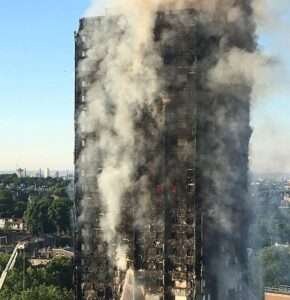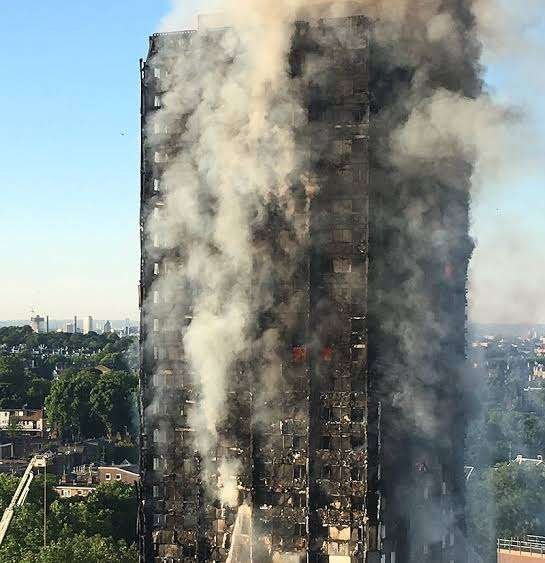
High-rise buildings have become an important part of modern urban development in Pakistan. Residential apartments, office towers, hotels, hospitals, shopping centres, and mixed-use developments allow cities to accommodate growing populations and business activities. These buildings offer many benefits, but their height, design, and large number of occupants also create specific fire safety challenges.
A fire emergency in a high-rise building can be more difficult to manage than one in a small, single-storey property. Occupants may be located on different floors, evacuation routes may involve several staircases, and emergency responders may need additional time to reach certain areas. Smoke can also affect corridors and other shared spaces, making early warning and organized evacuation especially important.
Fire safety should therefore be considered from the planning and construction stages through daily building management. Suitable detection equipment, reliable alarms, protected escape routes, emergency lighting, staff training, and regular inspections all contribute to a safer environment.
A properly designed fire alarm system in Pakistan is an important part of this approach. It can help detect possible fire conditions and alert occupants so that they can follow the building’s emergency procedures.
Here are five important reasons why fire safety in high-rise buildings matters more than many people realize.
1. High-Rise Buildings Need Early Fire Detection and Warning
The first reason fire safety matters is the need to identify a possible fire as early as possible. In a high-rise building, occupants may be spread across many floors, and a fire may begin in a room or service area that is not immediately visible to everyone.
For example, an incident may occur in an electrical room, storage space, kitchen, parking area, or another part of the property. People on other floors may not know about the situation unless an effective warning system is available.
Early detection helps building occupants recognize an emergency and begin the appropriate response.
Why Early Detection Is Important
A high-rise building may contain:
– Multiple residential or commercial floors.
– Shared corridors and staircases.
– Electrical and mechanical service rooms.
– Underground parking areas.
– Restaurants and food preparation facilities.
– Storage rooms and utility spaces.
– Large numbers of residents, employees, and visitors.
These different areas may have different fire risks. A suitable detection arrangement should consider the building’s layout, activities, and occupancy.
Common Fire Detection Devices
Smoke detectors: These devices detect smoke and send a signal to the alarm system. They are commonly used in suitable indoor locations.
Heat detectors: These respond to changes in temperature and may be appropriate in areas where smoke detectors are unsuitable.
Manual call points: These allow occupants to activate an alarm when they identify a possible fire emergency.
Fire alarm control panels: These receive signals from connected devices and manage the alarm system.
Sounders and visual indicators: These provide warnings to occupants through audible and, where required, visible signals.
Choosing a Suitable Fire Alarm System
A high-rise building needs an alarm arrangement that considers its size, number of floors, room layout, occupancy, and fire safety requirements.
The system should be professionally designed and installed. Device placement, alarm coverage, system monitoring, and maintenance all influence its effectiveness.
A reliable fire alarm system in Pakistan can help building managers improve early warning arrangements, but the correct design depends on the specific property. A small residential building and a large commercial tower may require very different solutions.
Regular inspection is equally important. Detectors, manual call points, control panels, and alarm sounders should be maintained according to manufacturer instructions and applicable requirements.
2. Safe Evacuation Becomes More Challenging as Building Height Increases
The second reason is the complexity of evacuation. In a small building, occupants may have a short route to an outside safe area. In a high-rise property, people on upper floors may need to use designated staircases and follow a planned route through several levels.
This makes building design and emergency planning extremely important.
Why Evacuation Planning Matters
High-rise buildings may contain hundreds of residents, employees, or visitors. During an emergency, people may not know which exit to use or where to assemble.
Some occupants may also need additional assistance. Children, older adults, people with disabilities, and visitors unfamiliar with the building may require clear instructions.
A poorly organized evacuation arrangement can create confusion and delays.
Important Features of Safe Escape Routes
A high-rise building should have appropriate escape routes based on its design and applicable safety requirements.
Important considerations include:
– Clearly identified emergency exits.
– Protected stairways where required.
– Unobstructed corridors.
– Visible exit signs.
– Suitable emergency lighting.
– Clearly communicated evacuation instructions.
– Accessible assembly arrangements.
– Appropriate assistance procedures for occupants who need support.
Stairways and corridors should never be used as storage areas. Furniture, cleaning equipment, packaging, and other objects should not obstruct designated escape routes.
Fire doors should also be maintained and used correctly. They are an important part of a building’s fire protection arrangement and should not be wedged open or altered without proper authorization.
Why Lifts Should Not Be Used During a Fire
Ordinary passenger lifts may be affected by power interruptions, smoke, or other emergency conditions. Occupants should follow the building’s emergency instructions and use designated escape routes rather than ordinary lifts during a fire.
Only lifts specifically designed for emergency use and operated under the direction of trained emergency personnel should be used when appropriate.
The Role of Evacuation Plans
Every high-rise building should have a clear emergency plan. Residents, employees, security personnel, and facility managers should understand what to do when an alarm sounds.
The plan should explain how occupants are informed, which routes they should use, where they should assemble, and how people requiring assistance will be supported.
Regularly reviewed drills can help occupants become familiar with the arrangements. Building management should also assess whether the plan remains suitable when the building layout or occupancy changes.
3. Fire Can Affect Many Occupants and Shared Areas
The third reason is the number of people who may be affected by a single incident. High-rise buildings often contain several apartments, offices, shops, restaurants, or other facilities. They may also have shared spaces such as lobbies, corridors, parking areas, staircases, and service rooms.
A fire emergency in one area can create safety concerns for people elsewhere in the building.
Common Fire Risks in High-Rise Buildings
Different parts of a high-rise property may have different hazards.
Residential apartments: Cooking equipment, electrical appliances, heating devices, and household storage can create potential fire risks.
Office areas: Computers, printers, electrical connections, documents, and shared equipment require appropriate maintenance and safe use.
Commercial spaces: Shops and restaurants may contain lighting systems, cooking equipment, packaging materials, and electrical appliances.
Parking areas: Vehicles, electrical installations, and stored materials require suitable safety arrangements.
Utility rooms: Generators, electrical distribution equipment, and mechanical systems should be maintained by qualified personnel.
Building managers should not assume that one safety measure will address every area. A risk assessment should consider how different spaces are used and what equipment they contain.
Shared Responsibility for Fire Safety
Fire safety is not only the responsibility of the building owner. Residents, tenants, employees, contractors, and visitors also have a role.
Residents should avoid unsafe electrical practices and keep shared corridors clear. Office managers should maintain workplace equipment and train employees. Contractors should follow site safety instructions when carrying out repairs or installations.
Building management should coordinate these responsibilities and provide clear information about reporting hazards.
The Importance of Housekeeping
Good housekeeping can help reduce unnecessary fire risks.
– Keep corridors and stairways clear.
– Avoid storing combustible materials in shared areas.
– Dispose of waste regularly.
– Maintain clean electrical and service areas.
– Keep fire safety equipment accessible.
– Report damaged doors, alarms, and signs.
A clean and organized building is easier to inspect and manage. It also helps ensure that emergency routes and equipment remain accessible.
4. High-Rise Buildings Need Reliable Fire Protection and Maintenance
The fourth reason is the importance of dependable fire protection equipment. High-rise buildings often contain complex systems that need regular inspection and professional maintenance.
Installing equipment is only the beginning. If alarms, detectors, extinguishers, emergency lights, or other safety features are neglected, their reliability may be affected.
Essential Fire Safety Equipment
Depending on the building’s design and applicable requirements, fire protection arrangements may include:
Fire alarm systems: These provide warnings when connected detection devices identify a possible fire or a manual alarm is activated.
Smoke and heat detectors: These identify possible fire conditions in suitable locations.
Fire extinguishers: Different types are designed for different fire classes and risks.
Emergency lighting: This helps occupants identify escape routes if normal lighting is interrupted.
Exit signs: These help people locate designated exits.
Fire doors: These form part of a building’s fire separation and protection arrangements.
Fire suppression systems: Depending on the building’s design and risks, suitable automatic suppression arrangements may be installed.
Each system should be selected according to the property’s requirements rather than through guesswork.
Why Regular Maintenance Matters
A detector may become damaged or develop a fault. An alarm panel may display an unresolved warning. An emergency light may fail to operate as expected, or an extinguisher may require servicing.
These issues should be identified through planned inspections.
Building managers should maintain a schedule covering:
– Fire alarm panels and connected devices.
– Smoke and heat detectors.
– Manual call points.
– Alarm sounders and visual indicators.
– Fire extinguishers.
– Emergency lighting.
– Exit signs.
– Fire doors.
– Other installed fire protection equipment.
Maintenance should follow manufacturer instructions and applicable standards. Specialist work should be performed by qualified technicians.
Professional Inspection and Documentation
Written inspection records help building managers track maintenance, identify repeated problems, and arrange repairs.
Records should include inspection dates, identified faults, completed work, and any recommendations requiring further attention.
A building should not be considered safe simply because it has visible fire safety equipment. The equipment must be suitable, accessible, functional, and properly maintained.
5. Fire Safety Protects Property, Business Continuity, and Residents’ Confidence
The fifth reason fire safety matters is its wider effect on property, business operations, and the people who use the building.
A fire emergency can interrupt residential life, commercial activities, building services, and essential operations. Even when the incident affects a limited area, the building may require inspection, repairs, cleaning, or temporary closure.
Good fire safety management can help reduce avoidable risks and support the continued operation of a property.
Protecting Building Infrastructure
High-rise buildings contain valuable infrastructure, including:
– Electrical distribution systems.
– Elevators and mechanical equipment.
– Water supply installations.
– Communication systems.
– Heating and cooling equipment.
– Interior fittings and shared facilities.
Fire prevention and appropriate protection measures can help reduce the possibility of damage to these assets.
Supporting Business Continuity
Office towers, hotels, hospitals, shopping centres, and commercial buildings depend on reliable operations.
A fire emergency may interrupt services, affect employees and customers, and create additional costs for property managers and businesses.
A planned fire safety programme supports better risk management by identifying hazards, maintaining equipment, and preparing staff for emergencies.
Building Confidence Among Residents and Tenants
People want to feel confident that their building is managed responsibly. Residents and tenants may consider fire safety arrangements when choosing an apartment, office, or commercial property.
Visible emergency signs, accessible exits, maintained alarms, clear instructions, and regular inspections demonstrate that management takes safety seriously.
Building managers should communicate safety information clearly rather than assuming that occupants already understand the emergency arrangements.
Common Fire Hazards in Pakistani High-Rise Buildings
High-rise buildings in Pakistan may face several practical fire safety challenges. Understanding these hazards can help owners and facility managers prepare suitable prevention measures.
Electrical Faults
Electrical systems support lighting, cooling, elevators, computers, kitchen equipment, and other building services.
Overloaded circuits, damaged wiring, loose connections, and unsuitable electrical accessories can create hazards. Qualified electricians should inspect electrical installations and address faults promptly.
Generator and Fuel Storage Areas
Generators are used in many buildings to provide backup electricity. Their installation, ventilation, electrical connections, and fuel storage arrangements should follow manufacturer instructions and applicable safety requirements.
Generator rooms should be included in regular building inspections.
Kitchen and Restaurant Areas
High-rise buildings with restaurants or residential kitchens need suitable cooking safety arrangements.
Gas appliances, electrical equipment, cooking oil, and ventilation systems require proper maintenance. Kitchen staff should understand reporting and emergency procedures.
Storage of Combustible Materials
Packaging, paper, cardboard, cleaning products, and other materials should be stored appropriately.
Storage areas must not interfere with electrical installations, emergency exits, fire doors, or firefighting equipment.
Poor Maintenance of Shared Areas
Damaged fire doors, blocked corridors, faulty lights, and neglected alarm devices can reduce the effectiveness of building safety arrangements.
Regular inspections help identify these problems before an emergency occurs.
The Role of Fire Alarm Systems in High-Rise Buildings
Fire alarm systems are especially important in buildings where occupants are distributed across multiple floors.
An appropriate system can help identify a possible fire condition and provide warnings to people who may be far from the affected area.
What Should Building Managers Consider?
Before installing or upgrading an alarm system, building managers should consider:
1. The number of floors and total building area.
2. The number and type of occupants.
3. The location of apartments, offices, and shared facilities.
4. Potential fire hazards in different areas.
5. Required alarm coverage.
6. Integration with other building safety arrangements where applicable.
7. Inspection and maintenance requirements.
A qualified fire safety professional can assess the property and recommend suitable equipment.
The system should be designed for the building rather than selected only according to its purchase price. Professional installation and ongoing maintenance are essential for reliable operation.
Preparing a High-Rise Building Fire Emergency Plan
A written emergency plan helps residents, employees, security teams, and facility managers understand their responsibilities.
The plan should be specific to the building’s layout and approved safety arrangements.
Important Elements of an Emergency Plan
1. Alarm and reporting procedures
Occupants should know how to recognize the alarm and report a suspected fire.
2. Evacuation routes
The plan should identify designated escape routes and explain how occupants should reach a safe location.
3. Assembly areas
Building management should identify suitable outdoor assembly points where occupants can gather after evacuation.
4. Staff responsibilities
Security personnel and designated building staff should understand their communication and coordination duties.
5. Assistance arrangements
The plan should consider children, older adults, people with disabilities, visitors, and anyone who may need assistance.
6. Emergency contacts
Relevant emergency contact information should be available to designated staff.
7. Training and drills
Suitable training and evacuation exercises can help occupants become familiar with the arrangements.
During an emergency, people should follow the building’s instructions, avoid lifts unless specifically directed by emergency personnel, and never return inside to collect personal belongings.
High-Rise Fire Safety Checklist for Building Managers
A practical checklist can help facility managers review the building’s safety arrangements.
Safety area| What to inspect
Fire alarm system| Devices, control panel, testing, and maintenance records
Emergency exits| Clear access and functioning doors
Stairways| No stored materials or obstructions
Fire doors| Condition and correct operation
Emergency lighting| Function and maintenance
Exit signs| Visibility and suitable placement
Fire extinguishers| Correct type, accessibility, and servicing
Electrical systems| Damaged cables, overloaded circuits, and faults
Generator areas| Installation, ventilation, and fuel arrangements
Staff training| Emergency roles and evacuation procedures
Shared spaces| Cleanliness and safe storage
Emergency plan| Current routes, assembly points, and contact details
The checklist should be reviewed regularly and updated when the building layout, occupancy, or use changes.
Fire Safety Responsibilities in Pakistan
Fire safety requirements in Pakistan can vary according to the building’s location, size, design, and use. Residential towers, office buildings, hospitals, hotels, and shopping centres may have different safety considerations.
The Building Code of Pakistan Fire Safety Provisions 2016 is an important reference for building fire safety. However, building owners and managers should consult relevant authorities and qualified professionals to understand the requirements that apply to their particular property.
Fire safety planning may include suitable alarm and detection equipment, emergency exits, fire protection systems, emergency lighting, staff training, and regular inspections.
For new construction, renovation, or major system upgrades, fire safety should be considered early in the design process. This can help avoid problems caused by unsuitable layouts or insufficient provision for safety equipment.