Restaurants are busy environments where cooking equipment, electrical appliances, gas systems, and combustible materials are used every day. From small cafés and takeaway shops to large hotels and commercial kitchens, every food business has fire safety responsibilities. A minor safety issue can create serious risks for employees, customers, and property if it is ignored.
In Pakistan, restaurants often operate with gas stoves, deep fryers, ovens, generators, refrigerators, exhaust systems, and other equipment. These facilities require regular inspection and responsible handling. Kitchen grease, electrical faults, unsafe storage, and poorly maintained appliances can all contribute to fire hazards.
Many restaurant owners understand the importance of fire safety but still make mistakes that reduce the effectiveness of their protection arrangements. Some fail to maintain alarms, while others block emergency exits or provide insufficient staff training. These problems can often be avoided through better planning and regular maintenance.
A suitable fire alarm system in Pakistan, appropriate firefighting equipment, clear evacuation routes, and trained employees are important parts of a restaurant’s safety arrangements.
This article explains seven common restaurant fire safety mistakes, why they matter, and how restaurant owners can avoid them. Understanding these issues can help food businesses create safer environments for staff and customers.
Why Is Fire Safety Important in Restaurants?
Restaurants contain several activities and materials that require careful management. Cooking produces heat, electrical equipment operates for long hours, and storage areas may contain packaging, cleaning products, and other combustible materials.
A fire can disrupt normal operations, damage kitchen equipment, affect stored food, and put people inside the building at risk. Smoke and heat may also affect dining areas, neighbouring businesses, and upper floors in multi-storey properties.
A well-planned fire safety programme helps restaurants:
– Protect employees and customers.
– Reduce preventable fire hazards.
– Maintain safe kitchen operations.
– Support effective emergency evacuation.
– Protect equipment and business property.
– Improve staff awareness.
– Meet applicable building and safety requirements.
Fire safety should be included in daily restaurant management rather than treated as an occasional administrative task.
Mistake 1: Ignoring Kitchen Fire Hazards
One of the most common mistakes in restaurants is failing to manage kitchen-related fire risks properly.
Commercial kitchens use stoves, ovens, grills, fryers, and other heat-producing equipment. Grease can accumulate on cooking surfaces, filters, and exhaust systems. If these areas are not cleaned and maintained, they can create additional fire hazards.
Cooking activities also require attention because employees may become distracted during busy service periods.
Why Is This a Problem?
A kitchen combines heat, cooking oils, electrical appliances, and combustible materials. Poor housekeeping and neglected equipment can increase the likelihood of an incident.
For example, grease buildup in an exhaust system can create a significant fire hazard. Damaged appliance connections or poorly maintained cooking equipment can also make the environment less safe.
How to Avoid This Mistake
Restaurant owners should establish clear kitchen safety procedures.
– Clean cooking surfaces and equipment regularly.
– Follow manufacturer instructions for kitchen appliances.
– Arrange professional cleaning of extraction systems.
– Keep unsuitable combustible materials away from heat sources.
– Maintain clear access to emergency equipment.
– Train kitchen employees to recognise unsafe conditions.
– Report damaged or malfunctioning equipment promptly.
Cleaning schedules should be documented so managers can confirm that important tasks are completed.
Mistake 2: Not Installing a Suitable Fire Alarm System
Early warning is essential in a restaurant because fires may begin in kitchens, storage areas, electrical rooms, or other parts of the premises.
Some restaurant owners rely entirely on employees noticing smoke or unusual activity. This approach is unreliable, especially when staff are busy, background noise is high, or certain areas are not regularly occupied.
A suitable fire alarm system in Pakistan should be selected according to the restaurant’s size, layout, ceiling height, occupancy, and fire risks.
Important Components of a Fire Alarm System
Smoke detectors: These devices detect smoke particles and provide an early warning when installed in suitable locations.
Heat detectors: These respond to defined temperature conditions or temperature changes. They may be appropriate in certain kitchen or service environments where smoke detection is unsuitable.
Manual call points: These allow people to activate the alarm manually when they identify a fire or another emergency requiring an alert.
Control panel: The panel receives signals from connected devices and manages the alarm system.
Sounders and visual indicators: These alert occupants through audible or visual warnings. Visual indicators may be particularly useful in noisy restaurant environments.
How to Avoid This Mistake
Restaurant owners should arrange a professional assessment before selecting and installing an alarm system. Detector placement should account for cooking activities, steam, dust, ventilation, and other environmental conditions.
The system should be tested and maintained according to manufacturer instructions and applicable standards. Employees should also know what the alarm sounds like and understand the evacuation procedure.
An alarm system is not a substitute for safe kitchen practices, suitable protection equipment, or a clear emergency plan.
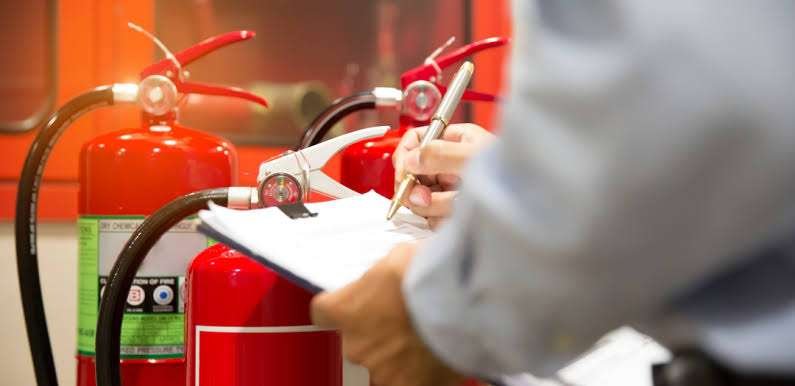
Mistake 3: Using the Wrong Fire Extinguishers
Another common mistake is purchasing fire extinguishers without considering the actual hazards present in the restaurant.
Different types of fires require different extinguishing agents. A restaurant may have risks involving ordinary combustible materials, electrical equipment, cooking oils, and flammable liquids.
Using an unsuitable extinguisher can create additional danger.
Common Fire Extinguisher Types
– Water extinguishers: Generally intended for suitable Class A fires involving ordinary combustible materials.
– Foam extinguishers: Suitable for certain Class A and Class B risks, depending on the product rating.
– Carbon dioxide extinguishers: Commonly used for certain electrical equipment and flammable-liquid risks.
– Dry chemical powder extinguishers: Available in different formulations for specific fire classifications.
– Wet chemical extinguishers: Designed mainly for certain cooking-oil and fat fire risks.
Restaurants should pay particular attention to the equipment required for commercial cooking areas. The correct selection depends on the cooking processes, appliances, and hazards identified during a risk assessment.
How to Avoid This Mistake
Restaurant management should consult qualified fire safety professionals when choosing extinguishers.
Equipment should be:
– Appropriate for the identified fire risks.
– Clearly marked and easy to identify.
– Installed in accessible locations.
– Inspected and maintained as required.
– Supported by suitable employee training.
Employees should understand the limitations of extinguishers. They should not attempt to fight a spreading fire or use equipment when their escape route may become unsafe. Raising the alarm and evacuating must take priority.
Mistake 4: Blocking Emergency Exits and Escape Routes
Restaurants can become crowded during lunch, dinner, and special events. Furniture, delivery boxes, spare chairs, food supplies, and cleaning equipment may gradually accumulate near doors and corridors.
This creates a serious problem if emergency exits become obstructed.
Customers may be unfamiliar with the building, and employees may need to guide them towards designated exits. Blocked routes can delay evacuation and create confusion.
Why Are Clear Exits Important?
Emergency exits provide occupants with a way to leave the building safely. Corridors, staircases, and exit doors must remain accessible so people can use them when required.
Restaurant owners should never use emergency exits as ordinary storage areas or lock them in a way that prevents safe evacuation.
How to Avoid This Mistake
Management should introduce routine exit inspections.
– Keep corridors and walkways clear.
– Remove stored materials from emergency routes.
– Ensure exit doors operate as intended.
– Display suitable emergency exit signs.
– Maintain emergency lighting where required.
– Identify safe outdoor assembly points.
– Explain evacuation routes to employees.
Staff should check escape routes before opening the restaurant and during regular operational inspections.
Mistake 5: Providing Insufficient Fire Safety Training
Restaurant employees are often focused on food preparation, customer service, cleaning, and order management. However, they also need to understand their responsibilities during a fire emergency.
A common mistake is assuming that employees will automatically know what to do when an alarm sounds.
Without suitable training, staff may not recognise alarm signals, understand evacuation routes, or know how to assist customers.
What Should Restaurant Training Include?
Fire safety training should cover:
– Common kitchen and workplace fire hazards.
– How to report a fire or unsafe condition.
– What to do when an alarm sounds.
– The location of emergency exits.
– The designated assembly point.
– How to assist customers during evacuation.
– The correct use and limitations of fire extinguishers.
– Why nobody should re-enter the building during an emergency.
New employees should receive basic safety instructions before beginning their duties. Refresher sessions should be arranged periodically and whenever procedures change.
Include All Restaurant Staff
Training should not be limited to kitchen employees. Waiters, cleaners, reception staff, supervisors, security personnel, and managers should understand the emergency procedure.
Temporary workers and contractors should also receive relevant safety instructions.
Mistake 6: Neglecting Electrical and Gas Equipment Maintenance
Restaurants depend on electrical and gas-powered equipment. Refrigerators, freezers, ovens, air conditioners, exhaust fans, water heaters, and cooking appliances may operate for long periods.
When equipment is damaged or poorly maintained, it can increase fire risks.
Electrical Maintenance Problems
Common electrical concerns include:
– Damaged wires and plugs.
– Overloaded sockets.
– Loose electrical connections.
– Faulty switches.
– Poorly maintained distribution boards.
– Unsuitable temporary wiring.
These problems should be addressed by qualified electricians. Restaurant staff should report unusual heat, repeated electrical faults, or visible equipment damage.
Gas Safety Problems
Gas appliances require suitable installation, ventilation, and maintenance. Damaged connections or incorrectly installed equipment can create serious hazards.
Restaurant owners should arrange professional inspections and follow supplier instructions.
If a gas leak is suspected, staff should move away from the affected area, avoid operating electrical switches or creating sparks, and contact the relevant service from a safe location.
How to Avoid This Mistake
Create a documented maintenance programme for electrical and gas equipment.
Keep records of inspections, repairs, and servicing. Avoid delaying necessary repairs because equipment appears to be working normally.
Mistake 7: Not Having a Proper Fire Emergency Plan
Some restaurants install alarms and purchase extinguishers but fail to prepare a clear emergency response plan.
During an emergency, employees need to know who should raise the alarm, who will contact emergency services, and how customers should be directed towards safe exits.
Without clear responsibilities, staff may become confused or delay evacuation.
What Should an Emergency Plan Include?
A practical restaurant emergency plan should identify:
1. How a fire should be reported.
2. Who is responsible for contacting emergency services.
3. Primary and alternative evacuation routes.
4. The location of emergency exits.
5. The designated outdoor assembly point.
6. How employees and visitors will be accounted for.
7. Arrangements for people who may need additional assistance.
8. Who will communicate relevant information to emergency responders.
The plan should be written in clear language and shared with all employees.
Practise the Emergency Procedure
Restaurants should conduct suitable evacuation drills and review the results. Drills can help identify blocked routes, unclear instructions, and other weaknesses.
Employees should understand that evacuation comes before protecting food supplies, cash, equipment, or personal belongings.
Additional Fire Safety Measures Every Restaurant Should Follow
Avoiding the seven mistakes above is a strong starting point, but restaurant owners should also maintain a broader fire prevention programme.
Maintain Proper Housekeeping
Remove waste packaging, cardboard, paper, and other unnecessary combustible materials regularly. Keep storage rooms organised and ensure that fire protection equipment remains accessible.
Manage Fuel and Generator Areas Carefully
Many restaurants in Pakistan use generators during electricity interruptions. These should be installed, operated, and maintained according to manufacturer instructions and applicable safety requirements.
Fuel storage must follow suitable safety arrangements and should not create additional hazards near cooking or storage areas.
Keep Fire Safety Equipment Accessible
Extinguishers, alarm call points, and other required equipment should not be blocked by furniture, supplies, or decorations.
Employees should know where equipment is located, even if they are not responsible for operating it.
Maintain a Regular Inspection Schedule
Managers should inspect the premises regularly and document identified problems.
The inspection programme may include:
– Fire alarm condition and servicing.
– Extinguisher accessibility and maintenance.
– Electrical equipment condition.
– Gas appliance inspections.
– Kitchen cleaning schedules.
– Emergency exit access.
– Emergency lighting and exit signs.
– Staff training records.
A documented schedule makes it easier to identify recurring problems and confirm that corrective actions have been completed.
Restaurant Fire Safety Requirements in Pakistan
Restaurant owners in Pakistan should understand the fire safety requirements that apply to their buildings and business activities.
The Building Code of Pakistan Fire Safety Provisions 2016 is an important reference for building fire safety. Depending on the property and location, additional requirements may apply through relevant development authorities, building control departments, Civil Defence, and other competent authorities.
Requirements can vary according to building size, occupancy, layout, cooking facilities, and the type of business.
A restaurant operating in a shopping centre may also need to follow the building management’s emergency procedures. Independent restaurants should understand the requirements applicable to their own premises.
Owners should consult qualified fire safety professionals and relevant authorities when planning new construction, renovations, or major changes to kitchen and dining arrangements.
The Financial Benefits of Good Restaurant Fire Safety
Some restaurant owners delay safety improvements because they believe the initial cost will be too high. However, basic prevention and maintenance can help reduce avoidable risks.
A fire may lead to damaged equipment, lost stock, building repairs, business interruption, and loss of customer confidence. Even a temporary closure can affect employees, suppliers, and regular customers.
Investing in suitable alarms, appropriate extinguishers, maintenance, staff training, and emergency planning helps create a safer working environment.
Many improvements are relatively straightforward. Keeping exits clear, maintaining electrical equipment, cleaning kitchen areas, and educating employees can all contribute to better safety.
The goal should not be to purchase the largest amount of equipment. Instead, restaurant owners should identify actual risks and select appropriate protection measures.
How to Create a Practical Restaurant Fire Safety Checklist
A simple checklist can help managers monitor important safety responsibilities.
– [ ] Inspect cooking equipment and kitchen areas.
– [ ] Arrange regular cleaning of extraction systems.
– [ ] Check electrical appliances and connections.
– [ ] Arrange professional gas equipment inspections.
– [ ] Confirm that fire alarms are maintained.
– [ ] Check extinguisher condition and accessibility.
– [ ] Keep emergency exits and corridors clear.
– [ ] Train new employees and provide refresher sessions.
– [ ] Display evacuation instructions.
– [ ] Identify an outdoor assembly point.
– [ ] Conduct suitable evacuation drills.
– [ ] Record inspections and corrective actions.
Managers should assign responsibility for each task and review the checklist regularly.
Conclusion
Restaurant fire safety requires consistent attention, proper planning, and responsible daily management. The seven common mistakes discussed in this article show how neglected kitchen hazards, unsuitable alarm systems, incorrect extinguishers, blocked exits, insufficient training, poor equipment maintenance, and missing emergency plans can weaken a restaurant’s protection arrangements.
Restaurants in Pakistan can improve safety by identifying hazards, maintaining cooking and electrical equipment, installing suitable fire detection systems, and ensuring that employees understand evacuation procedures.
A properly selected fire alarm system in Pakistan can provide an important early warning, but it should be supported by appropriate extinguishers, clear exits, regular inspections, and staff awareness.
Fire safety is not only about protecting buildings and equipment. It is about protecting the people who work in and visit restaurants every day. Small improvements made consistently can help businesses create safer kitchens, dining areas, and workplaces.
Frequently Asked Questions (FAQs)
1. What are the most common fire safety mistakes in restaurants?
Common mistakes include ignoring kitchen hazards, failing to maintain fire alarms, using unsuitable extinguishers, blocking emergency exits, providing insufficient staff training, neglecting electrical and gas equipment, and failing to prepare an emergency plan.
2. Why does a restaurant need a fire alarm system?
A fire alarm system provides an early warning when connected detection devices identify specified fire conditions or when someone activates a manual call point. It helps alert employees and customers so they can begin evacuation promptly.
3. Which fire extinguishers are suitable for restaurants?
The correct extinguisher depends on the hazards present. Restaurants may need equipment suitable for ordinary combustible materials, electrical equipment, flammable liquids, and cooking oils. A qualified fire safety professional should assess the premises and recommend appropriate types.
4. How often should restaurant employees receive fire safety training?
Employees should receive fire safety instructions when they join the organisation. Refresher training should be arranged periodically and whenever equipment, building layouts, or emergency procedures change.
5. What should restaurant staff do when a fire occurs