Fire prevention is one of the most important parts of maintaining a safe home, workplace, commercial building, or industrial facility. A fire can begin with a seemingly minor problem, such as a damaged electrical wire, an unattended cooking appliance, or unsafe storage of combustible materials. Without proper precautions, a small incident can quickly become a serious emergency.
In Pakistan, fire safety deserves attention in residential areas, offices, shops, factories, warehouses, schools, hospitals, and other public buildings. Electrical equipment, gas appliances, generators, cooking facilities, and combustible materials are common parts of everyday life. When these are not handled or maintained properly, they can increase fire risks.
The good news is that effective fire prevention does not always require a large budget. Many useful precautions involve simple habits, regular inspections, employee awareness, and the correct use of safety equipment. Installing suitable fire detection systems and keeping emergency exits clear can also make a meaningful difference.
This article explains practical fire prevention tips, common causes of fires, the importance of early warning systems, and ways to build safer environments in Pakistan. By taking small but consistent steps, individuals and businesses can reduce avoidable risks and protect people and property.
Why Is Fire Prevention Important?
Fire prevention focuses on reducing the chances of a fire starting and limiting the conditions that allow it to spread. It is generally more effective to identify hazards early than to deal with the consequences of an emergency.
A fire can affect more than the area where it begins. It may damage buildings, destroy inventory, interrupt business operations, affect nearby properties, and create serious risks for occupants.
A practical prevention programme can help:
– Protect family members, employees, customers, and visitors.
– Reduce damage to buildings and valuable equipment.
– Identify unsafe conditions before they become emergencies.
– Improve workplace and household awareness.
– Support business continuity.
– Make evacuation arrangements more effective.
– Encourage responsible use of electrical and gas appliances.
Fire prevention should be part of everyday safety practices rather than something considered only after an incident.
1. Identify Common Fire Hazards
The first step towards preventing fires is understanding what can cause them. Different buildings have different risks, so inspections should consider the activities taking place in each area.
Common fire hazards include:
– Damaged electrical wiring and overloaded circuits.
– Poorly maintained electrical appliances.
– Gas leaks or incorrectly installed gas equipment.
– Unattended cooking appliances.
– Generators and fuel storage.
– Smoking near combustible materials.
– Improper storage of chemicals and flammable liquids.
– Accumulated paper, cardboard, fabric, and packaging waste.
– Faulty machinery and heating equipment.
Homeowners should inspect kitchens, electrical outlets, storage areas, and utility spaces. Business owners should also review workshops, server rooms, kitchens, storage sections, and areas where machinery operates.
When a hazard is identified, it should be addressed promptly. Electrical and gas-related repairs should be handled by qualified professionals.
2. Maintain Safe Electrical Systems
Electrical faults are an important source of fire risk in homes and workplaces. Damaged cables, loose connections, overloaded sockets, faulty switches, and poorly maintained distribution boards can create unsafe conditions.
Modern buildings often use several electrical devices at the same time. Offices may operate computers, printers, air conditioners, and other equipment, while factories and warehouses may depend on machinery and heavy electrical systems.
To reduce electrical fire risks:
– Replace damaged wires and plugs.
– Avoid overloading sockets and extension boards.
– Use electrical equipment according to manufacturer instructions.
– Keep electrical panels accessible.
– Arrange inspections by qualified electricians.
– Avoid temporary or poorly installed wiring.
– Switch off equipment when it is not required, where appropriate.
– Investigate unusual heat, burning smells, or repeated electrical faults.
Electrical panels should never be used as storage spaces. Keeping the surrounding area clear allows authorised personnel to access them when necessary.
Regular maintenance is especially important in older buildings, where electrical installations may no longer suit current power requirements.
3. Follow Kitchen Fire Prevention Practices
Kitchens are common locations for accidental fires in homes, restaurants, hotels, and workplace cafeterias. Cooking appliances, heating surfaces, cooking oils, and electrical equipment require careful handling.
Simple precautions can reduce many kitchen-related risks.
Keep cooking areas clean and remove grease buildup from suitable surfaces and equipment. Follow appliance instructions and arrange repairs when equipment becomes damaged. Avoid leaving cooking activities unattended, and keep unsuitable combustible items away from heat sources.
In commercial kitchens, management should establish cleaning schedules and ensure that staff understand safe operating procedures.
A suitable fire blanket or correctly rated extinguisher may form part of a kitchen’s protection arrangements, depending on the risk assessment. However, people should not attempt to deal with a fire that is spreading or creating danger. They should raise the alarm, evacuate, and contact emergency services.
4. Store Gas Cylinders and Fuel Safely
Gas cylinders and fuel storage require careful management. Poor ventilation, damaged connections, unsuitable storage locations, and unsafe handling can increase fire and other safety risks.
Homes and businesses should use approved equipment and follow supplier instructions. Gas appliances should be installed and inspected by qualified technicians.
Important precautions include:
– Keep cylinders in suitable, well-ventilated locations.
– Protect cylinders from excessive heat.
– Keep fuel away from ignition sources.
– Use appropriate equipment and approved connections.
– Arrange professional checks if a leak or fault is suspected.
– Follow local requirements for fuel storage.
– Do not store fuel in unsuitable containers or locations.
If a gas leak is suspected, avoid operating electrical switches or creating sparks. Move away from the affected area and contact the relevant emergency or gas service from a safe location.
5. Keep Workplaces Clean and Organised
Good housekeeping is a simple but valuable fire prevention measure. Waste packaging, paper, cardboard, fabric, and other combustible materials can contribute to fire risks when allowed to accumulate.
Clutter can also block access to emergency exits, fire extinguishers, alarm call points, and electrical panels.
Businesses should introduce regular cleaning and inspection routines. Waste should be removed safely, storage areas should remain organised, and walkways should be kept clear.
In warehouses and factories, managers should pay particular attention to storage arrangements. Combustible materials should be kept away from unsuitable heat sources and ignition hazards. Hazardous materials should be stored according to their specific handling requirements.
A clean and organised workplace is easier to inspect, manage, and evacuate during an emergency.
6. Install a Suitable Fire Alarm System
Early warning is an important part of an effective fire safety plan. A fire alarm system can alert occupants when smoke, heat, or another specified fire condition is detected.
A properly selected fire alarm system in Pakistan should suit the building’s size, layout, occupancy, and risk profile. A small shop, a residential building, a school, and a large factory may all require different arrangements.
A professional assessment can help determine suitable detection devices, alarm coverage, control equipment, and warning methods.
Main Components of a Fire Alarm System
Smoke detectors: These devices detect smoke particles and can provide an early warning when installed in suitable locations.
Heat detectors: These respond to defined temperature conditions or changes in temperature. They may be suitable for areas where smoke detectors are not appropriate.
Manual call points: These allow occupants to activate the alarm when they discover a fire or another emergency requiring an alert.
Control panel: The panel receives signals from connected devices and manages the alarm system.
Sounders and visual indicators: These warn occupants through audible and, where needed, visual signals.
Why Professional Installation Matters
The performance of an alarm system depends on correct design, installation, testing, and maintenance. Incorrect detector placement may reduce coverage or cause unwanted alarms.
Building owners should work with qualified fire safety professionals to select equipment and determine suitable locations. The system should be maintained according to manufacturer instructions and applicable standards.
An alarm system supports early warning, but it does not replace evacuation planning, safe building design, or other fire protection measures.
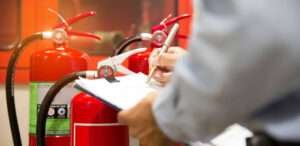
7. Keep Fire Extinguishers Suitable and Accessible
Fire extinguishers can be useful in certain early-stage fire situations, but the correct type must be selected for the hazards present.
Common extinguisher categories include:
– Water: Generally used for suitable Class A fires involving ordinary combustible materials.
– Foam: Used for certain Class A and Class B risks, depending on the product rating.
– Carbon dioxide: Commonly used for certain electrical equipment and flammable-liquid risks.
– Dry chemical powder: Available in different formulations for specific fire classifications.
– Wet chemical: Designed mainly for certain cooking-oil and fat fire risks.
Not every extinguisher is appropriate for every fire. Using the wrong type can make a situation more dangerous.
Extinguishers should be clearly marked, accessible, and maintained by competent service providers. Employees should receive suitable training so they understand the equipment’s purpose and limitations.
If a fire is spreading, smoke is building up, or an escape route may become unsafe, people should evacuate rather than attempt to use an extinguisher.
8. Keep Emergency Exits Clear
Emergency exits provide occupants with a way to leave a building when normal operations are disrupted. Blocked or locked escape routes can delay evacuation and increase danger.
Every home and workplace should have a clear understanding of how occupants can leave safely.
Useful precautions include:
– Keep corridors and stairways free from stored items.
– Make sure exit doors operate correctly.
– Display appropriate exit signs.
– Provide emergency lighting where required.
– Keep access to fire safety equipment clear.
– Identify a safe outdoor assembly point.
– Explain evacuation routes to employees and visitors.
Businesses should check exits regularly, especially in areas where stock, deliveries, or furniture may be moved during the day.
9. Maintain Generators and Other Equipment
Generators are widely used in Pakistan as backup power sources. They can support business operations and household needs, but they must be installed and operated according to manufacturer instructions.
Poor maintenance, unsuitable fuel arrangements, damaged electrical connections, and inadequate ventilation can create safety hazards.
Generators should be placed in appropriate locations and maintained by qualified technicians. Fuel should be stored only in approved arrangements and away from unsuitable ignition sources.
The same principle applies to machinery, heating equipment, compressors, and other powered systems. Regular servicing can help identify faults before they become serious problems.
10. Provide Fire Safety Training
People need to understand what to do when they discover a fire or hear an alarm. Training helps employees and household members respond more confidently and avoid confusion.
Workplace fire safety training should explain:
– Common fire hazards in the building.
– How to report a fire or unsafe condition.
– What different alarm signals mean.
– Where emergency exits are located.
– Which assembly point to use.
– How visitors should be assisted.
– Why lifts should not be used during a fire evacuation unless specifically designed and authorised for that purpose.
– Why people should not re-enter a building until it has been declared safe.
New employees should receive fire safety instructions when they join an organisation. Refresher sessions should also be arranged when procedures, equipment, or building layouts change.
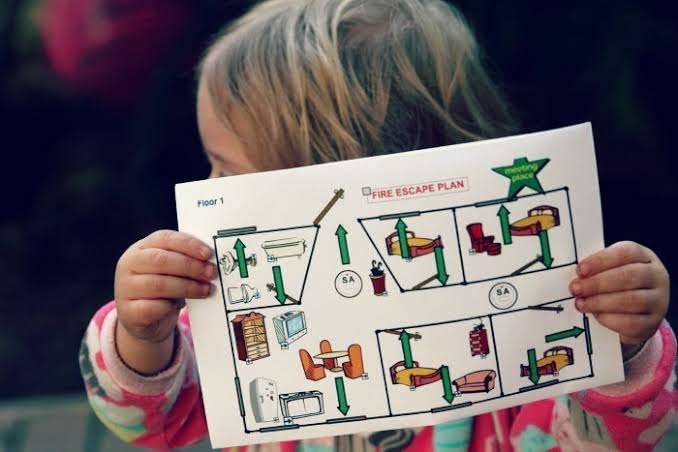
11. Prepare an Emergency Evacuation Plan
An evacuation plan provides clear instructions for leaving a building safely. It should be suitable for the number of occupants, the building layout, and the activities taking place.
A useful plan should identify:
1. Primary and alternative escape routes.
2. Emergency exit locations.
3. The designated outdoor assembly point.
4. People responsible for raising the alarm.
5. Arrangements for contacting emergency services.
6. Procedures for accounting for employees and visitors.
7. Assistance arrangements for people who may need additional support.
Emergency plans should be displayed in suitable locations and explained to occupants. Businesses should also conduct evacuation drills and review any difficulties identified.
People should never delay evacuation to collect personal belongings, documents, or business stock.
12. Pay Attention to Fire Safety in Homes
Fire prevention is not limited to commercial buildings. Homes also contain electrical appliances, cooking equipment, heating devices, and combustible materials.
Families can improve household safety by adopting a few practical habits:
– Check electrical appliances and replace damaged equipment.
– Keep cooking areas clean.
– Use gas appliances according to safety instructions.
– Keep matches and lighters away from children.
– Avoid unsafe electrical connections.
– Keep escape routes clear.
– Discuss a household emergency plan.
– Consider suitable smoke alarms and other protection equipment.
Children should be taught to recognise warning signs, stay away from dangerous equipment, and inform a responsible adult if they notice something unsafe.
13. Inspect Fire Safety Equipment Regularly
Fire safety equipment needs ongoing attention. Buying an alarm or extinguisher does not guarantee that it will work correctly years later.
Property owners and managers should establish a documented inspection schedule.
Regular checks should cover:
Fire alarms: Test and service the system according to manufacturer instructions and applicable requirements. Investigate faults promptly.
Extinguishers: Check their condition, accessibility, labels, and service status.
Emergency lighting: Ensure that required equipment is inspected and maintained.
Exit signs and doors: Confirm that signs are visible and escape routes remain usable.
Electrical installations: Arrange inspections and repairs through qualified professionals.
Maintenance records should include inspection dates, reported problems, corrective actions, and the responsible person.
14. Understand Fire Safety Responsibilities in Pakistan
Building owners and businesses in Pakistan should follow applicable building regulations, workplace safety requirements, and local authority rules.
The Building Code of Pakistan Fire Safety Provisions 2016 is an important reference for fire safety in buildings. Depending on the location and type of property, businesses may also need to coordinate with relevant development authorities, building control departments, Civil Defence, and other competent authorities.
Requirements can differ according to building use, occupancy, size, and risk. A residential property, shopping centre, factory, school, and warehouse may have different technical and safety requirements.
Property owners should consult qualified professionals and relevant authorities to understand which provisions apply to their premises. This is particularly important when constructing a new building, renovating an existing property, or changing how a building is used.
15. Make Fire Prevention a Cost-Effective Habit
Fire prevention does not always mean purchasing a large amount of equipment. Many useful improvements involve regular attention and responsible behaviour.
For example, keeping electrical panels clear, removing waste materials, repairing damaged cables, maintaining appliances, and checking emergency exits can improve safety without requiring major investment.
Businesses can create a practical programme by following these steps:
1. Inspect the premises and identify hazards.
2. Prioritise issues that need immediate attention.
3. Arrange professional repairs and assessments.
4. Select suitable fire detection and protection equipment.
5. Train employees and explain emergency procedures.
6. Schedule inspections and maintenance.
7. Review the programme whenever the building or its activities change.
A written fire safety checklist can help managers assign responsibilities and monitor improvements.
The Long-Term Value of Fire Prevention
Fire prevention should be viewed as an investment in people, property, and business stability. The cost of regular inspections, suitable equipment, and employee training is generally easier to plan for than the disruption that may follow a major fire.
A well-maintained building can also support better daily operations. Clear walkways, organised storage, properly maintained electrical systems, and documented safety procedures create a more controlled working environment.
For businesses, fire safety planning may help protect inventory, reduce interruptions, and support confidence among employees, customers, and visitors.
The most effective approach combines prevention, early warning, appropriate protection equipment, and a clear emergency response plan.
Conclusion
Fire prevention is a responsibility shared by homeowners, business owners, building managers, employees, and everyone who uses a property. Many fire risks can be reduced through simple actions such as maintaining electrical systems, using gas appliances safely, keeping storage areas organised, and ensuring emergency exits remain clear.
Suitable fire alarms, extinguishers, employee training, and regular inspections provide additional layers of protection. A professionally designed fire alarm system in Pakistan can help provide early warning, but it should always form part of a wider fire safety plan.
Whether managing a home, shop, office, factory, or warehouse, small improvements can make a meaningful difference. By identifying hazards early and maintaining good safety habits, people can create safer environments and reduce the likelihood of avoidable fire emergencies.
Frequently Asked Questions (FAQs)
1. What are the most effective ways to prevent fires?
The most effective measures include maintaining electrical systems, using gas appliances safely, keeping combustible materials away from ignition sources, practising good housekeeping, and arranging regular inspections. Suitable fire detection and protection equipment also supports a safer environment.
2. Why is a fire alarm system important?
A fire alarm system provides an early warning when connected detection devices identify specified fire conditions or when someone activates a manual call point. This alert can help occupants begin evacuation and contact emergency services promptly.
3. How often should fire safety equipment be checked?
Equipment should be inspected and main