Warehouses play an important role in Pakistan’s economy. They provide storage facilities for products, raw materials, machinery, packaging materials, food items, textiles, chemicals, and many other goods. From small storage buildings to large distribution centres, warehouses help businesses manage inventory and maintain smooth supply chains.
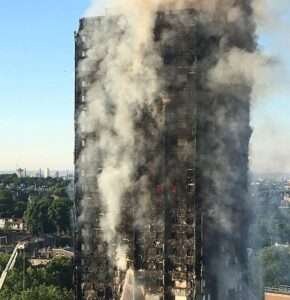
However, warehouses can also face significant fire risks. Large quantities of combustible materials, electrical equipment, machinery, forklifts, generators, and packaging supplies can increase the possibility of a fire. If a fire occurs, it may spread quickly, damage valuable stock, interrupt business operations, and put employees and nearby properties at risk.
Warehouse fire safety is not simply about purchasing expensive equipment. It involves identifying hazards, maintaining safe working conditions, installing suitable fire protection systems, training employees, and preparing for emergencies. Even small improvements can make a major difference when they are planned properly.
For warehouse owners and managers in Pakistan, investing in fire prevention and protection measures is a practical way to protect people, property, and business continuity. This guide explains the importance of warehouse fire safety, common hazards, preventive measures, and the role of reliable fire protection equipment.
Why Is Warehouse Fire Safety Important?
Warehouses often contain large amounts of stored material in one location. Depending on the type of business, these materials may include cardboard boxes, wooden pallets, plastic packaging, fabrics, paper products, furniture, and other combustible goods.
A fire can cause damage beyond the immediate storage area. Smoke may affect nearby sections, heat can damage equipment, and business operations may remain disrupted even after the incident has been controlled.
Effective fire safety helps businesses:
– Protect employees, visitors, and contractors.
– Reduce the likelihood of accidental fires.
– Limit damage to stored goods and equipment.
– Support business continuity.
– Improve emergency preparedness.
– Meet applicable safety and building requirements.
– Protect neighbouring buildings and communities.
Fire safety should be treated as an ongoing responsibility rather than a one-time installation project.
Common Causes of Warehouse Fires
Understanding the most common causes of warehouse fires is the first step towards prevention. Every warehouse has different risks depending on its size, stored materials, equipment, and daily activities.
1. Electrical Faults
Electrical problems are a common source of fire risk in commercial and industrial buildings. Damaged cables, overloaded circuits, loose connections, faulty switches, and poorly maintained electrical panels can create dangerous conditions.
Warehouses may operate lighting systems, conveyor belts, refrigeration equipment, charging stations, computers, and heavy machinery. When electrical systems are not inspected regularly, unnoticed faults can become serious hazards.
Businesses should arrange inspections by qualified electricians and replace damaged equipment promptly. Electrical panels should remain accessible and free from stored materials.
2. Improper Storage of Combustible Materials
Cardboard, paper, wood, textiles, plastics, and packaging materials can contribute to fire growth. Storing these materials close to electrical equipment, heat-producing machinery, or other potential ignition sources increases the risk.
Warehouse managers should establish suitable storage arrangements and maintain clear separation between hazardous materials and ordinary stock. Storage should also follow the recommendations of relevant fire safety professionals and applicable building requirements.
3. Machinery and Equipment
Forklifts, generators, conveyor systems, compressors, and other machinery can create fire hazards when they are damaged or poorly maintained.
Overheating, electrical defects, friction, and incorrect operation may increase the risk of an incident. Equipment should be maintained according to manufacturer instructions, and employees should report unusual sounds, overheating, or visible damage.
4. Smoking and Open Flames
Smoking in storage areas, maintenance workshops, and loading zones can create avoidable risks. Matches, lighters, and other ignition sources should not be used in areas where combustible materials are stored.
Warehouses should establish clearly communicated smoking restrictions and designate any permitted smoking area away from storage and operational hazards, in accordance with local rules.
5. Poor Housekeeping
Waste materials, unused packaging, dust, and blocked walkways can make warehouse environments less safe. Accumulated waste may provide additional combustible material, while clutter can obstruct access to exits and emergency equipment.
A regular housekeeping schedule helps keep storage areas organised and emergency routes clear.
Conduct Regular Warehouse Fire Risk Assessments
A fire risk assessment helps identify potential hazards before they result in an emergency. It should consider the warehouse building, stored materials, equipment, work processes, and people who use the premises.
A proper assessment should examine:
– Electrical installations and machinery.
– Types and quantities of stored materials.
– Storage arrangements and aisle clearance.
– Heating equipment and potential ignition sources.
– Fire detection and alarm coverage.
– Emergency exits and evacuation routes.
– Fire extinguishers and other protection equipment.
– Employee awareness and emergency procedures.
– Access for emergency responders.
The assessment should be reviewed whenever the warehouse layout changes, new materials are introduced, equipment is replaced, or working activities are modified.
Businesses with complex storage arrangements or higher-risk materials should seek guidance from qualified fire safety professionals.
Install a Reliable Fire Alarm System
Early warning is one of the most important parts of warehouse fire protection. A suitable alarm system can alert employees when smoke, heat, or another specified fire condition is detected.
A properly designed fire alarm system in Pakistan should be selected according to the warehouse’s size, layout, ceiling height, stored materials, and operating conditions.
Warehouses may have high ceilings, large open spaces, shelving systems, and areas where normal activities produce dust or heat. These conditions can affect detector selection and placement. Therefore, alarm design should be handled by competent professionals who understand the building’s specific requirements.
Important Components of a Fire Alarm System
Smoke detectors: These devices detect smoke particles and provide an early warning when suitable conditions are present. Their type and placement should reflect the environment in which they will operate.
Heat detectors: Heat detectors respond to temperature changes or temperatures reaching a defined level. They may be suitable for certain areas where smoke detection is less appropriate.
Manual call points: These allow people to activate the alarm manually when they identify a fire or another emergency requiring an alert.
Fire alarm control panel: The control panel receives signals from connected devices and manages alarm notifications. Depending on the system, it may also indicate the location or zone associated with an activation.
Sounders and visual indicators: Audible alarms and visual warning devices help alert people throughout the premises. Both may be important in noisy warehouse environments.
Why Professional Installation Matters
Installing alarm equipment without considering warehouse conditions can result in poor coverage or unwanted alarms. A professional assessment helps determine suitable devices, locations, wiring arrangements, and system configuration.
The system should also be tested and maintained according to manufacturer instructions and applicable standards. Employees should know what the alarm sounds like and understand the evacuation procedure.
Choose Appropriate Fire Extinguishers
Fire extinguishers can form part of a warehouse’s first-response equipment, but selecting the correct type is essential. Different extinguishers are designed for different fire classifications.
Common types include:
– Water extinguishers: Generally intended for suitable Class A fires involving ordinary combustible materials.
– Foam extinguishers: Suitable for certain Class A and Class B fire risks, subject to the product’s rating.
– Carbon dioxide extinguishers: Commonly used for certain electrical equipment and flammable-liquid fire risks.
– Dry chemical powder extinguishers: Available in different formulations for particular fire classifications.
– Wet chemical extinguishers: Designed mainly for specific cooking-oil and fat fire risks.
The correct equipment depends on the materials and hazards present in each warehouse area. Not every extinguisher is suitable for every fire. For example, using an unsuitable extinguisher on energised electrical equipment or certain chemical fires can create additional danger.
Extinguishers should be clearly visible, accessible, correctly labelled, and inspected by competent personnel. Employees should receive appropriate training, but they should never be expected to tackle a fire that is spreading or putting them at risk. Evacuation and raising the alarm must always take priority.
Keep Emergency Exits and Escape Routes Clear
A warehouse must provide safe and accessible evacuation routes. During an emergency, employees should be able to leave the building without moving through unnecessary obstacles or searching for an exit.
Storage racks, pallets, boxes, machinery, and delivery materials should never block emergency doors or escape routes.
Important precautions include:
– Keep aisles and walkways clear.
– Display appropriate emergency exit signs.
– Ensure exit doors can be opened as intended.
– Provide suitable emergency lighting where required.
– Make evacuation routes known to all employees.
– Identify safe assembly points outside the building.
– Consider the needs of visitors and people requiring assistance.
Warehouse managers should inspect escape routes regularly. A route that is clear during a morning inspection may become obstructed later by incoming stock or delivery equipment.
Maintain Safe Storage Practices
Organised storage is an important part of warehouse fire prevention. Goods should be stored according to their properties, handling requirements, and any applicable safety guidance.
Combustible products should be kept away from unsuitable heat sources and ignition hazards. Materials that require special handling should be stored in designated areas with appropriate controls.
Warehouse operators should also:
– Avoid excessive stock accumulation.
– Maintain suitable clearance around electrical panels.
– Keep fire protection equipment accessible.
– Follow safe stacking and shelving practices.
– Separate incompatible or hazardous materials.
– Dispose of waste packaging regularly.
– Keep storage arrangements consistent with the building’s fire protection design.
High storage racks may affect the movement of smoke and heat and can influence the type of fire protection required. Businesses should consult qualified professionals when planning major changes to storage height or layout.
Fire Protection for Generators and Electrical Equipment
Many warehouses in Pakistan use generators or backup power systems to maintain operations during electricity interruptions. Although these systems can be useful, they need proper installation, ventilation, maintenance, and operating controls.
Generator areas should be managed according to manufacturer instructions and relevant safety requirements. Fuel storage must be controlled, and generators should be kept away from unsuitable combustible materials.
Electrical equipment should also be checked regularly. Damaged cables, exposed connections, overloaded sockets, and temporary wiring should be addressed by qualified personnel.
A maintenance record can help managers track inspections, repairs, and recurring problems. This makes it easier to identify equipment that requires attention.
Train Employees in Warehouse Fire Safety
Fire protection equipment alone cannot create a safe workplace. Employees must understand how to respond when an alarm sounds and how to report hazards.
Training should be suitable for the warehouse’s activities and should cover:
– Recognising common fire hazards.
– Reporting damaged electrical equipment.
– Understanding alarm signals.
– Identifying emergency exits.
– Following evacuation instructions.
– Knowing the designated assembly point.
– Reporting blocked escape routes.
– Understanding the limits of fire extinguishers.
– Supporting visitors during evacuation.
New employees should receive fire safety information during their introduction to the workplace. Refresher sessions should be arranged periodically, particularly when warehouse procedures or layouts change.
Managers should also ensure that temporary workers, delivery personnel, and contractors receive relevant safety instructions.
Prepare a Practical Warehouse Fire Emergency Plan
An emergency plan provides clear instructions for employees and supervisors. It should explain what people need to do when a fire is suspected or an alarm is activated.
A useful warehouse emergency plan should identify:
1. How to raise the alarm.
2. Who is responsible for contacting emergency services.
3. Which exits and evacuation routes should be used.
4. Where employees should assemble.
5. How attendance will be checked.
6. How visitors and contractors will be accounted for.
7. Who will provide relevant information to emergency responders.
The plan should be written in clear language and displayed where employees can easily access it. Staff should not be instructed to collect belongings, retrieve stock, or return to the building during an emergency.
Regular evacuation drills help employees become familiar with the process. Any problems identified during a drill should be recorded and addressed.
Fire Safety Requirements in Pakistan
Warehouse owners and operators in Pakistan should consider applicable building regulations, fire safety provisions, workplace requirements, and local authority rules.
The Building Code of Pakistan Fire Safety Provisions 2016 is an important reference for fire safety in buildings. Depending on the location and nature of the facility, businesses may also need to coordinate with relevant development authorities, building control departments, Civil Defence, and other competent authorities.
Requirements can vary according to the building’s use, size, location, and risk profile. Businesses should not assume that one general checklist will meet every legal or technical requirement.
Professional advice can help warehouse operators understand the applicable provisions for fire detection, alarm systems, escape routes, emergency lighting, fire protection equipment, and building design.
Regular Inspection and Maintenance
Fire safety equipment must remain in working condition. A system that was correctly installed but is not maintained may fail to provide the expected protection during an emergency.
Warehouse managers should establish a documented inspection and maintenance programme covering:
Fire alarm systems: Arrange testing and servicing according to manufacturer guidance and applicable standards. Investigate faults and ensure that defective components are repaired.
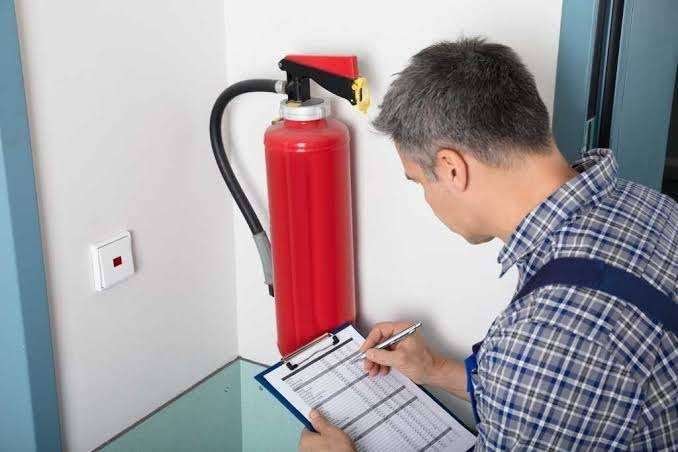
Fire extinguishers: Check accessibility, condition, labels, pressure indicators where applicable, and service records.
Emergency lighting: Confirm that emergency lighting equipment is inspected and maintained as required.
Exit routes: Check doors, signs, corridors, and assembly arrangements.
Electrical systems: Arrange suitable inspections by qualified electricians.
Fire doors and building protection: Ensure relevant doors and protective features are not damaged, obstructed, or incorrectly modified.
Maintenance records should include inspection dates, identified issues, corrective actions, and the responsible person.
The Financial Benefits of Investing in Fire Safety
Some warehouse owners delay fire safety improvements because they believe the initial cost will be too high. However, prevention and preparedness can help reduce the financial impact of a fire-related incident.
A fire may lead to damaged inventory, equipment replacement, building repairs, delivery delays, lost customers, and temporary closure. Businesses may also face additional costs associated with investigations, insurance requirements, and regulatory matters.
A planned investment in suitable alarms, extinguishers, inspections, employee training, and safe storage practices can help reduce avoidable risks.
Not every improvement requires a major budget. Simple actions such as removing waste, keeping exits clear, repairing damaged cables, and training employees can improve workplace safety.
The most effective approach is to prioritise improvements according to the findings of a risk assessment rather than purchasing equipment without considering actual needs.
How to Build a Cost-Effective Warehouse Fire Safety Programme
A practical fire safety programme should be based on the warehouse’s risks, available resources, and legal responsibilities.
Businesses can begin by taking the following steps:
1. Assess the building: Identify hazards, vulnerable areas, and existing protection measures.
2. Prioritise urgent problems: Address blocked exits, electrical defects, unsafe storage, and other immediate concerns.
3. Select suitable equipment: Choose alarms, extinguishers, and other systems based on professional advice.
4. Train employees: Explain emergency procedures and individual responsibilities.
5. Create an inspection schedule: Assign responsibility for routine checks and maintenance.
6. Review the programme: Update arrangements when the building, inventory, or operations change.
Keeping written records of these activities helps management monitor progress and demonstrate that fire safety is being taken seriously.
Conclusion
Warehouse fire safety is an essential investment for businesses throughout Pakistan. Warehouses contain valuable goods, equipment, and materials that can create fire risks when they are not managed properly. A fire can threaten employees, damage property, interrupt supply chains, and create long-term financial difficulties.
The good news is that many important safety improvements are practical and affordable. Regular risk assessments, organised storage, electrical maintenance, reliable alarm systems, suitable extinguishers, clear emergency exits, and employee training can all contribute to a safer working environment.
A properly planned fire alarm system in Pakistan can support early warning, while routine inspections and emergency planning help ensure that people know how to respond. Warehouse owners should work with qualified professionals and follow applicable regulations when selecting and maintaining fire protection measures.
Small investments in prevention and preparedness can make a significant difference. By making fire safety part of everyday warehouse management, businesses can better protect their employees, stock, property, and future operations.
Frequently Asked Questions (FAQs)
1. Why is fire safety important in warehouses?
Warehouses often store combustible materials, operate electrical equipment, and use machinery. Fire safety measures help protect employees, reduce property damage, support business continuity, and improve emergency preparedness.
2. What fire protection equipment does a warehouse need?
Depending on its size and risk assessment, a war