Shopping malls are important commercial centres in Pakistan. They bring together retail shops, restaurants, supermarkets, cinemas, entertainment areas, offices, food courts, and other businesses under one roof. Every day, these places welcome shoppers, employees, suppliers, contractors, and visitors.
Although malls create valuable business opportunities, their busy environments also require careful fire safety planning. Large numbers of people, electrical equipment, cooking facilities, decorative materials, storage areas, and multiple floors can make fire emergencies particularly challenging.
A fire incident in a shopping mall can threaten lives, damage property, interrupt business operations, and affect the reputation of the entire commercial centre. Even a small incident may create confusion if people do not receive a clear warning or understand where to go.
Mall fire safety is therefore a shared responsibility. Mall owners, facility managers, shopkeepers, restaurant operators, security teams, maintenance staff, and employees all have a role in maintaining a safe environment.
A suitable fire alarm system, appropriate firefighting arrangements, accessible emergency exits, regular inspections, and staff training can help reduce risks and improve emergency preparedness.
For businesses operating in Pakistan, understanding these responsibilities is essential. Here are five important reasons every business should take mall fire safety seriously.
1. It Protects Customers, Employees, and Visitors
The first and most important reason for mall fire safety is the protection of human life.
Shopping malls can become crowded, especially during weekends, public holidays, seasonal sales, and special events. People may be unfamiliar with the building, its emergency exits, and its evacuation arrangements.
Employees generally know their own work areas, but customers may be visiting for the first time. Families may include young children, older adults, and people who need additional assistance during an emergency.
These circumstances make clear warnings and organised evacuation procedures especially important.
Early warning helps people respond
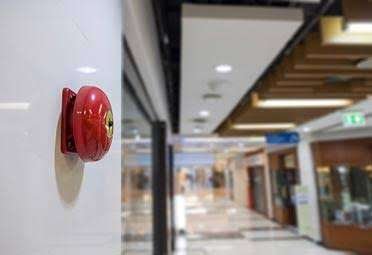
A fire alarm system is an important part of a mall’s life-safety arrangements. Depending on the building’s design and applicable requirements, it may include:
– Smoke detectors.
– Heat detectors.
– Manual call points.
– Audible alarm sounders.
– Visual warning devices.
– Fire alarm control panels.
– Emergency communication arrangements.
When a fire-related condition is detected, the system can alert occupants so they can follow the building’s emergency procedures.
In a large shopping mall, warning devices must be suitable for different environments. For example, a busy food court, noisy entertainment area, and quiet retail corridor may have different communication needs.
A properly designed system should be assessed by qualified professionals to ensure that warnings can reach the people who need them.
Businesses researching a Fire alarm system in Pakistan should consider the building’s size, layout, occupancy, and applicable safety requirements rather than choosing equipment based only on price.
Accessible evacuation arrangements matter
Not everyone can leave a building in the same way. Some visitors may have mobility difficulties, hearing or visual impairments, or other accessibility needs.
Mall management should consider these needs when preparing emergency procedures.
Important arrangements include:
– Clearly identified emergency exits.
– Accessible evacuation information.
– Suitable emergency lighting.
– Clear corridors and stairways.
– Appropriate assistance procedures.
– Designated assembly areas.
– Staff who understand their emergency responsibilities.
Lifts should not be used during a fire evacuation unless specifically designed and approved for that purpose under the building’s emergency arrangements.
Staff awareness supports public safety
Mall employees are often among the first people customers look to for guidance.
Security personnel, reception teams, shop employees, and facility staff should know how to recognise an alarm, communicate instructions, and direct people towards designated safe exits.
Regular training helps employees understand their responsibilities and respond more calmly.
Protecting customers and workers should always be the first priority during a fire emergency.
2. It Protects Shops, Property, and Business Investments
A shopping mall represents a major investment. Its buildings, electrical installations, lifts, escalators, air-conditioning systems, shops, restaurants, and shared facilities can involve substantial financial resources.
Individual businesses also invest in stock, furniture, display units, computers, refrigeration equipment, and other assets.
A fire can damage these resources and affect many businesses at the same time.
One incident can affect multiple businesses
Unlike a standalone shop, a shopping mall contains many connected commercial spaces. An emergency in one area may require nearby businesses to close while the building is assessed and made safe.
Even if a fire does not directly reach every shop, smoke, water used during firefighting, building damage, and temporary closure can disrupt surrounding businesses.
For example, a retail shop may lose access to its premises while safety inspections and repairs are completed. A restaurant may need to replace damaged equipment, while other businesses may experience delayed deliveries and reduced customer activity.
These effects demonstrate why fire safety should be considered a shared investment.
Different business areas require different precautions
A mall may contain several types of commercial activities, each with its own fire safety considerations.
Retail shops: Packaging, display materials, electrical equipment, and stock arrangements should be managed responsibly.
Restaurants and food courts: Cooking facilities, electrical appliances, ventilation systems, and fuel arrangements require appropriate professional oversight.
Supermarkets: Storage areas, refrigeration equipment, packaging, and electrical installations should be included in fire risk assessments.
Cinemas and entertainment areas: Large visitor numbers, enclosed spaces, lighting equipment, and seating arrangements make evacuation planning important.
Storage rooms: Stock and supplies should be stored according to their safety requirements, without obstructing access routes or safety equipment.
Mall management should coordinate with individual businesses so that safety arrangements cover both shared spaces and tenant premises.
Fire protection requires ongoing attention
Depending on the building’s design and applicable requirements, a mall may need suitable detection and alarm systems, automatic sprinklers, hydrants, extinguishers, emergency lighting, smoke-control arrangements, and fire-resistant building features.
These systems should be selected and maintained by qualified professionals.
Equipment should not simply be installed and forgotten. Regular inspections and maintenance help ensure that safety arrangements remain suitable as the building and its businesses change.
Protecting property is important, but equipment and stock must never be prioritised over the safe evacuation of people.
3. It Helps Prevent Business Disruption and Financial Loss
Mall businesses depend on customers, employees, suppliers, delivery services, and reliable building facilities. A serious fire can interrupt these relationships and affect commercial activity for an extended period.
Even after the immediate emergency has ended, businesses may face inspections, repairs, cleaning, equipment replacement, and other recovery requirements.
Temporary closure can affect every tenant
When a mall becomes unsafe or inaccessible, individual businesses may be unable to operate.
This can lead to:
– Delayed customer orders.
– Lost trading opportunities.
– Interrupted staff schedules.
– Damaged stock and equipment.
– Delayed supplier deliveries.
– Additional repair and relocation costs.
– Reduced customer confidence.
Smaller businesses may be particularly affected if they depend on daily sales and have limited alternative locations.
Prevention supports business continuity
A planned fire safety programme helps businesses identify risks and prepare for emergencies.
It should include appropriate equipment, professional inspections, staff awareness, clear evacuation procedures, and regular reviews.
Mall management should also have a business continuity plan explaining how essential operations will be managed if part of the building becomes unavailable.
Such planning may identify alternative communication arrangements, important supplier contacts, emergency responsibilities, and procedures for informing tenants and customers.
Insurance is not a substitute for safety
Some businesses maintain insurance policies that cover certain fire-related losses. However, coverage depends on the policy terms, exclusions, conditions, and circumstances of the incident.
Insurance cannot prevent an emergency, protect customers from danger, or guarantee that a business will avoid interruption.
Businesses should understand their insurance arrangements while maintaining appropriate safety measures.
A suitable fire alarm system is one part of a wider approach that helps protect people and supports business continuity.
4. It Helps Businesses Meet Fire Safety Requirements in Pakistan
Businesses operating in shopping malls must understand the fire safety requirements that apply to their premises.
In Pakistan, the Building Code of Pakistan Fire Safety Provisions 2016 is an important national reference for building fire protection and life safety. The Pakistan Engineering Council lists these provisions among its building codes and standards.
The code includes requirements and guidance concerning fire protection systems, means of escape, building occupancy, and other safety considerations. The precise requirements for a mall depend on its design, size, use, and the authority responsible for enforcement.
Fire detection and firefighting arrangements
Punjab Civil Defence identifies several fire safety measures for commercial premises and high-rise buildings, including:
– Fire detection and alarm systems.
– Firefighting arrangements.
– Fire extinguishers and hydrants.
– Sprinkler systems.
– Fire safety plans.
– Emergency fire control rooms.
– Emergency exits and evacuation plans.
– Ventilation and air-conditioning arrangements.
These measures show that fire safety involves more than purchasing extinguishers or installing an alarm panel. A building needs an organised system of prevention, warning, evacuation, and maintenance.
Recent attention to building safety
Fire safety has received increased attention in Pakistan following serious incidents involving commercial buildings.
In September 2026, reporting by Dawn described amendments to Punjab’s building safety regulations covering commercial, industrial, healthcare, residential multistorey buildings, and warehouses. The reported changes included provisions concerning emergency exits, fire alarm arrangements, equipment, and evacuation planning.
Mall owners and businesses should check the current requirements that apply in their province and local jurisdiction rather than assuming that one set of rules applies identically everywhere.
Mall management and individual tenants share responsibility
Mall management generally oversees shared building systems and common areas. Individual shop owners and tenants also need to maintain safe conditions within their own premises.
Responsibilities may include:
– Keeping shop exits and access routes clear.
– Maintaining suitable electrical installations.
– Following approved storage arrangements.
– Avoiding obstruction of firefighting equipment.
– Providing appropriate staff training.
– Following mall emergency procedures.
– Reporting damaged or malfunctioning safety equipment.
Tenancy agreements and building procedures may also define specific responsibilities.
Maintain inspection and training records
Accurate documentation helps management monitor fire safety arrangements.
Useful records include:
– Fire risk assessment reports.
– Fire alarm inspection and maintenance records.
– Firefighting equipment servicing records.
– Staff training attendance.
– Evacuation drill reports.
– Emergency plan updates.
– Reports of identified safety concerns and corrective action.
Businesses should consult relevant authorities and qualified professionals to understand their obligations.
Compliance is important, but it should be treated as a minimum standard. The wider goal is to maintain a safe environment for everyone using the mall.
5. It Builds Customer Confidence and a Responsible Business Reputation
Customers expect shopping centres to provide a reasonably safe environment. They may not see the fire alarm control room, inspection records, or maintenance work, but they benefit from the safety arrangements behind the scenes.
A mall that takes fire safety seriously demonstrates responsible management and care for its visitors, employees, and tenants.
Safety influences customer confidence
People visit malls to shop, eat, watch films, attend events, and spend time with family and friends.
If emergency exits are blocked, safety signs are missing, or alarms appear poorly maintained, visitors may lose confidence in the building’s management.
A visible commitment to safety can help create a more organised and reassuring environment.
A shared safety culture benefits everyone
Mall management should communicate safety expectations to tenants, employees, contractors, and service providers.
Individual businesses should make sure their teams understand the building’s emergency arrangements.
A positive safety culture includes:
– Reporting hazards promptly.
– Keeping work areas organised.
– Respecting emergency exits.
– Following approved electrical safety practices.
– Participating in relevant training.
– Cooperating with inspections.
– Following emergency instructions.
Staff should be encouraged to report safety concerns through established channels.
Regular drills improve preparedness
Fire drills help employees become familiar with emergency procedures and designated assembly areas.
Drills should be planned with appropriate management and relevant authorities where required. They should account for the building’s layout, visitor numbers, and the needs of people who may require assistance.
After a drill, management can review whether instructions were clear, whether evacuation arrangements worked as intended, and whether any issues need to be addressed.
Drills are not simply formal exercises. They help identify weaknesses in emergency planning before a real incident occurs.
A responsible approach to fire safety can strengthen trust among customers, tenants, employees, and business partners.
The Importance of a Suitable Fire Alarm System in a Shopping Mall
A fire alarm system plays a central role in warning people about an emergency.
Shopping malls often have several floors, long corridors, large open spaces, food courts, parking facilities, and different tenant areas. A suitable system must account for these features.
Common system components
Depending on the building’s design and requirements, a system may include:
Smoke detectors: Devices designed to detect smoke under suitable environmental conditions.
Heat detectors: Devices used where heat detection is more suitable for the environment.
Manual call points: Devices that allow a person to activate the alarm when an emergency is noticed.
Audible sounders: Equipment that provides an audible warning.
Visual warning devices: Flashing indicators that help communicate an alarm in suitable locations.
Control panels: Equipment that receives information from detection devices and manages system functions.
Emergency communication systems: Arrangements that help provide instructions to occupants where required by the building’s design and applicable standards.
Professional design is essential
A system should be designed according to the building’s occupancy, floor layout, ceiling height, environmental conditions, and applicable requirements.
Mall management should work with qualified fire safety professionals to determine the appropriate equipment and system arrangement.
Installation, testing, and maintenance should also be carried out by competent personnel.
When evaluating a Fire alarm system in Pakistan, businesses should consider professional expertise, equipment suitability, maintenance support, and compliance with relevant requirements.
The cheapest option is not necessarily the most suitable choice for a busy commercial building.
Common Mall Fire Safety Mistakes Businesses Should Avoid
Even a mall with modern facilities can face safety problems if routine responsibilities are neglected.
Common mistakes include:
1. Blocking emergency exits: Displays, stock, furniture, or delivery materials should not obstruct designated escape routes.
2. Ignoring alarm maintenance: Detection and warning systems require regular professional inspection.
3. Poor electrical maintenance: Damaged installations should be reported and assessed by qualified professionals.
4. Neglecting employee training: Workers should understand alarm procedures and evacuation arrangements.
5. Ignoring storage safety: Materials should be stored according to their relevant safety requirements.
6. Failing to coordinate with mall management: Individual businesses must understand the building’s emergency procedures.
7. Overlooking visitors with accessibility needs: Evacuation arrangements should consider people who may require assistance.
8. Keeping incomplete records: Inspection, servicing, and training activities should be documented.
Addressing these issues helps create a more organised and responsible working environment.
A Practical Mall Fire Safety Checklist
Mall owners, facility managers, and business operators can use this checklist as a starting point:
– [ ] A suitable fire risk assessment has been completed.
– [ ] Fire detection and alarm arrangements are appropriate for the building.
– [ ] Alarm systems receive professional inspection and maintenance.
– [ ] Firefighting equipment is suitable and maintained.
– [ ] Emergency exits and escape routes remain accessible.
– [ ] Exit signs and emergency lighting are maintained.
– [ ] Common areas are kept free from unnecessary obstructions.
– [ ] Individual tenants understand their safety responsibilities.
– [ ] Electrical installations receive appropriate professional attention.
– [ ] Emergency communication procedures are established.
– [ ] Staff receive suitable fire safety training.
– [ ] Evacuation drills are organised where required.
– [ ] Assembly areas and evacuation arrangements are communicated.
– [ ] Inspection and maintenance records are kept up to date.
This checklist is a general guide, not a replacement for a professional fire risk assessment or an inspection by the relevant authority.
Conclusion
Mall fire safety is essential because shopping centres bring together large numbers of people, businesses, valuable property, and different commercial activities. A fire emergency can affect customers, employees, shop owners, suppliers, and the surrounding community.
The five main reasons every business needs mall fire safety are protecting people, safeguarding property, reducing business disruption, meeting applicable requirements, and building customer confidence.
For businesses in Pakistan, suitable fire detection and alarm arrangements, appropriate firefighting systems, accessible emergency exits, regular inspections, and staff training are important parts of a comprehensive safety programme.
Mal