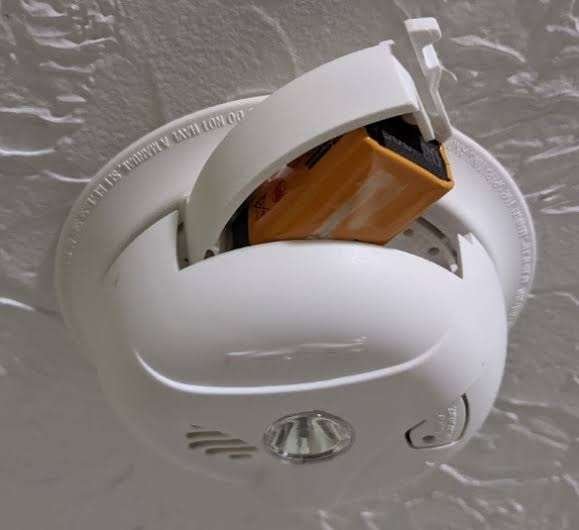
A smoke alarm is one of the simplest and most important devices a household can have for fire safety. It is designed to detect smoke and provide an audible warning, helping people recognise a possible fire and leave the building promptly. However, installing a smoke alarm is not enough. It must also have a reliable power supply and be maintained according to the manufacturer’s instructions.
One small but important part of household fire protection is the smoke alarm battery. A weak, missing, or incorrectly fitted battery can prevent a battery-powered alarm from working when it is needed. Even alarms connected to household electricity may require backup batteries to remain operational during a power interruption.
In Pakistan, where households may experience electricity interruptions and use a variety of electrical appliances, maintaining fire detection equipment deserves attention. A properly selected fire alarm system in Pakistan can support early warning, but homeowners should understand the difference between a standalone smoke alarm and a larger integrated fire alarm system.
This guide explains the importance of smoke alarm batteries, how to maintain them, what warning signs to recognise, and how to build a practical home fire-safety routine.
1. Why Are Smoke Alarm Batteries Important?
Smoke alarms need electricity to operate. Battery-powered models receive their power directly from an internal battery, while hardwired alarms normally receive electricity from a building’s electrical supply and may also contain a backup battery.
The battery is especially important when the main electricity supply is unavailable. If a hardwired alarm has a backup battery, that battery may help it continue operating during a power interruption, depending on the model and system design.
A smoke alarm with a missing or exhausted battery may not provide the warning it was designed to deliver.
For this reason, homeowners should not treat batteries as minor accessories. They are part of the alarm’s power arrangement and need appropriate attention.
A household maintenance routine should include:
– Checking that each alarm is present and properly installed.
– Testing alarms according to manufacturer instructions.
– Recognising low-battery warning signals.
– Replacing batteries when required.
– Checking the alarm’s age and condition.
– Confirming that backup power arrangements are maintained where applicable.
These simple habits can help households avoid discovering a power problem during an emergency.
2. Understand the Different Types of Smoke Alarm Power Supplies
Not every smoke alarm uses the same type of battery. Before purchasing a replacement, homeowners should identify the alarm model and read its instructions.
The most common arrangements include the following.
Battery-powered smoke alarms
These alarms operate using batteries rather than a direct household electrical connection. Depending on the model, they may use replaceable batteries or a sealed long-life battery.
They can be useful in locations where installing electrical wiring is difficult, provided the device is suitable for the property and installed correctly.
Hardwired smoke alarms with backup batteries
These alarms are connected to the building’s electrical supply. Many models also include a backup battery to support operation during a power interruption.
The backup battery should not be ignored simply because the alarm normally receives electricity from the building.
Long-life sealed battery alarms
Some smoke alarms contain a sealed battery designed to last for the stated service life of the device. The battery is not intended for routine replacement by the homeowner.
When the unit reaches the end of its service life or indicates a fault that cannot be corrected according to the manufacturer’s instructions, the complete alarm may need replacement.
Integrated fire alarm systems
Larger residential buildings may have a central fire alarm arrangement with detectors, control equipment, notification devices, and standby power.
These systems are different from a single household smoke alarm. Their batteries and backup power supplies should be inspected and maintained by competent personnel according to the system design.
3. How to Know When a Smoke Alarm Battery Needs Attention
Smoke alarms may provide warning signals when their power supply is low or when the device has a fault. The exact signal depends on the manufacturer and model.
Common warning signs include:
– Repeated short chirping sounds.
– A low-battery indicator.
– A warning light or fault indication.
– Failure to respond during the manufacturer’s recommended test.
– A device that repeatedly loses power.
– A backup battery warning on a hardwired alarm.
A short periodic chirp may indicate a low battery, but it can also indicate another problem. Homeowners should check the product instructions rather than assuming every sound means the same thing.
If the alarm continues to indicate a fault after the recommended battery replacement, the device may need further inspection or replacement.
Do not ignore warning sounds or leave an alarm without power. If you are unsure how to handle the device, ask a responsible adult or qualified technician for help.
4. Choose the Correct Replacement Battery
The correct replacement battery depends on the smoke alarm’s design. Some models use replaceable batteries, while others have sealed power supplies.
Using an unsuitable battery may affect the device’s operation. Homeowners should therefore check the model information and manufacturer instructions before replacing anything.
Consider the following points:
Battery type: Confirm the exact battery type specified by the manufacturer.
Compatibility: Do not assume that batteries with similar shapes or sizes are interchangeable.
Product condition: Use a suitable battery from a reliable source and check its packaging and condition.
Expiry information: Pay attention to the battery’s stated expiry or use-by information where provided.
Installation instructions: Follow the device manufacturer’s instructions for replacement.
Post-replacement testing: Test the alarm using its built-in test function after replacement, as directed by the manufacturer.
Avoid modifying the alarm or forcing a battery into a compartment that does not fit correctly. If the battery compartment or alarm appears damaged, arrange professional assistance or replacement.
5. Test Your Smoke Alarms Regularly
Testing helps homeowners check whether an alarm responds as intended. A smoke alarm should not be installed and forgotten.
The US Fire Administration recommends testing smoke alarms monthly and following the manufacturer’s instructions for battery replacement and overall device maintenance.
A simple household routine can include:
– Making a monthly reminder to test alarms.
– Checking that the alarm responds to its test button.
– Listening to confirm that the warning sound can be heard.
– Checking the device for visible damage.
– Reviewing any warning lights or fault signals.
– Recording maintenance dates where several alarms are installed.
The test button checks the alarm’s test function, but it should not be treated as a substitute for every type of professional inspection or sensor test.
For more complex systems, qualified technicians should carry out the inspection and testing required by the system design and applicable standards.
6. How Often Should Smoke Alarm Batteries Be Replaced?
There is no single replacement schedule for every smoke alarm. The correct interval depends on the battery type and manufacturer’s instructions.
For example, the US Fire Administration advises that conventional 9-volt smoke alarm batteries should generally be replaced at least once a year. It also explains that sealed long-life battery alarms should be replaced according to the manufacturer’s instructions.
Hardwired alarms may have backup batteries that require separate maintenance.
Homeowners should follow the instructions for their specific model rather than applying one schedule to every device.
A practical approach is to:
1. Identify the make and model of each alarm.
2. Read the manufacturer’s battery guidance.
3. Keep a record of replacement dates.
4. Respond promptly to low-battery warnings.
5. Check the alarm’s overall service life.
6. Replace the complete device when required.
Some smoke alarms have a limited service life even when their batteries still appear functional. Check the manufacturing date and replacement guidance printed on the unit or included in its documentation.
7. Never Remove a Battery Just to Stop an Unwanted Alarm
An alarm that sounds during cooking or another ordinary household activity can be frustrating. However, removing its battery or leaving it disabled can create a serious safety problem.
A smoke alarm that has been switched off cannot provide its intended warning.
If an alarm sounds and there is no obvious explanation, do not immediately assume it is a false alarm. First, make sure everyone is safe and check for signs of smoke or fire without entering a dangerous area.
If there is a possible fire, leave the building and contact emergency services.
For nuisance alarms associated with cooking or steam, follow the manufacturer’s instructions. Some alarms have a hush feature designed for temporary use in appropriate circumstances.
If nuisance alarms happen repeatedly, the alarm may be poorly positioned, unsuitable for the location, dirty, or faulty. Ask a qualified professional to identify and correct the problem.
Never leave a smoke alarm without power as a permanent solution.
8. Keep Smoke Alarms Clean and in Good Condition
Dust and other airborne particles can affect the performance of some smoke alarms. Regular cleaning, where recommended by the manufacturer, is therefore an important part of maintenance.
Homeowners should inspect alarms for:
– Visible dust or dirt.
– Physical damage.
– Loose or damaged mounting.
– Discolouration or signs of ageing.
– Warning lights or fault signals.
– Repeated unwanted alarms.
Follow the cleaning instructions supplied with the device. Do not open, dismantle, or apply cleaning products to internal components unless the manufacturer specifically permits it.
Keep the surrounding area suitable for the alarm’s operation. Avoid covering the device or placing objects where they may interfere with its detection capability.
If an alarm is damaged, unreliable, or beyond its recommended service life, arrange replacement.
9. Install Smoke Alarms in Suitable Locations
The location of a smoke alarm affects how effectively it can warn occupants.
Placement recommendations vary according to the building layout, alarm design, and applicable standards. Homeowners should follow the manufacturer’s instructions and seek professional advice where necessary.
General home-safety guidance commonly recommends smoke alarms:
– On each level of a home.
– Inside bedrooms where required or recommended.
– Outside sleeping areas.
– In suitable locations along routes used to leave the building.
The alarm should be positioned according to its instructions. Many domestic smoke alarms are designed for ceiling or high-wall installation, but the correct position depends on the product.
Avoid placing alarms where cooking fumes, steam, or other normal household conditions may cause frequent nuisance alerts unless the device is specifically designed for that environment.
A qualified installer can help determine suitable locations for a larger or more complex household arrangement.
10. Smoke Alarms and Power Interruptions in Pakistan
Electricity interruptions can affect household electrical equipment. This makes it important to understand whether a smoke alarm depends entirely on the main supply or has a suitable backup arrangement.
Battery-powered alarms operate independently of the household electrical connection, provided their batteries are maintained.
Hardwired alarms may use backup batteries to support operation when the main supply is unavailable. However, backup performance depends on the device, battery condition, and system design.
Homeowners should check:
– Whether the alarm is battery-powered or hardwired.
– Whether a backup battery is included.
– How the manufacturer recommends testing the backup supply.
– Whether warning signals indicate a power or battery fault.
– Whether professional maintenance is needed.
For apartment buildings and larger residential properties, building management should ensure that shared fire alarm arrangements and standby power supplies receive appropriate maintenance.
11. The Role of a Fire Alarm System in Pakistan
A standalone smoke alarm is generally a local warning device. A larger fire alarm system can connect multiple detection and notification components to provide a coordinated warning throughout a building.
Depending on the property, a more extensive arrangement may include:
– Smoke and heat detectors.
– Manual alarm call points.
– A central control panel.
– Audible and visual warning devices.
– Backup power supplies.
– Interconnected detection and notification equipment.
The Building Code of Pakistan Fire Safety Provisions 2016 includes requirements relating to fire alarm systems and smoke alarms for specified building occupancies.
The exact requirements depend on the type of building and its use. A private house, apartment building, hotel, hospital, and commercial property may have different fire-safety needs.
When considering a fire alarm system in Pakistan, homeowners and building managers should seek advice from qualified professionals. Equipment should be suitable for the building and installed, tested, and maintained according to relevant requirements.
Battery maintenance remains important even when a building has a larger integrated system. Backup power arrangements should be included in the maintenance programme.
12. Create a Simple Household Smoke Alarm Maintenance Schedule
A written schedule makes it easier to remember routine checks. Families can use a calendar or household maintenance notebook to record important dates.
Maintenance activity| Suggested approach
Test alarm| Monthly, following manufacturer instructions
Check warning signals| Whenever a warning or chirp occurs
Replace ordinary batteries| According to manufacturer guidance
Check backup batteries| According to system instructions
Clean alarm| As directed by the manufacturer
Review device age| Check the manufacturing date and service-life guidance
Professional inspection| As required for the device or larger system
This schedule is a general guide, not a replacement for the instructions supplied with the alarm.
If several alarms are installed, label or record their locations. This helps family members identify which device needs attention.
13. Teach Every Family Member About Smoke Alarms
A smoke alarm is useful only when household members recognise its warning and understand how to respond.
Children should know that an alarm is a signal to leave the building and alert a responsible adult. They should never be expected to investigate a possible fire, handle electrical equipment, or attempt to extinguish a fire.
Families can discuss:
– What the household alarm sounds like.
– Which safe exit routes are available.
– Where everyone should meet outside.
– How to contact emergency services with adult assistance.
– Why alarms must never be covered or disabled.
– Why warning sounds should always be taken seriously.
Practising a simple household evacuation plan can help everyone understand what to do during an emergency.
The plan should also consider older relatives, people with disabilities, and household members who may need assistance.
14. Common Smoke Alarm Battery Mistakes to Avoid
Small maintenance mistakes can reduce the reliability of household smoke alarms.
Some common problems include:
Ignoring low-battery warnings: Repeated chirping should be investigated promptly.
Using an unsuitable battery: Always check the manufacturer’s specifications.
Forgetting backup batteries: Hardwired alarms may still depend on backup power during an outage.
Removing batteries to silence an alarm: This can leave the home without the intended warning.
Skipping regular tests: A device may develop a fault even if it looks normal.
Ignoring the device’s age: Smoke alarms have a recommended service life.
Assuming every alarm works the same way: Battery types, warning signals, and maintenance requirements vary between models.
Avoiding these mistakes helps homeowners maintain a more dependable household fire-detection arrangement.
Conclusion
Smoke alarm batteries may seem like a small household detail, but they are an important part of fire protection. A smoke alarm cannot provide its intended warning if its power supply is missing, exhausted, or faulty.
Homeowners should identify the type of alarm installed, follow the manufacturer’s battery instructions, test devices regularly, and respond promptly to warning signals. They should also keep alarms clean, check their service life, and make sure every family member understands what to do when an alarm sounds.
For households in Pakistan, reliable smoke detection should be considered part of a broader fire-safety plan. A suitable fire alarm system in Pakistan, supported by proper installation and maintenance, can help provide early warning and improve household preparedness.
The most important step is not simply buying a smoke alarm. It is making sure the device remains ready to work.
Frequently Asked Questions (FAQs)
1. Do smoke alarms need batteries?
Many smoke alarms operate using replaceable or sealed batteries. Hardwired models normally use household electricity and may also have backup batteries. Check the manufacturer’s instructions to understand the power arrangement of your device.
2. How often should smoke alarm batteries be replaced?
The replacement schedule depends on the alarm and battery type. Conventional batteries may require regular replacement, while sealed long-life batteries are designed to last for the stated service life of the device. Always follow the manufacturer’s guidance.
3. What does a chirping smoke alarm usually mean?
A periodic chirp often indicates a low battery or another fault. The exact meaning depends on the model. Check the user manual and address the warning promptly rather than ignoring it.
4. Should I remove the smoke alarm battery if the alarm sounds while cooking?
No. Removing the battery can leave the alarm unable to provide a warning. Follow the manufacturer’s guidance and use a hush feature only if the alarm has one and the situation is appropriate. If there may be a fire, leave the building and contact emergency services.
5. Can a hardwired smoke alarm work during a power outage?
Some hardwired smoke alarms have backup batteries that can support operation during a power interruption. The backup arrangement and its operating period depend on the model. Check the manufacturer’s instructions and maintain the backup battery as recommended.