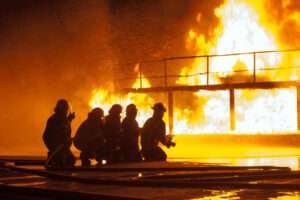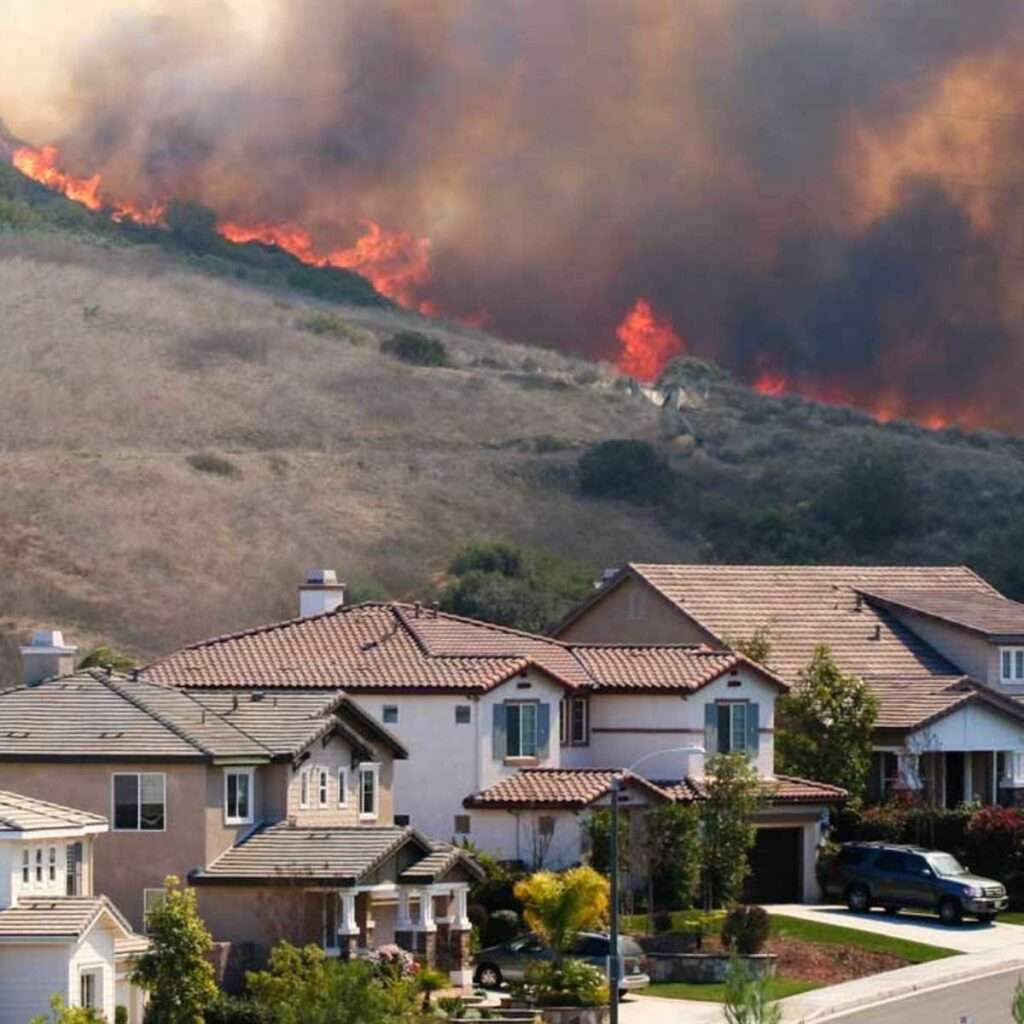
Wildfires are a serious environmental and public safety concern. They can spread across forests, grasslands, hillsides, and other areas containing dry vegetation. Although they often begin far from residential neighbourhoods, changing weather conditions and nearby vegetation can allow fires to threaten houses, farms, roads, and entire communities.
In Pakistan, wildfire awareness is particularly important for people living near forests, mountains, agricultural land, and areas with dry vegetation. Regions in Khyber Pakhtunkhwa, Gilgit-Baltistan, Azad Jammu and Kashmir, and parts of Balochistan may face seasonal forest-fire risks. However, no homeowner should assume that their property is completely protected simply because it is not located inside a forest.
Wildfire safety begins long before smoke becomes visible. Homeowners can reduce risks by maintaining their surroundings, understanding local warnings, preparing an evacuation plan, and ensuring that household fire protection equipment is properly maintained.
A reliable fire alarm system in Pakistan can also improve household fire awareness by providing early warning of indoor fire incidents. While ordinary home alarms are not designed to detect distant wildfires, they remain an important part of an overall home fire-safety plan.
This guide explains how homeowners can understand wildfire risks, prepare their properties, protect their families, and respond safely when a wildfire threatens their area.
1. Understanding Wildfires and Their Causes
A wildfire is an uncontrolled fire that spreads through natural vegetation, including grass, bushes, shrubs, and trees. It can begin naturally or through human activities.
Lightning is one natural cause. However, many fires are associated with preventable human behaviour, such as careless disposal of smoking materials, unattended outdoor fires, or activities that create accidental sparks.
Three major factors influence wildfire behaviour:
Vegetation: Dry leaves, grass, branches, and other plant materials can provide fuel for a spreading fire.
Weather: High temperatures, low humidity, dry conditions, and strong winds can increase the risk of rapid fire spread.
Landscape: Steep slopes and difficult terrain can make wildfire management more challenging.
Homeowners should understand these factors because wildfire risk is not limited to the presence of trees. Dry grass, unmanaged vegetation, and surrounding environmental conditions can also create hazards.
Pakistan’s National Disaster Management Authority (NDMA) identifies forest fires as a significant concern for forests, communities, and livelihoods. Its national forest-fire guidance highlights the importance of preparedness, monitoring, coordination, and community participation.
2. Identify Wildfire Risks Around Your Property
The first step in protecting a home is understanding its surroundings. A property near a forest, hillside, open field, or dry grassland may face different risks from a house in a densely populated urban neighbourhood.
Homeowners should pay attention to:
– Dry grass and unmanaged plants near the property.
– Trees and shrubs close to buildings.
– Nearby forests or areas with a history of vegetation fires.
– Roads that may become difficult to access during an emergency.
– Limited access to reliable emergency information.
– Nearby buildings or structures that could create additional fire exposure.
People living in rural and mountainous communities should also consider seasonal changes. Vegetation that appears harmless during a rainy period may become dry and more vulnerable during hotter months.
Ask local authorities whether your area has experienced wildfire incidents or has been identified as a high-risk location. Local forest departments and disaster management authorities may provide useful information about seasonal conditions.
3. Keep the Area Around Your Home Well Maintained
Property maintenance is an important part of wildfire preparedness. Dry vegetation and accumulated combustible materials near a house can increase the amount of material exposed to an approaching fire.
Homeowners should regularly inspect their gardens, outdoor spaces, and property boundaries.
Useful maintenance measures include:
– Removing accumulated dry leaves and dead vegetation through safe, routine gardening.
– Keeping gardens and outdoor spaces organised.
– Maintaining trees and plants according to local guidance.
– Avoiding unnecessary storage of combustible household materials outdoors.
– Keeping entrances, driveways, and access routes clear.
– Disposing of garden waste responsibly.
Do not burn garden waste as a convenient disposal method. Outdoor burning can become difficult to control, particularly in dry or windy conditions, and may be prohibited by local authorities.
For larger properties, professional landscaping advice can help homeowners understand how vegetation and building surroundings should be managed.
4. Improve the Fire Safety of Your Home
A wildfire can create risks beyond direct contact with flames. Smoke, airborne embers, heat, and damage to nearby infrastructure may also affect residential areas.
Homeowners should therefore consider the general fire resistance and maintenance condition of their properties.
Inspect the roof, doors, windows, balconies, and other external areas for maintenance problems. Repair damaged sections and discuss suitable building materials with qualified professionals.
Keep outdoor spaces organised and avoid leaving unnecessary combustible materials around the house. Store household materials according to their safety instructions and keep them away from sources of heat.
Homeowners should also pay attention to the condition of electrical installations. Damaged wiring, overloaded electrical connections, and poorly maintained appliances can create separate fire hazards inside a property.
For significant improvements, consult qualified electricians, building professionals, and fire-safety specialists. The correct approach depends on the building design, local conditions, and applicable regulations.
5. Install Suitable Fire Detection and Alarm Equipment
Early warning is an essential part of household fire protection. A smoke alarm can alert occupants when smoke is detected inside a protected area, giving them an opportunity to leave the building and contact emergency services.
However, it is important to understand the difference between household fire detection and wildfire monitoring.
A typical domestic smoke detector is designed to identify smoke within its detection area. It should not be treated as a system for detecting a wildfire approaching from a distant forest or hillside.
A suitable home fire protection arrangement may include:
– Smoke alarms in appropriate household locations.
– Carbon monoxide alarms where recommended for household appliances and fuel-burning equipment.
– Audible warning devices that can be heard by occupants.
– Reliable power supplies and backup arrangements where required.
– Professional installation and routine testing.
A properly selected fire alarm system in Pakistan can support household safety by providing warnings about indoor fire incidents. The equipment should be selected according to the property’s layout, size, and relevant safety requirements.
For larger houses, apartment buildings, and shared residential facilities, professional advice may be necessary to determine the appropriate detection and alarm arrangement.
Remember that alarms do not replace evacuation planning. Their purpose is to provide warnings, not to guarantee that a building will remain safe during a wildfire.
6. Prepare a Family Wildfire Emergency Plan
Every household should have a clear emergency plan. Family members should understand what to do if local authorities issue a wildfire warning or evacuation instruction.
A useful plan should include:
Emergency contacts: Keep important contact numbers accessible. Include local emergency services, relevant authorities, and trusted family members.
Meeting arrangements: Choose a safe meeting location outside the affected area. Make sure everyone understands how to reach it.
Evacuation routes: Identify more than one possible route where available. Roads may become blocked by traffic, smoke, or emergency activity.
Family responsibilities: Adults should understand how to help children, older relatives, and anyone who may need additional assistance.
Communication arrangements: Decide how family members will contact one another if they become separated.
Pet arrangements: Include household pets in the evacuation plan and identify suitable carriers or transport arrangements in advance.
Review the plan periodically and update it when family circumstances or local conditions change.
Children should know how to recognise an emergency warning, contact a trusted adult, and follow evacuation instructions. They should never be expected to investigate a fire or attempt to control it.
7. Prepare an Emergency Kit
An emergency kit can make an unexpected evacuation more organised. Homeowners should prepare essential items before wildfire season rather than waiting until an emergency develops.
A basic household kit may include:
– Drinking water.
– Non-perishable food.
– A first-aid kit.
– Essential medicines managed by an adult.
– A torch and spare batteries.
– A battery-powered or rechargeable communication device.
– Copies of important documents stored securely.
– Basic hygiene supplies.
– Suitable clothing and footwear.
– Essential items for children, older relatives, and pets.
Keep the kit somewhere accessible. Household members should know where it is stored.
Avoid packing unnecessary belongings that could delay evacuation. Personal safety is more important than property or possessions.
For families living in areas with recurring seasonal fire risks, reviewing the emergency kit before the relevant season can help ensure that essential supplies remain usable.
8. Understand Wildfire Warnings and Weather Conditions
Wildfire conditions can change quickly. A period of hot, dry weather may increase the vulnerability of vegetation, while strong winds can make an existing fire more unpredictable.
Homeowners should follow information from reliable sources, including:
– National Disaster Management Authority (NDMA).
– Provincial Disaster Management Authorities (PDMAs).
– Local forest departments.
– District administrations.
– Official weather advisories.
– Local emergency services.
Pay attention to official notices about fire danger, smoke, road closures, and evacuation instructions.
Do not rely entirely on social media posts or unverified messages. Incorrect information can cause confusion and delay important decisions.
If an official evacuation order is issued, follow it promptly. Do not wait until flames or heavy smoke are visible from your property.
9. Know How to Respond When a Wildfire Approaches
A wildfire emergency is not the time to develop a plan. Homeowners should already understand the safest actions to take.
If authorities issue an evacuation instruction:
1. Stay calm and follow official directions.
2. Gather family members and essential emergency supplies.
3. Leave using the recommended safe route.
4. Avoid roads affected by fire, smoke, or emergency operations.
5. Do not stop to watch or photograph the fire.
6. Keep communication available for official updates.
7. Do not return until authorities confirm that it is safe.
If smoke is present, follow official public-health advice and avoid unnecessary outdoor exposure. People with breathing difficulties may need additional assistance from adults or medical professionals.
Never attempt to approach a wildfire to assess its size or direction. Wildfires can change rapidly, and conditions that appear manageable from a distance may become dangerous.
Do not attempt to fight an approaching wildfire yourself. Large vegetation fires require trained emergency responders, specialist equipment, and coordinated operations.
10. Protect Children, Older Adults, and Pets
Not everyone can respond to an emergency in the same way. Children, older adults, people with disabilities, and individuals with mobility or communication difficulties may need additional preparation.
Families should consider their specific household needs when developing an evacuation plan.
For example:
– Make sure children know which adult they should follow.
– Arrange transport for relatives who cannot travel independently.
– Keep necessary mobility aids accessible.
– Include important medical and communication needs in the emergency kit.
– Make arrangements for pets before an evacuation becomes urgent.
Older adults may need extra time to prepare and leave a property. Families should discuss these arrangements in advance rather than waiting for an official warning.
Community members can also help by checking on neighbours who may require assistance, provided they do not delay their own evacuation or enter an unsafe area.
11. Reduce Indoor Fire Risks During Wildfire Season
Wildfire preparedness should not distract homeowners from ordinary household fire prevention.
Indoor fires can occur independently of outdoor conditions. Electrical problems, cooking accidents, heating equipment, and poorly maintained appliances may all create household risks.
Basic preventive steps include:
– Arrange professional inspection of electrical installations when needed.
– Avoid overloading electrical outlets.
– Maintain household appliances according to manufacturer instructions.
– Keep cooking areas organised.
– Store household materials safely.
– Keep escape routes clear.
– Test smoke alarms according to the manufacturer’s guidance.
A well-maintained fire alarm system can help occupants receive early warnings about indoor fire incidents. It is particularly important to ensure that alarms remain functional and that everyone in the household understands what the warning means.
For buildings with shared facilities, property owners and managers should also ensure that common escape routes and fire-safety arrangements are maintained.
12. Understand the Role of Fire Safety Standards in Pakistan
Fire safety responsibilities may differ according to the property type, location, and applicable local requirements.
The Pakistan Engineering Council lists the Building Code of Pakistan Fire Safety Provisions 2016 among its published policy and code documents. These provisions form part of the country’s building fire-safety framework.
Punjab Civil Defence also identifies fire detection and alarm systems, firefighting arrangements, fire safety plans, emergency exits, and evacuation plans among the measures considered during inspections of relevant premises.
Homeowners should understand that requirements for commercial buildings, industrial premises, and high-rise properties may differ from those for ordinary private houses.
If a property is part of a housing scheme, apartment complex, or managed residential development, ask the relevant management or local authority about applicable fire-safety arrangements.
For installation or major changes to fire protection equipment, consult qualified professionals who understand the relevant standards and local requirements. Do not assume that one alarm or detector arrangement is suitable for every building.
13. Common Wildfire Safety Mistakes Homeowners Should Avoid
Even a household with good intentions can overlook important preparation steps.
Some common mistakes include:
Ignoring seasonal warnings: Hot and dry conditions should encourage homeowners to review their preparedness before an emergency occurs.
Leaving outdoor spaces unmanaged: Accumulated dry vegetation and unnecessary combustible materials can increase property risks.
Relying only on smoke alarms: Indoor smoke alarms are not substitutes for official wildfire warnings or evacuation instructions.
Waiting too long to evacuate: Delaying departure after an official instruction can increase exposure to dangerous conditions.
Depending on unverified information: Emergency decisions should be based on reliable official updates.
Forgetting vulnerable family members: Children, older adults, and people requiring assistance should be included in every household plan.
Neglecting routine equipment checks: Fire detection and alarm equipment must be maintained according to manufacturer instructions and professional recommendations.
Avoiding these mistakes can make household preparedness more effective and help families respond in a more organised way.
14. Create a Long-Term Wildfire Safety Routine
Wildfire preparedness should be treated as an ongoing responsibility rather than a one-time activity.
Homeowners can establish a simple routine that includes inspecting outdoor spaces, checking household fire alarms, reviewing emergency contacts, and discussing evacuation arrangements with family members.
People living near forests or other vegetation-rich areas should pay particular attention to official seasonal advisories. Community awareness is also valuable because wildfire prevention requires cooperation among residents, local authorities, and forest management organisations.
NDMA’s forest-fire guidance highlights the importance of coordinated planning, monitoring, community involvement, and preparedness. These principles are relevant not only to government agencies but also to households that want to understand their role in reducing wildfire risks.
A well-prepared home is not necessarily one with the most expensive equipment. It is one where occupants understand the risks, maintain suitable safety measures, and know how to respond when conditions become dangerous.
Conclusion
Wildfire safety is an important part of protecting homes, families, and communities. Although homeowners cannot control every environmental condition, they can take practical steps to reduce avoidable risks and prepare for emergencies.
Maintaining outdoor spaces, understanding local fire warnings, preparing an emergency kit, and developing a family evacuation plan are valuable parts of household readiness. Suitable indoor smoke detection and a properly maintained fire alarm system in Pakistan can also strengthen general home fire protection, although these systems do not replace wildfire monitoring or official emergency alerts.
For Pakistani homeowners, the most important principle is preparation. Stay informed, maintain your property, follow official instructions, and leave promptly when authorities advise evacuation. A clear plan and responsible decisions can help protect lives when wildfire conditions threaten a community.
Frequently Asked Questions (FAQs)
1. What is wildfire safety?
Wildfire safety refers to the precautions people take to reduce the risk of vegetation fires affecting homes and communities. It includes property maintenance, emergency planning, awareness of official warnings, and safe evacuation.
2. Which areas of Pakistan may face wildfire risks?
Areas with forests, dry vegetation, and mountainous landscapes may experience seasonal wildfire risks. Parts of Khyber Pakhtunkhwa, Gilgit-Baltistan, Azad Jammu and Kashmir, and Balochistan can be affected. Local risk depends on weather, vegetation, and environmental conditions.
3. Can a home smoke alarm detect a nearby wildfire?
A typical household smoke alarm detects smoke within its intended detection area. It is not designed to monitor distant forests or provide reliable advance warning of an approaching wildfire. Homeowners should follow official alerts from disaster management authorities.
4. What should a family include in a wildfire emergency kit?
A basic kit should include drinking water, non-perishable food, a first-aid kit, a torch, spare batteries, essential medicines, important documents, communication supplies, an