A car provides convenience and mobility, but like any machine that uses fuel, electricity, and heat-producing components, it requires proper maintenance and safe operation. A vehicle fire can develop because of an electrical fault, a fuel leak, a mechanical problem, or damage caused by a road accident. Understanding how car fire safety works helps drivers recognize warning signs, maintain their vehicles, and respond appropriately when an emergency occurs.
In Pakistan, cars, vans, buses, trucks, and other vehicles operate in different road and weather conditions. Long journeys, heavy traffic, high temperatures, and poorly maintained vehicles can make regular inspections particularly important.
Car fire safety involves more than keeping an extinguisher in a vehicle. It includes preventive maintenance, safe electrical systems, appropriate fuel arrangements, early recognition of problems, and knowing when to leave the vehicle and seek emergency assistance.
A fire alarm system in Pakistan is generally associated with buildings and fixed fire-protection installations. Vehicles may use different fire-detection and warning arrangements, depending on their design and purpose. Understanding this distinction is important when considering fire safety for private cars and commercial transport.
What Is Car Fire Safety?
Car fire safety refers to the measures used to reduce the likelihood of a vehicle fire and protect occupants if one occurs.
These measures can be divided into two main areas:
Fire prevention: Maintaining the vehicle, identifying faults, and reducing conditions that could lead to ignition.
Emergency preparedness: Recognizing warning signs, leaving the vehicle safely, and contacting emergency services when necessary.
A vehicle’s safety depends on several connected systems, including its electrical wiring, fuel supply, engine, exhaust, battery, and mechanical components.
Modern vehicles may also include electronic monitoring systems and additional fire-protection features. The exact arrangements vary according to the vehicle type and manufacturer.
What Causes Car Fires?
Vehicle fires can have several causes. Some develop gradually because of poor maintenance, while others may follow an accident or sudden equipment failure.
1. Electrical Problems
Cars contain electrical wiring, batteries, charging systems, lights, sensors, and electronic equipment.
Damaged insulation, loose connections, incorrect modifications, or faulty components can create electrical hazards.
Warning signs may include:
– Unusual electrical behaviour
– Repeated electrical faults
– Burning smells
– Damaged wiring
– Smoke from an electrical area
– Equipment that stops working unexpectedly
Electrical problems should be assessed by a qualified automotive technician.
2. Fuel-System Problems
A vehicle’s fuel system must safely store and deliver fuel to the engine.
Damaged components, poor repairs, or leaking connections can create serious risks because fuel and its vapours may ignite when exposed to an ignition source.
If a driver suspects a fuel leak, the vehicle should be stopped when safe, occupants should move away, and professional assistance should be contacted.
3. Mechanical Faults
Poorly maintained mechanical components can contribute to overheating and other hazardous conditions.
Problems involving the engine, cooling system, lubrication, or exhaust components should not be ignored.
Regular servicing helps identify faults before they become more serious.
4. Road Accidents
A collision can damage electrical wiring, fuel-system components, batteries, and other parts of a vehicle.
Even when a vehicle initially appears operational after an accident, hidden damage may create later problems.
A damaged vehicle should be assessed by qualified professionals before it returns to normal use.
The United States Fire Administration identifies mechanical and electrical problems, along with crashes, as common causes of vehicle fires. <Cite refs={[“turn968101search1”]}/>
How Does Car Fire Detection Work?
Fire detection is intended to identify signs of a developing fire or abnormal heat conditions.
The type of detection depends on the vehicle’s design and purpose.
Some specialized vehicles have dedicated fire-detection equipment in areas such as engine compartments. These systems may monitor temperature or other fire-related conditions and provide an alert to the driver.
For example, a draft vehicle-safety document published by the Pakistan Standards and Quality Control Authority describes arrangements for certain passenger-vehicle classes involving temperature detection, audible and visual warnings, and fire suppression in specified compartments. These provisions relate to particular vehicle categories and should not be treated as a universal requirement for every private car. <Cite refs={[“turn968101search12”]}/>
Ordinary private cars may not have a dedicated automatic fire-detection system. Drivers therefore need to pay attention to warning indicators, unusual smells, smoke, and abnormal vehicle behaviour.
Understanding the Difference Between Building and Vehicle Fire Alarms
A building fire alarm system and a vehicle fire-detection arrangement serve related but different purposes.
A building system may use smoke detectors, heat detectors, manual call points, control panels, and audible or visual warning devices.
Vehicle systems are designed around the smaller space, operating conditions, and components of a vehicle. Specialized vehicles may use temperature-monitoring devices and automatic warning arrangements in selected compartments.
When people search for a fire alarm system in Pakistan, they should consider whether they need protection for a building, commercial premises, or a vehicle.
The equipment and installation requirements are not necessarily the same.
1. Regular Vehicle Maintenance Helps Prevent Fire Risks
One of the most useful ways to improve vehicle safety is to follow the manufacturer’s maintenance schedule.
A qualified mechanic can inspect important systems and identify faults that may not be obvious to the driver.
Regular maintenance may include checks of:
– Electrical wiring and connections
– Battery condition
– Fuel-system components
– Engine and cooling system
– Belts and hoses
– Exhaust components
– Charging system
– Visible signs of leakage or damage
A vehicle should not be considered safe simply because it starts and runs normally.
If a warning light remains illuminated or the vehicle behaves unusually, arrange a suitable inspection rather than ignoring the problem.
2. Pay Attention to Battery and Electrical Safety
The vehicle battery supplies electrical power for starting and other systems.
Damaged battery connections, unsuitable replacement components, or incorrect electrical modifications can create hazards.
Drivers should have battery-related work performed by qualified technicians.
Avoid unauthorized wiring changes and improvised connections. Accessories such as lighting, audio equipment, and charging devices should be installed according to the vehicle manufacturer’s requirements.
If smoke, an unusual smell, or an electrical warning appears, stop using the vehicle when safe and seek professional assistance.
3. Keep the Engine Compartment Properly Maintained
The engine compartment contains several components that operate at elevated temperatures.
Oil, fuel, or other combustible substances should not be allowed to accumulate around hot components.
Vehicle servicing should include appropriate attention to visible leaks, damaged hoses, loose connections, and other signs of deterioration.
The Pakistan Standards and Quality Control Authority’s draft vehicle-safety document includes design considerations intended to reduce the accumulation of fuel, lubricating oil, and other combustible substances in engine compartments. <Cite refs={[“turn968101search12”]}/>
Drivers should not attempt to inspect or repair hot or damaged engine components themselves.
4. Understand Vehicle Warning Signs
Recognizing unusual behaviour can help drivers make safer decisions.
Potential warning signs include:
– Smoke coming from the vehicle
– A burning smell
– Sudden electrical problems
– Unusual engine temperature readings
– Visible fluid leakage
– Abnormal noises accompanied by other warning signs
– Warning indicators that suggest a serious fault
These signs do not always mean a fire is developing. However, they should be taken seriously.
If smoke or suspected fire is present, stop when safe, switch off the engine, leave the vehicle, and move away. Do not delay evacuation to investigate the problem.
5. Prepare for a Vehicle Fire Emergency
Knowing what to do during an emergency is an important part of car fire safety.
If a vehicle catches fire:
1. Stop as soon as it is safe to do so.
2. Switch off the engine.
3. Leave the vehicle.
4. Make sure passengers also move away.
5. Stay well clear of the vehicle and moving traffic.
6. Contact the appropriate emergency service.
7. Do not return to the vehicle.
Do not open the bonnet or boot if you suspect a fire underneath. Opening a compartment can expose the fire to additional oxygen and make the situation more dangerous.
The United States Fire Administration advises occupants to leave a burning vehicle, stay at least 100 feet away, avoid attempting to fight the fire, and contact emergency services. <Cite refs={[“turn968101search1”]}/>
For children and teenagers, the priority is to alert a responsible adult, leave the vehicle with other occupants, and stay at a safe distance.
6. Why Vehicle Fire Extinguishers Matter
A suitable, functional fire extinguisher can be an important part of vehicle emergency preparedness, particularly for commercial and passenger transport.
However, carrying an extinguisher does not mean occupants should remain near a burning vehicle or attempt to control a dangerous fire.
The National Highways and Motorway Police has issued public guidance concerning functional fire extinguishers in vehicles travelling on national highways and motorways. Its June 2026 announcements describe requirements and enforcement measures for public-service and cargo vehicles, along with an awareness campaign for other vehicle categories. Drivers and transport operators should check current official requirements for their vehicle type and route. <Cite refs={[“turn968101search2”]}/>
Any extinguisher carried in a vehicle should be appropriate for the intended use and maintained according to its instructions.
7. Commercial Vehicles Need Particular Attention
Buses, vans, trucks, and other commercial vehicles may have different fire-safety needs from private cars.
They may carry more passengers, operate for longer periods, or contain specialized electrical, fuel, or mechanical equipment.
Transport operators should establish maintenance procedures and ensure that drivers understand emergency arrangements.
Relevant considerations include:
– Regular vehicle inspections
– Maintenance records
– Suitable fire-safety equipment
– Driver awareness
– Passenger evacuation arrangements
– Clear emergency communication
– Compliance with applicable transport requirements
The National Highways and Motorway Police has specifically highlighted the importance of functional fire extinguishers for passenger and cargo vehicles using national highways and motorways. <Cite refs={[“turn968101search2”]}/>
8. Fire Safety for Vehicles Using Alternative Fuels
Some vehicles use fuels or energy systems different from conventional petrol and diesel.
These may include compressed natural gas, liquefied petroleum gas, and high-voltage battery systems.
Each technology has specific safety and maintenance requirements.
Owners should use only suitable, professionally maintained equipment and follow the manufacturer’s instructions.
Vehicle modifications involving fuel or electrical systems should never be improvised. They should be assessed and completed by qualified professionals in accordance with applicable standards.
Electric vehicles also require particular care after serious damage. Their battery systems may present hazards that differ from those of conventional vehicles.
If an electric vehicle shows signs of smoke, unusual heat, or suspected battery damage, occupants should leave and seek emergency assistance rather than attempting to investigate.
9. Keep the Vehicle Interior and Storage Areas Safe
The items carried inside a vehicle can also affect fire safety.
Avoid unnecessary accumulation of combustible materials and do not leave unsuitable items near heat-producing components.
Fuel containers and other hazardous materials should not be carried casually inside passenger areas. Where transport is necessary, applicable safety and legal requirements must be followed.
Keep the driver’s area free from objects that could interfere with pedals or vehicle controls.
A clean and organized vehicle is easier to inspect and maintain.
10. Why Professional Inspection Is Important
Some vehicle faults are difficult to identify without technical knowledge and suitable equipment.
Professional inspection is especially important after:
– A road accident
– Electrical-system modifications
– Suspected fuel leakage
– Smoke or unusual burning smells
– Engine overheating
– Damage to battery systems
– Repeated mechanical problems
A qualified technician can assess whether the vehicle is safe to operate and identify repairs that may be necessary.
Drivers should not attempt to repair fuel systems, high-voltage components, or damaged electrical installations themselves.
Common Car Fire-Safety Mistakes
Even careful drivers may overlook basic precautions.
Ignoring Warning Signs
Unusual smells, smoke, and repeated electrical faults should not be dismissed.
Delaying Maintenance
Putting off inspections can allow minor faults to develop into more serious problems.
Making Unauthorized Modifications
Improvised electrical or fuel-system changes can introduce hazards.
Carrying Unsuitable Materials
Careless storage of combustible or hazardous materials can increase risks inside a vehicle.
Ignoring Emergency Procedures
Passengers should know how to leave the vehicle and move away if a fire occurs.
Returning to a Burning Vehicle
Personal belongings and vehicle documents are not worth risking personal safety. Never re-enter a vehicle that is burning or may still be dangerous.
A Practical Car Fire-Safety Checklist
Drivers and vehicle owners can use this general checklist:
– [ ] Vehicle servicing follows the manufacturer’s schedule.
– [ ] Electrical wiring and connections are professionally maintained.
– [ ] Battery-related problems are addressed.
– [ ] Fuel-system components are inspected.
– [ ] Visible leaks are assessed promptly.
– [ ] Engine and cooling systems receive appropriate maintenance.
– [ ] Unauthorized modifications are avoided.
– [ ] Suitable fire-safety equipment is available where required.
– [ ] Extinguishers, where carried, are maintained and accessible.
– [ ] Passengers understand basic emergency procedures.
– [ ] Commercial vehicles follow applicable safety requirements.
– [ ] Emergency contact arrangements are known.
This checklist is a general awareness tool and does not replace professional vehicle inspection or applicable transport regulations.
Understanding Vehicle Fire Safety in Pakistan
Vehicle fire safety in Pakistan involves several areas, including vehicle maintenance, road safety, transport requirements, and relevant technical standards.
The National Highways and Motorway Police has published guidance on functional fire extinguishers for passenger and cargo vehicles using national highways and motorways. Vehicle owners should check current official announcements and requirements applicable to their category. <Cite refs={[“turn968101search2”]}/>
The Pakistan Standards and Quality Control Authority has also published a draft document containing vehicle fire-risk provisions for certain vehicle categories. These include design considerations for engine compartments and fire-detection arrangements in specified vehicles. <Cite refs={[“turn968101search12”]}/>
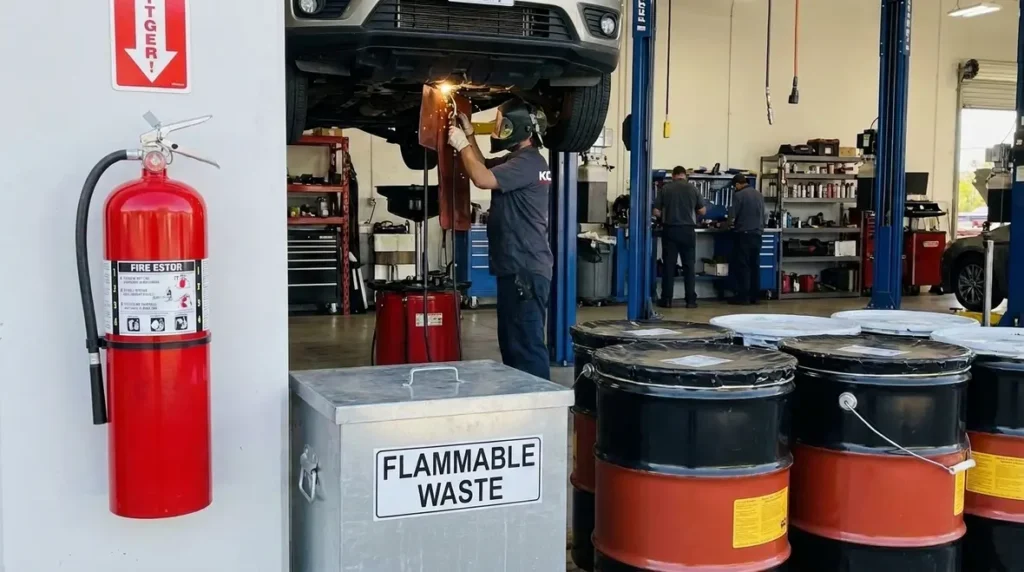
For buildings such as garages, workshops, showrooms, and vehicle-service facilities, separate building fire-safety requirements may apply. Punjab Civil Defence, for example, lists fire detection and alarm systems, firefighting arrangements, and evacuation plans among the measures considered in relevant premises. <Cite refs={[“turn968101search0”]}/>
Vehicle owners and operators should confirm the rules that apply to their vehicle, location, and intended use.
Final Thoughts
Car fire safety works through a combination of prevention, maintenance, awareness, and emergency preparedness.
Electrical faults, fuel-system problems, mechanical failures, and road accidents can all contribute to vehicle fires. Regular servicing and attention to warning signs can help reduce avoidable risks.
A fire alarm system in Pakistan is not automatically the same as a vehicle fire-detection system. Buildings and specialized vehicles may require different equipment according to their design and applicable standards.
The most important priority during a vehicle fire is protecting people. Stop safely, switch off the engine, get everyone out, move away from the vehicle, and contact emergency services. Never return to a burning vehicle or put personal belongings ahead of safety.
Good vehicle fire safety begins with responsible maintenance and knowing how to respond before an emergency occurs.
FAQs
1. What are the common causes of car fires?
Common causes include electrical faults, fuel-system leaks, mechanical problems, overheating, and damage caused by road accidents.
2. How can I reduce the risk of a car fire?
Follow the manufacturer’s maintenance schedule, arrange professional inspections, avoid unauthorized modifications, and address unusual smells, smoke, leaks, or electrical problems promptly.
3. What should I do if my car catches fire?
Stop when safe, switch off the engine, get everyone out, move away from the vehicle, and contact emergency services. Do not return to the vehicle or open the bonnet if a fire is suspected underneath.
4. Does every car have an automatic fire alarm system?
No. Ordinary private cars do not necessarily have dedicated automatic fire-detection systems. Some specialized vehicles have additional temperature-monitoring and warning arrangements.
5. Are fire extinguishers important in vehicles in Pakistan?
Yes. A suitable, functional extinguisher is an important part of vehicle fire preparedness, and official NHMP guidance addresses extinguisher requirements for certain vehicles using national highways and motorways. Owners should check the current rules applicable to their vehicle.