Fire equipment maintenance involves checking, testing, servicing, and repairing protective equipment so it remains in suitable working condition.
The exact work depends on the equipment installed and the risks present in the building. A maintenance provider may offer one or several of the following services:
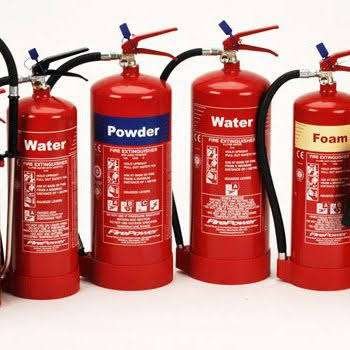
– Fire extinguisher servicing: Inspection, refilling where appropriate, and other maintenance required by the extinguisher type.
– Fire alarm maintenance: Checking the control panel, detectors, manual call points, sounders, visual indicators, and backup power.
– Smoke detector testing: Verifying that detection devices operate as intended.
– Fire suppression system servicing: Checking the components and operating condition of installed suppression equipment.
– Fire hose reel and hydrant inspections: Assessing relevant hoses, valves, piping, connections, and associated equipment.
– Emergency lighting checks: Verifying that emergency lighting operates as intended.
– Fire risk assessments: Identifying hazards and evaluating whether existing protection arrangements are appropriate.
– Documentation and reporting: Recording inspections, test results, faults, repairs, and recommendations.
Not every building requires every service. A qualified provider should assess the installed equipment and explain which checks are appropriate.
Where Can You Buy Fire Equipment Maintenance Services in Pakistan?
If you are searching for fire equipment maintenance, you are generally looking for a service provider rather than a shop selling a single product. Several options are available.
1. Specialist Fire-Safety Companies
Specialist fire-protection companies are a useful starting point because they may supply equipment as well as provide installation, inspection, testing, repair, and maintenance.
For example, “Fire Safety Trading” (https://firesafetytrading.com.pk/) lists fire extinguisher refilling, fire alarm installation, smoke alarm testing, fire suppression testing, fire hose reel testing, room integrity testing, and fire risk assessment among its services. <Cite refs={[“turn401682search3”]}/>
You can explore the company’s website to understand its listed services and contact its team to discuss your property’s requirements.
Before booking, confirm that the provider can service your specific equipment and brand, whether on-site visits are available in your city, and whether the service includes a written inspection report.
2. Authorized Service Providers and Equipment Specialists
Some fire-protection equipment requires specialist knowledge, compatible replacement parts, or manufacturer-specific procedures.
For this reason, ask whether the maintenance company is authorized or suitably qualified to service your particular system. This is especially relevant for complex fire alarm panels, automatic suppression systems, and integrated building protection equipment.
An equipment seller is not automatically qualified to maintain every system it sells. Verify the technical team’s experience and the scope of work before making an appointment.
3. Local Fire-Protection Contractors
Businesses may also contact established fire-protection contractors operating in their city or industrial area.
Local contractors can be useful when a site needs an inspection, repairs, or recurring maintenance visits. However, location alone should not determine the choice.
Check whether the contractor has the necessary technical capability, can provide the required documentation, and can respond when a system develops a fault.
For properties with multiple branches, it may be more practical to choose a provider that can coordinate maintenance across several locations.
4. Maintenance Contracts for Commercial Properties
Offices, factories, hospitals, hotels, apartment buildings, and shopping centres may benefit from a planned maintenance agreement.
An annual maintenance contract, commonly called an AMC, can define the services, inspection schedule, reporting arrangements, and process for dealing with faults.
The contract should clearly state which systems are included, what work is covered by the agreed fee, how replacement parts are charged, and whether urgent visits are included.
Do not assume that an annual contract automatically covers every repair or replacement. Read the service terms carefully.
How to Choose the Right Fire Equipment Maintenance Company
Choosing a maintenance provider requires more than comparing prices. Fire-protection equipment serves a safety purpose, so the quality and suitability of the service are important.
Check Technical Experience
Ask whether the company has experience with the exact equipment installed at your property.
For example, maintaining portable extinguishers differs from inspecting an addressable fire alarm system or testing a fixed suppression installation.
The provider should be able to explain the work in understandable terms and identify when specialist support is necessary.
Verify Qualifications and Authorization
Ask for relevant technical qualifications, manufacturer authorization where applicable, and evidence of experience with comparable systems.
For complex installations, confirm that the people carrying out the work are appropriately trained and authorized.
If a building is subject to inspection or approval by a local authority, ask what documentation that authority requires. A supplier’s general marketing claims do not, by themselves, prove compliance.
Request a Written Quotation
A written quotation makes it easier to understand the proposed service and compare providers fairly.
It should identify the equipment to be serviced, the work included, any exclusions, the estimated timeline, and additional charges that may apply.
For larger sites, request a separate breakdown for each system or building area. This helps property managers understand what is covered and where further work may be needed.
Review Reporting and After-Sales Support
A maintenance visit should produce useful information about the equipment’s condition.
Depending on the service, the report may record which components were inspected or tested, any faults found, the work completed, and recommendations for repair or replacement.
Ask how the provider communicates urgent defects and whether it offers follow-up support after the inspection.
Clear reporting helps the property owner maintain a consistent record of fire-safety work.
Confirm Service Coverage
If your property is in Karachi, Lahore, Rawalpindi, Islamabad, Peshawar, Faisalabad, Multan, or another city, confirm service availability for your specific address.
A company may operate nationally but have different response times or service arrangements in different areas.
Ask whether technicians visit the site, whether equipment needs to be transported to a workshop, and how long the service is expected to take.
What to Check Before Booking Maintenance
Before contacting a provider, prepare basic information about your property and its equipment.
This can help the company assess the job and prepare a more accurate quotation.
Useful information includes:
– The building’s location and type.
– The approximate number of fire extinguishers.
– The type of fire alarm panel and detection devices.
– Details of any installed hydrants, hose reels, sprinklers, or suppression systems.
– The date of the last known inspection or service.
– Any faults, warning indicators, or recurring unwanted alarms.
– Existing maintenance records, drawings, or equipment manuals, if available.
You do not need to diagnose technical problems yourself. If a system shows a fault or appears damaged, report the issue and arrange assessment by a qualified technician.
If a critical fire-protection system is impaired, follow the building’s established safety procedures and seek prompt professional advice. The applicable code may require additional protective arrangements while a system is out of service. <Cite refs={[“turn401682search24”]}/>
Understanding Fire Alarm System Maintenance
Fire alarm systems are designed to detect indications of fire and alert occupants. Their effectiveness depends on suitable design, functioning components, correct configuration, and regular maintenance.
A professional maintenance visit may include checks of the main control panel, detectors, manual call points, sounders, visual warning devices, and standby batteries. The precise scope and frequency depend on the system design, manufacturer instructions, and applicable requirements.
Pakistan’s Building Code of Pakistan – Fire Safety Provisions 2016 addresses the maintenance and testing of fire-protection systems and calls for records documenting relevant work. <Cite refs={[“turn401682search24”]}/>
When arranging a fire alarm service, ask the provider to clarify:
– Which devices will be inspected and tested.
– Whether testing will affect building occupants or connected systems.
– How faults and disabled devices will be recorded.
– Whether repairs and replacement parts are included.
– What documentation will be provided after the visit.
A fire alarm system in Pakistan should be maintained according to the requirements applicable to the property, not simply according to a generic schedule found online.
Do not permanently disable an alarm because of unwanted alerts. A qualified technician should investigate the cause and restore the system to reliable operation.
How Often Should Fire Equipment Be Maintained?
There is no single maintenance interval that is appropriate for every item of fire equipment.
The schedule depends on the type of system, manufacturer guidance, applicable codes, site conditions, and the building’s risk profile.
Some checks may need to be performed routinely by trained building staff, while more detailed inspections and functional tests require qualified technicians.
For example, a maintenance programme for a large commercial building may include periodic testing of alarm devices, inspection of firefighting pumps and hydrants, and scheduled servicing of suppression equipment. The actual timetable should be established for the equipment installed and the requirements that apply.
Owners and facility managers should maintain a calendar of due dates and keep records of completed inspections, faults, and repairs.
They should also arrange additional assessment after a significant fault, a fire incident, building alterations, or other changes that could affect system performance.
Why Documentation Matters
Maintenance records help property owners understand whether equipment has been checked, what problems were identified, and which corrective actions remain outstanding.
A useful record may include:
– The date of the inspection or service.
– The equipment identification or location.
– The tests and checks performed.
– Any defects or limitations identified.
– Repairs, replacements, or adjustments completed.
– Recommendations and follow-up dates.
– The name of the service provider or responsible technician.
For commercial and industrial properties, organized records can support internal safety management and help demonstrate the maintenance history when requested by the relevant authority.
Pakistan’s fire-safety code includes provisions on maintaining records of system testing and maintenance. Owners should confirm the records and documentation required for their particular premises. <Cite refs={[“turn401682search24”]}/>
What Affects the Cost of Fire Equipment Maintenance?
Maintenance costs vary according to the equipment, the size of the property, the complexity of the installation, and the amount of work required.
Factors that may affect a quotation include:
Number of devices: A building with many detectors, extinguishers, and alarm devices generally requires more inspection time than a small premises with limited equipment.
System complexity: Integrated alarm systems, fixed suppression installations, and large hydrant networks may require specialist tools and technical expertise.
Condition of equipment: Routine servicing may cost less than a visit involving faulty components, replacement parts, or extensive corrective work.
Travel and access: The property’s location and the time needed to access equipment can affect the overall quotation.
Documentation requirements: Larger sites may need detailed reports, equipment registers, and coordinated maintenance records.
The best approach is to request a written quotation based on the actual equipment installed. Avoid selecting a provider solely because it offers the lowest price. Incomplete testing or unsuitable repairs can leave important defects unresolved.
Fire Equipment Maintenance Checklist for Property Owners
Use this checklist to organize your maintenance arrangements:
– [ ] Prepare an inventory of fire-protection equipment.
– [ ] Identify the manufacturer and model where possible.
– [ ] Check the previous service records.
– [ ] Confirm which inspections and tests are due.
– [ ] Obtain a written quotation with clear inclusions.
– [ ] Verify the provider’s relevant technical capability.
– [ ] Arrange access to equipment and plant rooms.
– [ ] Inform building occupants when planned testing may affect them.
– [ ] Obtain a service report after the visit.
– [ ] Record defects and arrange corrective work.
– [ ] Schedule the next inspection according to applicable requirements.
This checklist is a general planning aid and does not replace professional assessment or legal requirements.
Where to Start in Pakistan
If you need fire equipment maintenance, begin by identifying the systems installed at your property and the type of service required.
You can then contact a specialist provider, request a site assessment, and compare written quotations based on technical capability, service coverage, reporting, and maintenance terms.
For example, Fire Safety Trading lists maintenance-related and testing services on its website. Its contact page provides company contact details and lists branches or service contacts in Rawalpindi, Peshawar, Lahore, and Karachi. Check directly with the company to confirm the service available for your location and equipment. <Cite refs={[“turn401682search0″,”turn401682search3”]}/>
The final decision should be based on the suitability of the service, not advertising claims alone. Make sure the provider understands your equipment, explains the work clearly, and provides the documentation needed for your records.
Conclusion
Fire equipment maintenance is an important part of protecting people and property. Purchasing an extinguisher, installing an alarm, or setting up a suppression system is not enough unless the equipment is also inspected and maintained appropriately.
In Pakistan, property owners can look to specialist fire-safety companies, qualified contractors, and authorized service providers for inspections, testing, refilling, repairs, and planned maintenance agreements.
Before booking a service, confirm the provider’s technical experience, request a clear quotation, and ask for a written report. Keep maintenance records organized and address identified defects promptly.
A properly maintained fire alarm system in Pakistan, together with suitable firefighting equipment and a clear emergency plan, can support a more reliable approach to building fire safety.
FAQs
1. Where can I find fire equipment maintenance services in Pakistan?
You can contact specialist fire-safety companies, qualified fire-protection contractors, or authorized service providers. Check whether they can maintain your specific equipment and provide service in your city.
2. What does fire equipment maintenance include?
Depending on the equipment, it may include inspection, functional testing, cleaning, servicing, refilling where appropriate, repairs, and written reporting. The required work depends on the system and applicable instructions or standards.
3. Can the same company maintain fire alarms and extinguishers?
Some fire-safety companies offer both services, but not every provider is qualified to maintain every system. Confirm the company’s technical capability for each item before booking.
4. How often should fire equipment be inspected?
The appropriate frequency depends on the equipment type, manufacturer guidance, applicable regulations, and building risks. A qualified provider can help establish a suitable maintenance schedule.
5. What should I ask before hiring a fire equipment maintenance company?
Ask about relevant qualifications, experience with your equipment, service coverage, the inspection and testing included, additional charges, repair arrangements, and the documentation supplied after the visit.