The kitchen is one of the busiest areas in any home. It is where families prepare meals, boil water, fry food, and use appliances throughout the day. However, cooking equipment, gas connections, electrical appliances, hot oil, and combustible materials can create fire hazards when they are not handled carefully.
Kitchen fire safety is therefore an essential part of protecting people, property, and everyday household activities. A few practical precautions, regular equipment maintenance, suitable fire detection, and a clear emergency plan can help reduce risks.
In Pakistan, kitchens may have different arrangements depending on the property. Some households use natural gas, while others rely on LPG cylinders or electrical cooking appliances. Apartments, independent houses, restaurants, and commercial kitchens also have different safety requirements.
Understanding these differences helps people make informed decisions about preventing fires and preparing for emergencies.
A fire alarm system in Pakistan can form part of a wider fire-protection strategy, particularly in buildings where detection and warning systems are required. However, an alarm alone cannot prevent every fire. Kitchen safety depends on prevention, early detection, appropriate equipment, and knowing when to evacuate.
What Is Kitchen Fire Safety?
Kitchen fire safety refers to the precautions taken to reduce the likelihood of a cooking-related fire and protect people if an emergency occurs.
It includes maintaining cooking appliances, using gas and electricity safely, keeping combustible materials away from heat, cleaning grease deposits, and ensuring that suitable fire detection is available.
Important elements include:
– Keeping cooking activities supervised.
– Maintaining gas appliances and electrical equipment.
– Cleaning cooking surfaces and ventilation components.
– Storing combustible materials safely.
– Keeping children away from hot equipment.
– Installing suitable fire detection where appropriate.
– Maintaining accessible escape routes.
– Preparing a household or workplace emergency plan.
These measures are relevant to both residential and commercial kitchens, although the exact equipment and procedures depend on the building, cooking activities, and applicable requirements.
Why Is Kitchen Fire Safety an Essential Investment?
Investing in kitchen fire safety means investing in prevention and preparedness before an emergency occurs.
A kitchen fire may damage appliances, cabinets, electrical installations, walls, and other parts of a building. Smoke can also affect rooms far from the original source.
Beyond property damage, an uncontrolled fire can place occupants at risk and interrupt essential household or business activities.
Preventive measures can help reduce these risks. For example, maintaining cooking equipment may identify a problem before it becomes more serious, while a working alarm can provide a warning when a potential fire is detected.
Kitchen fire safety should not be viewed only as an expense. It is part of responsible property maintenance and the protection of everyone who uses the space.
1. Understand Common Kitchen Fire Hazards
Recognizing hazards is the first step toward preventing a fire.
Several conditions can increase the likelihood of a kitchen fire.
Unattended cooking
Leaving food cooking while moving to another room can allow a problem to develop unnoticed. Frying, boiling, and cooking at high temperatures require particular attention.
If you need to leave the kitchen, switch off the cooking equipment first.
Overheated cooking oil
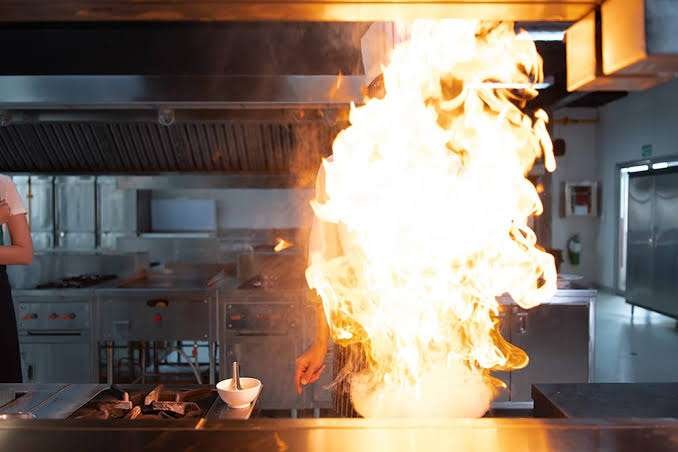
Cooking oil can become dangerous when it overheats. Grease fires behave differently from ordinary fires because water can cause burning oil to spread.
Never pour water onto burning cooking oil.
Grease accumulation
Oil and food residues may collect around stovetops, ovens, filters, and ventilation equipment. These deposits can ignite when exposed to sufficient heat.
Regular cleaning is an important preventive measure.
Electrical faults
Damaged cords, loose connections, overloaded circuits, and poorly maintained appliances can create electrical hazards.
Any suspected electrical fault should be assessed by a qualified professional.
Combustible materials near heat
Paper towels, packaging, curtains, tea towels, and other easily ignited materials should be kept away from cooking surfaces and other heat-producing equipment.
Identifying these hazards during routine household checks can help prevent avoidable incidents.
2. Practise Safe Cooking Habits
Safe cooking habits are among the simplest ways to reduce kitchen fire risks.
Stay attentive when using the stove, especially when frying food or heating oil. Keep pot handles turned inward so they are less likely to be knocked or pulled over.
Wear clothing that does not hang loosely near flames or hot surfaces. Keep unnecessary items away from the cooking area, and avoid placing bags, towels, or packaging beside burners.
Other useful habits include:
– Use cooking equipment according to its instructions.
– Keep children away from hot pots and pans.
– Avoid distractions while cooking.
– Turn off appliances when they are no longer needed.
– Keep the surrounding work surface reasonably clear.
– Do not leave food heating unattended.
These precautions are simple, but consistency matters. Safe habits can reduce risks during everyday meal preparation.
3. Maintain Gas Connections and Cooking Appliances
Many kitchens in Pakistan use natural gas or LPG for cooking. These systems require suitable installation, careful use, and regular maintenance.
Gas appliances should be installed and serviced by qualified professionals. Users should not modify gas connections or attempt repairs without the necessary training.
Pay attention to unusual appliance behaviour, damaged components, or suspected gas leaks.
If you suspect a gas leak, avoid flames and do not operate electrical switches in the affected area. Leave the area, warn others, and contact the appropriate gas emergency service from a safe location. Follow the service provider’s instructions.
Gas cylinders, where used, should be kept and handled according to the supplier’s safety instructions and applicable local requirements.
Electrical cooking appliances also need appropriate care. Check cords and plugs for visible damage, keep electrical equipment away from water, and stop using appliances that show signs of overheating or malfunction.
Professional maintenance can help identify problems that might otherwise go unnoticed.
4. Keep the Kitchen Clean and Well Organized
Kitchen cleanliness contributes directly to fire prevention.
Grease, food particles, packaging, and other waste can accumulate around cooking equipment. In commercial kitchens, grease may also build up in extraction hoods, filters, and ventilation ducts.
Cleaning should be appropriate for the equipment and follow manufacturer recommendations.
A useful cleaning routine includes:
– Removing grease and food residues from cooking surfaces.
– Cleaning appliance exteriors and surrounding work areas.
– Disposing of waste regularly.
– Keeping paper products and packaging away from heat.
– Arranging storage so that exits and walkways remain clear.
– Scheduling professional maintenance for ventilation equipment when needed.
Commercial kitchens may require more extensive cleaning and servicing because their equipment operates for longer periods and produces larger quantities of grease.
A clean kitchen is easier to inspect, maintain, and use safely.
5. Choose Suitable Fire Detection Equipment
Early detection is an important layer of fire protection. Smoke alarms and other suitable detection devices can warn occupants when they detect conditions associated with a developing fire.
The appropriate equipment depends on the building and the environment in which it will operate.
For example, steam and normal cooking activity can cause unwanted alarms if a smoke detector is placed in an unsuitable location. A qualified fire-safety professional can help determine the appropriate type and placement of detection devices.
A fire alarm system in Pakistan may be relevant to residential buildings, apartment complexes, restaurants, hotels, and other premises, depending on their size, occupancy, design, and applicable regulations.
When assessing a system, consider:
– The layout and size of the building.
– The locations where early warning is needed.
– Whether occupants can hear or otherwise receive the alert.
– The availability of backup power where required.
– Installation and maintenance arrangements.
– Applicable building and fire-safety requirements.
Pakistan’s Building Code of Pakistan – Fire Safety Provisions 2016 provides a framework for fire prevention and life safety. Punjab Civil Defence also identifies fire detection and alarm systems among the measures considered in relevant premises inspections. Specific requirements depend on the property and the authority responsible for it.
An alarm is most useful when it is suitable for its environment, maintained correctly, and supported by an emergency plan.
6. Know the Difference Between Detection and Fire Suppression
Fire detection and fire suppression serve different purposes.
A smoke alarm or fire alarm system is intended to detect a potential fire and warn occupants. It does not necessarily extinguish the fire.
Fire suppression equipment is intended to control or extinguish a fire when the equipment is appropriate for the hazard and used under suitable conditions.
The equipment required in a home kitchen may differ from that needed in a restaurant or industrial food-preparation area.
For example, commercial cooking operations may need specialized protection for cooking appliances and extraction systems. Such systems should be designed, installed, inspected, and maintained by qualified professionals.
Homeowners and business operators should not assume that one type of alarm or extinguisher is suitable for every situation.
The safest approach is to assess the actual risks and follow the applicable requirements and equipment instructions.
7. Understand Safe Responses to Cooking Fires
Knowing what not to do during a kitchen fire can be just as important as prevention.
Never use water on burning oil or grease. Water can cause burning oil to spread and make the situation more dangerous.
If a fire starts and you are uncertain whether it can be managed safely, do not attempt to fight it. Warn others, leave the building using a safe route, and contact the local fire and rescue service.
Do not carry a burning pan or move burning equipment. Do not delay evacuation to collect belongings.
Only trained adults should consider using firefighting equipment, and only when the fire is small, the equipment is appropriate, the escape route remains clear, and there is no immediate danger. Evacuation should take priority whenever conditions become unsafe.
Children and teenagers should never be expected to extinguish a fire. Their priority is to alert a responsible adult and move to safety.
8. Keep Suitable Fire-Safety Equipment Accessible
Fire-safety equipment should be appropriate for the hazards present and maintained according to its instructions.
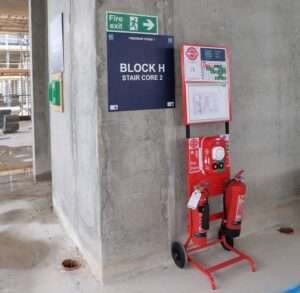
Depending on the property and its requirements, this may include fire detection devices, suitable extinguishers, emergency lighting, or specialized commercial-kitchen protection.
Equipment should not be blocked by furniture, stored goods, or other objects.
A fire extinguisher should only be used by someone who understands how to use it safely and knows that it is appropriate for the type of fire involved. Different fires require different extinguishing agents, and the wrong choice can increase danger.
For restaurants and other commercial premises, a documented inspection and maintenance schedule can help ensure that equipment remains ready for use.
Buying equipment is only one part of the investment. Proper selection, installation, accessibility, and maintenance are equally important.
9. Protect Children and Other Vulnerable Occupants
Children may be curious about cooking equipment but often cannot recognize the risks associated with flames, hot oil, or electrical appliances.
Adults should supervise children in the kitchen and keep them away from active cooking areas.
Teach children not to touch burners, operate unfamiliar appliances, play with matches, or investigate smoke. Explain what a fire alarm sounds like and what they should do when it activates.
Older adults and people with mobility or hearing difficulties may also need additional planning. For example, a household may need to consider whether everyone can hear an alarm, reach an exit, and move safely along the escape route.
The emergency plan should account for individual needs without expecting children or untrained household members to handle a dangerous situation.
10. Create a Kitchen Emergency Plan
A kitchen emergency plan helps everyone understand how to respond if a fire develops.
The plan should be simple, clear, and suitable for the building.
Consider these steps:
1. Identify safe exits from the kitchen and the rest of the property.
2. Keep escape routes clear of boxes, furniture, and stored items.
3. Choose an outdoor meeting point away from the building.
4. Make sure household members know how to raise the alarm.
5. Identify who will contact emergency services.
6. Explain that nobody should re-enter a building until authorities say it is safe.
Businesses should also establish staff procedures, communicate responsibilities, and conduct appropriate fire drills where required.
Review the plan whenever the layout changes, new appliances are installed, or household circumstances change.
Kitchen Fire Safety in Restaurants and Commercial Buildings
Commercial kitchens often operate for extended periods and may use multiple burners, fryers, ovens, and extraction systems simultaneously. These conditions can require more comprehensive fire-protection arrangements than those found in a typical home.
Restaurant owners and managers should establish documented procedures for cooking safety, equipment maintenance, cleaning, staff training, and emergency response.
They should also assess the suitability of detection and suppression systems, the condition of electrical and gas installations, and the accessibility of exits.
Where applicable, building owners and operators should check the Building Code of Pakistan – Fire Safety Provisions 2016 and relevant provincial or local requirements.
Professional assessment is particularly important when a kitchen forms part of a hotel, shopping centre, hospital, factory, or other larger building.
A Practical Kitchen Fire-Safety Checklist
Use this checklist to review everyday kitchen conditions.
– [ ] Cooking is supervised when equipment is operating.
– [ ] Combustible materials are kept away from heat sources.
– [ ] Pot handles are positioned to reduce accidental spills.
– [ ] Cooking surfaces are cleaned regularly.
– [ ] Electrical cords and appliances are checked for visible damage.
– [ ] Gas equipment is maintained by qualified professionals.
– [ ] Suitable fire detection is installed where appropriate.
– [ ] Alarms are tested and maintained according to manufacturer instructions.
– [ ] Appropriate fire-safety equipment is accessible.
– [ ] Children are kept away from active cooking areas.
– [ ] Escape routes are clear.
– [ ] Everyone knows the household or workplace emergency plan.
– [ ] Commercial equipment receives appropriate inspection and servicing.
This checklist is a general guide. It does not replace a professional assessment or any requirements applicable to a particular building.
Final Thoughts
Kitchen fire safety is an essential investment because it helps protect people, property, and daily activities from preventable hazards. Safe cooking practices, clean work areas, well-maintained appliances, and careful handling of gas and electricity all contribute to a safer kitchen.
Suitable detection equipment provides another important layer of protection. A fire alarm system in Pakistan can help warn occupants when a potential fire is detected, but it should form part of a broader strategy that includes prevention, maintenance, evacuation planning, and professional guidance where necessary.
Whether you are managing a family kitchen or a commercial food-preparation area, regular safety checks can help identify hazards before they develop into emergencies.
The most important principle is simple: prevent what you can, prepare for what you cannot predict, and always put human safety ahead of property or equipment.
FAQs
1. What is the most important kitchen fire-safety precaution?
Staying attentive while cooking is one of the most important precautions. Avoid leaving cooking equipment unattended, particularly when frying, boiling, or heating oil.
2. Why should water never be poured onto a grease fire?
Water can cause burning oil to spread, making the fire more dangerous. If a cooking fire develops, prioritize evacuation and contact the appropriate emergency service if there is any doubt about safety.
3. Is a fire alarm system necessary for every kitchen?
Requirements depend on the type of property, its layout, occupancy, and applicable regulations. Suitable detection can provide valuable warning, while larger residential and commercial buildings may need more comprehensive systems.
4. How can gas-related kitchen fire risks be reduced?
Gas appliances should be installed and maintained by qualified professionals. Follow supplier instructions, avoid makeshift repairs, and leave the area if a gas leak is suspected. Contact the appropriate emergency service from a safe location.
5. How often should kitchen fire-safety equipment be checked?
The schedule depends on the equipment and manufacturer instructions. Test alarms and maintain detection devices as directed, and arrange required professional inspection and servicing for specialized or commercial systems.