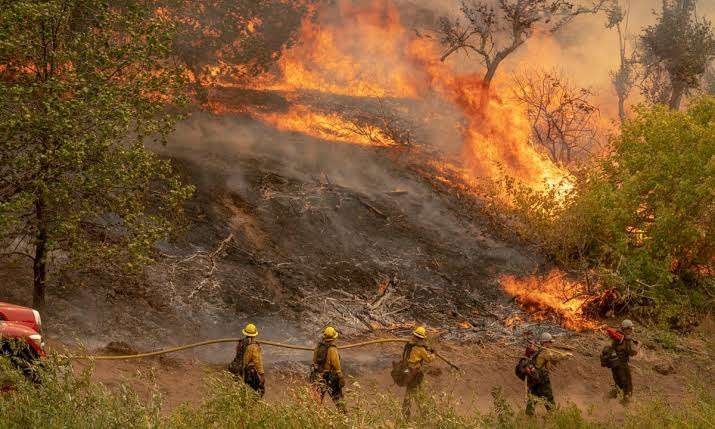
Wildfires can spread across forests, grasslands, dry vegetation, and rural areas, threatening homes, farms, wildlife, and nearby communities. Hot weather, dry conditions, strong winds, and accumulated vegetation can increase the risk of a fire developing or spreading. Although not every wildfire can be prevented, regular maintenance and careful preparation can reduce certain hazards and help people respond more safely.
In Pakistan, forest fires are a recognized environmental and disaster-management concern. The National Disaster Management Authority (NDMA) has published forest-fire preparedness guidance that emphasizes risk monitoring, coordination between authorities, community awareness, and the reduction of combustible vegetation near vulnerable areas.
Wildfire safety is not limited to people living directly beside a forest. Homes near grasslands, agricultural land, wooded hills, and dry open spaces may also face risks when conditions are favourable for fire spread.
Maintenance is an important part of preparedness. Clearing dry vegetation around a property, checking electrical installations, maintaining alarms, keeping access routes open, and preparing an emergency plan can improve readiness before fire season begins.
A suitable fire alarm system in Pakistan can also contribute to a building’s wider fire-protection arrangements. However, an ordinary building fire alarm is not necessarily a wildfire detection system. It generally detects smoke, heat, or other specified signs of fire within the area it protects. External wildfire awareness, official alerts, and evacuation planning remain essential.
This guide explains practical maintenance tips that households, property managers, and communities can use to improve wildfire preparedness.
1. Understand the Wildfire Risks Around Your Property
Effective maintenance begins with understanding the hazards in the surrounding environment.
Properties close to forests, dry grasslands, hillsides, or areas with unmanaged vegetation may be more exposed to wildfire. Dry leaves, dead branches, shrubs, and other combustible materials can provide fuel that allows a fire to spread.
Before making a maintenance plan, inspect the surroundings from a safe location and identify areas that may need attention.
Consider the following questions:
– Is dry grass growing close to the building?
– Are dead branches touching the roof or exterior walls?
– Have leaves accumulated in gutters or around entrances?
– Are combustible materials stored near the property?
– Can emergency vehicles reach the building?
– Are there safe routes for leaving the area if authorities advise evacuation?
These observations can help property owners prioritize maintenance.
In Pakistan, the NDMA’s forest-fire guidance highlights the importance of identifying vulnerable areas, monitoring weather conditions, and coordinating prevention and response measures. Local authorities and forest departments may provide additional information about risks in specific regions.
2. Remove Dry Leaves and Dead Vegetation
One of the most practical maintenance tasks is reducing unnecessary combustible material around buildings.
Dry leaves, dead grass, fallen branches, and dried shrubs can increase the amount of fuel available to a fire. When these materials collect near a structure, they may contribute to ignition if exposed to flames or hot embers.
Property owners should regularly inspect and clean:
– Roofs and roof edges
– Gutters and drainage channels
– Balconies and outdoor sitting areas
– Spaces beneath stairs or raised structures
– Garden beds near walls
– Areas around entrances and windows
– Storage spaces near outbuildings
Vegetation should be maintained according to the property’s setting, local environmental requirements, and any guidance issued by relevant authorities.
Avoid burning garden waste as a routine disposal method, especially during hot, dry, or windy conditions. Follow local restrictions and use safer waste-disposal arrangements.
Important: Do not enter an area threatened by an active wildfire to remove vegetation or clean a roof. Maintenance should be completed well before an emergency develops.
3. Maintain a Clear Area Around Buildings
Reducing combustible material near a building can help lower some wildfire-related risks.
A clear, well-maintained area around a property can reduce the accumulation of dry vegetation, leaves, firewood, cardboard, and other combustible items. The appropriate clearance depends on the landscape, property layout, local regulations, and the level of wildfire exposure.
Practical steps include:
– Removing dead plants and accumulated leaves.
– Keeping grass maintained around the building.
– Moving unnecessary combustible storage away from walls.
– Pruning vegetation that touches the roof or exterior.
– Keeping entrances and access paths clear.
– Maintaining outdoor spaces so that combustible debris does not accumulate.
Avoid removing healthy vegetation indiscriminately. Trees and plants provide environmental benefits, and the right approach is to manage vegetation carefully while reducing avoidable fire hazards.
Where a property is close to forestland, consult local forestry or disaster-management authorities for suitable vegetation-management guidance.
4. Inspect Roofs, Gutters, and Exterior Surfaces
A building’s exterior is an important part of wildfire preparedness because wind can carry burning embers beyond the main fire area.
Leaves, dry twigs, and other debris on a roof or inside gutters can increase vulnerability if embers reach the property. Damaged roof coverings, gaps, and poorly maintained exterior components may also need attention.
Include the following tasks in a routine maintenance schedule:
Roof inspection
Check for damaged roofing materials, loose components, and visible debris. Arrange professional repairs when defects are found.
Gutter cleaning
Remove accumulated leaves and dry material safely. Roof work can be hazardous, so use a qualified professional when access is difficult or unsafe.
Vent inspection
Check that exterior vents are intact and free from unnecessary debris. Where wildfire exposure is a concern, ask a qualified professional about suitable ember-resistant protection.
Exterior wall inspection
Look for damaged surfaces, gaps, or deteriorating materials that require repair.
Door and window checks
Inspect frames, seals, and surrounding surfaces for damage. The suitability of fire-resistant materials depends on the building’s design and exposure.
The National Interagency Fire Center recommends reducing combustible debris around homes and considering construction features that can improve resistance to wildfire exposure.
5. Maintain Trees and Shrubs Carefully
Trees and shrubs can contribute to the landscape, but unmanaged or dead vegetation may increase fire risk near a building.
Regular pruning and removal of dead plant material can help keep the immediate surroundings better maintained.
Property owners should pay attention to:
– Dead branches hanging over roofs
– Vegetation touching exterior walls
– Dry shrubs close to windows
– Dense accumulations of fallen branches
– Plants growing around electrical equipment or access routes
Tree work can involve falling branches, elevated work, and power-line hazards. Use qualified professionals when work is technically difficult or close to electrical infrastructure.
Do not undertake major vegetation removal during an active wildfire threat. The priority at that stage is to follow official instructions and leave when evacuation is advised.
6. Check Electrical Installations and Outdoor Equipment
Electrical faults can cause fires in buildings and outdoor environments. Regular inspection of electrical installations, equipment, and cables is therefore an important part of general fire prevention.
Look for visible warning signs such as damaged insulation, loose fittings, unusual heating, burning smells, or repeated interruptions to electrical service.
Electrical work should be carried out by appropriately qualified professionals.
Outdoor equipment should also be checked for damage and maintained according to manufacturer instructions. Generators, lighting, and other electrical devices should be used only in appropriate conditions and locations.
Avoid makeshift wiring and do not overload circuits. If electrical equipment appears unsafe, stop using it and seek professional assistance.
Maintenance is most effective when problems are addressed before they develop into emergencies.
7. Test Smoke Alarms and Maintain Fire Detection Equipment
Wildfire smoke may affect nearby buildings, and a fire entering or developing within a structure can create an additional danger.
Smoke alarms can provide a warning when smoke reaches the detector. This may help occupants recognize an indoor fire and follow their evacuation plan.
However, a standard smoke alarm should not be relied upon to detect a wildfire approaching from a distant location. Outdoor monitoring, official warnings, and local emergency information serve different purposes.
A practical maintenance routine includes:
– Testing smoke alarms according to the manufacturer’s instructions.
– Checking batteries and backup power supplies.
– Responding promptly to fault signals.
– Keeping detectors free from obstructions.
– Replacing alarms according to their service-life requirements.
– Arranging professional inspection of complex systems where needed.
A suitable fire alarm system in Pakistan may include detectors, alarm notification devices, control equipment, and backup power, depending on the building and its requirements.
Commercial premises, public buildings, and larger properties may need more comprehensive arrangements than a standalone household smoke alarm. Selection, installation, and maintenance should reflect the applicable building requirements and the property’s risks.
8. Keep Fire-Safety Equipment Accessible
Fire-safety equipment is most useful when it is suitable for the hazard, maintained, and accessible.
For buildings in areas exposed to wildfire, general fire-safety arrangements may include appropriate extinguishers, working alarms, clear exits, and emergency supplies.
Maintenance checks should confirm that:
– Equipment remains in its designated location.
– Labels and operating instructions are readable.
– Extinguishers show no obvious damage or leakage.
– Inspection and service requirements are followed.
– Equipment is not blocked by furniture or stored materials.
– Responsible adults or designated staff know the emergency procedures.
Fire extinguishers are not a substitute for evacuation during a wildfire. An approaching wildfire can change direction quickly, and smoke or heat may make outdoor conditions dangerous.
Children and teenagers should never be expected to fight a wildfire or handle unfamiliar firefighting equipment. Their priority is to alert a responsible adult and move to safety.
9. Maintain Access Roads and Emergency Exits
A clear access route can help occupants leave a threatened property and allow emergency responders to reach the area when conditions permit.
Property owners and community managers should inspect driveways, gates, internal roads, and access paths for avoidable obstructions.
Maintenance may include:
– Removing stored items from entrances.
– Trimming vegetation that blocks visibility.
– Keeping gates and pathways in suitable working condition.
– Ensuring that the property address is visible.
– Maintaining access for emergency vehicles where possible.
– Checking that household escape routes remain usable.
Buildings should also have a clear evacuation plan. Occupants need to understand which exits are available and where they should go if an evacuation is required.
If authorities issue an evacuation instruction, leave promptly using a safe route. Do not delay departure to clear debris, repair equipment, or protect belongings.
10. Prepare and Maintain an Emergency Kit
A wildfire can disrupt travel, electricity, communications, and access to essential supplies. Keeping basic emergency items together can help a household prepare for an unexpected evacuation.
Review the emergency kit periodically and replace expired or damaged items.
Depending on household needs, supplies may include:
– Drinking water and suitable food supplies
– A first-aid kit
– Essential medicines managed by a responsible adult
– A torch and spare batteries
– A charged power bank
– Copies of important contact information
– Necessary personal documents stored securely
– Suitable masks or other items recommended by local health authorities for smoky conditions
The contents should reflect the household’s needs and the guidance provided by local disaster-management authorities.
Do not assume that an emergency kit makes it safe to remain in an area under evacuation orders. Its purpose is to support preparedness, not to replace official instructions.
11. Review the Family Evacuation Plan
A maintenance programme should include people and procedures, not just buildings and equipment.
Every household should have a basic plan for what to do if wildfire threatens the surrounding area.
Discuss the following points in advance:
1. Where will the family obtain official emergency information?
2. Which routes can be used to leave the area?
3. Where will family members meet if separated?
4. Who will help young children or anyone who needs assistance?
5. How will the household communicate if mobile services are interrupted?
Check the plan periodically, particularly when family circumstances or local road conditions change.
Children should know how to recognize an emergency instruction and follow the guidance of a responsible adult. They should not be expected to investigate smoke, approach a wildfire, or remain behind to collect possessions.
12. Pay Attention to Weather and Official Warnings
Maintenance reduces certain hazards, but it cannot eliminate wildfire risk. Weather and environmental conditions can change the level of danger.
Dry vegetation, high temperatures, low humidity, and strong winds can make some areas more vulnerable to fire spread.
During periods of elevated risk, monitor official notices from relevant disaster-management authorities, local administrations, and forestry departments.
Pakistan’s NDMA has issued forest-fire preparedness guidance addressing risk monitoring, local coordination, and community involvement. Residents should also follow instructions from the authorities responsible for their district or area.
If a wildfire is reported nearby, do not approach it to take photographs or assess its direction. Conditions can change quickly, and smoke may affect visibility and breathing.
Follow official evacuation instructions and avoid routes that authorities have identified as unsafe.
13. Build a Seasonal Wildfire Maintenance Schedule
A written maintenance schedule can make preparedness easier to manage throughout the year.
The exact timing should reflect local conditions, the type of property, and guidance from relevant authorities.
Before periods of elevated wildfire risk
– Clear accumulated dry vegetation from appropriate areas.
– Inspect roofs, gutters, vents, and exterior surfaces.
– Arrange repairs to damaged building components.
– Check electrical equipment and outdoor installations.
– Test smoke alarms and review fire-safety equipment.
– Confirm that escape routes and property access remain clear.
– Review emergency contacts and evacuation arrangements.
During elevated-risk periods
– Monitor official alerts and local conditions.
– Keep essential emergency supplies ready.
– Avoid unnecessary activities that may create ignition risks.
– Maintain communication with family members.
– Follow any restrictions or instructions issued by authorities.
After the risk period
– Inspect the property for maintenance needs.
– Repair damage using qualified professionals.
– Restock emergency supplies.
– Review lessons from any local incidents or official advisories.
– Update the maintenance and evacuation plan.
This approach helps turn wildfire safety from a one-time task into a continuing responsibility.
14. Common Wildfire Maintenance Mistakes to Avoid
Even a well-maintained property can remain vulnerable if important details are overlooked.
Ignoring dry debris
Leaves, dead branches, and other combustible materials should not be allowed to accumulate around vulnerable parts of a property.
Neglecting roof and gutter maintenance
Debris can create avoidable hazards when embers reach a building.
Forgetting alarm testing
A smoke alarm that has not been maintained may fail to provide the expected warning.
Blocking access routes
Stored materials and overgrown vegetation can make evacuation or emergency access more difficult.
Relying on one safety measure
An alarm, extinguisher, or cleared garden cannot replace a complete emergency plan.
Waiting until a wildfire approaches
Roof repairs, tree work, and other maintenance should be completed before conditions become dangerous.
Ignoring official instructions
Local authorities have information about current conditions and evacuation arrangements that a property owner may not have.
15. A Practical Wildfire Maintenance Checklist
Use this checklist as a general starting point:
– [ ] Dry leaves and dead vegetation are removed from appropriate areas.
– [ ] Roofs and gutters are inspected and kept free from unnecessary debris.
– [ ] Trees and shrubs are maintained safely.
– [ ] Combustible materials are stored appropriately.
– [ ] Electrical installations and outdoor equipment are in suitable condition.
– [ ] Smoke alarms are tested and maintained.
– [ ] Any required fire alarm equipment receives appropriate servicing.
– [ ] Extinguishers and other safety equipment are accessible and maintained.
– [ ] Access roads, gates, and exits remain clear.
– [ ] Emergency supplies are checked periodically.
– [ ] Family members understand the evacuation plan.
– [ ] Official alert sources and emergency contacts are known.
This checklist is a general guide, not a substitute for a site-specific fire-risk assessment or instructions from local authorities.
Conclusion
Wildfire safety begins long before smoke appears on the horizon. Regular maintenance can help reduce combustible debris, improve building readiness, identify electrical hazards, and keep emergency routes accessible.
For households and property managers in Pakistan, preparation should also include monitoring official warnings, maintaining suitable smoke detection, and creating a clear evacuation plan.
A fire alarm system in Pakistan can contribute to a building’s fire-protection arrangements, but it should not be mistaken for a complete wildfire warning service. Detection, prevention, property maintenance, official alerts, and evacuation planning work together to support safety.
Most importantly, maintenance should be completed before conditions become dangerous. When a wildfire threatens an area, personal safety comes first: follow official instructions, leave when advised, and never risk your life to protect property.
Frequently Asked Questions (FAQs)
1. What is the most important maintenance task for wildfire safety?
There is no single task that eliminates wildfire risk. Removing accumulated dry vegetation, maintaining roofs and gutters, checking building conditions, and keeping evacuation routes clear are useful parts of a broader preparedness plan.
2. How often should a property be checked for wildfire hazards?
The frequency depends on local conditions, vegetation growth, weather, and the property’s exposure. Inspect the property regularly and increase attention before periods of elevated wildfire risk.
3. Can a fire alarm system detect a wildfire approaching from a forest?
A standard building fire alarm