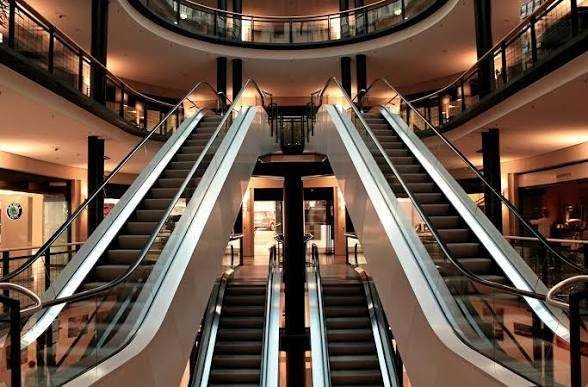
Shopping malls are busy public spaces where families shop, friends meet, people eat, and businesses serve customers throughout the day. A modern mall may contain retail stores, restaurants, cinemas, food courts, storage rooms, parking areas, electrical equipment, escalators, and multiple floors connected by lifts and staircases.
Because so many activities take place under one roof, fire safety requires careful planning. A fire can affect customers, employees, shop owners, visitors, and neighbouring businesses. Smoke may spread beyond the original location, while confusion in crowded areas can make evacuation more difficult.
The good news is that effective fire prevention and emergency preparedness can reduce many avoidable risks. Regular inspections, suitable detection systems, maintained firefighting equipment, clear exits, and trained staff all contribute to a safer shopping environment.
In Pakistan, mall owners and facility managers should understand the relevant building-safety requirements and ensure that protective measures are suitable for their premises.
A **fire alarm system in Pakistan** can provide an essential layer of protection by warning occupants when a potential fire is detected. However, an alarm alone cannot make a shopping mall safe. It must work alongside appropriate fire protection, emergency communication, evacuation planning, and routine maintenance.
This guide explains why mall fire safety matters, which measures deserve attention, and how a relatively small investment in prevention can make a significant difference.
## What Is Mall Fire Safety?
Mall fire safety includes the building features, equipment, procedures, and staff responsibilities designed to reduce fire risks and protect people during an emergency.
Shopping centres have particular challenges because they may accommodate large numbers of visitors who are unfamiliar with the building layout. Different shops and restaurants may also introduce different hazards.
A comprehensive approach can include:
– Fire prevention and electrical safety.
– Fire detection and alarm systems.
– Suitable firefighting equipment.
– Automatic sprinkler systems where required.
– Emergency lighting and exit signs.
– Clearly marked evacuation routes.
– Smoke-control arrangements where necessary.
– Staff training and emergency drills.
– Routine inspection and maintenance.
– Coordination with emergency services.
The exact requirements depend on the mall’s size, design, occupancy, building height, activities, and applicable regulations.
The purpose is to create several layers of protection rather than relying on a single device or procedure.
## Why Is Mall Fire Safety So Important?
A shopping mall can contain hundreds or thousands of people at busy times. Customers may be browsing shops, eating in restaurants, watching films, or visiting entertainment areas without knowing the nearest emergency exit.
During a fire, people may initially be unsure where the danger is located or which route they should follow. Smoke, noise, crowded corridors, and unfamiliar surroundings can make the situation more challenging.
Fire safety planning helps address these problems before an emergency occurs.
It can help mall management identify hazards, keep important routes accessible, maintain equipment, and make sure staff understand their responsibilities.
Fire protection also supports business continuity. A serious incident may damage merchandise, equipment, building services, and tenant property. It can disrupt operations and affect employees, customers, suppliers, and nearby businesses.
Preventive measures cannot eliminate every risk, but they can reduce avoidable hazards and improve the building’s ability to respond.
## 1. Identify Common Fire Hazards in Shopping Malls
The first step toward better protection is understanding where potential hazards may exist.
Electrical installations are a major consideration because malls use lighting, escalators, lifts, air-conditioning systems, refrigeration, electronic equipment, and many other electrical appliances.
Restaurants and food courts introduce cooking equipment and heat-producing appliances. Storage areas may contain packaging, cardboard, fabrics, and other combustible materials.
Construction, renovation, and temporary displays can also introduce risks if they interfere with existing safety arrangements.
Mall management should pay attention to:
– Damaged electrical cables and equipment.
– Poorly maintained electrical installations.
– Accumulated rubbish and combustible storage.
– Unsafe use of cooking or heating equipment.
– Blocked exits and corridors.
– Defective fire detection or firefighting equipment.
– Unapproved changes to building layouts.
– Poorly controlled maintenance and renovation work.
Routine inspections can help identify these concerns before they develop into more serious problems.
## 2. Install a Suitable Fire Alarm System
Early detection is an important part of mall fire safety.
A suitable fire alarm system can alert occupants when connected detectors or other initiating devices identify a specified fire-related condition. Depending on the system design, this may involve smoke detection, heat detection, manual call points, or signals from other fire-protection equipment.
For a large shopping centre, the system needs to be designed for the building rather than selected solely on price.
When evaluating a **fire alarm system in Pakistan**, mall owners should consider the following factors.
### Building size and layout
A mall may contain multiple floors, long corridors, enclosed shops, restaurants, parking areas, and large open spaces. Detection and notification arrangements must account for the building’s design and applicable requirements.
### Occupant notification
An alarm must provide an effective warning to the people who need to respond. Depending on the building, audible alarms, visual notification devices, or emergency voice communication may be required.
### Integration with other systems
Where required by the approved design, the alarm system may communicate with sprinkler systems, smoke-control equipment, door-release arrangements, or other building safety functions.
### Reliable power and maintenance
The system should have the power arrangements required by its design and applicable standards. Testing and maintenance must be performed according to the manufacturer’s instructions and relevant requirements.
### Professional installation
System design, installation, commissioning, and servicing should be carried out by suitably qualified professionals.
An alarm is not a substitute for prevention or evacuation planning. Its value depends on correct design, reliable operation, and an effective response when it activates.
## 3. Understand Pakistan’s Building Fire-Safety Requirements
The Building Code of Pakistan – Fire Safety Provisions 2016 provides a national reference for fire prevention, occupant safety, and fire-protection arrangements.
The code addresses important areas such as fire detection, occupant notification, means of egress, and the maintenance of protective features.
Punjab Civil Defence also identifies fire detection and alarm systems, firefighting arrangements, fire-safety plans, emergency control rooms, and evacuation planning among the measures considered when inspecting relevant commercial and high-rise premises.
These requirements matter because a shopping mall is not the same as a small independent shop. Its size, occupancy, layout, and activities can create more complex safety needs.
Mall owners should consult the responsible local authority to determine which provisions apply to their building. They should not assume that installing one alarm or placing a few extinguishers automatically satisfies all legal obligations.
Compliance should be reviewed as part of an ongoing safety programme.
## 4. Maintain Fire Extinguishers and Firefighting Equipment
Fire extinguishers and other firefighting equipment may be essential components of a mall’s safety arrangements.
However, equipment must be appropriate for the hazards present and maintained in working condition.
Depending on the building and applicable requirements, protection may include portable extinguishers, hydrants, hose systems, sprinkler installations, and other specialist equipment.
Mall management should ensure that:
– Required equipment is available in designated locations.
– Access to equipment is not blocked.
– Inspection and maintenance are completed as required.
– Defects are reported and corrected promptly.
– Staff understand how to report a fire or equipment problem.
– Any equipment taken out of service is managed according to the building’s procedures and applicable requirements.
Not every extinguisher is suitable for every type of fire. Equipment selection should be based on the hazards and relevant fire classifications.
Customers and untrained employees should never be expected to approach a dangerous fire. Their priority should be to follow emergency instructions and reach safety.
## 5. Keep Emergency Exits Clear and Accessible
Clear escape routes are essential in a busy shopping mall.
Customers may be unfamiliar with the building, so exits need to be easy to identify and access. Corridors, stairways, exit doors, and other designated routes should not be blocked by merchandise, furniture, promotional displays, or temporary storage.
Mall management should regularly inspect public areas and tenant spaces to make sure that safety routes remain usable.
Exit signs and emergency lighting should also be maintained according to the building’s design and applicable requirements.
Where a mall contains several floors, protected stairways and other required escape arrangements should remain accessible.
Lifts should not be used during a fire evacuation unless emergency responders or the building’s approved emergency arrangements specifically direct otherwise.
Staff should understand how to guide visitors toward safe exits without sending them toward a hazardous area.
A clear route can make a substantial difference when people need to leave quickly.
## 6. Use Sprinklers and Smoke-Control Systems Where Required
Automatic sprinkler systems can help control or suppress a fire, depending on the system design, water supply, maintenance, and conditions during the incident.
Smoke-control systems may also be important in certain buildings, especially where large open areas or multi-storey spaces create particular challenges.
The Building Code of Pakistan includes provisions addressing emergency systems in covered and open mall buildings. Depending on the building and applicable requirements, these may include sprinkler protection, standpipe systems, smoke control, emergency power, and emergency voice or alarm communication.
These features need to be designed as part of the building’s overall fire-safety strategy.
A sprinkler system cannot replace alarms, evacuation planning, or fire-resistant building features. Similarly, smoke-control equipment does not remove the need for safe escape routes.
Mall owners should arrange professional assessments to determine which systems are required and whether existing equipment remains suitable for the building.
## 7. Pay Special Attention to Restaurants and Food Courts
Food courts and restaurants introduce additional fire-safety considerations because they use cooking appliances, electrical equipment, and sometimes other heat-producing systems.
Management should ensure that tenants maintain their equipment and follow the safety requirements applicable to their operations.
Potential concerns include damaged electrical connections, poorly maintained cooking equipment, combustible storage near heat sources, and waste that accumulates around service areas.
Where commercial cooking creates grease-related fire risks, the appropriate specialist protection and maintenance arrangements should be assessed by qualified professionals.
Food preparation areas should be kept orderly, and staff should know how to report a fire hazard.
Mall management should also coordinate with restaurant operators so that tenant-level safety procedures support the building’s overall emergency plan.
## 8. Inspect Electrical Installations Regularly
Electrical systems support almost every part of a modern shopping mall. Lighting, refrigeration, lifts, escalators, ventilation, signage, and security equipment all depend on reliable electrical installations.
Damaged cables, loose connections, unsuitable modifications, and poorly maintained equipment can create hazards.
Regular inspections should be performed by appropriately qualified professionals. Management should keep records of identified faults, repairs, and maintenance activities.
Warning signs such as unusual burning smells, visible damage, abnormal heating, or recurring electrical interruptions should be addressed promptly.
Temporary wiring and equipment used during renovations or special events also need suitable oversight.
Mall tenants should be informed about the procedures for reporting electrical concerns rather than attempting unauthorized repairs.
Good electrical maintenance supports fire prevention and can help identify problems before they affect larger areas of the building.
## 9. Train Employees and Conduct Fire Drills
Even a well-equipped mall needs people who understand how to respond during an emergency.
Security personnel, maintenance teams, cleaners, shop employees, restaurant staff, and managers may all have different responsibilities.
Training should explain how to raise an alarm, report a suspected fire, communicate with management, and follow evacuation procedures.
Employees should also understand which tasks they must not attempt. Untrained staff should not be expected to enter dangerous areas or perform specialist firefighting work.
Fire drills can help identify weaknesses in communication, exit access, and coordination. They should be planned and conducted according to the building’s needs and applicable requirements.
Mall management should review lessons from drills and real incidents, then update procedures when necessary.
Regular training helps turn written safety plans into practical actions.
## 10. Prepare for Children, Older Adults, and People With Disabilities
Shopping malls serve people with different needs and levels of mobility.
An evacuation plan should consider visitors who may need additional time or assistance, including young children, older adults, and people with disabilities.
Exit routes, signs, emergency communication, and staff procedures should support safe movement as far as reasonably possible and in accordance with applicable requirements.
Staff should understand the building’s approved arrangements for assisting people who need support.
Families should keep children close during an emergency and follow instructions from responsible adults and trained personnel.
Mall management should avoid assuming that every visitor knows the building or can use every exit in the same way.
Planning for different needs makes the safety arrangements more inclusive and practical.
## 11. Maintain a Mall Fire-Safety Checklist
A routine checklist can help management monitor essential safety measures.
Use the following as a general starting point:
– [ ] Fire detection and alarm systems are inspected and maintained.
– [ ] Required firefighting equipment is available and accessible.
– [ ] Sprinklers and other installed protection systems receive appropriate maintenance.
– [ ] Emergency exits and stairways remain clear.
– [ ] Exit signs and emergency lighting are operational.
– [ ] Electrical installations are inspected by qualified professionals.
– [ ] Restaurant and food-court hazards are reviewed.
– [ ] Storage areas remain organized.
– [ ] Staff understand their emergency responsibilities.
– [ ] Evacuation procedures are communicated to tenants.
– [ ] Fire drills and relevant training are arranged.
– [ ] Emergency access for responders is maintained.
– [ ] Inspection and maintenance records are kept.
– [ ] Applicable local fire-safety requirements are reviewed.
This checklist is not a replacement for a professional fire-safety assessment. A large or complex mall may require additional measures based on its design, occupancy, and risk profile.
## 12. What Should Happen When a Fire Alarm Activates?
Every mall should have a clear procedure for responding to an alarm.
When an alarm activates, staff should follow the approved emergency plan, communicate with the responsible control personnel, and guide visitors according to the instructions provided.
Occupants should use safe, designated routes and avoid entering areas affected by smoke or fire.
Employees should not assume that an alarm is false simply because they cannot see flames. The situation should be handled according to the building’s emergency procedures.
Mall management should also ensure that emergency responders can access the relevant areas and obtain the information needed to support their response.
Visitors should leave belongings behind and should not return to the building until the responsible authorities confirm that it is safe.
Clear procedures reduce confusion and help ensure that people respond consistently.
## 13. Why Small Safety Investments Can Make a Big Difference
Mall fire safety may involve expenses for alarms, equipment, inspections, training, repairs, and improvements to building facilities.
However, safety spending should be assessed against the purpose it serves: reducing risk and protecting people.
Some important improvements involve relatively simple management practices, such as keeping exits clear, reporting defects, organizing storage, maintaining inspection records, and ensuring that staff understand emergency procedures.
Other measures, including alarm systems, sprinklers, smoke control, and emergency power, require professional design and investment.
The appropriate approach is to identify the building’s risks and legal requirements, prioritize essential protections, and maintain them throughout the building’s life.
Delaying repairs or treating maintenance as optional can allow small problems to remain unnoticed.
A planned safety budget helps management maintain protective systems rather than reacting only after a failure or incident.
## Conclusion
Mall fire safety is a shared responsibility involving building owners, facility managers, tenants, employees, contractors, and visitors.
Shopping centres contain many activities and large numbers of people, making fire prevention, early warning, safe evacuation, and reliable emergency arrangements especially important.
A suitable **fire alarm system in Pakistan** can provide essential warning when a fire-related condition is detected. However, it must be supported by appropriate firefighting equipment, clear escape routes, electrical maintenance, staff training, and compliance with the requirements applicable to the building.
Small improvements in housekeeping, inspections, communication, and maintenance can support a stronger safety culture. Larger technical measures should be planned and maintained by qualified professionals.
Ultimately, the goal is not simply to install equipment. It is to create a shopping environment where hazards are identified, protective systems remain functional, and people know how to respond when an emergency occurs.
That is why mall fire safety is a worthwhile investment: it helps protect lives, property, businesses, and the community.
## FAQs
### 1. Why is fire safety important in shopping malls?
Shopping malls bring together large numbers of visitors, shops, restaurants, electrical equipment, and storage areas.