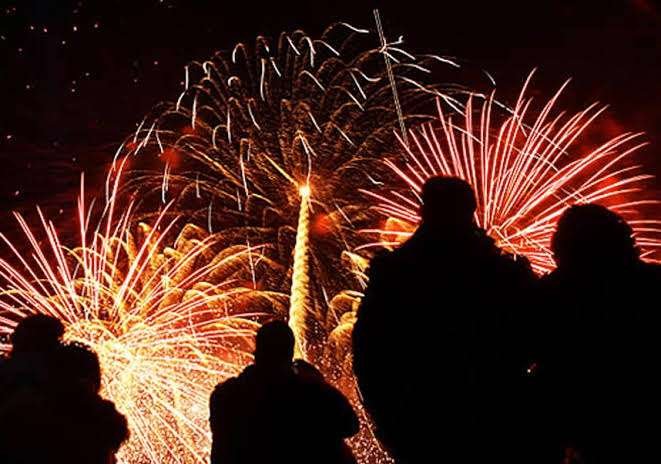
Fireworks are often associated with celebrations, weddings, public events, national occasions, and special family gatherings. Their bright displays can create memorable experiences, but fireworks also introduce serious fire and injury risks when they are handled carelessly or used in unsuitable surroundings.
A fire may spread to nearby buildings, vehicles, decorations, dry vegetation, or other combustible materials. Crowded events can create additional challenges if emergency exits are blocked or people do not know where to go when a problem occurs.
In Pakistan, fireworks safety deserves particular attention during large celebrations and public gatherings. Event organizers, property managers, businesses, and families should understand local restrictions, identify potential hazards, and prepare appropriate emergency arrangements before an event begins.
Safety planning should not be treated as an unnecessary expense. It is an investment in protecting people, property, and the surrounding community.
A suitable **fire alarm system in Pakistan** can be an important part of fire protection for buildings and event venues. However, an ordinary building alarm does not necessarily detect an outdoor fireworks incident. Effective safety depends on several measures working together, including professional event management, appropriate fire detection, clear escape routes, trained personnel, and coordination with emergency services.
This guide explains the main fireworks-related risks, the safety measures worth prioritizing, and the role of fire protection in creating safer celebrations.
## 1. Understanding the Risks of Fireworks
Fireworks can create sparks, heat, smoke, and burning debris. These effects may present hazards when a display takes place near people, buildings, vehicles, overhead structures, or combustible materials.
The risks depend on several factors, including the location, weather conditions, surrounding environment, crowd size, and quality of event planning.
Common concerns include:
– Fires involving nearby buildings or outdoor materials.
– Burns and other injuries.
– Smoke affecting people with breathing difficulties.
– Damage to vehicles, roofs, windows, and electrical installations.
– Panic or confusion in crowded areas.
– Delayed emergency access because of traffic or blocked routes.
– Environmental effects from smoke, noise, and discarded materials.
The National Fire Protection Association (NFPA) identifies fireworks as a source of fires, injuries, and property damage. Its guidance recommends attending professional fireworks displays rather than treating fireworks as a casual household activity.
The main lesson is straightforward: celebrations should be planned around people’s safety rather than assuming that an incident is unlikely.
## 2. Why Fireworks Safety Is an Essential Investment
When people think about event expenses, they may focus on decorations, lighting, catering, entertainment, and venue arrangements. Fire protection can receive less attention, even though it is essential to responsible planning.
Investing in safety means allocating suitable resources to risk assessment, professional supervision, emergency arrangements, fire detection where required, and staff preparation.
These measures can help organizers identify hazards before guests arrive.
The benefits extend beyond preventing property damage. A well-planned event can provide clearer instructions, more orderly crowd movement, better emergency access, and greater confidence among attendees.
For businesses, safety planning also supports operational continuity. A serious incident can disrupt activities, damage equipment, affect employees, and create financial consequences.
The appropriate level of protection depends on the event’s size, location, building design, and risk profile. A small private gathering and a large public celebration will not necessarily require identical arrangements.
## 3. Understand Local Laws Before Planning an Event
Fireworks are subject to legal controls, and requirements can differ according to location, event type, and the applicable permissions.
In Pakistan, the Explosives Rules, 2010, and subsequent amendments provide a regulatory framework concerning explosives and fireworks. Relevant authorities may impose additional restrictions or conditions for particular events, locations, and periods.
Before planning a fireworks-related event, organizers should confirm the current rules with the appropriate local administration and other responsible authorities.
They should establish whether the planned activity is permitted and what approvals, professional qualifications, safety arrangements, or restrictions apply.
Do not assume that permission for a previous event automatically applies to a new location or date.
For commercial venues, public gatherings, and large celebrations, it is sensible to consult qualified event-safety professionals and the relevant authorities early in the planning process.
Compliance should be treated as a basic requirement, not an optional extra.
## 4. Choose Professional Event Management
One of the most important safety decisions is determining who will be responsible for the event.
Public fireworks displays should be planned and managed by appropriately qualified professionals in accordance with local requirements. Organizers should not rely on untrained guests, informal arrangements, or improvised safety procedures.
Before approving an event, organizers should understand the responsibilities of the event manager, safety personnel, venue management, and emergency coordinators.
A professional assessment should consider:
– The suitability of the proposed venue.
– Potential effects on nearby buildings and public areas.
– Spectator locations and crowd movement.
– Emergency access and evacuation arrangements.
– Weather conditions and changing environmental risks.
– Communication with local emergency services.
– Compliance with relevant permissions and requirements.
These considerations are particularly important for weddings, festivals, commercial promotions, and other events attended by large numbers of people.
If appropriate professional supervision or required permissions cannot be secured, the event should be changed or cancelled rather than proceeding with inadequate safety arrangements.
## 5. Assess the Venue and Surrounding Environment
The venue plays a major role in fireworks safety.
Before an event begins, organizers should assess the surrounding area for potential hazards, including nearby buildings, vehicles, trees, overhead cables, combustible decorations, and pedestrian routes.
The assessment should also consider access for emergency vehicles and whether spectators can leave the area without passing through a dangerous zone.
Weather is another important consideration. Wind direction, visibility, and other changing conditions may affect the risks associated with an outdoor display.
The responsible professional should monitor conditions and follow the event’s approved safety plan, including any requirement to postpone or cancel the display.
Organizers should not assume that an area is suitable simply because a similar event has taken place there before.
The venue must be evaluated according to its current conditions, layout, surrounding development, and the specific event being planned.
## 6. Protect Spectators and Children
Crowd safety should be a central part of every public event.
Spectators need clearly communicated boundaries, suitable viewing arrangements, and unobstructed routes to designated exits. People should not be encouraged to enter restricted areas or move closer to a fireworks display for a better view.
Children require particular attention because they may not fully understand the risks associated with fireworks.
Parents and guardians should keep children away from restricted areas and follow the instructions provided by event staff. Children should never be expected to supervise fireworks, handle dangerous materials, or respond to an active fire.
Event organizers should also consider older adults, people with disabilities, and anyone who may need assistance during an evacuation.
Clear signs, staff guidance, and suitable accessibility arrangements can help make the event safer for a wider range of attendees.
## 7. Keep Fire Detection and Alarm Systems Appropriate
Fire detection is an important part of building safety, especially at venues where people gather in large numbers.
A suitable alarm system can warn occupants when it detects smoke, heat, or another specified indication of fire, depending on the system design.
However, ordinary building alarms are not necessarily designed to detect every outdoor fireworks incident. Their role must be understood within the overall event-safety plan.
When assessing a **fire alarm system in Pakistan**, venue owners and organizers should consider the type of building, its occupancy, the potential fire hazards, and the applicable building requirements.
Important considerations include:
– Whether the system is suitable for the venue.
– Whether detection coverage meets the intended safety requirements.
– Whether occupants can hear or otherwise receive the warning.
– Whether the system is maintained and tested appropriately.
– Whether alarm activation connects with a clear emergency response procedure.
A fire alarm is most useful when people know what to do after it activates.
For example, staff should understand how to communicate an evacuation, direct people toward safe exits, and report the incident to the appropriate emergency service.
System selection and installation should be handled in accordance with applicable requirements, with professional advice where necessary.
## 8. Prepare Suitable Firefighting Arrangements
Fire protection may include extinguishers, hydrants, sprinkler systems, or other equipment, depending on the venue and its risk assessment.
The correct arrangements depend on the types of hazards present, the building’s design, and the requirements applicable to the property.
Organizers should ensure that required equipment is accessible, maintained, and suitable for its intended purpose.
They should also ensure that emergency access is not blocked by temporary structures, parked vehicles, equipment, decorations, or event-related storage.
Firefighting equipment is not a substitute for professional event management or safe evacuation arrangements.
Guests and untrained staff should not be expected to approach a dangerous fire or handle specialist equipment. Their priority should be to follow emergency instructions and move to safety.
For larger venues, a qualified fire-safety professional can help determine whether the existing equipment and emergency arrangements are adequate.
## 9. Make Emergency Exits and Evacuation Plans a Priority
A fire or other emergency can cause confusion, particularly when a large crowd is gathered in a limited space.
An evacuation plan should explain how people will receive instructions, which exits are available, where they should go, and how staff will support people who need assistance.
Keep exits, stairways, access corridors, and designated evacuation routes unobstructed.
For indoor venues, the building’s existing fire-safety arrangements should be reviewed before temporary decorations, staging, seating, or event equipment are introduced.
Temporary structures must not interfere with required exits or emergency access.
Staff should know their responsibilities and understand the venue’s emergency procedures. Organizers should also establish a reliable way to communicate urgent information to attendees.
In Pakistan, Punjab Civil Defence identifies fire detection and alarm systems, firefighting arrangements, fire-safety plans, emergency control facilities, and evacuation arrangements among the measures considered when inspecting relevant premises. The requirements applicable to a particular venue should be confirmed with the responsible authority.
## 10. Consider Smoke, Air Quality, and Noise
Fireworks safety involves more than preventing flames.
Smoke and airborne particles may affect people with asthma or other respiratory sensitivities. Loud explosions can also cause distress, particularly among young children, older adults, people with sensory sensitivities, and animals.
Event organizers should consider whether the venue is appropriate for the surrounding community and whether nearby residents may be affected.
They should also follow applicable restrictions concerning noise, public gatherings, and environmental protection.
Where smoke or changing weather conditions create unacceptable risks, the responsible professionals should follow the event’s safety plan and the instructions of the relevant authorities.
Public communication can help attendees understand the nature of the event and make informed decisions about attendance.
A responsible celebration should consider both the people attending and those living or working nearby.
## 11. Inspect and Maintain Safety Equipment
Fire-safety equipment should be maintained before an event rather than checked only after a problem develops.
Maintenance requirements depend on the type of equipment and the manufacturer’s instructions.
For fire alarms, this may include appropriate testing, inspection, cleaning, and servicing. Larger systems may require scheduled professional maintenance.
Extinguishers and other firefighting equipment should also be inspected and maintained according to applicable requirements.
Do not assume that equipment is operational simply because it appears undamaged.
Organizers should keep appropriate inspection records and address identified problems before the venue is used.
If essential safety equipment is unavailable or defective, the responsible personnel should assess whether the event can proceed safely and legally.
For a large gathering, the consequences of overlooking a small maintenance issue can extend beyond the immediate equipment involved.
## 12. Prepare Staff and Communicate Clearly
A written emergency plan is only effective when the people responsible for carrying it out understand their duties.
Event staff should know how to report a suspected fire, communicate with the event coordinator, direct attendees toward safe exits, and contact the appropriate emergency services.
They should also understand the limits of their responsibilities. Staff should not be instructed to enter dangerous areas or attempt specialist firefighting tasks without suitable training and authorization.
Before guests arrive, organizers should confirm that communication arrangements are working and that staff know where to obtain assistance.
At large events, the plan should establish who coordinates emergency information so that conflicting instructions do not increase confusion.
Clear communication can help people respond more calmly and reduce unnecessary crowd movement during an emergency.
## 13. What Should Happen if a Fire Occurs?
If a fire or other serious incident occurs, protecting people must come before protecting property or continuing the celebration.
Follow the venue’s emergency plan, alert others where safe, and leave the hazardous area using a safe route.
Do not approach an active fireworks incident, touch unexploded items, or attempt to investigate suspicious materials. Keep others away and allow appropriately trained emergency personnel to manage the situation.
Once in a safe location, contact the relevant local emergency service and provide clear information about the incident.
In Punjab, Rescue 1122 provides fire and rescue response services. Emergency contact arrangements differ by jurisdiction, so event organizers should confirm the appropriate local contacts in advance.
Do not return to the affected area until emergency responders or the responsible authorities confirm that it is safe.
## 14. A Practical Fireworks Event Safety Checklist
Before approving a fireworks-related event, organizers should review the following:
– [ ] Applicable permissions and local restrictions have been checked.
– [ ] Qualified professionals are responsible for any fireworks display.
– [ ] The venue and surrounding hazards have been assessed.
– [ ] Spectator areas and restricted zones are clearly established.
– [ ] Children and other attendees needing assistance have been considered.
– [ ] Fire detection and alarm arrangements are suitable for the venue.
– [ ] Required firefighting equipment is available and maintained.
– [ ] Emergency exits and evacuation routes remain clear.
– [ ] Staff understand their emergency responsibilities.
– [ ] Communication with emergency services is planned.
– [ ] Weather and other changing conditions are monitored.
– [ ] A clear decision-making process exists for postponing or cancelling the event.
This checklist is a general planning aid, not a substitute for legal compliance, professional assessment, or event-specific safety procedures.
## Conclusion
Fireworks can be part of memorable celebrations, but they must be treated as a serious safety responsibility. The risks extend beyond the display itself and may affect spectators, nearby buildings, vehicles, businesses, and the surrounding community.
The most effective approach combines legal compliance, professional management, venue assessment, crowd safety, appropriate fire protection, clear evacuation arrangements, and reliable communication.
A suitable **fire alarm system in Pakistan** can provide an important layer of protection inside buildings, but it cannot replace professional fireworks management or guarantee detection of an outdoor incident.
For homeowners, businesses, and event organizers, the essential investment is a complete safety plan supported by appropriate equipment and trained people.
When safety is planned from the beginning, organizers are better prepared to protect attendees, respond to emergencies, and make responsible decisions when conditions change.
## FAQs
### 1. Why is fireworks safety important?
Fireworks can cause fires, burns, property damage, and other injuries. Safety planning helps reduce these risks and ensures that people know how to respond during an emergency.
### 2. Who should manage a public fireworks display?
Public displays should be managed by appropriately qualified professionals who comply with applicable laws, permissions, and event-safety requirements. Untrained attendees should not be responsible for handling fireworks.
### 3. Does a fire alarm system detect outdoor fireworks fires?
Not necessarily. Ordinary building alarms are designed for particular detection conditions and may not detect an outdoor incident. Their suitability depends on the system design and the location being protected.
### 4. What fire-safety equipment may an event venue need?
Depending on its design and risk assessment, a venue may require fire alarms, extinguishers, hydrants, sprinklers, emergency lighting, exit signs, or other protective measures. The applicable requirements should be confirmed with qualified professionals and local authorities.
### 5. What should people do if a fireworks-related fire occurs?
Move away from danger, follow the venue’s emergency instructions, and contact the appropriate emergency service. Do not approach active fireworks or touch unexploded items; leave those hazards to trained professionals.
### References
* National Fire Protection Association (NFPA), [Fireworks safety and fire-risk information](https://www.nfpa.org/