Factories play an important role in Pakistan’s economy. They produce textiles, garments, food products, furniture, chemicals, machinery, packaging materials, and many other goods used by people every day. However, industrial workplaces can also contain fire hazards that require careful management.
Electrical equipment, heating processes, combustible materials, flammable liquids, gas installations, and industrial machinery can increase the risk of fire when they are not managed properly. A factory fire can endanger workers, damage expensive equipment, destroy products, interrupt production, and affect nearby homes and businesses.
This is why factory fire safety is not only a workplace concern. Protecting employees and industrial buildings also helps protect surrounding communities. When factories follow effective fire prevention practices, the benefits can extend beyond the factory walls.
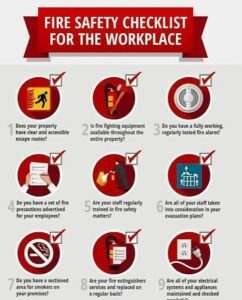
A well-planned Fire alarm system in Pakistan can help alert workers to an emergency, while suitable extinguishers, clear escape routes, safe electrical installations, and regular staff training provide additional layers of protection. The right arrangements depend on the factory’s activities, building design, materials, and applicable regulations.
This article explains the importance of factory fire safety, common industrial fire hazards, essential prevention measures, emergency planning, and practical ways to create a safer working environment in Pakistan.
1. Why Factory Fire Safety Is Important
Factories often contain multiple work areas, including production floors, storage rooms, offices, loading areas, workshops, and utility rooms. Each area may have different hazards, so a single general safety measure is rarely enough.
For example, a textile factory may store large quantities of fabric and packaging, while a food processing plant may use cooking equipment, heating systems, or gas installations. A manufacturing facility may also operate machinery that produces heat or requires significant electrical power.
If a fire starts, workers need to recognise the warning, understand the evacuation procedure, and reach a safe location without unnecessary delay. A well-designed fire safety plan helps establish these arrangements before an emergency occurs.
Factory fire safety can help businesses:
– Protect workers, visitors, contractors, and emergency responders.
– Reduce the likelihood of preventable fires.
– Support safe evacuation during an emergency.
– Limit damage to machinery, stock, and buildings.
– Reduce avoidable production interruptions.
– Improve workplace safety awareness.
– Support compliance with applicable fire and building regulations.
Fire safety should be treated as an ongoing responsibility rather than a task completed only when a factory opens or undergoes an inspection.
2. Common Causes of Factory Fires
Understanding potential fire hazards is the first step towards preventing them. Factory managers should assess the specific processes and materials used at their facilities instead of relying only on a standard checklist.
Electrical faults
Electrical faults can occur when cables, plugs, distribution boards, motors, or other components become damaged or overloaded. Poor installation and inadequate maintenance can increase the risk.
Factories should arrange appropriate inspections, maintain electrical equipment, and ensure that repairs are carried out by qualified professionals. Workers should report damaged cables, unusual heating, burning smells, or repeated electrical faults promptly.
Combustible materials
Paper, cardboard, wood, textiles, foam, plastic packaging, and other combustible materials can contribute to a fire. When these materials accumulate near machinery or heat-producing equipment, a small incident may become more difficult to control.
Good housekeeping, suitable storage arrangements, and regular waste removal can help reduce these hazards.
Heating and production equipment
Industrial ovens, boilers, dryers, furnaces, and other heat-producing equipment require suitable installation, operation, and maintenance. Workers should follow manufacturer instructions and established workplace procedures.
Equipment should not be operated when it shows signs of damage or malfunction. Any necessary inspection or repair should be handled by appropriately qualified personnel.
Flammable materials and gases
Some factories use flammable liquids, gases, solvents, paints, adhesives, or cleaning products. These substances require suitable storage, handling, ventilation, and control measures based on their properties and the applicable safety requirements.
Employees should receive appropriate training before working with hazardous materials, and the factory should maintain clear procedures for reporting spills, leaks, and unsafe conditions.
Hot work
Activities such as welding, cutting, and grinding may produce sparks or heat capable of igniting nearby materials. Factories should follow an appropriate hot-work procedure, including hazard assessment, removal or protection of combustible materials, and any required fire watch or permit arrangements.
Identifying these hazards early helps management select suitable preventive measures.
3. The Role of a Fire Alarm System in a Factory
Early warning is essential in a factory because workers may be spread across large production floors, separate rooms, storage areas, or multiple building levels. Machinery noise may also make it difficult to hear an ordinary warning.
A suitable fire alarm system can help notify occupants when a fire is detected or an alarm is activated. Depending on the design, a system may include smoke detectors, heat detectors, manual call points, a control panel, audible alarms, visual warning devices, and other components.
The design should consider the factory’s layout, production processes, environmental conditions, and possible fire hazards. For example, dust, steam, or other industrial conditions may affect detector selection and placement. A qualified fire safety professional can assess which equipment is suitable.
When evaluating a Fire alarm system in Pakistan, factory owners should consider more than the purchase price. They should look at system suitability, installation quality, compatibility with other safety measures, testing arrangements, maintenance support, and applicable standards.
The Building Code of Pakistan Fire Safety Provisions 2016 includes requirements for fire alarm and detection systems in industrial occupancies, with specific conditions and exceptions. Factories should consult the official provisions and the relevant local authority to determine what applies to their premises.
An installed alarm is not enough on its own. Workers must understand what the alarm sounds or looks like, what action to take, and where to go. Faults should be reported promptly, and the system should be inspected and maintained according to its design and the manufacturer’s instructions.
4. Choosing Suitable Fire Extinguishers
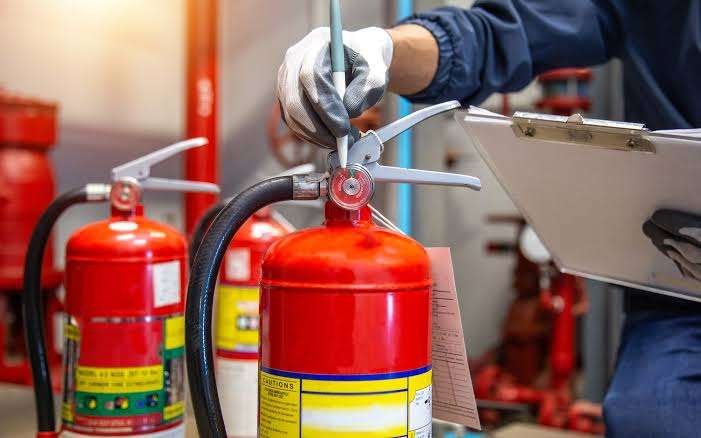
Fire extinguishers can help control certain small fires when the correct equipment is available and the user has received appropriate training. However, they should never be treated as a substitute for evacuation or professional emergency response.
Different fire types require different extinguishing methods. Water, for example, may be unsuitable for certain electrical or flammable-liquid fires. Using the wrong equipment can make a dangerous situation worse.
Factory managers should arrange a fire risk assessment to identify the types of extinguishers needed in different areas. The assessment should consider machinery, electrical installations, combustible stock, chemicals, cooking processes, and other hazards.
Fire extinguishers should be:
– Appropriate for the potential fire risks.
– Located where they can be reached safely.
– Clearly marked and unobstructed.
– Inspected and maintained as required.
– Supported by suitable employee training.
Workers should only attempt to use an extinguisher when they are trained, the fire is small and manageable, and a safe escape route remains available. If the fire spreads, smoke becomes heavy, or conditions are uncertain, they should evacuate and alert the appropriate emergency services.
5. Keeping Factory Exits and Escape Routes Clear
A fire alarm is useful only if people can respond safely. Clear escape routes are therefore a basic part of industrial fire protection.
Factories should provide suitable exits and escape routes based on the building’s design, occupancy, and applicable regulations. Exit routes should remain clear during normal operations, including busy production periods and delivery activities.
Boxes, raw materials, finished goods, tools, and waste should never be allowed to obstruct designated exits or staircases. Emergency doors and corridors should be maintained in accordance with the approved safety arrangements.
Exit signs and emergency lighting should help workers identify the way out, including when normal lighting fails. Where a factory has several departments or floors, workers should know the safest available route from their usual work area.
Management should display evacuation plans at appropriate locations and explain them during staff training. Workers should also know the designated assembly point and understand that they must not re-enter the building until authorised.
Escape arrangements should take account of visitors, contractors, and workers who may require assistance during evacuation.
6. Electrical Safety and Machinery Maintenance
Electrical safety is particularly important in factories because production may depend on motors, control panels, generators, industrial tools, and other powered equipment.
A damaged electrical installation can create risks that affect workers and nearby combustible materials. Regular inspections and planned maintenance can help identify problems before they lead to an emergency.
Factory management should ensure that electrical installations are suitable for their intended use and that maintenance is carried out by qualified personnel. Workers should not attempt unauthorised repairs or bypass protective devices to keep production running.
Machinery also needs proper maintenance. Excessive heat, friction, damaged components, and malfunctioning controls may create hazards depending on the equipment and process.
Factories should establish clear procedures for reporting faults and taking unsafe equipment out of service. Maintenance schedules should follow manufacturer guidance, risk assessments, and applicable requirements.
Good housekeeping supports these measures. Keep work areas orderly, remove waste safely, and store materials away from equipment where they could create a fire hazard.
7. Safe Storage of Chemicals and Combustible Materials
The materials used in a factory can strongly influence the development and spread of a fire. Storage arrangements should therefore be based on the properties of the materials, their quantities, and the conditions in which they are used.
Flammable liquids and other hazardous substances should be stored in appropriate designated areas with suitable controls. Containers should be correctly labelled, kept in good condition, and handled according to their safety instructions.
Materials that may react dangerously with one another should be separated as required. Factories should also maintain suitable ventilation and spill-response procedures where necessary.
Combustible stock, including textiles, paper, packaging, wood, and plastics, should be organised to reduce unnecessary fire hazards and preserve access to exits and firefighting equipment.
Employees should receive training on the safe handling of materials relevant to their jobs. Safety information should be available to the people who need it, and any suspected leak, spill, or unsafe storage condition should be reported immediately.
Factories that use specialised chemicals or industrial gases may need additional detection, containment, ventilation, or suppression measures. These requirements should be determined by a competent assessment rather than guesswork.
8. Training Workers for Fire Emergencies
Workers need more than equipment to remain safe during a fire. They must know how to recognise danger, raise the alarm, evacuate, and follow workplace procedures.
Fire safety training should be appropriate to the factory’s risks and the employee’s responsibilities. New employees should receive an introduction to emergency procedures, while existing workers should receive refresher training when necessary.
Training should explain:
– How to report a fire or suspected fire.
– How to activate the alarm where appropriate.
– The location of emergency exits.
– The designated evacuation routes and assembly point.
– How to respond when the alarm sounds.
– Why workers should not return for personal belongings.
– How to report hazards and damaged equipment.
– When to leave firefighting to trained emergency personnel.
Factories should organise evacuation drills at appropriate intervals and review the results. Drills can reveal problems such as blocked routes, unclear instructions, or workers who cannot hear the alarm in noisy areas.
Supervisors should understand their roles, but evacuation should not depend on workers waiting for individual permission to leave a dangerous area.
9. Creating a Factory Fire Emergency Plan
Every factory should have an emergency plan that reflects its operations, building layout, workforce, and potential hazards. The plan should explain how to raise an alarm, evacuate, communicate, and coordinate with emergency responders.
It should identify responsible personnel, emergency contacts, evacuation routes, assembly points, and procedures for accounting for workers after evacuation. Any arrangements for safely shutting down equipment should be clearly defined and should never delay evacuation or expose employees to danger.
Factories should also consider how contractors, visitors, delivery drivers, and temporary workers will receive emergency instructions.
A written plan should be accessible to relevant employees, and workers should receive practical explanations rather than being expected to understand a document they have never reviewed.
After drills, equipment changes, building alterations, or significant changes in production, management should review whether the emergency plan remains suitable.
10. Fire Safety Regulations in Pakistan
Factories in Pakistan should follow the fire safety, building, and workplace requirements applicable to their location and operations. Requirements may differ between provinces and local jurisdictions, so businesses should confirm the rules that apply to their specific premises.
The Building Code of Pakistan Fire Safety Provisions 2016 addresses fire prevention, detection, alarms, means of escape, and other protection measures. It includes provisions for industrial occupancies and should be consulted alongside relevant provincial laws and local requirements.
Sindh’s workplace and factory-related legislation also addresses fire safety arrangements, including alarms, firefighting equipment, and escape provisions. Other provinces may have their own applicable laws, regulations, and enforcement procedures.
Factory owners should maintain relevant inspection and maintenance records, ensure workers receive appropriate safety training, and address identified hazards promptly. Where required, they should obtain inspections or approvals from the relevant authorities.
Compliance should not be based on assumptions or on the fact that a neighbouring factory uses a particular system. Building size, occupancy, processes, materials, and other conditions can affect what is required.
For general information about fire protection equipment and safety systems, businesses can visit “FireSafetyTrading.com.pk” (https://firesafetytrading.com.pk/). For decisions about compliance, system design, and installation, they should consult official requirements and qualified professionals.
11. Conducting Regular Fire Safety Inspections
Regular inspections help factories identify problems before they contribute to an emergency. The frequency and scope should reflect the risk level, equipment requirements, and applicable regulations.
A practical inspection programme may cover alarms, extinguishers, exit routes, emergency lighting, electrical installations, machinery, storage areas, and waste management.
Managers should assign responsibility for inspections and keep records of findings, corrective actions, and completed maintenance. Problems should not be marked as resolved until the necessary work has actually been completed.
Workers can also support prevention by reporting damaged equipment, unsafe storage, blocked exits, or unusual conditions as soon as they notice them.
Periodic reviews should consider changes in production, the introduction of new materials, building modifications, and increases in workforce numbers. A factory that changes its activities may need to update its fire risk assessment and protection arrangements.
Inspections are most effective when they lead to action. Identifying a hazard is only the beginning; management must ensure that appropriate corrective measures follow.
12. How Factory Fire Safety Protects Nearby Homes
The connection between factory fire safety and home safety is especially important in industrial areas where workplaces are located close to residential neighbourhoods.
A serious fire can affect surrounding properties through smoke, heat, disruption, and the movement of emergency vehicles. Depending on the materials involved, an industrial incident may also create additional environmental or public safety concerns.
Preventing fires at the workplace therefore helps protect more than machinery and stock. It can contribute to the safety of families living and working nearby.
Factories should maintain their fire protection systems, manage hazardous materials responsibly, and establish clear procedures for emergencies that may affect the surrounding area. Where relevant, emergency planning should include communication with local emergency services and coordination with the appropriate authorities.
Industrial safety also depends on a responsible workplace culture. Managers must take reports seriously, workers must receive proper training, and production targets should never be allowed to override essential safety precautions.
Conclusion
Factory fire safety is an essential part of protecting workers, industrial property, and nearby communities in Pakistan. Electrical faults, combustible materials, hazardous substances, and industrial equipment can create significant risks when they are not managed correctly.
A strong fire safety programme combines prevention, early warning, suitable firefighting equipment, clear escape routes, worker training, regular inspections, and a practical emergency plan. A suitable fire alarm arrangement can support early warning, but it must be part of a complete and properly maintained safety system.
Factory owners and managers should assess their specific risks, follow applicable regulations, and consult qualified professionals when selecting or maintaining fire protection equipment. Employees should also be encouraged to report hazards and participate in training and drills.
Making fire safety part of everyday factory operations is a practical step towards a safer workplace and a safer surrounding community.
Frequently Asked Questions (FAQs)
1. Why is fire safety important in factories?
Fire safety helps protect workers, visitors, equipment, stock, and nearby properties. It also supports safe evacuation, reduces preventable hazards, and helps factories prepare for emergencies that could interrupt operations.
2. Is